
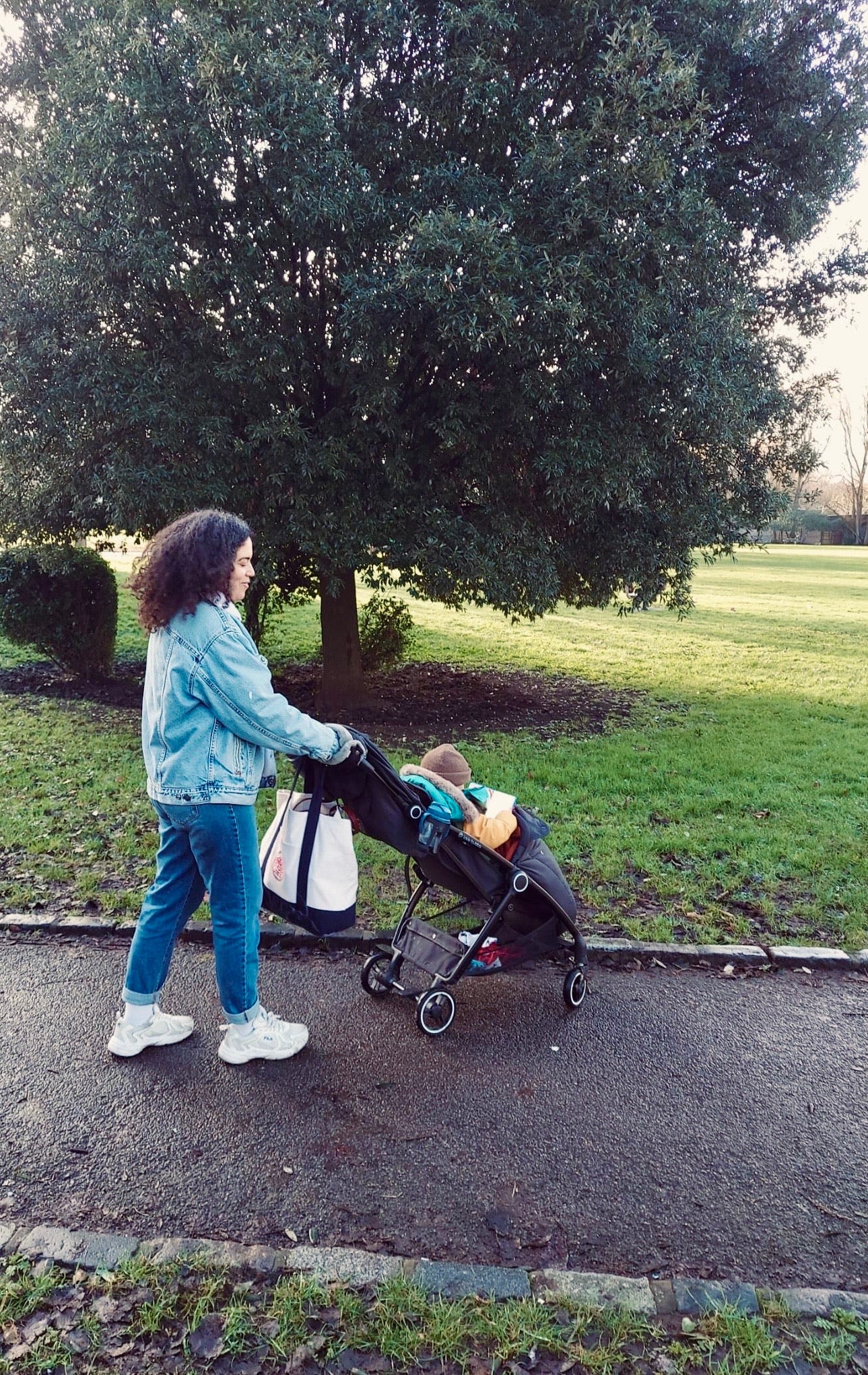
Here I am, firmly into toddler mum life and I absolutely have thoughts. My reflections are vast - but in this letter I’ll be taking a little detour from my usual focus to share:
some postpartum nutrition tips (thanks to some enthusiastic requests!)
what I got wrong/right myself (nutrition wise) during this tender time
my take on ‘bounce back’ silliness (can you guess) and how my body changed
for any new mums/mums to be/anyone who loves a mum…I saved a crucial point for the end (more important than nutrition!).
OF COURSE - I can’t cover this mammoth topic without acknowledging how bonkers lucky I am to have a healthy, happy baby. It has never felt like a given for me (if you know my story, you know). I don’t take the blessing lightly.
And a (hopefully obvs) disclaimer - this is not medical advice. Postpartum can be brutal and if anything isn’t feeling right in your mind or body, speak to your doc asap.
Honestly, in the first few months NO. I had a very rough birth/hospital stay and my husband was quickly back to work. No support or family around, a baby that didn’t/doesn’t sleep ‘well’ (ever), and exclusive breastfeeding - all meant I was in pure survival mode and therefore not prioritising my nutrition.
I had prepped some lovely freezer meals before the birth but they were NOT enough. I was relying on toast and chocolate more than ever and often ate something just to stay awake.
Breastfeeding meant extra nutrient demands and stress on my body (and nights were all me). Ongoing sleep deprivation stressed out my body big time and triggered blood sugar chaos (bad news for my hormones, energy, mood, and cravings!).
What happened?
A few months on, I noticed my sugar cravings were THROUGH the roof like I’d never experienced. Not to mention the fatigue and mental health struggles. Alarm bells rung loud.
Looking back, these were the major gamechangers:
Having a proper break from sugar. At 3 months postpartum my husband and I took a month off all sweet treats to break the spell, and it worked for us.
Later on - I changed up my breakfast. I was having eggs most days but still found myself scrambling for panic snacks/scraps. Dinner was usually good (thanks to husband) but I was struggling throughout the day.
How: I invested in a quality protein powder (I used this brand) and made the same yogurt bowl with double protein and lots of berries, nuts and seeds every single day (for mental ease) for weeks and weeks, framing it mentally the one thing I could do for myself that day.
I noticed an effect on my energy, appetite and mood almost immediately. Cravings reduced dramatically, I was hooked.
Prioritising eating well in the way I did pre-baby just isn’t possible (duh). Windows for cooking and eating are tinier, and my brain space for thinking about myself/my food is a fraction of what it was. New rhythms are forming, steadily. Another one of the many, many adjustments of mum life!
Let’s be real, the ‘bounce back’ nonsense that’s thrust upon mums during a supremely vulnerable time is boring and predatory. And with everythinggg else we’re juggling, stressing about losing weight is truly a top tier joy killer and another stress we just don’t need postpartum.
There is literally no timeline, and LOTS of factors determine how our bodies change/settle post-pregnancy. Namely, genetics (!!!), breastfeeding, life (illness, stress, another pregnancy), it’s just too complex to have rigid goals or compare.
I gained loads of weight in pregnancy, not sure how much, but it was welllll over the ‘recommended’ amount (might have been double?!). It did feel weird but it also felt like my body was just doing what it needed to do for baby.
After the birth I tried to focus on filling up on all the good stuff to aid recovery replenish the nutrients I was losing through milk and stress, and hoped the weight would sort itself. To my surprise, the weight did slowly all came off over the course of 12-13 months, with bigger drops if I ever had a few slightly better night’s sleep in a row (rare). Sleep/stress and weight have always been linked for me.
I say all that to say - my body went back to it’s comfortable healthy weight when it was ready. My job was to work on the basics (nourishment, joy, connection, some movement, emotional health) in any tiny way I could and to trust my body to find its way.
All of us are different, body weight is complex and delicate, and all bodies will respond uniquely. In amongst the strains, I’d invite you to love your body well through nutrition, rest and kindness and then, give your body a chance (always reaching out for appropriate help if you need it!).
Recovering from birth and managing the strains of postpartum life is serious business. Postnatal depletion is REAL (and far more complex than I can cover in this post, but hopefully these basics will help).
In my dream world - all women would undergo functional testing by the end of the 4th trimester - looking at thyroid, iron, vitamin D, and B12 at a minimum (if you can afford this with a reputable lab/practitioner - go for it!!).
Stress, sleep deprivation and breastfeeding make us vulnerable to potential deficiencies and hormone imbalances that can contribute to things like brain fog, anxiety, low immunity and other rubbish symptoms that are often accepted as normal.
Nutrition isn’t the answer to everything, but eating well can go a long way to give our bodies a foundation to draw from during this taxing time. Here are a few basics to aim for:
HYDRATION
We need adequate fluids to help with healing, digestion, and detoxification. Obvs majority will be water, but we also like herbal teas (careful with caffeine and ensure they are breastfeeding safe) and homemade electrolyte drinks (I’ll post my electrolyte drink if anyone would like to see it!).
How much? There is varying guidance on this but typically 2.5-3L water/day is suggested. I could not manage that much daily.
Drinking to thirst, prioritising water over other drinks, having a full glass of water first thing (and any time you feel thirsty), and keeping an eye on the colour of your pee (aiming for pale yellow) can be easier than aiming for a particular amounts.
Breastfeeding can increase thirst, so listen to your body and keep water nearby.
PROTEIN
Protein is your friend! The amino acids in literally help us repair our tissues. From recovery, to helping stabilise blood sugar, to mood support, we need it now more than ever. We’re talking meat, poultry, fish, greek yog, eggs, cottage cheese, legumes (a beautiful combo of protein and fibre), quality protein powder etc.
Of course the other macros (carbs, fat) are ESSENTIAL - but protein is the one we often don’t have enough of without intention.
Lucky for you I’ve done a 4 part series on protein with lots of ideas to incorporate it (find them here). Personal needs will vary based on weight, breastfeeding, activity etc. But for ease - try including generous protein portion in every meal and see how you feel.
VARIETY OF FRUIT AND VEG
These bring the antioxidants, fibre, and gut diversity goodness to the table. Don’t overthink - just aim for a variety and a good portion of veg with each meal. Why we love?
for example..
the vitamin c in citrus, tomatoes and kiwis help with wound healing and collagen production
the prebiotics in onions, leeks, and garlic keep the good bugs in your gut thriving which supports immunity
the fibre in avocados, raspberries and apples keeps digestion on point
…the list goes on.
BIG DEAL NUTRIENTS
These are the nutrients we don’t want sleep on:
Omega 3s: salmon, mackerel, anchovies, sardines, chia seeds (fish 2x week)
Iron: red meat, organ meats, legumes, spinach
Calcium: dairy (yogurt, cheese, etc), kale, tahini
Choline**: Egg yolks, liver, pork, beef, poultry, and soybeans or edamame
Zinc: oysters, meat, poultry, pumpkin seeds, dairy, legumes
B12: meat, fish, eggs, dairy, poultry
**Choline is an under-recognised nutrient in the UK (1). The UK is yet to set a recommendation, however in Europe it’s set to 520mg for breastfeeding mums, 480mg in pregnancy and 400mg for adults (2) (one egg has about 147 mg).
Always be careful with supplements as some aren’t safe to take with meds, with certain conditions, while breastfeeding, pre/post surgery and some (like Iron) should not be taken without testing to confirm levels. Check with your doc to ensure your supps safe for you!
Supplements will be personal depending on your needs but generally a good prenatal or postnatal multi can be a good boost during this time, particularly during the 4th trimester, however there isn’t a one size fits all.
Vitamin D: definitely one to consider, especially if breastfeeding (3), but dosage will depend on your current levels and access to sunlight. In the UK the recommendation for adults is 400iu daily between Oct-March but some may require up to 4000iu(4). Some pre/postnatals will include Vit D. Testing can be v worthwhile so it’s worth asking your GP for this, or there are some fairly affordable private options online.
For the breastfeeding mums: generally speaking we have an increased nutrient needs due to:
our nutrients going to baby via milk
the act of producing milk requiring nutrients
for some nutrients, our low levels can mean there are lower levels going to baby
Aim to eat plenty of foods rich in those Big Deal Nutrients. If you are struggling to eat these, you may consider looking into supplementation.
Get a slow cooker! We’d been delaying buying one for years because of tiny kitchen problems, but finally took the plunge after baby came. Hugeee lifesaver. Chuck in a big joint of meat, some stock and veg and let the magic happen (zero complex recipes needed). Dinner sorted, meat for lunches, and even some freezer meals in one go. Bang.
Be prepared if anyone asks you how they can help. Here’s your list of asks (or if you need some inspo for your next food shop and prep sesh):
Prepped ingredients/foods like:
boiled eggs (easy snack or make an egg mayo mix for sandwiches)
a roasted chicken (sandwiches, salads, fast dinner prep)
cooked potatoes (for easy jacket potato meals/quick prep potato sides)
chopped and washed fresh veggies and fruit
hummus
broths (for soup, stews, cooking rice etc)
chopped onions and garlic (for ease)
a homemade marinara sauce with lots of hidden veg blended in (add to mince, pasta, rice etc)
Cooked meals/bakes
a nice sourdough loaf (for the love)
banana bread (for the love)
a chilli or bolognese with secret liver mixed in
veggie soups made with broth (to have alongside some protein)
lentil dhal
frittata baked with veg, cheese and sausage (to slice up for easy breakfasts)
any hearty meal that strikes your fancy and brings you joy
Freezer staples (see below)
Electrolytes
A nice water cup
If someone wants to spend a bit more on you, send them a link to a quality protein powder for smoothies/chia puddings etc.
Embrace freezer staples
Things to buy frozen:
berries (smoothies, yog bowls, chia puddings, pancakes)
mango (straight up, smoothies, with yog)
spinach (cook with onions for a veg side, add to soups/stews/chilli/bolognese)
other veg for back up (peas, broccoli, cauliflower)
Things to prep then freeze:
slow cooker/hearty homemade meals
chopped onions/ginger/garlic
homemade stock/broth
a treat in case the need hits
Do meals on repeat if needed. Since going back to work last summer, we’ve relied so much on the slow cooker and had lots of repeat meals. If you find a meal that makes you feel good (like me with the breakfast bowl), just lean into it. It won’t be forever.
Consider a food shop delivery. Living in London means we don’t need a car thanks to public transport. Since baby we’ve transitioned to getting our staples delivered as it only costs £2 from our usual shop (cheaper than bus fare both ways!) and saves A LOT of mental energy and time. Probably won’t use it forever but for now it’s a big win.
I CANNOT chat postpartum without mentioning this (because an article like this can unhelpfully lay on the pressure..)
There are a million unique factors that will impact your experience after having a baby, and this means general postpartum sentiments and ‘shoulds’ can and should, bear with me, be held lightly.
Some of those factors that might shape that first year are things like:
how the birth went, other kids at home, mental/physical health of mum, health of baby, if there’s supportive family around, any childcare help (paid or family), baby’s temperament, sleep issues, and external stressors (financial strains, grief etc).
That’s a SHORT list of things that could potentially wildly shape your day to day, giving you a very different experience than another mum. This isn’t to invalidate anyone’s hard (would never) it’s all hard! But more of a gentle invitation to reject comparison when you see other mums have ease is areas you don’t.
Your experience, your baby, your body, your needs, your capacity, your resilience, are all unique. No one-size fits all, no need to compare.
Parting words:
You are a spectacular miracle just like your baby (cringe but truee) and you need and deserve nurturing too.
Going on 1.5 years later, I am sloowwwly coming around to this haha.
And of course, if you can, eat well :)
Love,
Murika
References:
Derbyshire E. Could we be overlooking a potential choline crisis in the United Kingdom?. BMJ Nutrition, Prevention & Health. 2019;:bmjnph-2019-000037. https://doi.org/10.1136/bmjnph-2019-000037
European Food Safety Authority. (2016, August 17). Dietary reference values: EFSA publishes advice on choline. European Food Safety Authority. https://www.efsa.europa.eu/en/press/news/160817#links-to-science
Gellert, S., Ströhle, A., & Hahn, A. (2017). Breastfeeding woman are at higher risk of vitamin D deficiency than non-breastfeeding women - insights from the German VitaMinFemin study. International breastfeeding journal, 12, 19. https://doi.org/10.1186/s13006-017-0105-1
National Health Service. (n.d.). Vitamin D. https://www.nhs.uk/conditions/vitamins-and-minerals/vitamin-d/
No posts
Comments
Nothing yet. Say the first thing.
Sign in to join the conversation.