
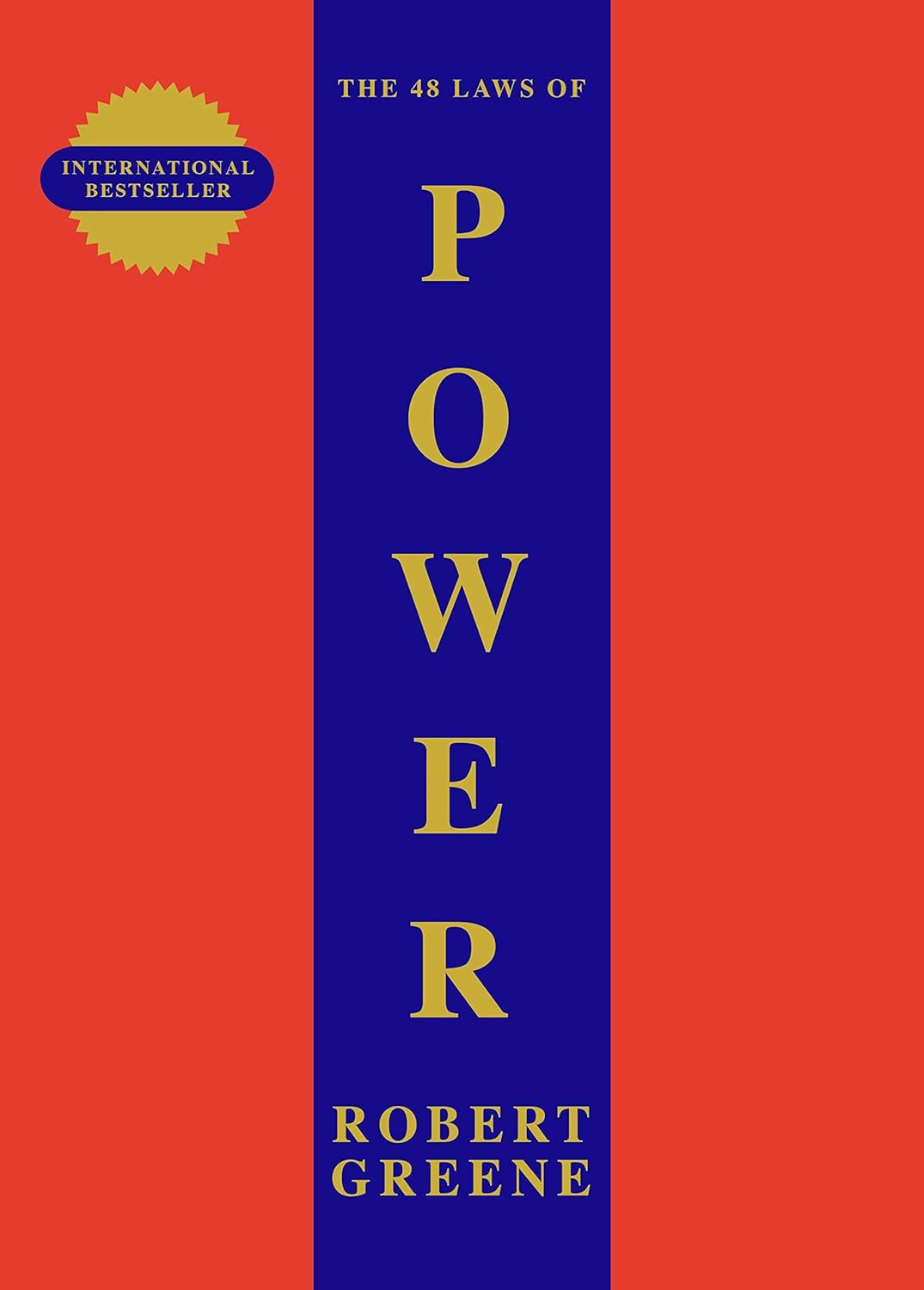
Robert Greene’s The 48 Laws of Power is a ruthless manual for gaining and maintaining power, distilled from 3,000 years of history’s most cunning manipulators, conquerors, and courtiers. The book presents power dynamics as an amoral game where those who understand the rules dominate and those who don’t become victims, offering strategies that are simultaneously fascinating and morally troubling.
Greene opens with Law 1: “Never Outshine the Master,” illustrating it with Nicolas Fouquet, Louis XIV’s finance minister who threw a party so extravagant it made the king look poor. Louis had him arrested and imprisoned for life. The lesson is stark—making superiors feel inferior, even unintentionally, invites destruction. Greene argues that power requires constant awareness of others’ egos and insecurities, not just competence or merit.
The book’s methodology draws from historical examples ranging from ancient China to Renaissance Italy. Law 15, “Crush Your Enemy Totally,” features Empress Wu Zetian of China, who eliminated rivals so thoroughly that she became the only woman to rule China in her own right. Greene contrasts this with leaders who showed mercy to defeated enemies, only to face rebellions from those they’d spared. The message is brutal: half-measures in power struggles create future threats.
Greene presents deception as essential through Law 3: “Conceal Your Intentions.” He describes how Otto von Bismarck unified Germany by making each rival believe he was their ally, revealing his true agenda only after achieving unstoppable momentum. Law 27: “Play on People’s Need to Believe to Create a Cultlike Following,” explores how charismatic leaders manufacture devotion. Greene describes how advertising pioneer Albert Lasker created desires people didn’t know they had, selling products by appealing to deeper psychological needs for status and belonging. The law extends beyond marketing to politics and religion—effective leaders provide followers with grand narratives that give their lives meaning, regardless of factual accuracy.
Greene addresses reputation through Law 5: “So Much Depends on Reputation—Guard It with Your Life.” He describes how P.T. Barnum turned scandal into publicity, understanding that attention—even negative—could be leveraged. Conversely, he shows how whisper campaigns destroyed figures like Oscar Wilde, whose trial for homosexuality ended his career despite his artistic genius. Reputation, Greene argues, is more valuable than money and more fragile than glass.
Law 28, “Enter Action with Boldness,” contrasts timid and audacious approaches. Greene describes how Cortés burned his ships upon reaching Mexico, eliminating retreat options and forcing his men to conquer or die. This boldness convinced Aztec leaders that Cortés possessed supernatural power, facilitating conquest that numerical odds suggested was impossible. Hesitation signals weakness; boldness often succeeds simply because others assume it reflects hidden strength.
The book acknowledges that power requires sacrifice through Law 11: “Learn to Keep People Dependent on You.” Greene shows how Henry Kissinger made himself indispensable to Nixon by monopolizing diplomatic channels and expertise, ensuring his position regardless of policy disagreements. Creating dependency requires making others need you more than you need them—a position achieved by controlling access to resources, information, or connections.
Greene addresses timing through Law 35: “Master the Art of Timing.” He contrasts leaders who moved too early and were crushed with those like Napoleon, who waited for precise moments when enemies were weak and allies were strong. The book suggests that power comes not just from knowing what to do but recognizing when conditions favor action versus patience.
The 48 Laws of Power concludes without moral judgment, presenting power as a reality that exists whether individuals engage with it consciously or not. Greene argues that those who refuse to understand power dynamics don’t escape the game—they simply lose it while more strategic players manipulate them, making willful ignorance not virtue but vulnerability in a world where power shapes every interaction.
Get the book : USA | UK | India
Thank you for the tremendous response to our last post, 5 Books to Understand this Middle East Conflict and its Consequences!
Comments
Nothing yet. Say the first thing.
Sign in to join the conversation.