
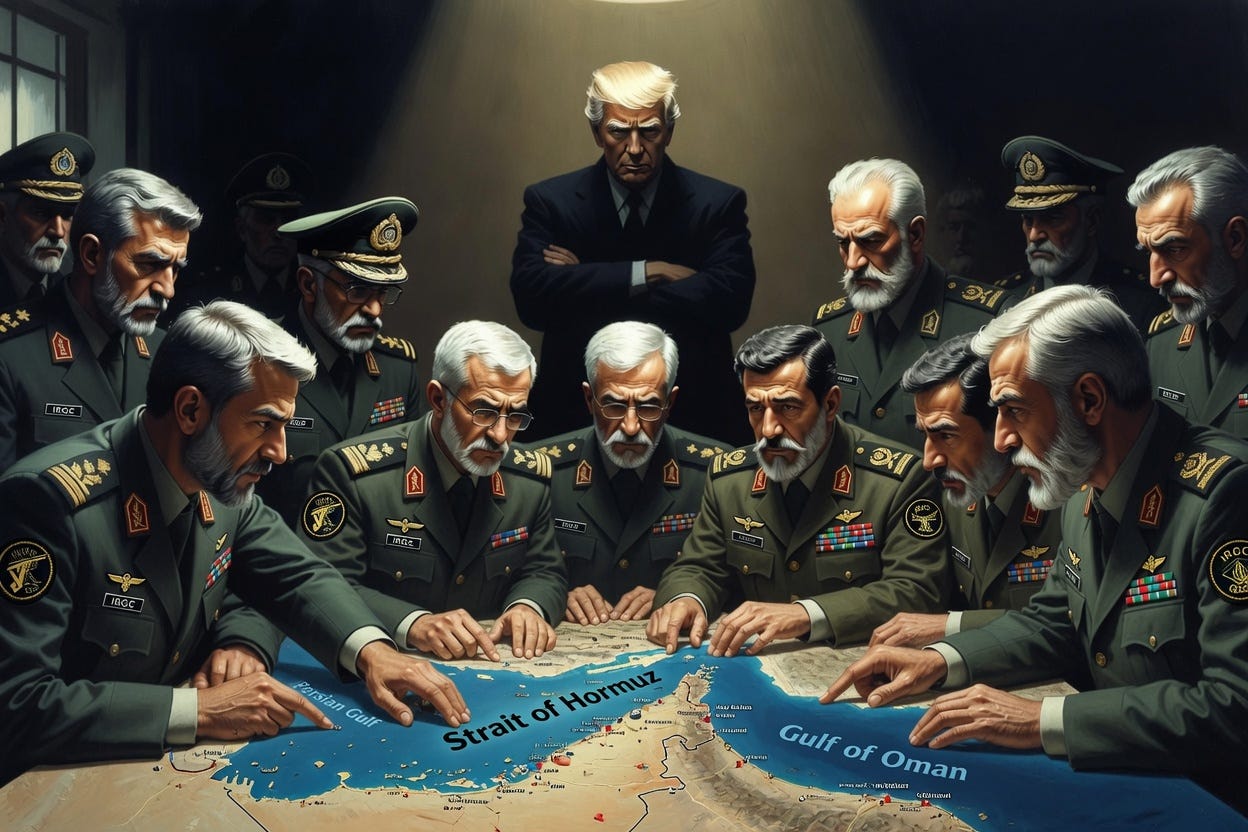
Iran and Oman are reportedly closing in on the signing of (yet another) deal concerning the reopening of the Strait of Hormuz, or SoH. We have been here before in June, when the (Istanbul) memorandum of understanding, or MoU, was signed only to be rolled back by the end of the month. We can expect the same process now for reasons I outline below.
Before we enter there, let’s consider the U.S. motivation behind the current (likely) de-escalation.
Tracy Shuchart has published a must-read analysis on the state of the U.S. Strategic Petroleum Reserve. I will provide two quotes to my paid subscribers below, but what Tracy shows is that:
A) No one actually knows what is the functional delivery capability of the SPR because each of the reserve’s 60 caverns are individualistic in their withdrawal capacity.
B) The only currently functional complex is the one, which crude quality has received all the complaints from the SPR.
Hence, the question I am asking is: How worried is the White House on the possibility that U.S. crude supplies can suddenly collapse?
I am confident that this factor is weighing heavily behind the Trump administration’s apparent panic to get the SoH opened. That said, remember that ending the conflict is unlikely to be in the interest of the IRGC (or Israel).
Let’s now look at the findings of Tracy in a bit more detail:
Comments
Nothing yet. Say the first thing.
Sign in to join the conversation.