
Dear Curious Christie and Ms. Resilient,
My best friend’s brother has always had a big, playful personality. He teases everyone, makes jokes, and is usually the “life of the party” type. I used to think it was harmless.
But lately, his attention toward my husband feels too familiar. He makes flirty comments, finds reasons to sit next to him, laughs a little too hard at everything he says, lingers his hand on him, and has started making inside jokes that leave me feeling like I’m watching something I was not invited into.
At first, I brushed it off because he is my best friend’s brother, and I do not want to make family gatherings or friend events awkward. But the more it happens, the more uncomfortable I feel.
My husband says he does not think it is a big deal and that I am reading into it. When I mentioned it to my best friend, she laughed and said, “That is just how he is. Don’t be insecure.”
Now I feel embarrassed, jealous, and annoyed that I am somehow the problem for noticing something that does not feel right. I do not want to police every interaction or become the person who ruins the vibe. But I also do not want to keep swallowing my discomfort just because everyone else finds it easier to dismiss me.
Am I overreacting, or is this crossing a line? And how do I say something without turning every future hangout into an episode of awkward friend-family theater?
~ A Third Wheel in My Own Marriage

Dear A Third Wheel in My Own Marriage,
No one wants to feel like they need a referee whistle at a casual hangout. Especially when the vibe is supposed to be chips, laughter, and “who brought the good dip?” not “why is your hand lingering on my husband?”
First, you are not wrong for noticing what feels uncomfortable. Maybe your best friend’s brother is “just like that.” Maybe he flirts with houseplants, baristas, and the entire cheese board. But “that’s just how he is” does not mean you have to pretend it feels good.
The bigger issue here is not actually him. It is that you named discomfort in your marriage, and your husband brushed it off. That is where I would start.
In a healthy relationship, you should be able to set expectations together about what feels okay and what does not in your interactions with other people. This is not about controlling your partner. It is about caring for how your partner experiences the relationship. There is a big difference between “You are not allowed to talk to anyone,” and “When someone is openly flirty and physically familiar with you, I need us to be on the same team.”
So talk to your husband when you are not already in the middle of a tense moment. Try: “I am not asking you to agree that his intentions are bad. I am asking you to care that this feels uncomfortable to me. If the table were turned and I dismissed something that made you uncomfortable, how would that feel?”
That question matters. Sometimes people do not understand the impact until they imagine themselves in the seat they have asked you to sit in. Then get specific about what would help. Maybe you want your husband to move closer to you when this happens, redirect flirty comments, avoid inside jokes that exclude you, or simply say, “Hey, let’s keep it respectful.”
You do not need to make a court case out of every joke. But you also do not need to swallow your discomfort to keep everyone else comfortable. Start with your partner. Build the boundary together. The goal is not to control the room. It is to know that, no matter who else is in it, your partner is standing with you.
With care and clear boundaries,
Curious Christie

Ms. Resilient offers her perspective using Dovetail Learning’s approach:
Dear A Third Wheel in My Own Marriage,
One Dovetail skill I hear in Christie’s response is Speaking Authentically. Christie doesn’t encourage you to stuff your discomfort down in order to keep the peace, nor does she push you to make sweeping accusations about your friend’s brother. Instead, she helps you move toward a more honest conversation with the person who matters most here: your husband.
What I appreciate is that Christie reframes the issue away from proving whether the brother’s intentions are innocent or flirtatious and back toward your actual experience. Speaking Authentically is not about having airtight evidence; it is about being able to say, “Something about this feels uncomfortable to me, and I need you to take that seriously.” That kind of honesty creates the possibility of real teamwork instead of leaving you alone with your discomfort.
Christie also wisely keeps the focus on what support would look like, not just what is bothering you. That’s such an important part of authentic communication. It’s one thing to name the feeling; it’s another to say what would help you feel more secure, respected, and connected in the moment.
Warmly,
Ms. Resilient

What’s one compassionate truth you’d offer A Third Wheel in My Own Marriage? Comment or send your response to ms@dovetaillearning.org — we’d love to include you.
Every question begins with someone brave enough to ask it. If that’s you today, click below or email us at ms@dovetaillearning.org.
P.S. A like, comment, or share helps this community grow—and reminds us we're not figuring out life alone.
Think of Ms. Resilient’s free Mantras for Life as a collection of sticky notes for the soul—simple reminders for complicated days.
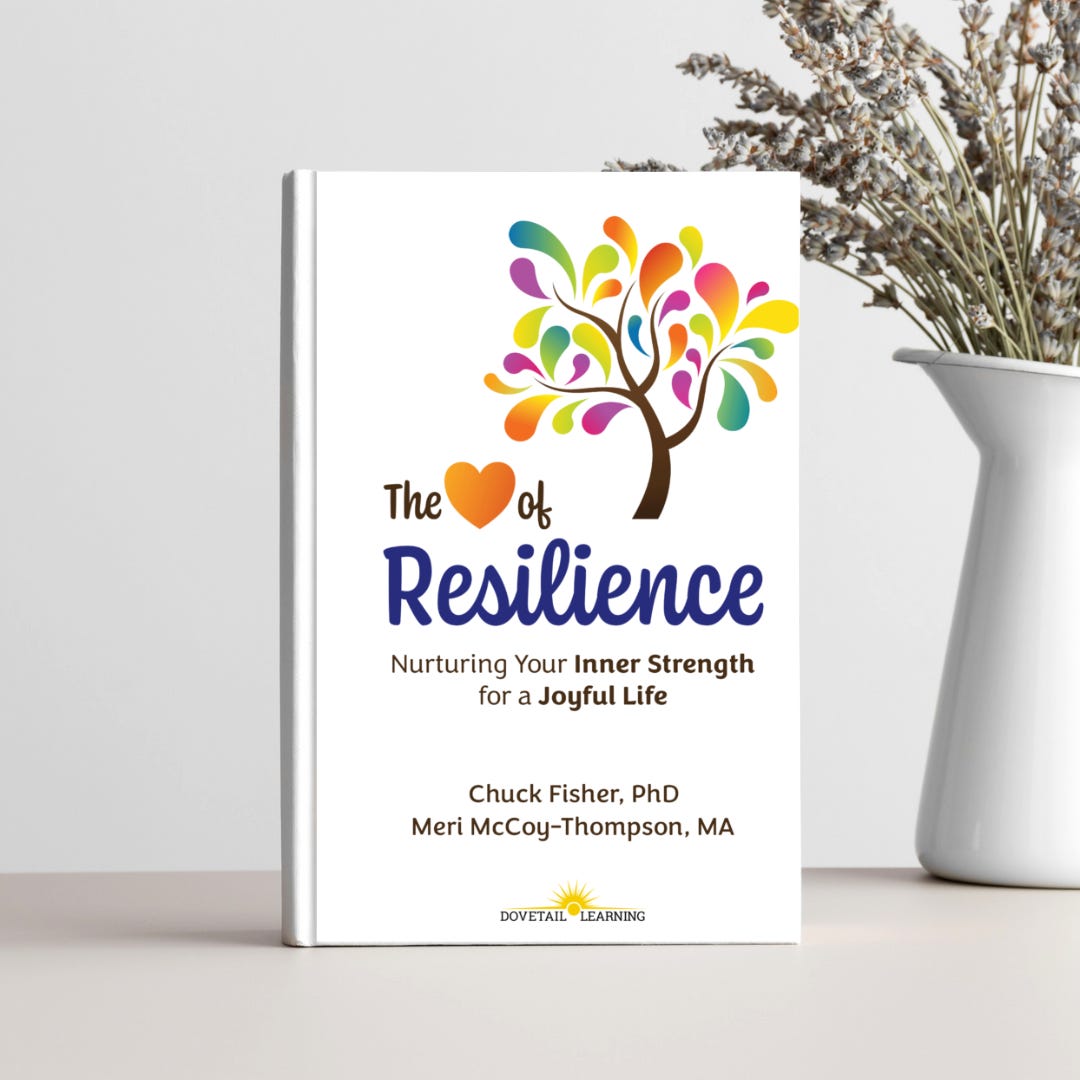
Want to move from insight into practice? The Heart of Resilience (book, ebook, and audiobook), the We Are Resilient App, and Dovetail Learning were all created to help you practice resilience in real life.
Comments
Nothing yet. Say the first thing.
Sign in to join the conversation.