
A few weeks ago, I hurt my knee while horseback riding and couldn’t put weight on my leg for a few days. All signs pointed toward a long recovery and much needed rest while I waited to be shuffled through the medical system.
Within five hours of the fall, freshly home from urgent care, I had already ordered grocery delivery and two plates of Indian food. It’s autopilot at this point. If I get hurt, sick, or there is a big life event, I buy groceries and easy meals. I asked a few women in my life, mostly in their 40s and 50s, if they experienced a similar instinct surrounding meal prep and groceries when impaired. Even though it manifested in different ways, they all said yes.
One said sickness or injury triggers a feeling of scarcity, so they overbuy when they know they’ll be out of commission. Another said they buy only the basics and plan simple, no prep meals that will last for a week at minimum. Most said they learned this from their mother, grandmother, or some maternal community figure.
Nothing is worse than being sick or injured, and not eating because it takes too much energy to feed yourself — ESPECIALLY if you’re poor. Everyone can relate to this within the context of health and injury because it’s very serious, but this can also happen on bad mental health days, in the midst of grief and emotional exhaustion, or on days when you’re working/caregiving so hard you just forget to eat. It can even lead to disordered eating and a reliance on food systems that aren’t nurturing for our bodies or communities. Unfortunately, the past several years of my own life have been characterized by this experience.
I want to be careful about romanticizing the past here, because the inherited instinct to gather — and for some to hoard — still revolves around an anxiety of not having what you need. For the women of my grandmother’s generation who grew up in rural areas, lived through Jim Crow, and migrated to the urban coast in the midst of the Civil Rights Movement, most of these concerns were economic and systems-oriented. If someone is out of work, that means fewer resources. Doctors are expensive. Racism is also expensive and limits access to care. Post-migration: They were in a new place, scared, and other Southerners were all they had. Growing up I watched my grandmother set aside a little from each meal, wrap paper plates in foil, and deliver them to family, friends, and church members. As a multi-household caretaker this was incredibly hard work. Yet from my perspective as a child, it seemed like the threat of not having what we needed was external to community.
Whereas in my adult experience where we still face the same issues but within a modern context of online living, individualism, and convenience, the threat feels like it comes from within the community — or rather, the lack of ability to rely on community. Maybe it’s because people expect you to order everything. Even though the convenience is a financial luxury, it’s becoming the only option for many folks who find themselves in need of care.
Check this: Someone who lives 5 minutes away sent a text saying they missed me dearly, cared about me, and wanted to hang out. They suggested a hike 20 minutes way from where we live. We agreed on a date for the meetup, and they said they couldn’t wait to connect. When I got hurt, I told them I wouldn’t be able to hike and felt sad about that. I asked if they could drop off some cat litter since I couldn’t walk and definitely couldn’t carry anything up the stairs. They declined for no particular reason.
Two weeks later, after I’d just weaned myself off of crutches, they sent me another text asking me to do their hair for free as a birthday gift. The last line read, “If you still need cat litter, I could bring that as an exchange.”
Before you go all on social media therapy on me — yes, I do ask for help. I do ask for exactly what I need from people without expecting to be prioritized. I’m careful not to ask for too much so that it fits reasonably within the level of importance the party has expressed our friendship has in their life. But sometimes, that’s all a load of bullshit.
Most of the time, asking for kindness and small efforts of care shouldn’t be that hard.
So to get back to the basics, food has become friendship level one for me. I’m not trying to recreate a sense of nostalgia. I don’t have a family of 6. It’s not practical for me to perpetually have a large pot of something on the stove or to always be cooking. But it’s no imposition at all to keep a few extra snacks around, or to ask folks if they want food when I do cook. This whole blog is dedicated to food as a love language, so obviously it bears repeating: our relationships are how we feed each other.
For 20 years, my neighbor has grilled every other Sunday and brought my dad a plate of food. When my dad started using a wheelchair earlier this year, my neighbor starting piling extra onto his plate so that he could share with me.
My cousin pulling leftovers out of her freezer when I stop by every few months brings renewal, comfort, and ease to my life.
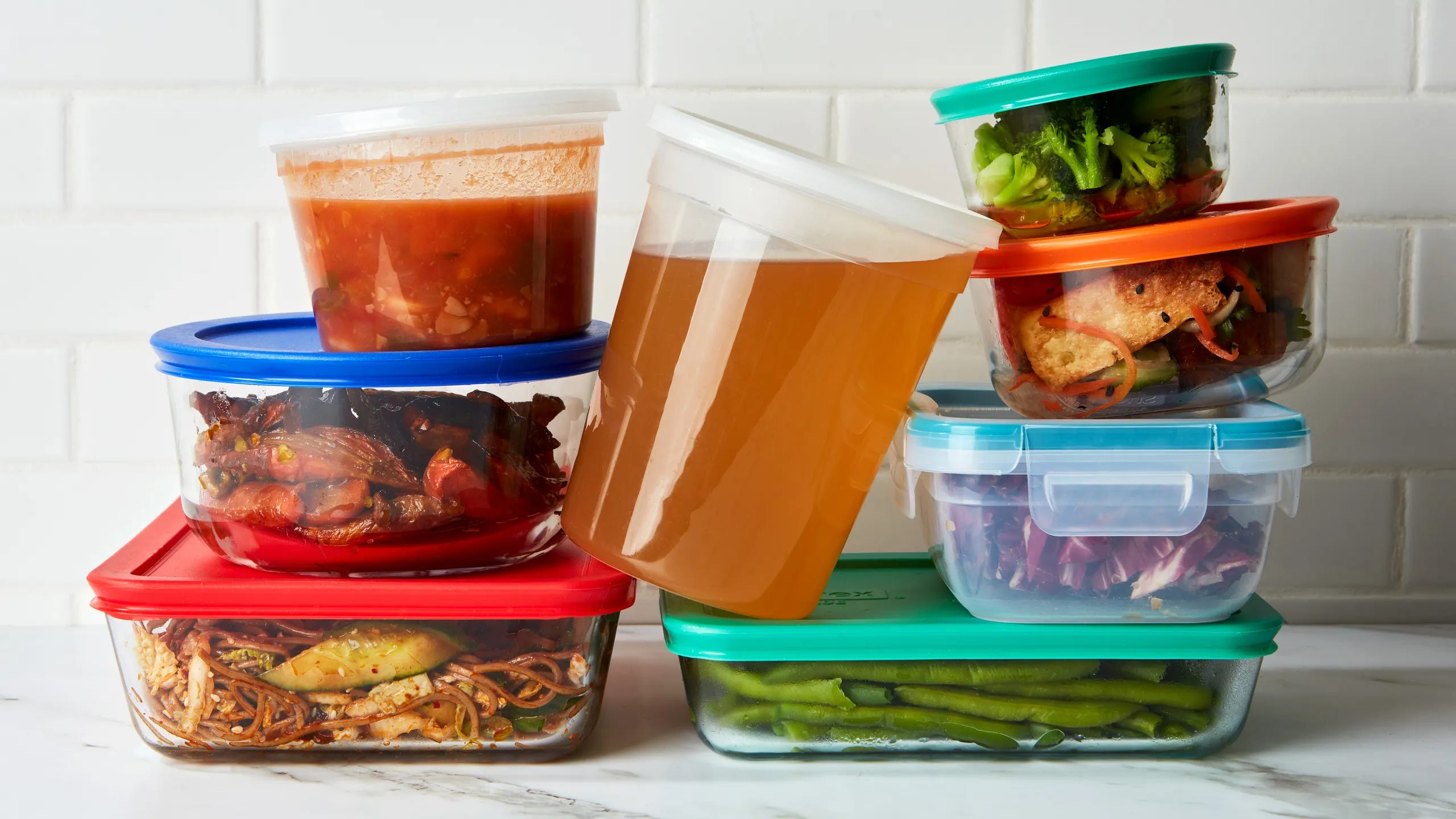
The week after my accident, I went to see a friend who has been disabled from a tragic car wreck. After we had our usual smoke and chat about life, his wife washed my sheets for me, fed me chili and cornbread, and filled my backpack with snacks. I confessed to having a couple of her reusable containers at my house, and hung my head in deep cultural shame for not returning them. She laughed and told me that’s what they were for.
It’s not always a mood, a vibe, or a curated moment, but the choice to be generous, no matter how small, is a choice to nourish depth. I may not ever find myself in tightly knit community with a massive kitchen island, or be the house on the block that everyone knows they can eat at. At the very least, my goal is a community agreement that we will break bread together always, and that when we have a little extra we will put in the grain of effort it takes to ask someone if they’re in need.
No posts
Comments
Nothing yet. Say the first thing.
Sign in to join the conversation.