
Every few years the idea comes back: make buses free. First, “free buses” is a misnomer. Unless the driver is working for free, the mechanics are volunteering, and the fuel company is donating gas, the bus is not free. The cost does not disappear. It just becomes less visible.
So what are we talking about then? Removing the price signal. And that is not a small change. That is a structural shift in how the system communicates information.
Prices are not just about revenue. They are information. They tell you something about value, demand, and cost.
If a bus route charges a fare, you can observe behavior. Are people willing to pay to board at a new stop? Is a particular route lightly used? Is it overcrowded? Are riders finding it worth the cost?
Without that signal, decision making becomes a lot harder.
Suppose you are considering adding a stop. With fares, you can see if people are willing to pay for the convenience. Without fares, usage rises automatically. But you no longer know if that additional stop is truly valued or simply used because it costs nothing.
Or consider removing a stop. Maybe it adds five minutes for everyone else. If riders are paying, that five minutes has an implied cost. If nobody pays, you have to guess at the tradeoff.
These are not novel problems. Every private business uses prices to make decisions and adjusts offerings. It’s why central planning has failed every time it’s been tried.
Removing fares is like banning thermostats to fight climate change. You eliminate the feedback mechanism and then wonder why the system behaves unpredictably.
When something becomes free, it is not just cheaper. It becomes different.
There are things you would use if they were free that you would not use if they cost even a small amount.
Try listing something for free on Craiglist and see the weirdos that show up to use your furniture for firewood.
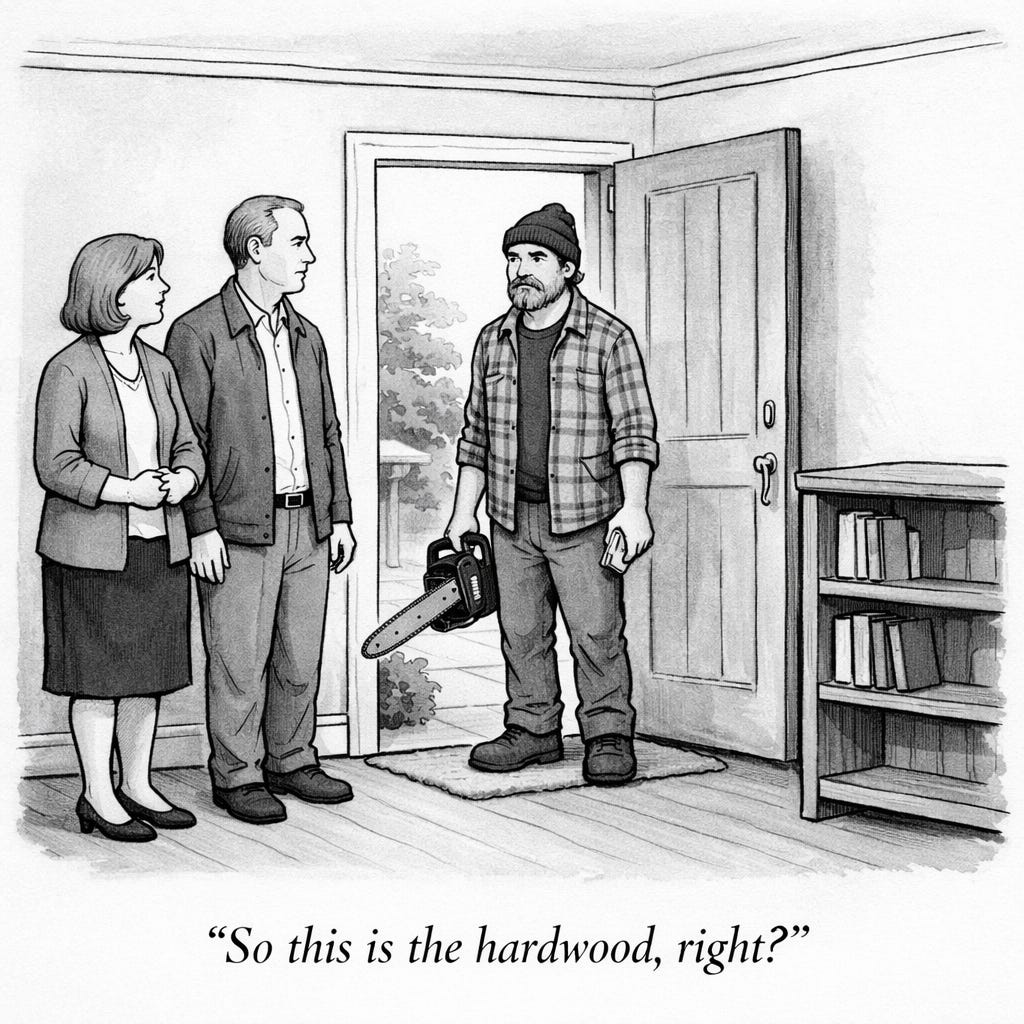
I have skipped the bus before because I could walk and did not feel like paying. On the margin, the ride was not worth much to me. If it had been free, I probably would have taken it.
But that means I would have crowded the bus for riders who valued it more. I would have slowed it down, filled seats, increased dwell time, and degraded service for people who depended on it.
When demand increases at the margin, it often pulls in riders who value the service less than existing riders. That can make the experience worse for everyone.
“Subsidize good thing, get more of good thing” sounds straightforward. It is not. All you can reliably say about subsidies is that they distort behavior. The optimal level of bus ridership is not necessarily “as many people as possible regardless of value.”
There is another argument that gets floated: making buses free will reduce assaults on drivers. This one is the most bizarre argument of all.
The theory is that someone who assaults a bus driver over three dollars will suddenly behave because the fare is zero.
A nominal fee filters behavior. Costco’s theft rates are a fraction of its competitors, in part because a membership fee creates a basic threshold. Even a small cost changes who shows up and why.
You remember that guy that assaults the bus driver every few months because he doesn’t want to pay the fare? We’re letting him on for free and sitting him right next to abuelita!
If someone is willing to assault a driver over a fare, the solution is not to eliminate fares. The solution is to enforce the law. Arrest people who assault drivers. Make it not worth their while.
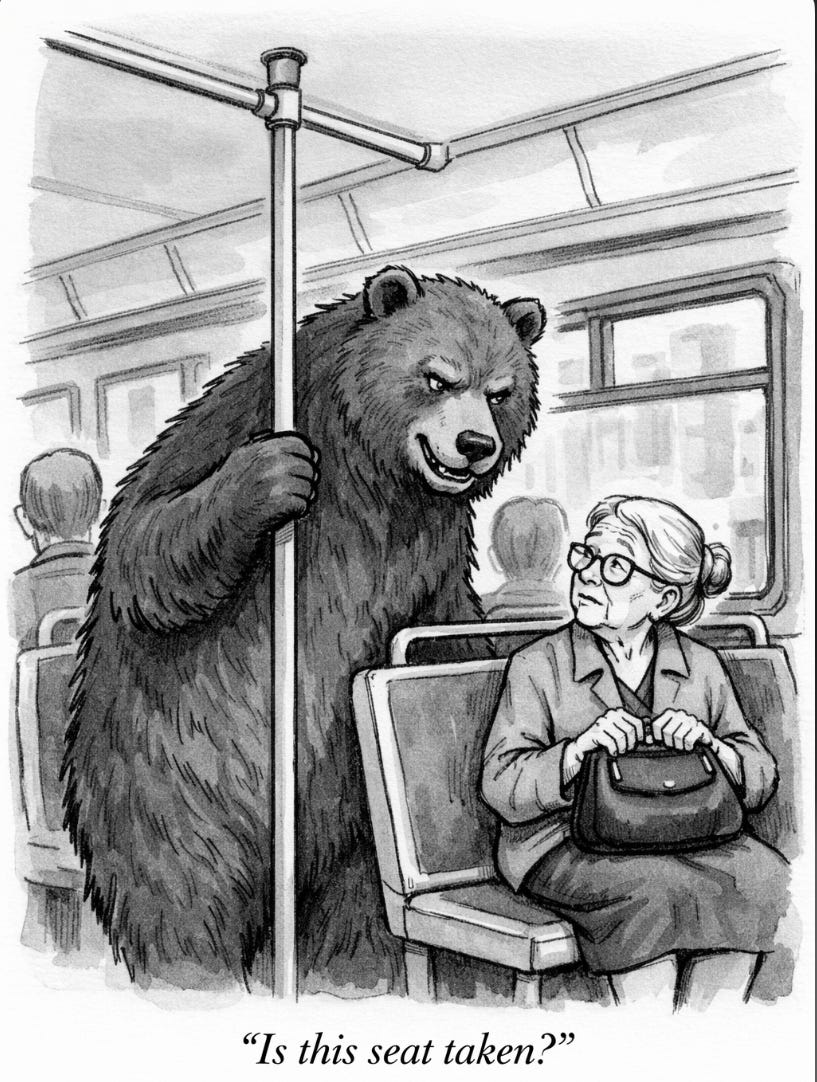
Why should the most antisocial actors dictate public policy?
There is a broader pattern here. We often respond to disorder by surrendering. If a handful of people cause problems, the answer becomes accommodation rather than enforcement. That’s the reason we have needle disposals in children’s parks. Have we tried not having hard drug addicts in the parks? Why is this a foregone reality? Is there literally nothing else we can do to prevent the dozen or so people terrorizing our neighborhood?
When public buses charge fares, private operators and alternative transportation services can compete. If they can move people more efficiently or cheaply, that is valuable information.
Public transportation should serve people, not the other way around. I’ve seen insane arguments trying to ban Google private buses for employees because we should force them to use the crappy public bus service so it gets revenue.
When buses are “free,” competition evaporates. No private operator can compete with zero. You lock the system into a permanent political funding battle.
Charging money for the bus doesn’t have to be profit maximizing. Start by charging the marginal cost of operating the bus. If the goal is to support low income riders, offer discounts, income based fares, employer partnerships or credits.
Blanket “free” is a blunt instrument. It erases useful information. It shifts incentives in ways that are difficult to reverse. It changes who uses the service and how they use it.
No posts
Comments
Nothing yet. Say the first thing.
Sign in to join the conversation.