
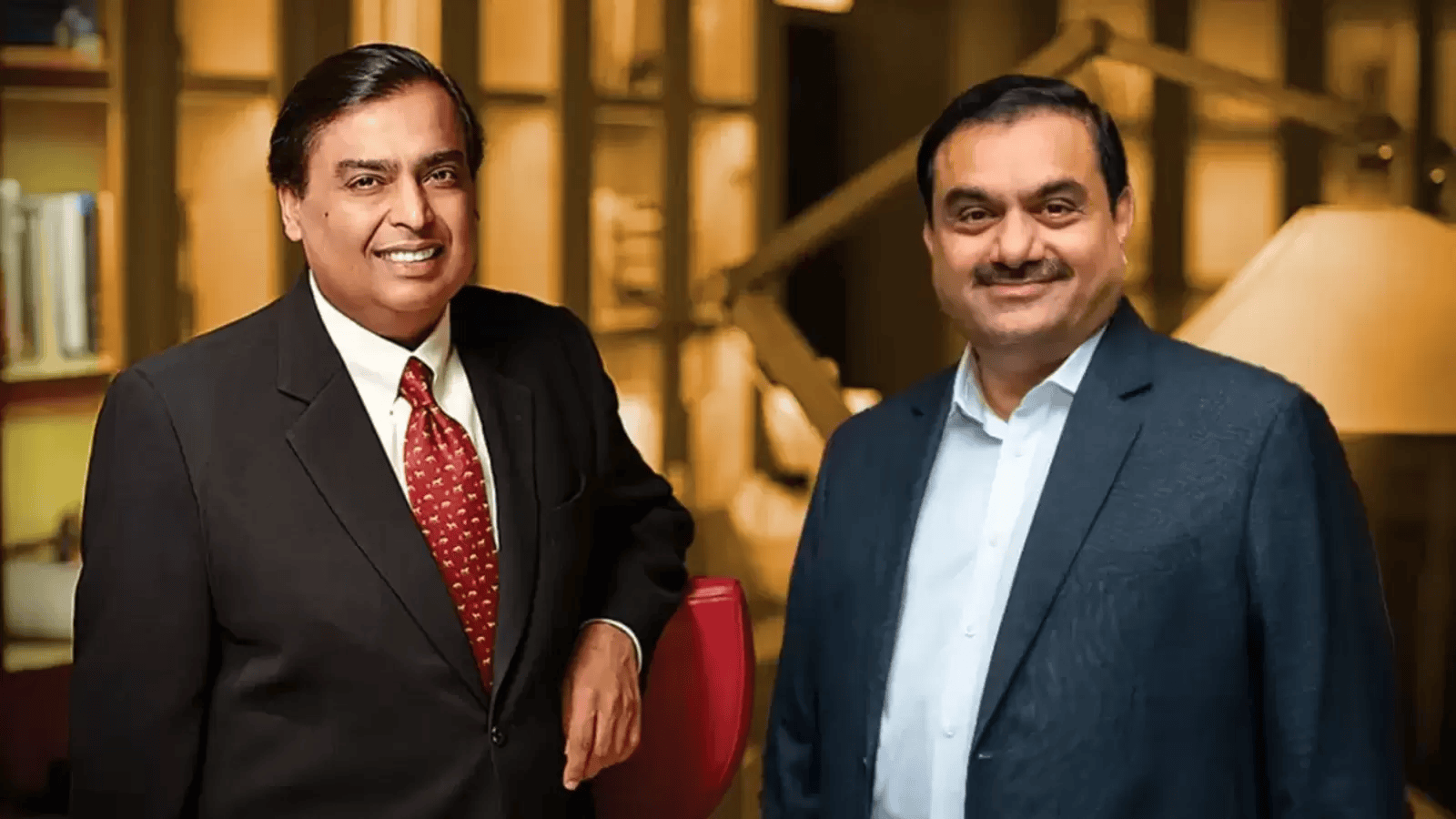
First telecom, then retail, and now, aluminium? Reliance Industries Ltd. is reportedly exploring an entry into aluminium production, months after rival Adani Enterprises Ltd. committed $11.5 billion to the same sector.
The interesting bit here is the coal connection. Reliance is planning a massive coal gasification project in Andhra Pradesh, and insiders suggest aluminium could help make that fuel commercially viable. It even bid for Odisha’s Karlapat bauxite block, though Vedanta Ltd. ultimately won it.
Should this move forward, Reliance would become the fourth major player in India’s aluminium space, alongside Vedanta, Hindalco Industries Ltd. and Adani. And that creates an intrigue: Are Ambani and Adani’s business empires slowly starting to collide more often?
The timing makes sense, too. India’s aluminium demand could jump from 6 million tonnes to 28 million tonnes by FY47, and current expansion plans still leave a supply gap. As one analyst put it, that gap “creates significant room for new investments”.
Is this just about coal-linked synergy, or a bigger strategic bet on India’s next commodity boom? Read the full report by Dipali Banka.
PLAIN FACTS | 10 years of UPI
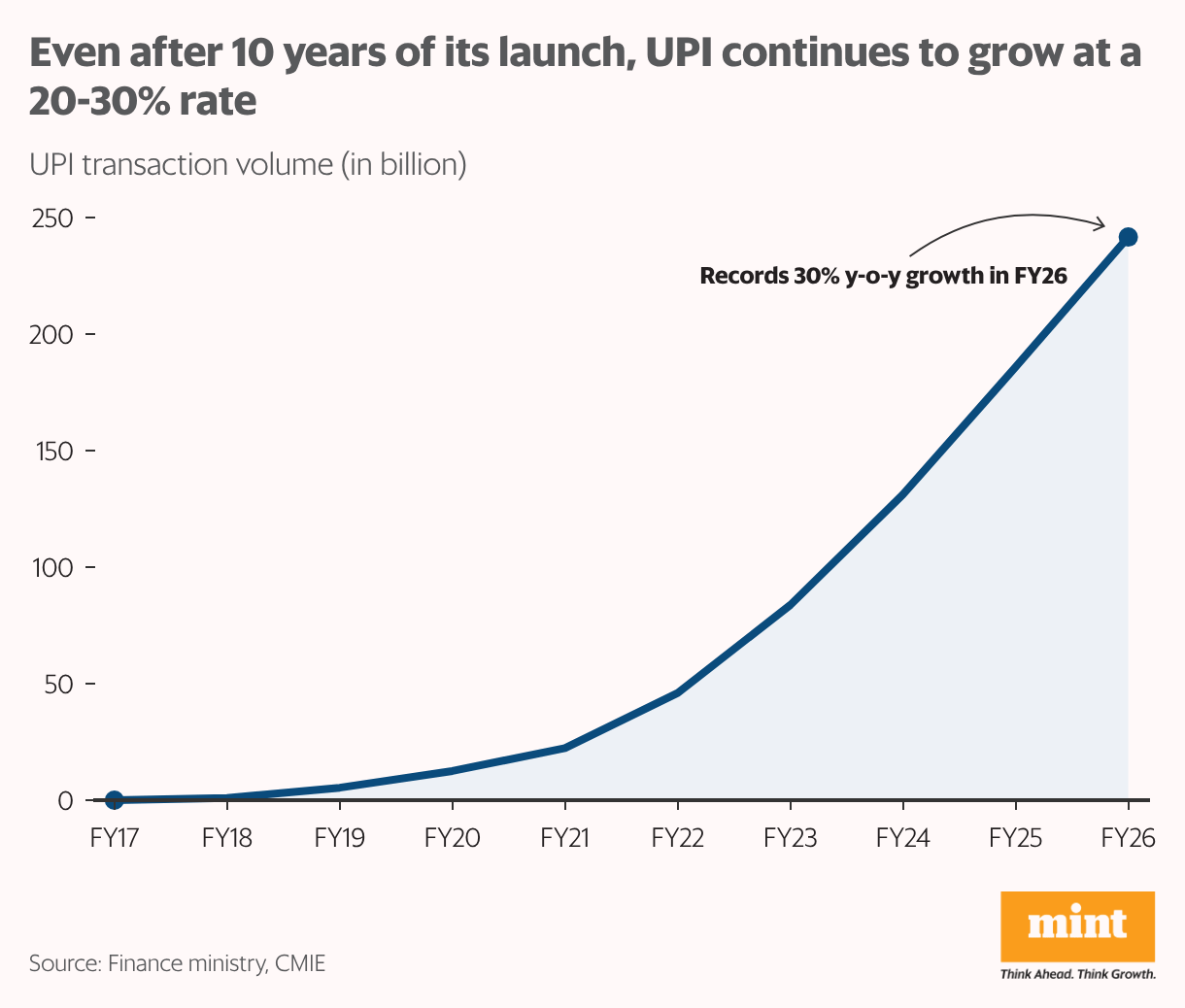
India’s Unified Payments Interface, or UPI, has completed 10 years since launch and continues to transform the digital payment ecosystem of the world’s most populous nation, growing at 20-30% even after a decade.
In June 2026, UPI accounted for nearly 84% of all retail payment transactions by volume and 58% by value. Against that backdrop, here’s a look at the UPI journey so far, and what lies ahead. Read more.
Foreign investors just pumped over ₹25,000 crore into Indian equities in August, the strongest inflow since September 2024. Sounds like renewed confidence. But not quite. India still ranks as Asia’s least-preferred stock market in a recent BofA survey.
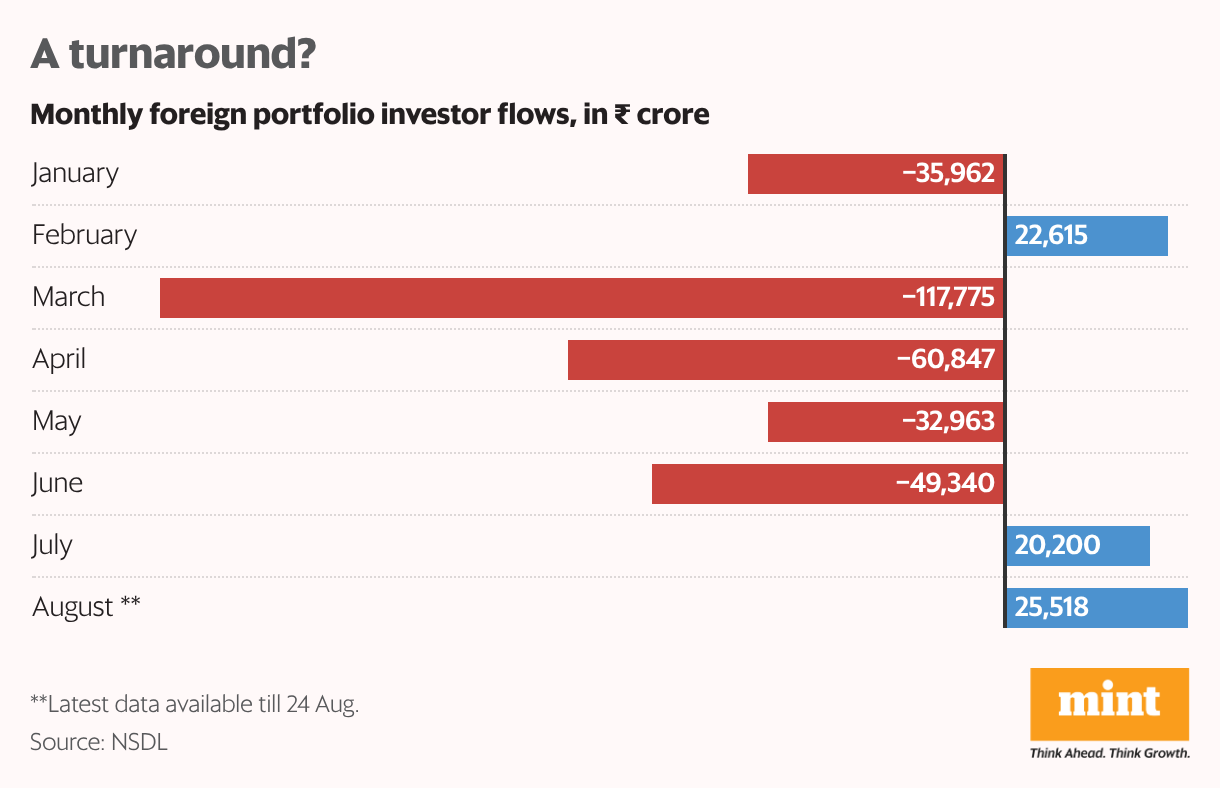
FPIs are being selective, favouring financial services, autos and consumer stocks, sectors where valuations have cooled below their five-year averages. At the same time, they are pulling out of capital goods, power and telecom, businesses more sensitive to rising global borrowing costs.
Strong Q1 earnings and a stable rupee helped, too but experts caution this isn’t a broad bet on India’s growth. With limited AI exposure remaining a key concern, is this genuine confidence, or just smart value-hunting? Read on.
Ever gotten a call from your bank, missed it, and tried calling back, only to fail? That’s a gap TRAI is now trying to fix. Banks want callback functionality on the 1600-number series used for transaction alerts, but telecom operators are hesitant, worried it could eat into their lucrative 1800 toll-free business.
Interestingly, this comes amid growing frustration too. Truecaller recently pushed back against TRAI’s rule barring these numbers from being flagged as spam, arguing genuine complaints are being ignored.
With over 1.15 billion calls originating from the 1600 series last quarter alone, the stakes are hardly small. Can convenience and commercial interests find a middle ground here? Read more.
A single leadership decision can shift an entire stock’s narrative. Vishal Mega Mart surged 10% after reappointing CEO Gunender Kapur through 2031, easing “key-man risk” concerns, before slipping 2% the next day.
Beyond leadership, fundamentals look genuinely strong: Q1 revenue jumped 19%, same-store sales grew 10%, and the company added 24 new stores in April-June. Margins held steady despite wage hikes, and its private-label portfolio, now 75% of sales, continues driving growth.
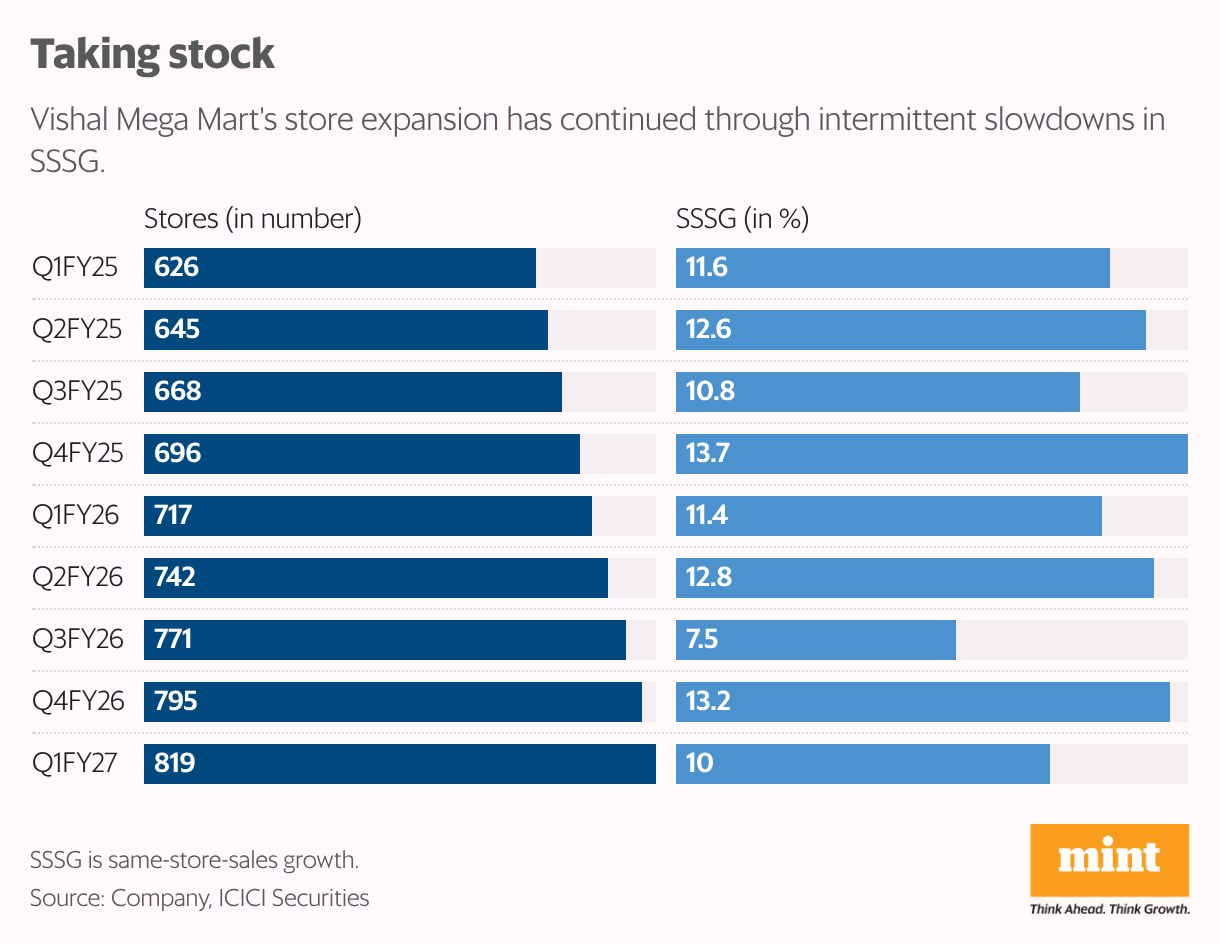
Still, questions linger. Promoter stake sales have cut holdings sharply, even as mutual funds and FPIs stepped in. With valuations now at 42X FY28 earnings, is this rally justified, or getting ahead of itself? Read on.
Why would a two-wheeler giant hire its CEO from a lighting company? Hero MotoCorp Ltd. did the same, bringing in five senior leaders from outside the industry over the past year, its biggest leadership shake-up since 2023.
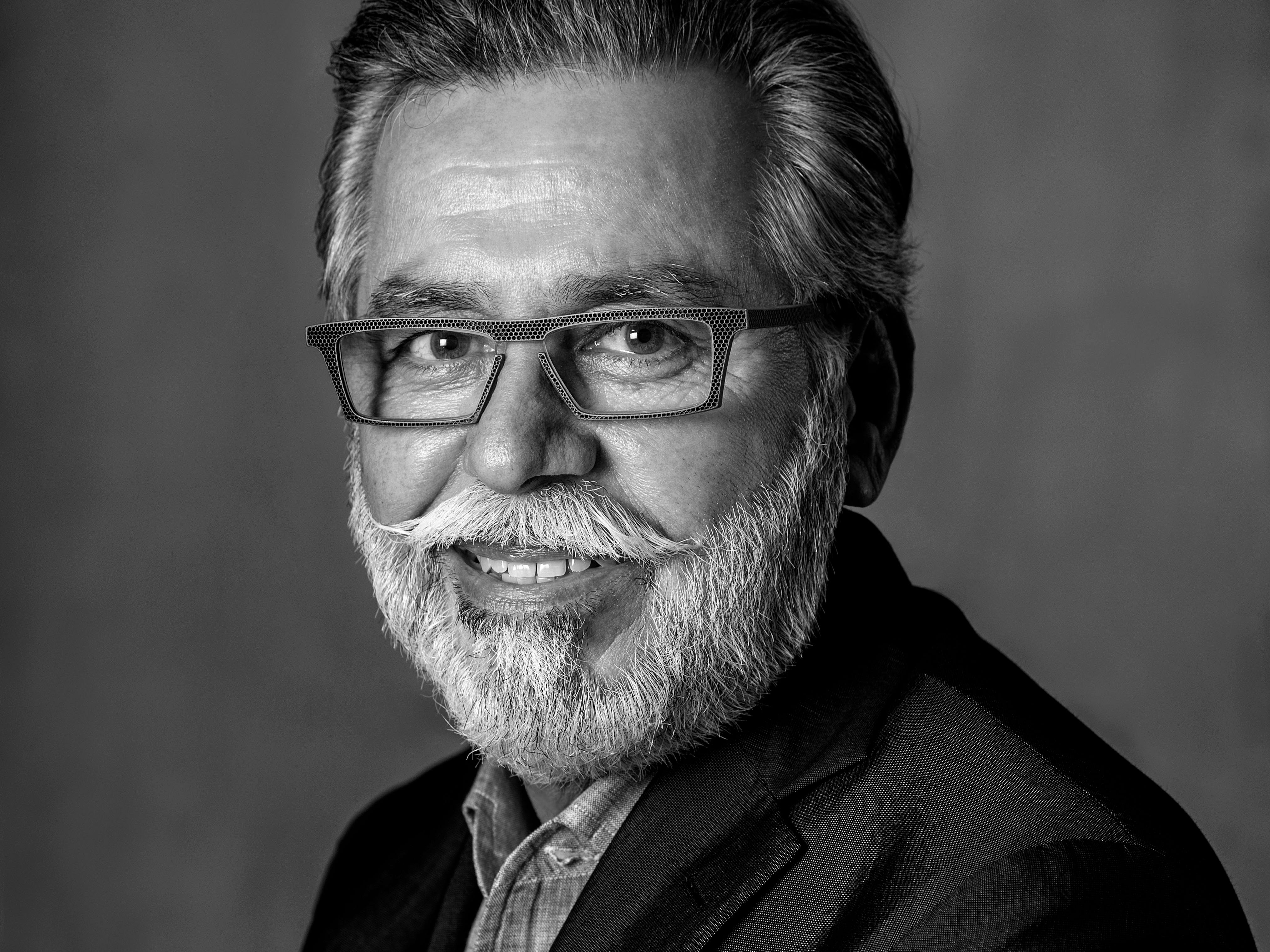
From EY-Parthenon to Volvo-Eicher to Mahindra’s EV unit, the new hires clearly signal one thing: Hero wants outside expertise for its EV and premium motorcycle push.
“It’s a deliberate move to import a capability the sector can’t yet grow from within,” noted analyst Amit Dakshini.
The bet seems to be paying off early: EV sales surged 196% in FY26, and exports grew 39%. Unlike rivals TVS Motor Co. Ltd. and Bajaj Auto Ltd., who have relied on decades-long leadership continuity, Hero MotoCorp is betting on fresh perspectives instead. Read more.
Tata Consultancy Services Ltd. just bought its own client Porsche’s IT arm—for $373 million, while landing a $1.45 billion IT contract. Turns out, this isn’t new. Wipro Ltd. did it with Olam, Infosys Ltd. with Telstra, even TCS itself did something similar with Citigroup back in 2008.
The pattern is to buy growth where organic expansion has slowed. And growth has genuinely slowed. TCS posted its first-ever revenue decline last fiscal, while Wipro logged its third straight down year. “These deals show desperation to buy growth,” HDFC Securities’ Amit Chandra said. Is this genuine AI-era strategy, or simply a shortcut dressed up in transformation language? Read on.
🔢 NEWS IN NUMBERS
₹300 crore
The additional amount contributed by IndiGo co-founder Rakesh Gangwal to IIT Kanpur’s Gangwal School of Medical Sciences, bringing his total commitment to ₹400 crore.
200,000
The approximate number of business and tourism visas the US government plans to revoke from individuals seeking asylum, according to an AP report.
$15,001-$50,000
The value range of SpaceX shares purchased by US President Donald Trump in June, giving him a financial stake in a major government contractor.
₹1,200 crore
The amount raised by high-end server maker Netweb Technologies through a qualified institutional placement to fund working capital requirements and support anticipated growth.
31%
The current approval rating for Washington’s military operation in Iran, marking the lowest level of support since the conflict began, according to a Reuters/IPSOS poll.
$37 million
The amount raised by Bengaluru-based autonomous delivery drone startup Airbound in a Series A round led by Greenoaks and other investors.
₹2,887.87 crore
The value of a 2.58% stake in Lenskart that SoftBank sold to investors including Goldman Sachs and Societe Generale through block deals.
howindialives.com
The warnings that came before a war now reaching the six-month mark
Why your boss wants to make sure AI can read your Slack messages
AI can’t solve retirement anxiety. That’s a job for financial advisors.
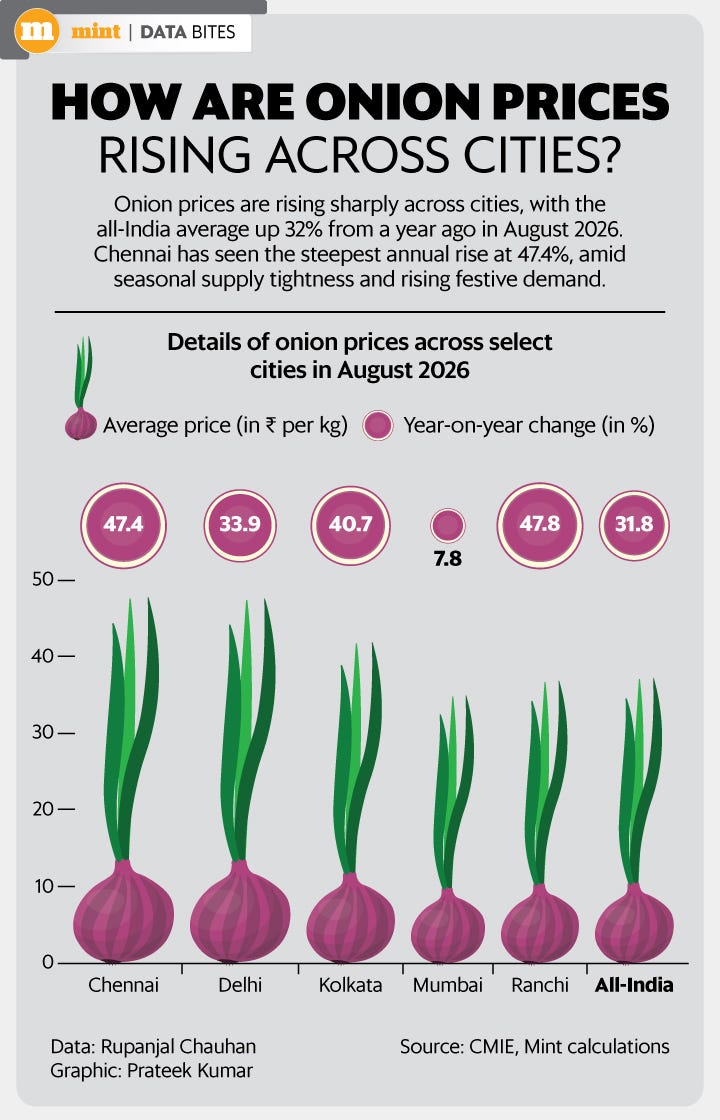
A weak gut has entered wellness conversations as the root cause for a number of health issues. Bloating? Heal the gut. Acne? Heal the gut. Low energy, poor mood, inflammation? Heal the gut.
Inevitably, packaged solutions have boomed: kombucha in sleek glass, kefir in pretty pours, sauerkraut in neat jars, probiotic powders and “microbiome-friendly” snacks that make good digestion feel like something one can outsource. Still, it will be wise to look into the Indian kitchen for traditional fermented food options Read more.
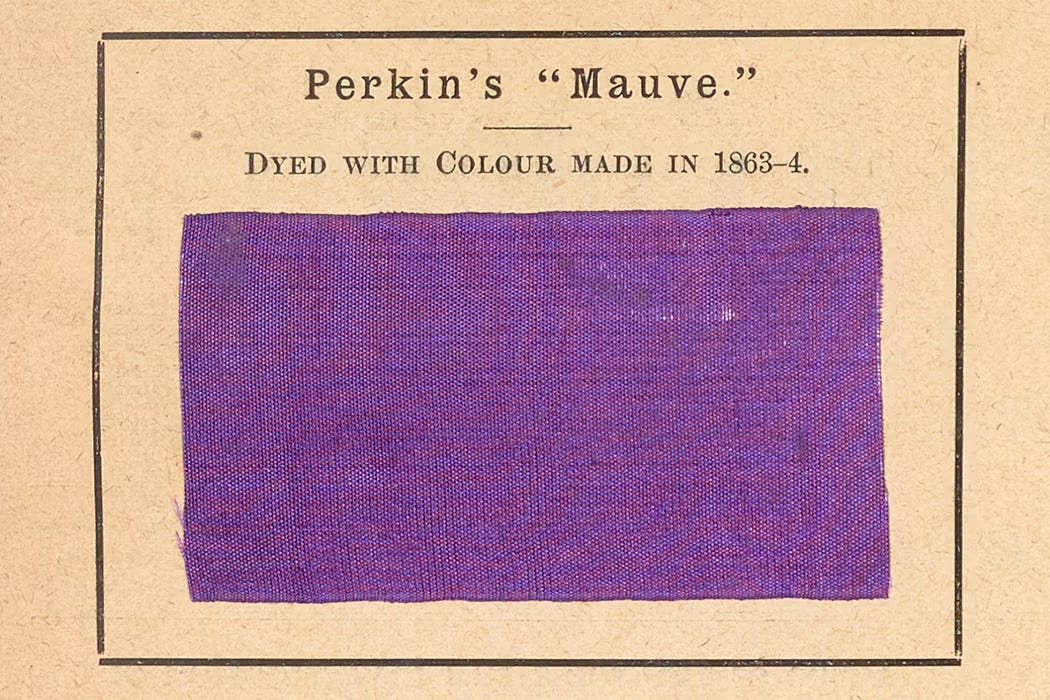
On this day in 1856, 18-year-old chemist William Henry Perkin patented the world’s first synthetic dye while attempting to create a malaria treatment. The accidental discovery, later named mauveine, made purple clothing affordable for the masses, sparked a “mauve mania”, and laid the foundation for the modern synthetic dye and chemical industries.
Comments
Nothing yet. Say the first thing.
Sign in to join the conversation.