
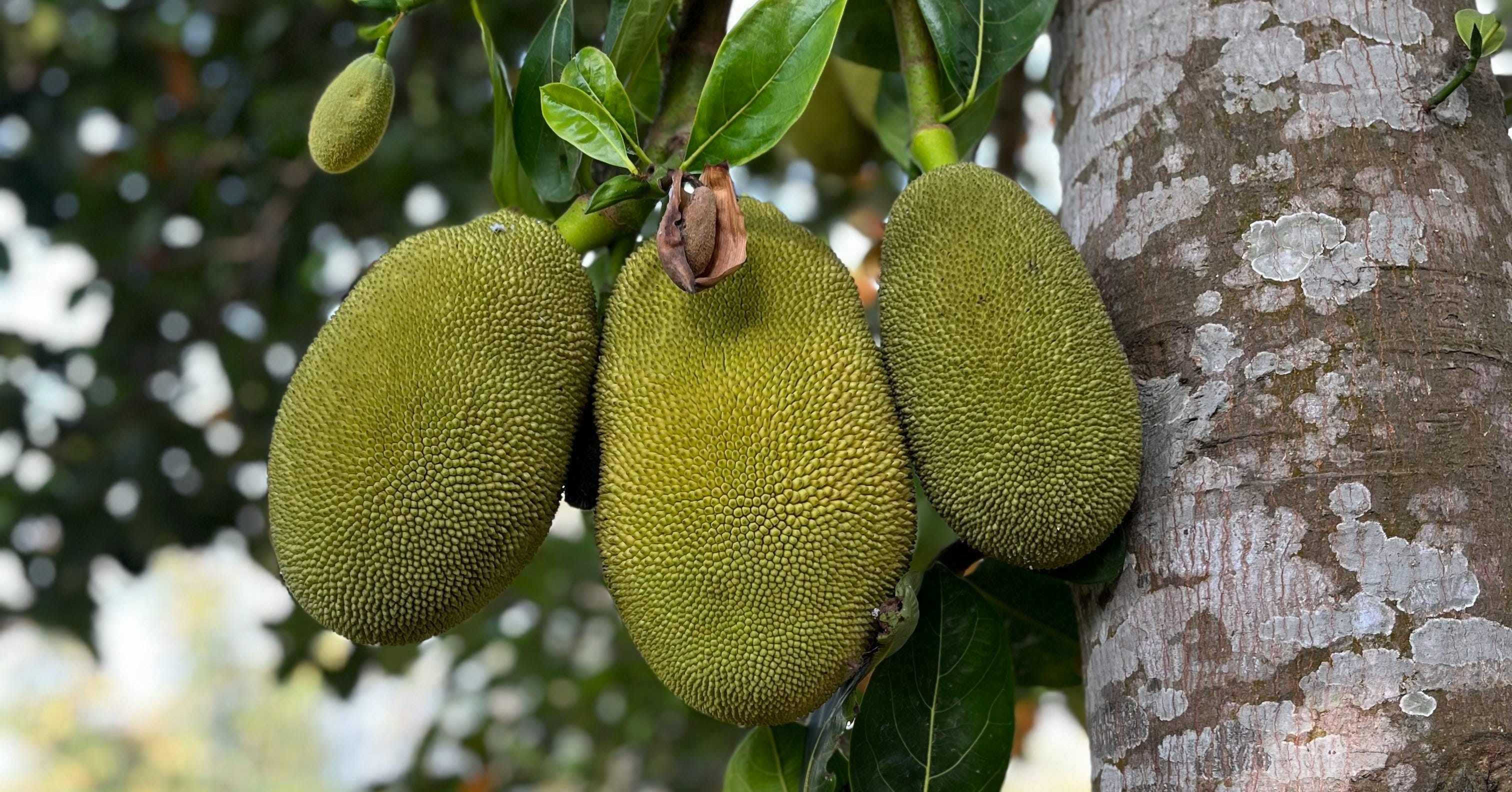
Since I first encountered the jackfruit at age 3 in my grandmother’s garden in Chennai, I’ve been intrigued by the ungainly monsters. Until then, in the UK, trees I’d come across tended to be well-behaved and strait-laced with a predictable canopy on top, but here were trees with massive fruit sprouting untidily from everywhere, all the way to the base of the trunk, spiky fruit that seemed to poke me back when I curiously jabbed them. My mother would tell a story (in hindsight, much embellished) about the time she and her grandparents were stranded—and overcome by the fruit’s creeping, overpowering smell—in Panruti in Tamil Nadu when their car hit a stray jackfruit on the road and got a flat. This fruit, delicious to boot, just seemed like a superstar, even though no one at home shared my excitement because cutting it open and prepping it was a trial.
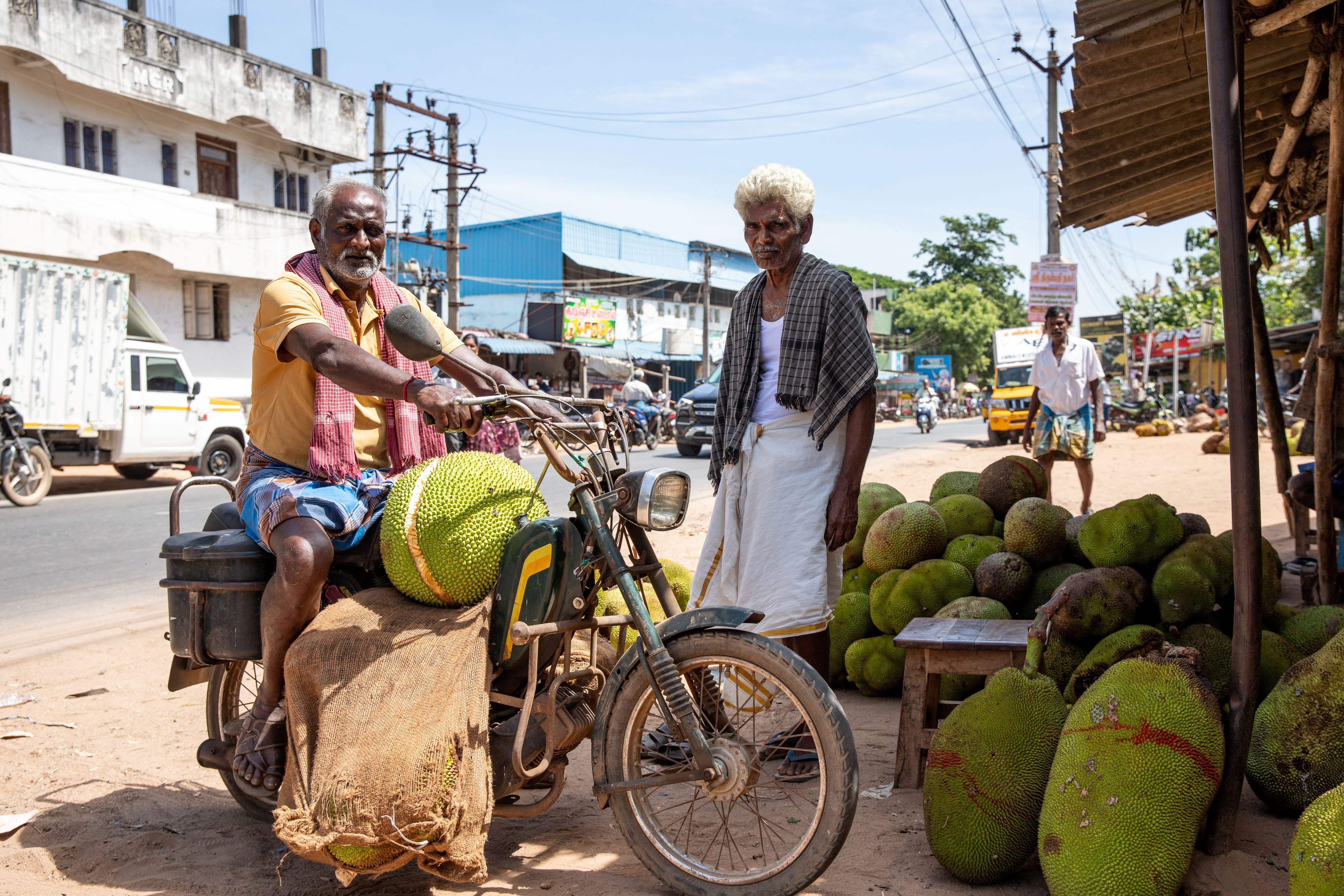
Over time, the trees in that garden were cut down and I forgot about it all—until I began reading news reports of deaths caused by ripe jackfruit falling on people’s heads. Tragic as this was for the victims, it seemed like more superhero behaviour. Then a few years ago, versions of jackfruit began appearing on menus as chefs sought local, seasonal, unusual ingredients to stand out from the rest. Here it was, a superstar again, worthy of a story.
So, for Lounge, Sowmiya Ashok patiently drew together the threads of the jackfruit’s journey from orchards in Panruti—one of the few towns where it is grown all year and which has GI tagged its jackfruit—to the plates of fine-dining restaurants. The jackfruit is extremely versatile, its taste and texture changing throughout its life, making it the kind of ingredient chefs love to experiment with. I’ve been waiting to publish this story and I’m hoping you’ll enjoy it as much, and maybe order jackfruit tacos or stop by a street vendor for a few slices of sweetness.
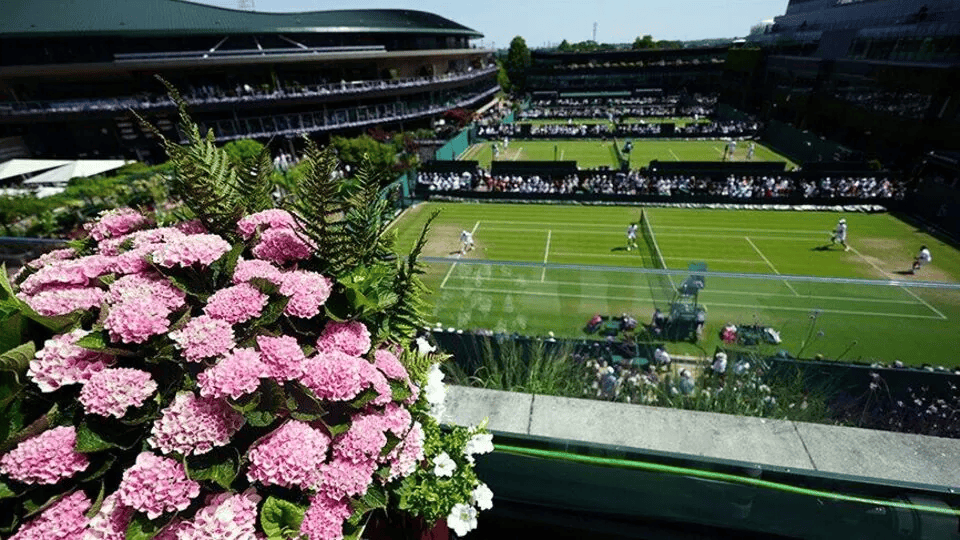
Rahul Jacob’s dispatches from Wimbledon for Lounge have been giving me FOMO. Apart from the superb tennis—the brilliant Djokovic in the men’s quarterfinals and Muchová’s march to the finals—the grounds of the All-England Tennis Club itself are the perfect setting. They are green and calm with pops of purple, white and pink, flowers cared for by a team of 28 gardeners. I think I took more photos of the grounds and gardens than the tennis last year. Since most people watching on TV rarely see the beauty of this garden, Rahul wrote a piece for us about the other stars of Wimbledon—the flowers. Read more.
For all the breathtaking goals being scripted at the World Cup, how is it that players are fluffing their lines when they have to take penalties? Is it nerves, or are they overthinking and complicating a simple thing?
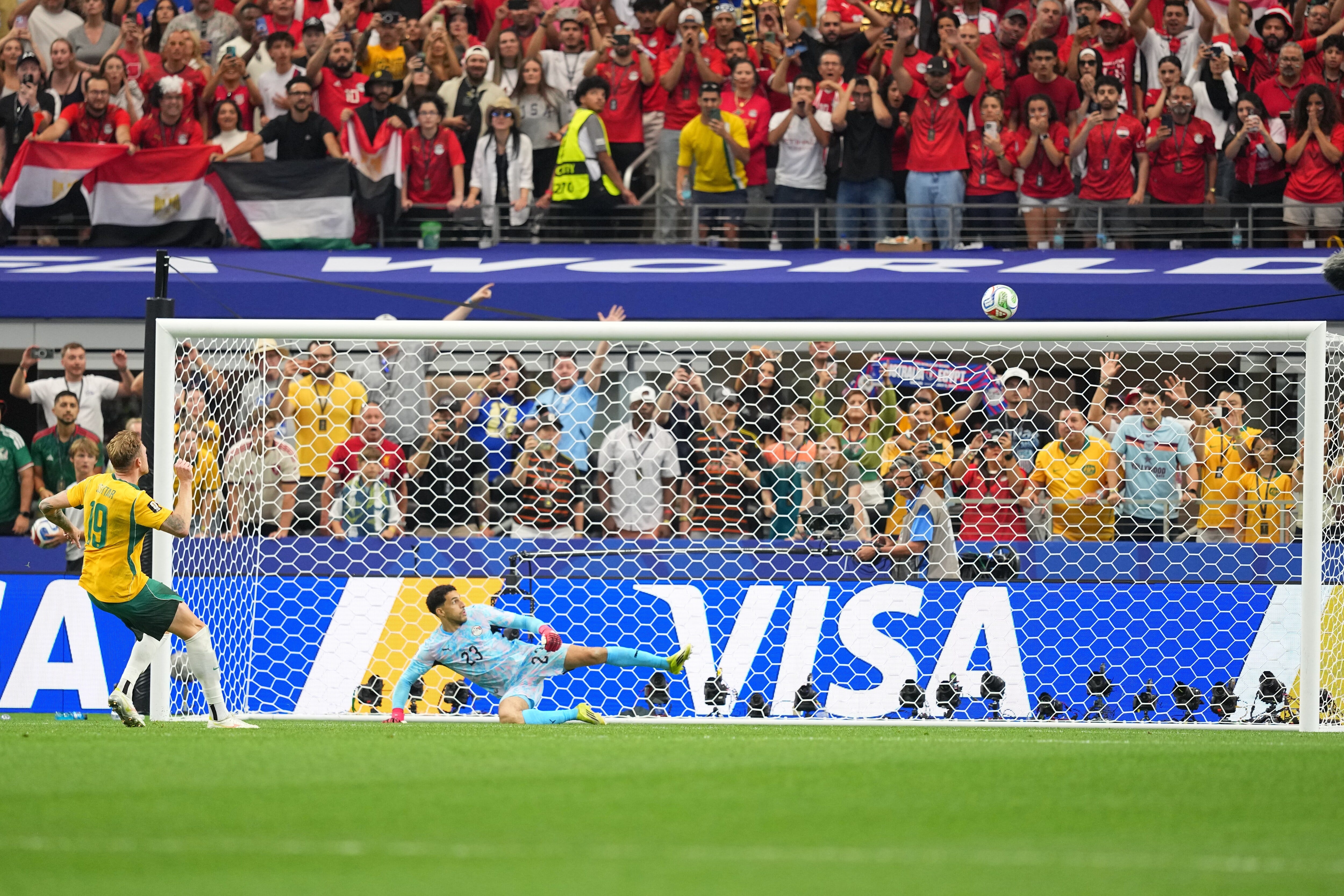
Earlier this week, Messi became the only player to have missed two penalties in one World Cup. Germany, who have not lost on penalties before, missed three out of five to be dumped out by Paraguay in the round of 32.
Being able to score when a match goes to a shootout is an essential skill. With reams of data available now on the historical penalties taken by a player, goalkeepers don’t rely only on instinct and visual clues but instead on patterns, writes Rudraneil Sengupta. Read more.
If you hate the leg press, you might want to consider the goblet squat. It has a host of advantages over the leg press, and doesn’t require you to wait until someone frees up the machine.
The goblet squat is a single equipment exercise that can be done using a plate, a kettlebell or a dumbbell and corrects your form, while giving your abs a solid workout. Despite its reliance on the lower body, the constant bracing of the core due to weight being held in front of the body torches the core muscles over 10-15 quality reps. It is a great way to break the monotony of doing crunches and knee-raises in an abs routine, writes Pulasta Dhar. Read more.
Legally Blonde (2001) wasn’t just a film about a fashion-forward sorority girl who defied stereotypes while acing law school. Reese Witherspoon’s pink-loving Elle Woods grew into one of pop culture’s feminist icons, making a powerful case that authenticity is the real marker of success.

Twenty-five years on, Amazon Prime Video has released a prequel, Elle, in which Lexi Minetree plays the teenaged future Harvard lawyer. Set in 1995 grunge-era Seattle, Elle is still wearing pink—but in a range of shades that takes forward the story of an emotional teen trying to her feet.
Pooja Singh speaks to costume designer Sara Byblow about using fashion to mirror Elle’s emotional arc, while drawing on archival 1990s looks, custom pieces and contemporary silhouettes. Read more.

In his new film, Baby Do Die Do, director Nachiket Samant (who has co-written the film with Jasmeet K. Reen and Parveez Shaikh), throws together noir, graphic novel aesthetics, Mumbai life, romance, real-estate politics, action and revenge drama in a potent mix. Yet the film, starring Huma Qureshi as a poker-faced, deaf and mute assassin, doesn’t explore any one idea fully enough to resonate with the viewer.
Baby Do Die Do has atmosphere and a wonderfully textured Mumbai, but its most intriguing ideas and killer premise never quite land, writes Udita Jhunjhunwala in her review. Read more.
Shalini Umachandran is Editor, Mint Lounge.
No posts
Comments
Nothing yet. Say the first thing.
Sign in to join the conversation.