
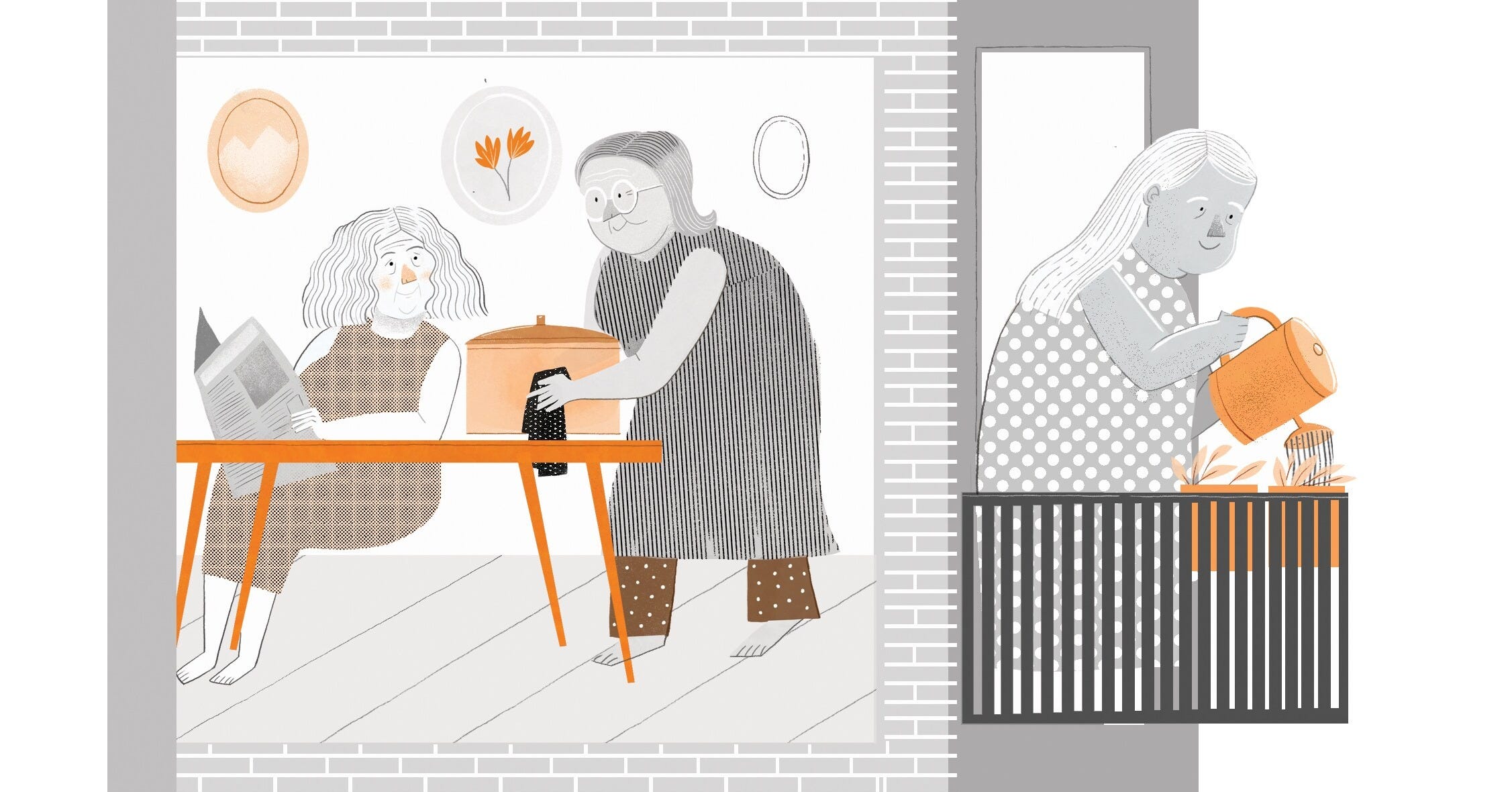
It would take a philosopher or an academic to explain this more fully but the ancient Greeks had separate words and categories for different kinds of love, understanding that each relationship evokes a distinct set of feelings. But pop culture, social media and modern politics has largely flattened this into one—romantic love, and mostly between a man and a woman. What if, like those choose-your-own-ending children’s story books of the ’80s, a family could include anyone, and we didn’t have to imagine the family unit as the one recognised by law, imagined by cinema and art, celebrated by books? What if we could grow old with our girlfriends and dogs, all living in the same house or apartment block, independent yet together, sharing chores, caregiving, laughter, books and wine? It’s a different kind of family, one based on care and responsibility. And it’s not that radical—because some people are already doing it.
This week, for our cover story, Avantika Bhuyan meets the people who have reimagined the household itself—who lives with whom, how a chosen unit functions day to day, and how permanence is created. Some of them are single, some are co-parenting a child even if the adults themselves are not in a relationship, but all of them have inverted the idea that family has just one meaning and proved that we can escape the confines of one kind of love.

From Mumbai to Hyderabad to Mysuru, cacao bars and cafés are turning speciality drinking chocolate into a craft beverage. Café owners are talking about terroir, technique and theatre, adding all manner of podis, spices, fruits and flavours to the comforting staple. If you walk into one of these bars, you could find a Hazelnut Praline Latte, a Pistachio Matcha Latte, or an Iced Tiramisu Latte, all made with speciality chocolate and crafted the way a barista makes a flat white, except the base isn’t espresso. It’s melted Indian craft chocolate. Read more.
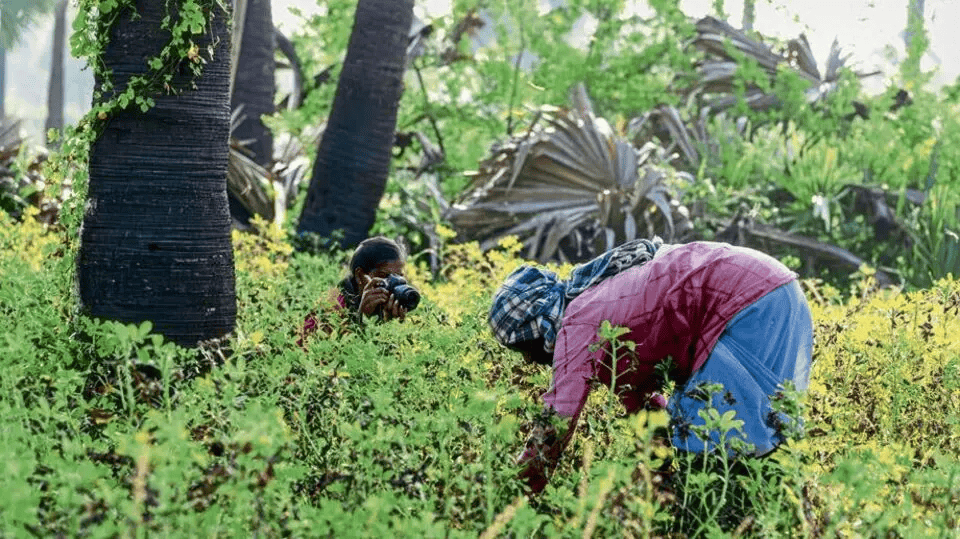
In Chennai, Kavitha Muralidharan met the photographers behind People’s Photographers Collective who are equipping marginalised youth with cameras and training the next generation of local journalists to report on their own communities.
The collective, founded by documentary photographer, Palani Kumar, has done workshops with students from Class 9 upwards in villages in Ramanathapuram, fishing hamlets in Nagapattinam, sanitation workers’ colonies in Madurai, Dalit neighbourhoods in Chennai and tribal communities in central India. Many of these young people have gone on to become journalists, trainers, filmmakers and storytellers. Read more.
India’s smartphone market has been animated by churn. New models arrived in quick succession, each promising a sharper camera, a faster processor, or a brighter display. Indians responded eagerly and would replace their phone every 18-24 months. Not anymore. The replacement window now stretches to 36 months and beyond, and the slowdown is visible in shipment numbers and pricing trends.
One reason could be rising prices but it also has to do with consumer behaviour, writes Abhishek Baxi as he explores why Indians aren’t as quick to fall for sales pitches and replace their smartphones within two years. Read more.
The bench is one of the most crucial pieces of equipment for weight training. While it can be used for the back, biceps and legs, its primary use is for chest workouts. It’s very rare for a gym to not have a bench, but in case it’s being used or out of order, it doesn’t mean that chest day has been wasted. In fact, it might be a good idea to give your chest muscles a different kind of stimulus which isn’t over reliant on availability of a bench, writes Pulasta Dhar, while explaining how to get the benefits of the bench press even without the equipment. Read more.

Why has the dream of Digital India made our country vulnerable to frauds? Much of it lies in the history of how India’s digital infrastructure was created, and the fact that online India is highly centralised.
In 2009, Aadhaar was proposed as a solution to track population for security purposes as well as make sure every person in the country has access to government services. Today, most basic services, public or private, demand an Aadhaar card.
In this excerpt from Bharat Bluff, Soumya Gupta explains the dangers of this extreme centralization of data and how it makes citizens more vulnerable than ever to scams and identity theft. Read more.
The Indian corporate workforce is becoming more health aware, but also more metabolically fragile—people may appear healthy but are at risk of obesity, diabetes, insulin resistance, high cholesterol and cardiovascular disease due to stress, poor diets and irregular lifestyles. Yet, the corporate sector promotes wellness trends that involve diets, intermittent fasting, drastic calorie reduction and detox programmes even though modern corporate life itself makes it challenging to sustain the diet plans that the company recommends for its employees, writes Namita Jain. Read more.
Shalini Umachandran is Editor, Mint Lounge.
No posts
Comments
Nothing yet. Say the first thing.
Sign in to join the conversation.