

Late last year, a friend took her pre-teen twin boys on a road trip to Goa, but their aim wasn’t to see the beaches or the forts and churches. The boys are avid chess players and fans, and they wanted to meet their heroes in real life at the FIDE World Cup, which the state was hosting for the first time. Goa’s known for its passion for football but over the last few years, the state government has been actively promoting all sorts of sports events at both the domestic and international levels. Their intent though is the revenue that comes from hosting such large-scale events rather than nurturing sports itself, as Arun Janardhan reports for Lounge. A lot of infrastructure is being built, which comes with its attendant problems of pollution, habitat destruction and of course, overtourism, which Goa is already grappling with.
There’s a game plan: It’s a calculated gamble as foreign tourists—whose more laidback approach to vacationing suited the tenor of Goa—numbers drop and more Indians visit the state. Indian visitors seek more because the sun is not really a novelty and lounging, without activity, requires patience. Hence, hospitality, events, concerts and other options are needed to keep them coming back. We take a look at what this would mean for a small state that’s already facing a number of environmental and other challenges as well as pushback from locals against tourists.

On a similar note, we also took a look at that dedicated community of independent streamers are who transforming F1 fandom across India, even as mainstream TV channels ignore the sport. Creators turn their living rooms into studios and stream commentary, either live or after the race, racking up views, follows and fans for the sport itself.
This independent and hyper-lucrative creator economy is rewriting the rules of sports monetisation, localisation and fandom for F1 in India, writes Abhishek Baxi.

The monsoon in the northeast brings a host of new and unique flavours to kitchens in the region, which capitalise on the narrow margin in which bamboo is sweetest, the ferns are freshest, and native limes and wild ginger shoots sharpest. From crabs and frogs to wild mushroom and jackfruit seeds, the ingredients are diverse and home cooks, chefs and gourmands await this season, writes Rituparna Roy. Read more.
Most people who exercise five-six times a week believe regular workouts counter the effects of alcohol, and, in fact, a delicious cocktail can feel like a reward for the week’s hard work. But alcohol undoes the benefits of exercise: it hampers muscle repair, leaves you dehydrated, affects sleep, slows metabolism, and strains your liver.
Doctors, various peer reviewed scientific studies, and fitness experts confirm that an active lifestyle and being fit are no antidote to the risks of alcohol. So forget the research from the last decade about a glass of wine being good for the heart or brandy as a remedy for the flu, writes Shrenik Avlani, though if you must drink, keeping it light and occasional is the way to go. Read more.
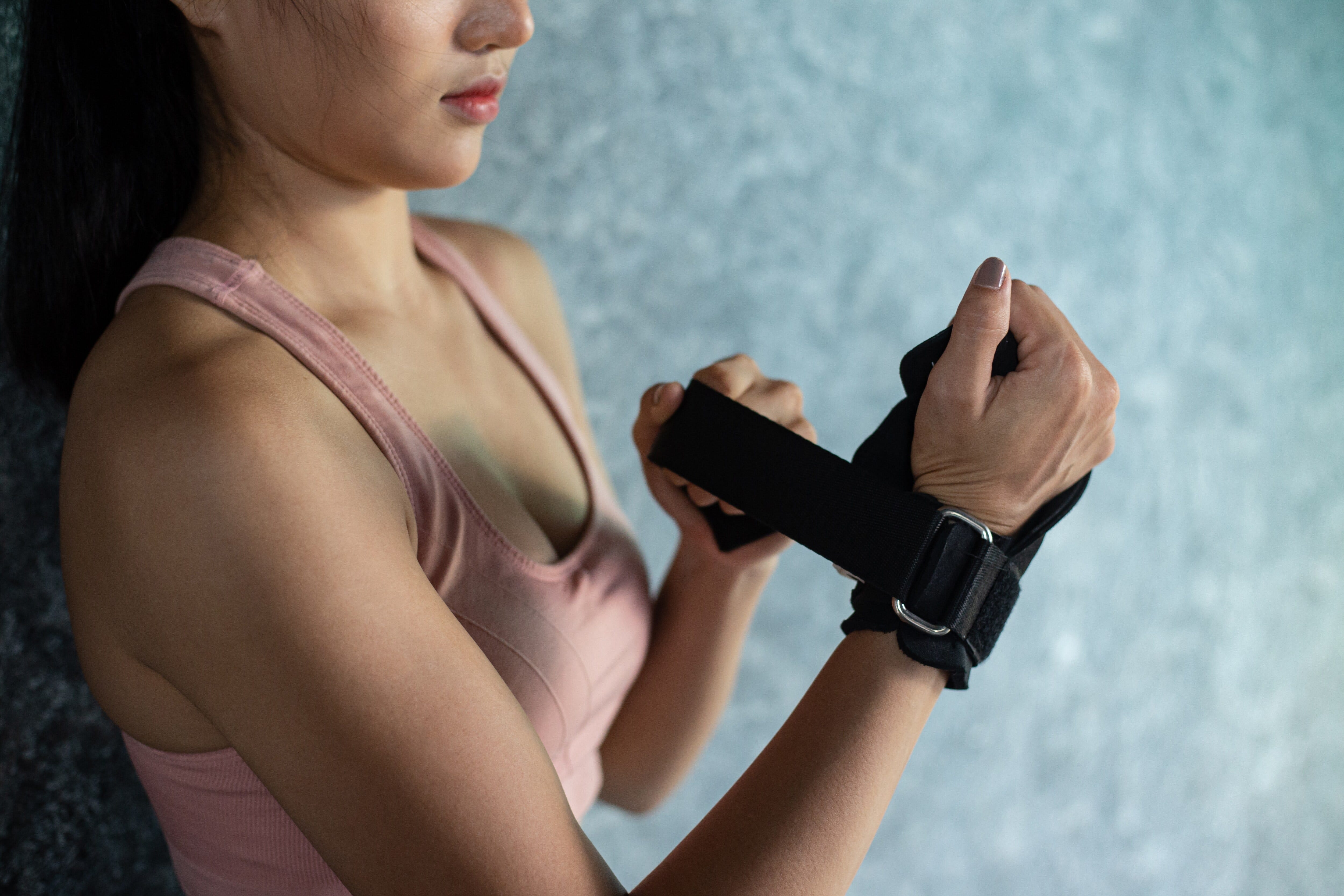
There’s no doubt that the knees and shoulders get the prize for the most attention-seeking joints, but there’s an overlooked joint that’s just as important.
The wrist, which takes the body’s weight in something as simple as the first pushup, is not just important in the gym. It is also one of the most functional joints for daily activities such as using a laptop, picking up a coffee cup or swiping your phone, writes Pulasta Dhar, while explaining which exercises can strengthen these hardworking joints. Read more.
For all the boardroom certainty about the importance of people in the office, the set-up itself is a recent invention, just about 300 years old. And now, the office is in retreat. Global attendance sits 30% below pre-pandemic levels, and companies are shrinking their footprint.
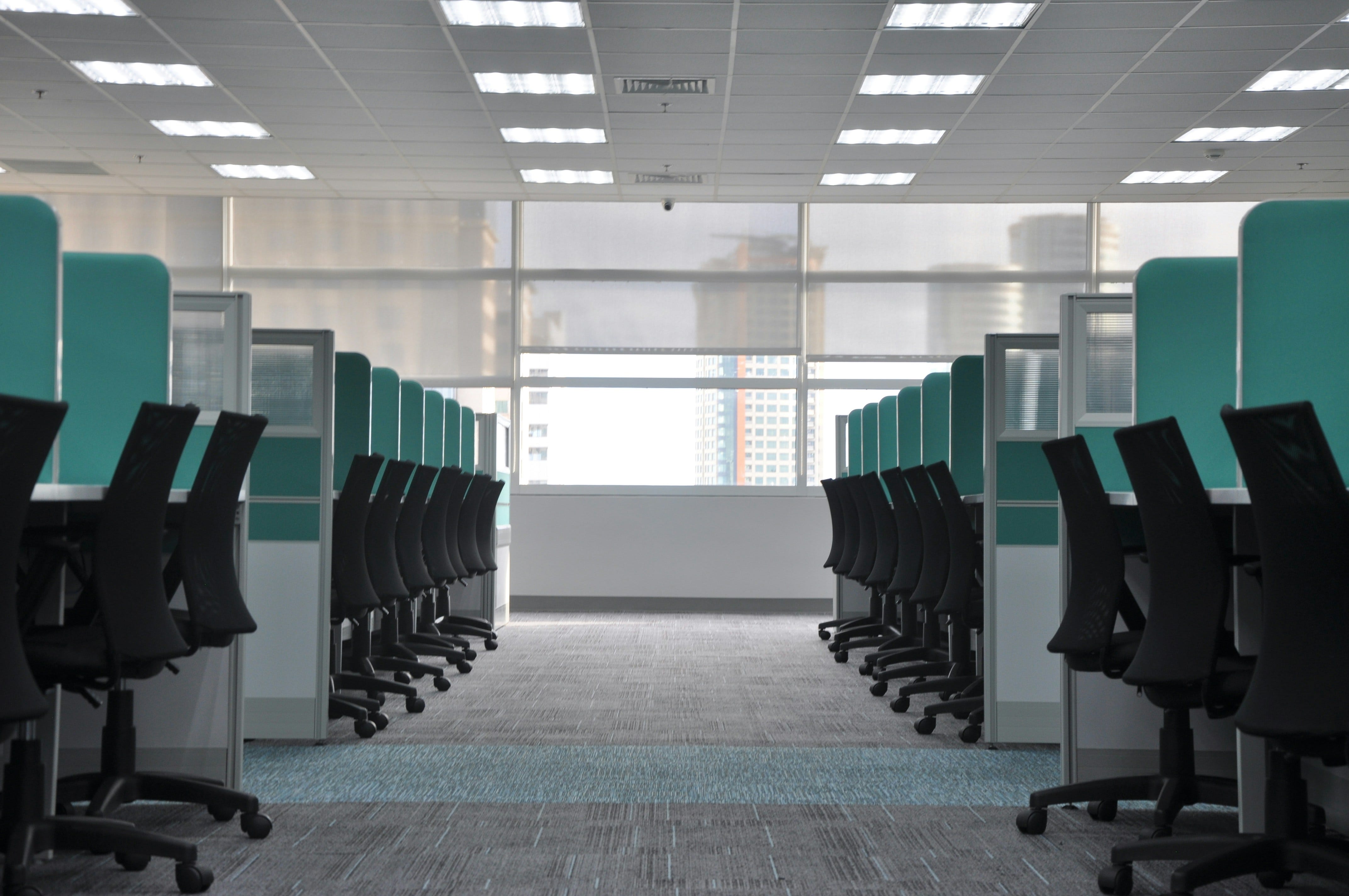
Three forces are dismantling the office set-up, write Saurabh Mukherjea and Nandita Rajhansa. First, technology has become cheaper and more accessible—think Zoom calls, and a host of other technology-based services that can be used for work at home. Two, knowledge workers prefer flexible or hybrid hours, which give them a better work-life balance and cuts their commute. And finally, AI is emptying the office, replacing the people who used to do a bulk of the jobs.
Yet, CEOs refuse to accept and adapt to this reality. Read more.
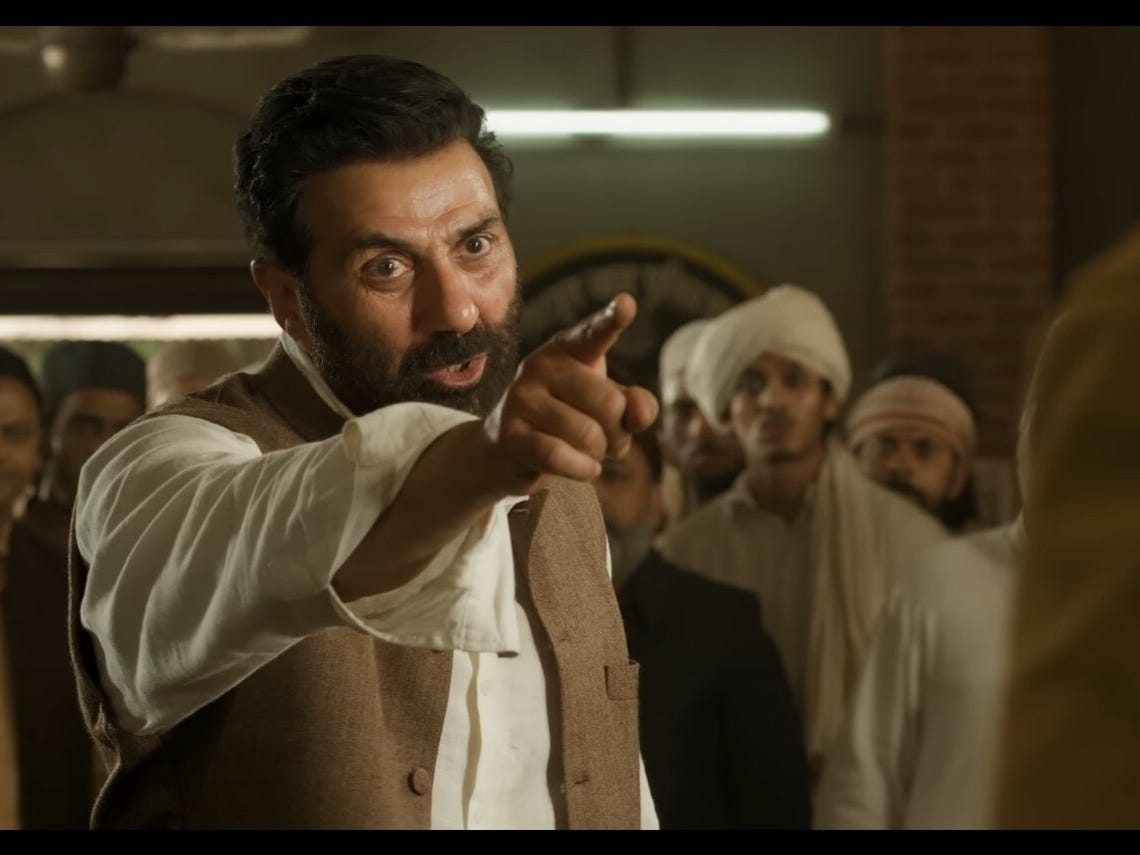
It’s been out a week, one of the big releases for the Independence Day weekend, but Rajkumar Santoshi’s Batwara 1947, about Muslim refugees from India in Lahore after Partition, has neither the curiosity nor courage to break new ground and be an engrossing Partition film, writes Uday Bhatia.
There have been a number of Hindi films and series about Pakistan this year. Ikkis considers it with warmth, Border 2 and Dhurandar: The Revenge with disdain, Main Vaapas Aaunga with wistfulness, Operation Safed Sagar with curiosity. Batwara has nothing to say. Read more.
The nervous system receives information from its surroundings—light and noise influence alertness and sleep, while temperature and air quality affect the way one feels in a space. This is a principle that wellness retreats consider while designing their spaces.
Treatments alone aren’t enough to rejuvenate people, the space also has to feel restorative and that’s achieved through design, and this feeling of wellness through interior design can be replicated at home, too, writes Anushka Patodia. Read more.
Shalini Umachandran is Editor, Mint Lounge.
No posts
Comments
Nothing yet. Say the first thing.
Sign in to join the conversation.