
Wide release: Available for free by August 12, 2026, on Apple, Spotify, YouTube, etc.
Not medical advice.
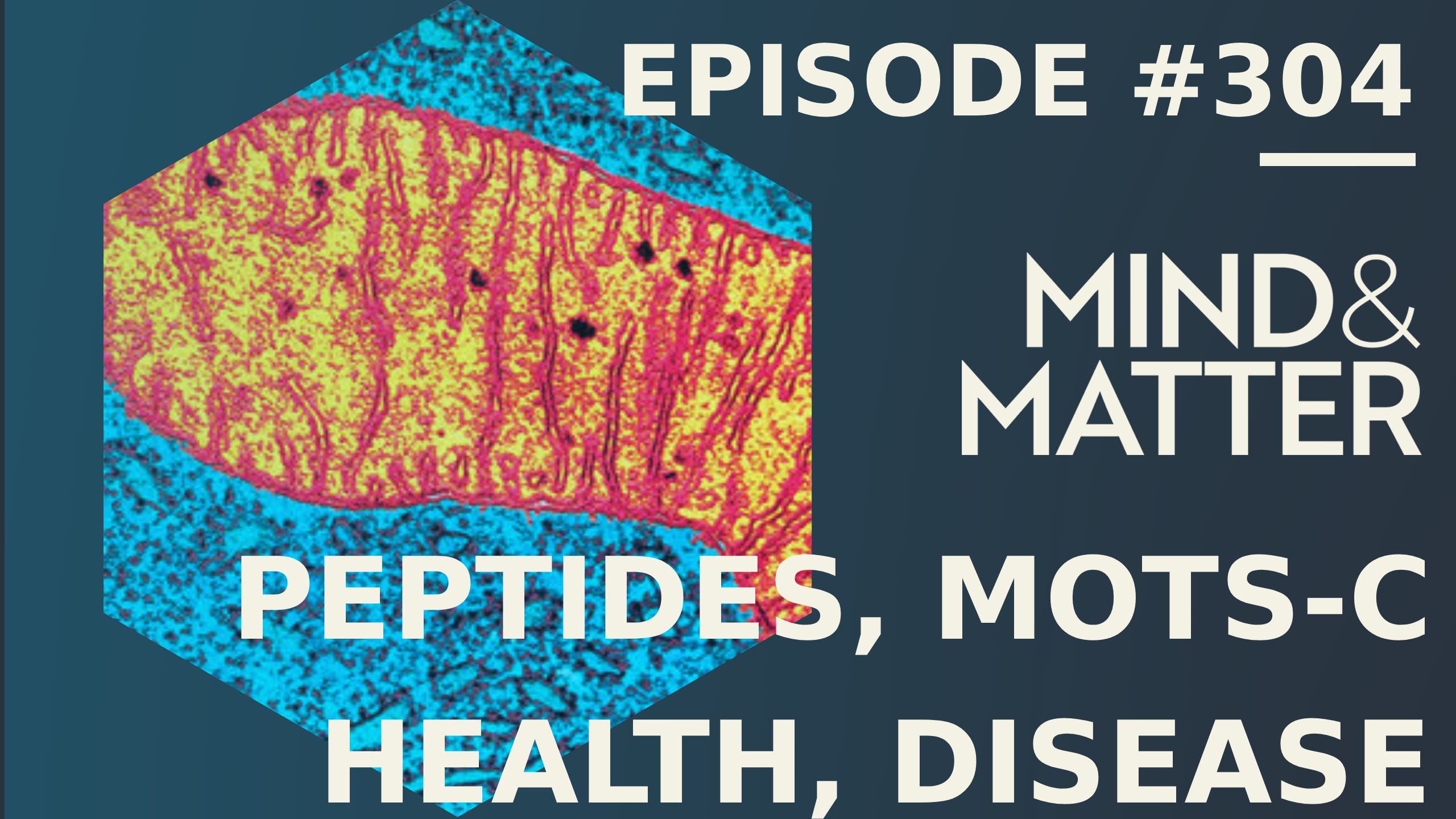
Nick speaks with Dr. Pinchas Cohen about mitochondrial-encoded microproteins, including humanin and MOTS-c. Cohen discusses how these small peptides regulate metabolism, muscle mass, innate immunity, and neurodegeneration, and how natural genetic variants influence disease risk and longevity across populations.
TOPICS DISCUSSED:
Mitochondria Beyond ATP: Mitochondria act as signaling hubs that regulate cell fate, innate immunity, and inter-organ communication.
Hidden Genes in “Junk” DNA: Small genes in mitochondrial and nuclear DNA encode functional peptides overlooked by classical genomics.
Humanin Discovery & Function: Independently identified by multiple labs; binds several receptors and shows neuroprotective and metabolic effects.
Centenarian Humanin Variant: A specific peptide variant is highly enriched in Ashkenazi centenarians and appears to neutralize APOE4-related cognitive decline.
MOTS-c as Exercise Mimetic: Induced by exercise; preclinical data show muscle preservation and metabolic benefits; limited human trial data exist.
Ethnicity-Specific Variants: Genetic studies reveal “thrifty-gene” variants (e.g. MENTSH) that were adaptive historically but raise diabetes and obesity risk today.
Peptides vs Small Molecules: Naturally occurring peptides may offer favorable safety profiles within physiological ranges, though most require injection.
Emerging Regulatory Landscape: FDA compounding recommendations and voluntary registries aim to improve safety data collection for peptides such as MOTS-c.
ABOUT THE GUEST: Pinchas Cohen, MD is Dean of the USC Leonard Davis School of Gerontology. An endocrinologist by training, he leads research on mitochondrial microproteins and their roles in aging, metabolism, and neurodegeneration.on mitochondrial peptides in aging, metabolism, and neurodegeneration.
RELATED CONTENT:
Article | Metabolic Stress & the Peptide MOTS-c: How Much is Too Much?
Podcast | MOTS-c & Mitochondrial Peptides in Health & Aging | David Lee
KNOW YOURSELF:
Visit the SUPPORT PAGE if you find value in this content. Includes discount codes + links to affiliate partners, including products to help you measure and manage your health.
Listen or watch on your favorite platform:
PRACTICAL TAKEAWAYS:
Endogenous MOTS-c rises with exercise; trained individuals show higher circulating levels than sedentary ones.
Unregulated “research-only” peptides often contain inaccurate doses or zero active compound; purity and sterility risks are real.
When the science supports it, combining muscle-preserving agents with GLP-1 therapies is a rational direction, though long-term human data remain limited.
Observational data link “Mediterranean diet” patterns with higher levels of certain mitochondrial peptides; causality is not yet established.
SUBSCRIBER CONTENT BELOW: Reference paper + episode transcript.
Comments
Nothing yet. Say the first thing.
Sign in to join the conversation.