
“Life intervenes,” my old friend the late Eva Tucker used to say when she explained why she hadn’t written more. It has certainly intervened this month, I haven’t confronted the vital cemetery scene in my new novel, Half a Century. I intended to have finished the first draft of my novel by now but instead I’ve left my characters in limbo, in suspended animation, nudging me in the early morning but abandoned in daylight like hungry ghosts. I write in the mornings or not at all - this is a habit of so many years that I don’t think I could change it. When I was working it meant getting up very early, like most writers, and sticking to a rigid routine before I had to go to work. Now I do have the luxury of time but do I write more? Nope. I chat, go for a walk, listen to music, swim and, above all, read.
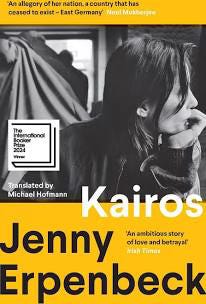
Jenny Erpenbeck’s fascinating novel, Kairos, won International Booker Prize in 2024. I loved Go, Went, Gone (2015), her novel about a retired academic who is so moved by the plight of African asylum seekers living in tents in Alexanderplatz that he invites one of them into his home. That year Angela Merkel, Germany’s chancellor, allowed a million migrants to enter Germany.”Germany is a strong country,” she said. “The motive with which we approach these things must be: we have achieved so much – we can do it!” That optimism and open heartedness now seem tragically remote. Like Merkel, Jenny Erpenbeck grew up in East Germany, a country that no longer exists. Kairos, brilliantly translated by Michael Hofmann, is the story of a passionate, toxic love affair that also encompasses Germany’s recent history. The political really does become personal in her novels and that is very impressive.
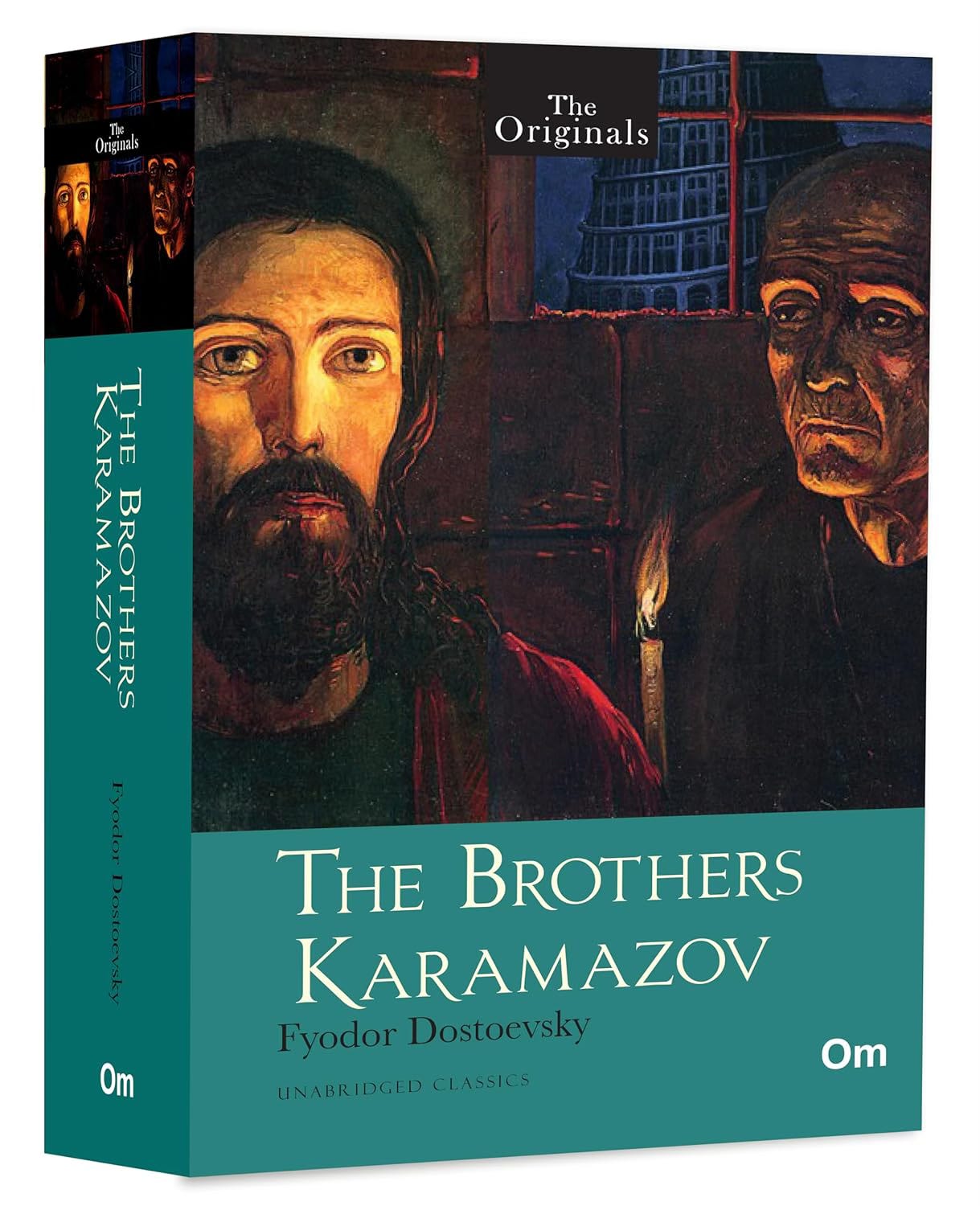
I’m rereading The Karamazov Brothers. Dostoevsky is still, for me, the most intense and exciting writer of all. His dialogue and the psychological complexity of his characters are so dazzling! Yesterday I was in tears when Ilyusha tells his father that when he dies he must find another boy, “ a good boy,” call him Ilyusha and love him instead.
It has made me think more deeply about translation because the 1994 Oxford World’s Classics translation by Ignat Avsey that I’m reading is very different from the Penguin Classics one by David Magershack (1958) that I grew up with. It seems longer, is very readable and buzzes with energy. There’s probably no perfect way of translating Dostoevsky. Even the title is controversial: it has usually been translated as The Brothers Karamazov but as Ignat Avsey comments in his translator’s note, “Had past translators been expressing themselves freely in natural English, without being hamstrung by the original Russian word order, they would no more have dreamt of saying The Brothers Karamazov than they would The Brothers Warner or The Brothers Marx.” Serialised in a magazine, like most novels by both Dostoevsky and Dickens, Karamazov was finished just two months before Dostoevsky’s death, aged 59, in 1881.Sigmund Freud called it “the most magnificent novel ever written.”
My personal favourite amongst Dostoevsky’s novels is The Idiot; when I was 14 I read it, fell in love with Myshkin and realised that absolutely anything can be contained in the alternative universe of a novel. Dostoevsky makes me feel very small but also exhilarates me more than any other novelist.
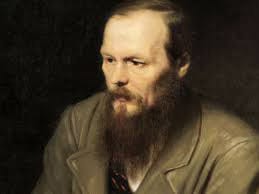
Fyodor Dostoevsky
www.mirandamiller.info
No posts
Comments
Nothing yet. Say the first thing.
Sign in to join the conversation.