
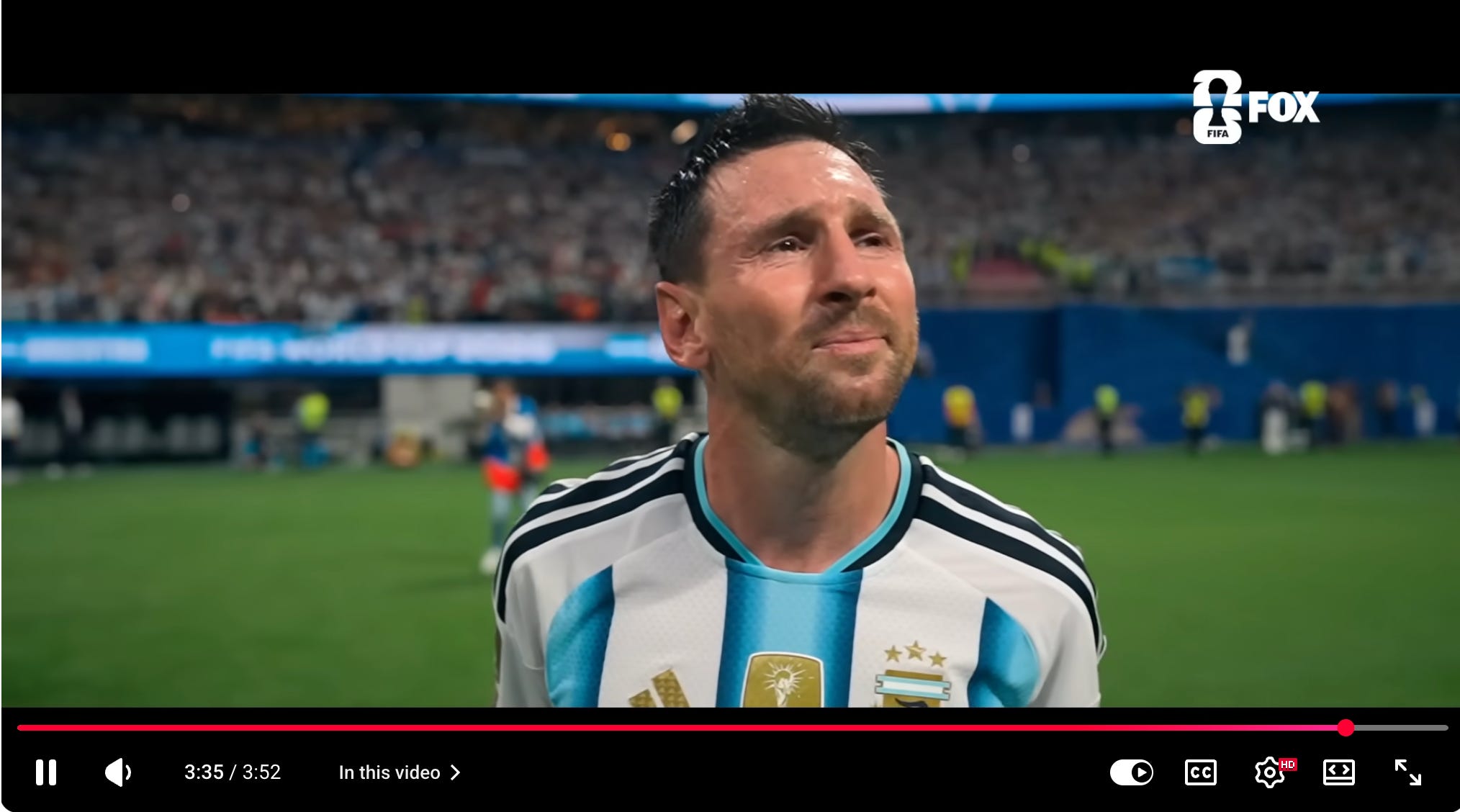
There’s no question that after decades of rumors and false starts, that the US finally caught soccer fever. The question is whether the country’s major professional soccer league and its media partners are blowing the growth opportunity right in front of them.
First, let’s be clear - the ratings for this year’s World Cup have been historic - and not just in a ‘record high for a relatively small thing’ kind of way.
Per Axios, 50.1 million people tuned in to watch the U.S. lose to Belgium on Fox and Telemundo combined
Ok, but it’s not just us being homers. Nearly 47 million people watched England beat Mexico
The England/Argentina semifinal match peaked at 22 million viewers on Fox alone - and that was played in the afternoon.
Many of these top games are scoring bigger audiences that the World Series and the NBA Finals - approaching NFL playoff territory. That’s not a blip.
The ratings for Sunday’s final should be stellar. UPDATE: 62.8 million viewers!
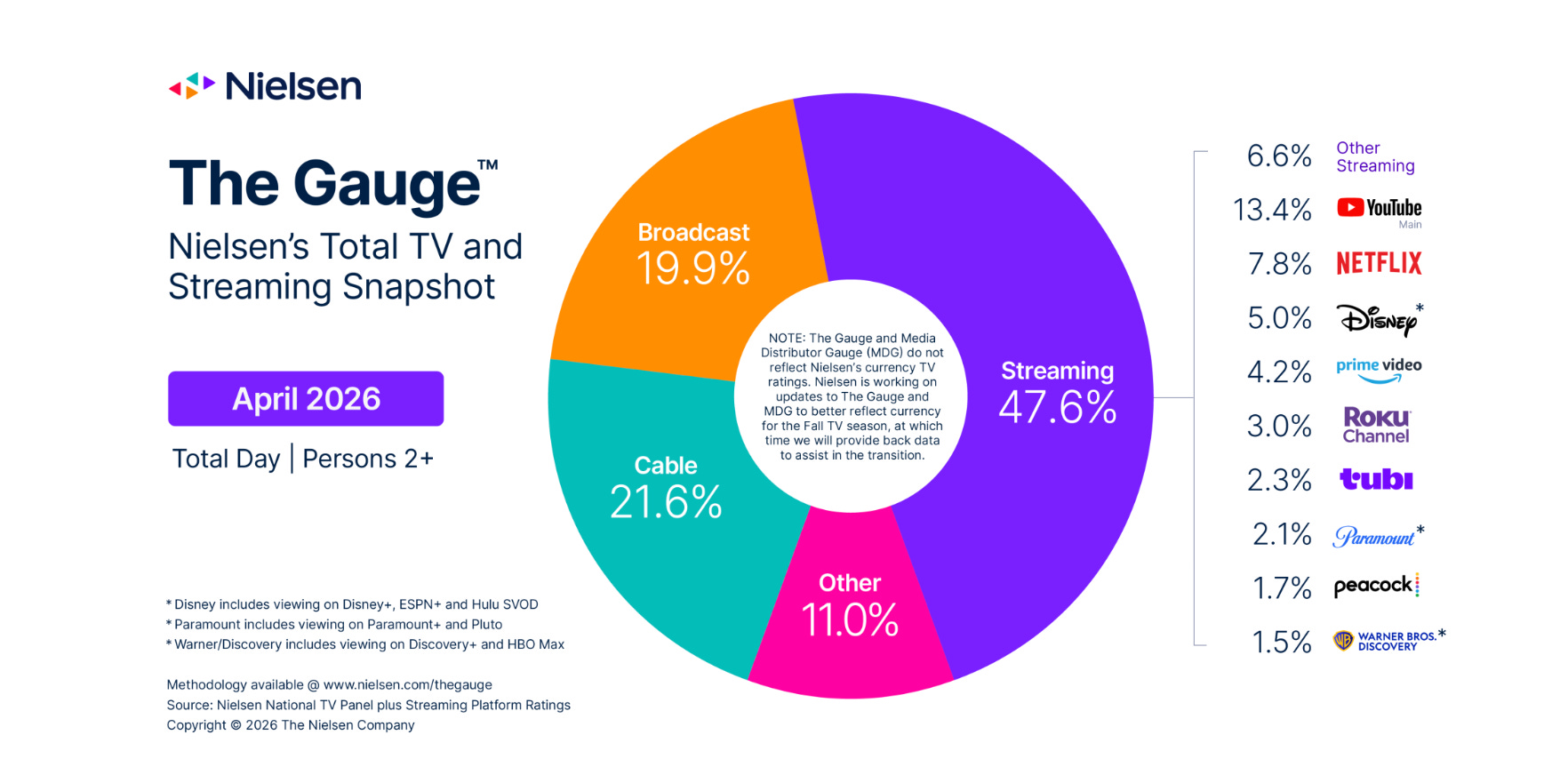
Where do all these new soccer fans go next? Probably not Apple TV, which doesn’t even register on Nielsen’s The Gauge report each month.
To be sure, it’s not realistic to expect all these World Cup bandwagoneers to become regular soccer TV viewers. Just like most of us don’t keep watching swimming or figure skating even after the best Olympics ever. The World Cup is truly unique - it’s every four years, it’s nation-vs.-nation, and the international fans seem to care more than anything in the world. Plus, this year’s tournament was in the US. We were actually decent! The games and the star power were amazing.
Still, surely, some of these 50 million-plus people came away thinking - soccer is pretty awesome, and we want more. And I read multiple stories last week about how Major League Soccer is going all in, with its biggest marketing effort ever. I’m not one to criticize other publications, but neither mentioned just how limiting MLS’ inane soccer TV deal is. At least the Wall Street Journal did.
Think about this - not only does the MLS season resume right now - just after World Cup mania - but the league has Lionel Messi! The star among stars, looking to win a championship for Inter Miami CF.
And he’s buried on a service few people can access, or even seem to know about!
The good news is that, per Sportico, Apple dropped its MLS-only subscription package this year (the subscription fee you had to pay on top of your Apple TV sub fee), and ratings are up. But still paltry, considering that Apple pulls in 0.3% of total TV viewership. That’s POINT THREE, NOT THREE. As recently as 2025, MLS said that individual matches on Apple TV were averaging 120,000 viewers per match. Even if you’re up 60-plus percent this year - that’s really low.
According to FoxSports.com - if we assume Messi skips the rest of July to recharge, InterMiami will have about 20 games remaining. At least 17 are scheduled to be hidden behind the Apple TV paywall - with three games potentially to be aired nationally on Fox. UPDATE: there are zero Messi games scheduled for Fox for the rest of the season, though that could change with the playoffs.
Is this any way to run a sports league -let alone capitalize on a once-in-a-lifetime surge of interest? Especially at a time when live sports audiences are at such a premium?

To be sure:
Many newbie soccer fans will likely be drawn to the Premier League, where they can find stars like Norway’s Erling Haaland (Manchester City) or Spain’s Rodri -and presumably much higher quality of play (right, knowledgable soccer fans?) Or La Liga, or Bundesliga, etc.
But again, MLS has Messi (and his teammate Rodrigo De Paul). If you have kids, you know how many Messi jerseys are out there.
Think about how other leagues maximize their star power. Over the past 20+ years, how many times has LeBron James been on national TV? The NBA is holding up its schedule until he decides his team this year! Or think about how many times Patrick Mahomes is in prime time, often on free, network TV.
So my question is:
How does the MLS not come to Apple and say, ‘here’s a check - you need to flex some of these games to Fox?’
Or, why don’t the MLS and Apple put their heads together and make a bunch (six?) of these Inter Miami games on Apple TV free? This could both bring a new audience to the service by event-izing Messi’s games, while also allowing Apple to capture easy ad dollars?
Or - someone asked me last week, ‘what should Netflix be doing to drive more engagement?’ Why not lease a handful of big MLS games from Apple? These kinds of things do happen in the sports rights world (WarnerDiscovery essentially sublets some college football playoff games from ESPN). Plus, can’t MLS carve out a new mini package? The NFL does this sort of thing all the time (I realize that the NFL is the NFL).
By the way - this is me drifting into sports analyst mode for a moment, but NYCFC - a team that barely anyone knows exists - is getting a new stadium next year in Queens. It might be time to try and steer the next older star/Messi coming to MLS to the team to try and ignite the Big Apple market. After all, this is not Miami or LA. Things are different here.
Spotify Listens - to Claude
A few weeks ago, I spoke to Spotify’s vp of product Per Sandell over in Cannes for the latest episode of the Next in Media podcast. One of the things that stuck out to me was how - unlike the cautious environs of TV advertising - Spotify is embracing AI for ad production and media execution.
Sandell said that over 7,000 advertisers have used the company generative AI creative tool since launch, and that Claude is quickly becoming a Spotify ad-buying interface.
“We’ve recently launched plugins for Claude and Codex that connect directly into our ads API,” said Sandall. “buyers can now buy from the command line, and we’re seeing huge amounts of creation coming from people using Claude to create their ads.”
Besides AI-driven ad workflow, Spotify is really pushing advertisers to think beyond just viewing the app as a radio replacement.
"What we've been trying to do is build a platform and a product that allows users to really connect to the medium they want to consume in,” he said. Whether that's audio, music videos, video podcasts or one of our Billions Club concerts... we've evolved the platform from being audio only to being a multi-format platform.”
Check out the full interview here:
No posts
Comments
Nothing yet. Say the first thing.
Sign in to join the conversation.