
Editor’s note: We originally intended to run this alongside The Gist’s episode on windburn, but as you know, The Gist is ending after 12 years. This was Sadie Dingfelder’s write-up about windburn. If you like it, you should follow her over at her Substack:
Alert listener Jeff Larche wrote in with a burning question: “My entire life I’ve heard people say that they aren’t sunburned, they’re “wind burned.” Is that bullshit? I’m thinking yes.”
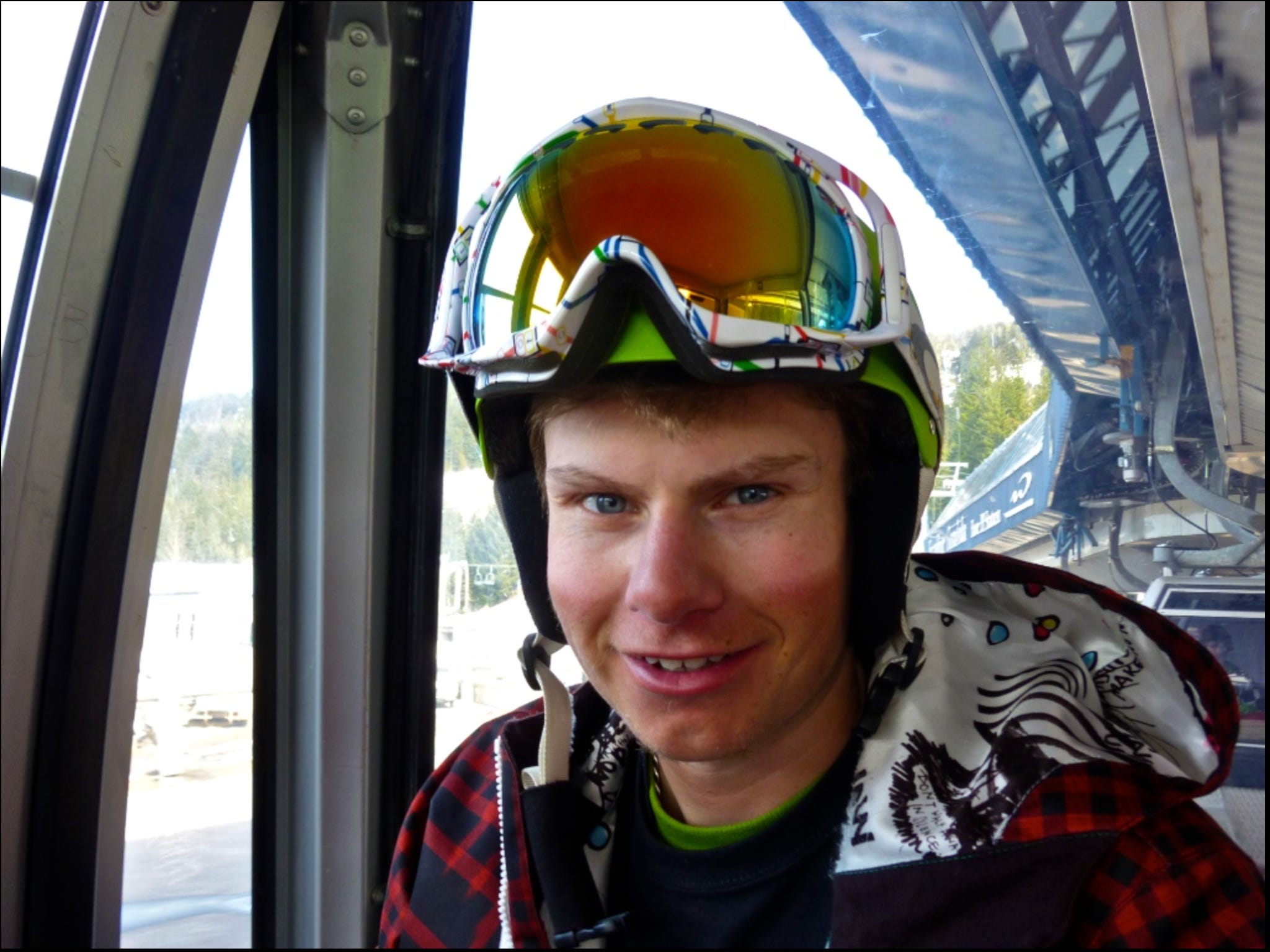
If you’ve ever come back from a day on the slopes with a flaming red goggle tan, you’ve probably heard the same claim. But can wind actually burn your skin?
We larched into action and soon found ourselves skiing backward through history to the 1960 Winter Olympics in Squaw Valley, the first Winter Games broadcast on American TV. Millions of baby boomers watched, and the sport took off like a rookie on glare ice. By the 1970s, hordes of yuppies were flocking to the slopes for a weekend of fondue, après-ski, and neon knitwear. They’d return to civilization with bright red goggle tans and blame it on the wind.
Dermatologists weren’t convinced. So in the 1970s they built tiny wind tunnels for mice.

The first experiment was published in 1974 by dermatologists at Baylor College of Medicine in Houston, led by Donald W. Owens. They placed albino mice inside and divided them into three groups: one exposed to ultraviolet light plus wind, one exposed to UV alone, and one exposed to wind alone. The wind in the chambers blew at about 6 mph — roughly the kind of breeze a skier might encounter on a mountain.
The results were clear:
Wind alone produced no detectable skin damage.
UV light caused burns.
UV plus wind produced worse burns and slower recovery than UV alone.
The scientists didn’t know exactly why wind amplified the damage, but their conclusion was simple and devastating to ski folklore: You can’t get burned by wind alone.
Scientists have since worked out why wind makes sunburn worse. It strips moisture from the skin and disrupts the outer barrier layer, increasing transepidermal water loss and irritation. Skin that’s already slightly damaged or dried out appears to be more vulnerable to UV injury and slower to heal.
And as it turns out, skiing is one of the easiest ways to get sunburned because the environment stacks the odds against your face in several ways:
• Altitude increases UV exposure. UV intensity rises roughly 12% for every 1,000 meters of elevation, because there’s less atmosphere filtering the radiation.
• Snow reflects enormous amounts of UV. Fresh snow is basically a mirror, bouncing back up to 90% of ultraviolet radiation, meaning skiers receive light from both above and below.
• Cold wind masks the feeling of burning, so people stay exposed longer without noticing damage.
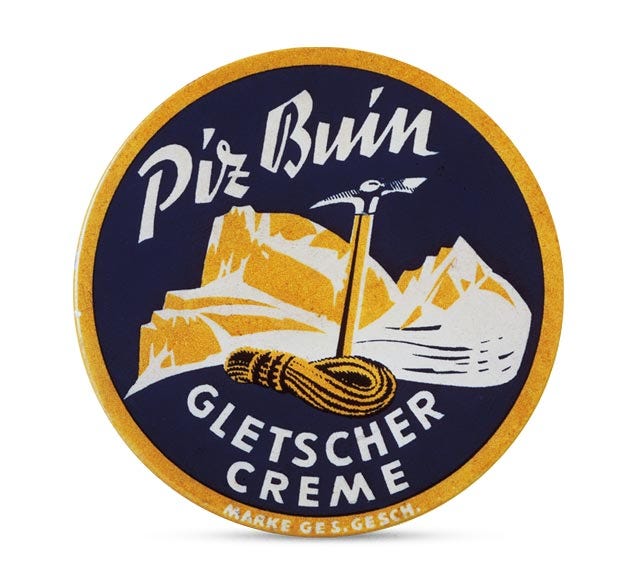
Indeed, it wasn’t beach culture but skiing that led to the first modern sunscreen. In 1938, Swiss-Austrian chemist Franz Greiter was badly sunburned while climbing Piz Buin, an Alpine mountain. The experience inspired him to develop one of the first commercial sunscreens, Glacier Cream, which had a SPF of about 2 (blocking about 50% of solar radiation.)
So the next time someone claims they’re “windburned,” you can explain that what really happened is that they spent the afternoon in a perfect storm of UV: altitude, reflection and lengthy exposure. The wind was merely an accessory to the crime.
Want more of Sadie’s profundities? Subscribe to her here:
Comments
Nothing yet. Say the first thing.
Sign in to join the conversation.