
Mid-century architecture is often discussed through materials, structure, and form, but some of its most enduring lessons begin with a simpler question: how should a house support everyday life?
When Jerry Cooper designed the Ridgewood House in 1959, he started with the routines of the family who would live there, from breakfast and entertaining to outdoor play and the movement of sunlight through the day. The result shows how architecture can gain longevity by responding closely to people and place rather than fashion.
(Marco Guagliardo - Mid-Century Home’s Editor in Chief)
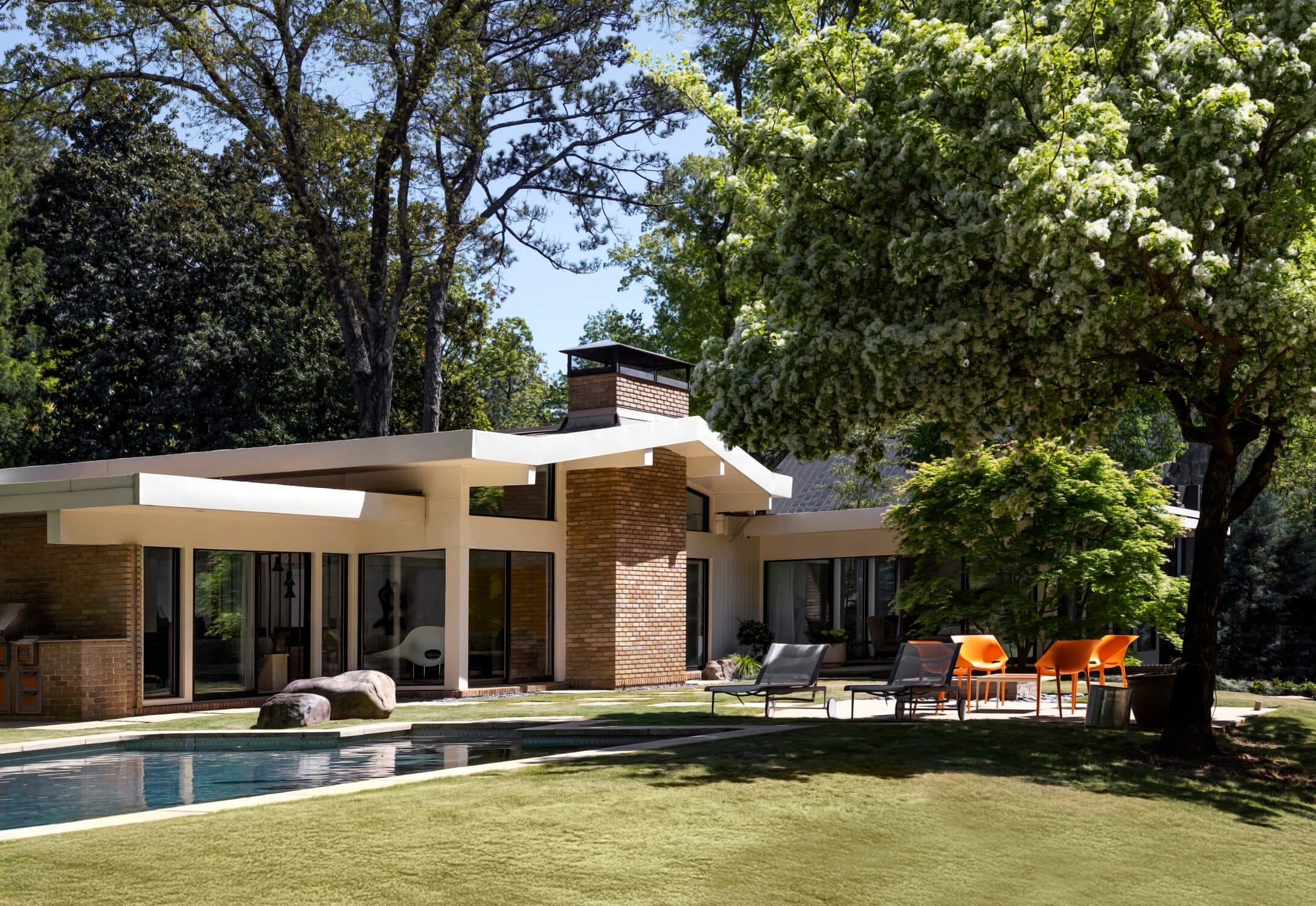
In 1959, Atlanta was expanding quickly as postwar families looked for larger homes that remained affordable. Most residential architecture in the city still followed traditional models, but architect Jerry Cooper was beginning to explore a different approach.
Cooper was interested in architecture shaped by its surroundings. His early residential work sought to “embrace the earth,” using the characteristics of each site as part of the design. The approach would later develop into Cooper Carry’s broader philosophy of “connecting people to place.”
This house became one of the clearest early expressions of that thinking.
Comments
Nothing yet. Say the first thing.
Sign in to join the conversation.