
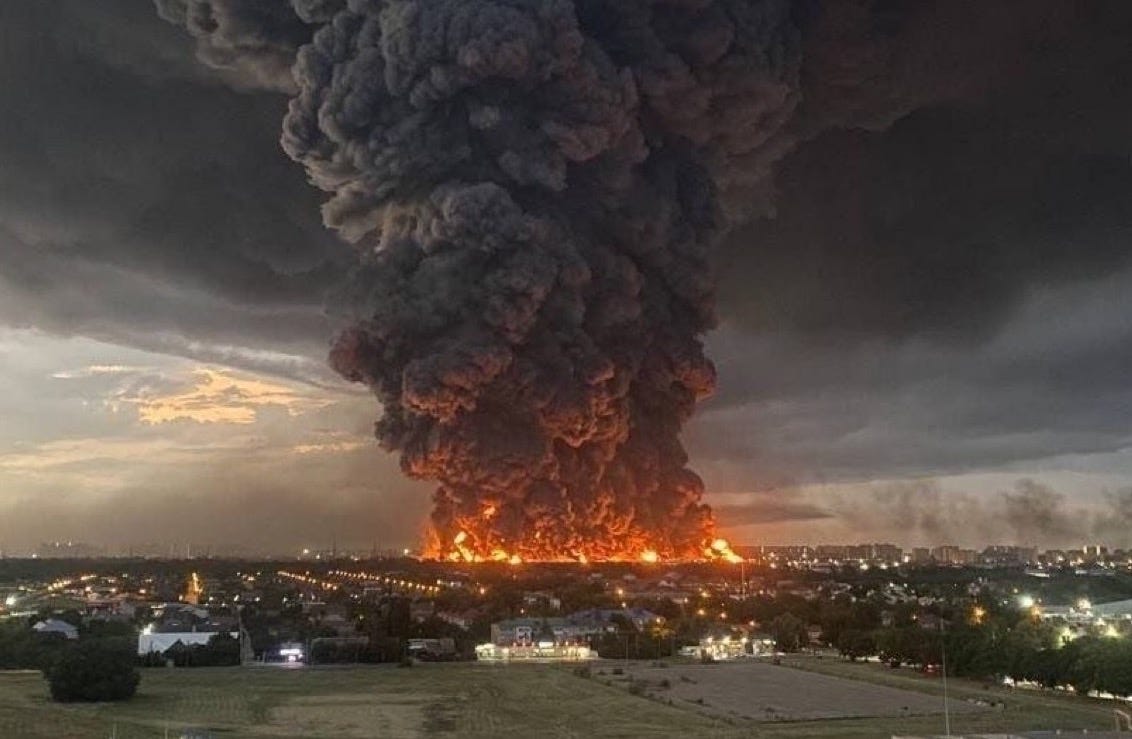
Upon our shoulders—the shoulders of the Ukrainian people—has fallen a historic role: to complete the liberation struggle with our Victory. We are doomed to Victory. It cannot be otherwise, and there can be no talk of any compromises or concessions. General @Drapatyi_M, 25 July 2026.
Hopes for an enduring settlement between Washington and Tehran have receded further since my last update. The June ceasefire framework has collapsed after Iran struck commercial vessels for bypassing its approved shipping lane in early July. Nuclear discussions remain stalled, and Iran refuses to put its ballistic missile programme on the table for negotiations.
Almost a fortnight of US military strikes have reportedly damaged more than 85 percent of Iran’s missile, drone and naval defence-industrial base. But the Iranians still threaten shipping in the strait – and ensure that ship owners and insurers have little faith in the security of the strait.
For not the first time in history, air power has degraded the capability of an adversary without compelling their capitulation. Air power alone cannot win wars.
But at the same time, a major ground invasion is probably beyond what the roughly 50,000 US troops now in the region could sustain. Even a short-term raid or occupation of a strategic location in Iran would likely result in more US casualties, be difficult to sustain logistically and politically over time – and would further escalate the conflict.
In an excellent piece this week, Andrew Exum wrote the following:
The sooner we acknowledge that the United States has lost the war with Iran and stop fighting, the better. Because we now have a lot of work to do… The United States has not secured any of its political objectives in the war with Iran, and indeed, it has produced a situation in July that is markedly worse than the one antebellum… The Iran war has brought a few things into focus—among them, that the United States needs to rethink its approach to warfare in the region and beyond.
Therefore, while the US has challenges with munitions supplies, which has knock on effects in Ukraine and Pacific deterrence, its biggest issue is strategy making and strategy execution. This is a diagnosis that has an impact on security affairs in Europe, the Middle East and the Pacific theatre.
Welcome to this week’s edition of The Big Five.
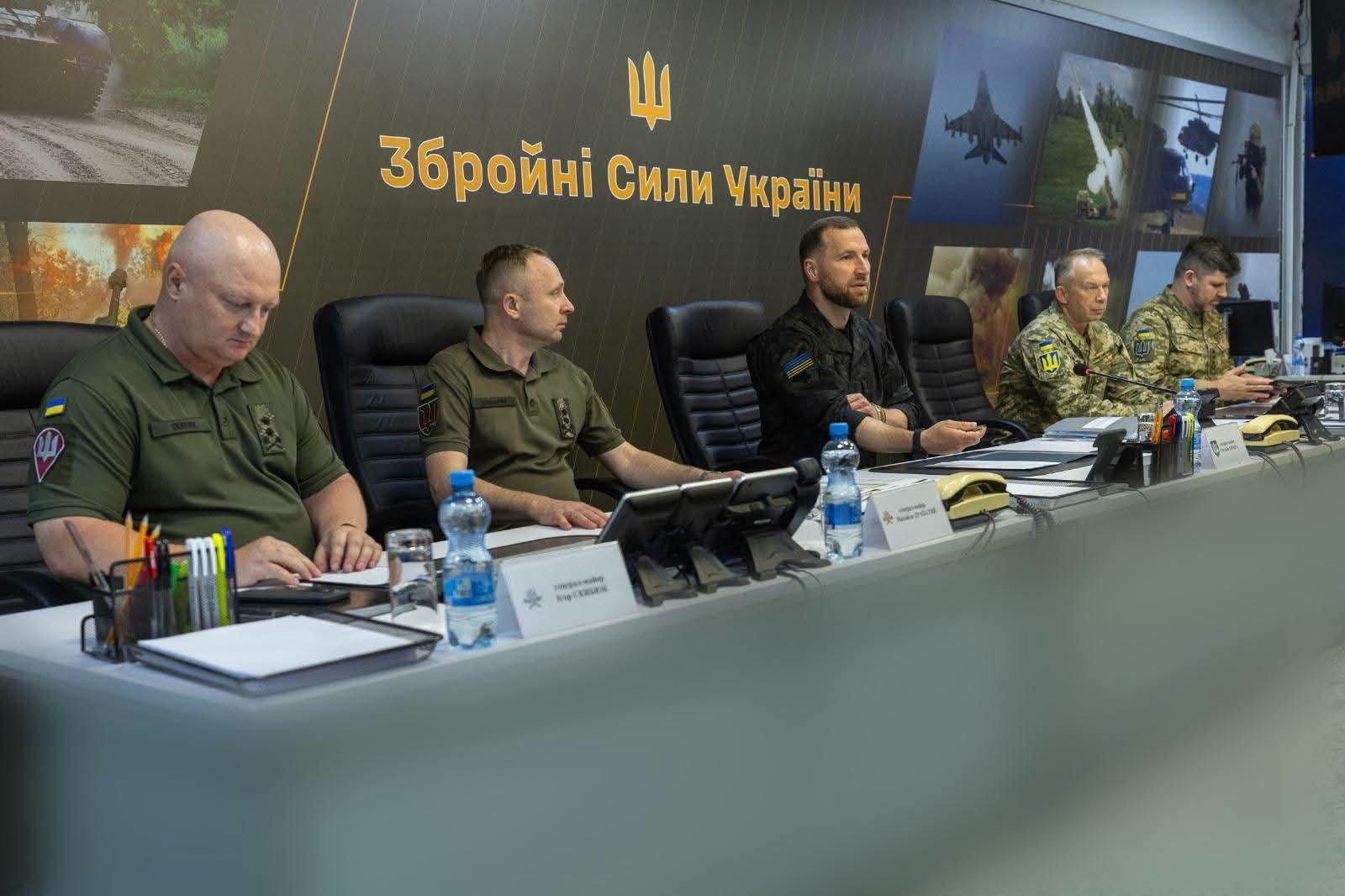
New Military Leadership. The most important story from Ukraine this week has been the changes at the top of the military. Former minister Fedorov was removed as defence minister in mid-July after just six months in the job. Protests calling for his reinstatement continued during this week, and on 23 July Fedorov publicly rejected every alternative post Zelensky offered him, including a new deputy prime ministership for military innovation. Fedorov stated that there are only three positions in Ukraine that, alongside the troops on the line, actually shape the course of the war, the presidency, the defence ministry and the commander-in-chief, and he would accept nothing else. This was an unfortunate response.
The larger dispute is the tension between the new guard and the old guard in the Ukrainian military. On one side, younger officers and officials argue for different leadership approaches and for a technology-led reform agenda Fedorov championed, built on drone mass, decentralised procurement and rapid innovation cycles. On the other side is a more ‘traditional’ and centralised military culture represented by dismissed commander-in-chief Oleksandr Syrskyi, who was replaced this week by General Mykhailo Drapatyi.
To be fair, the struggle for the heart and soul of a military institution is ongoing in every military at all times, whether they are at peace or at war. With constant injections of new people, and changes in technology and society, the tension over new and old ideas and methods occurred in ancient armies and occurs in modern ones. Ukraine’s existential war and its defence against Russia has just sharpened these differences and made them more public.
President Zelensky has tried to soften the transition by keeping both Syrskyi and his deputy Hnatov on as advisers to Drapatyi, and by convening, for the first time, a joint forum of corps commanders and defence manufacturers to institutionalise the coordination Fedorov had been pushing. But, ultimately, the sacking of Fedorov is an unresolved issue and the new minister is only there (for now) in an acting capacity.
The timing of this change is interesting because Zelensky is preparing to travel to Washington to meet President Trump, with reports that Kyiv and Washington are aligning behind a new peace push and hoping Russia will accept an air ceasefire. It also occurs as Ukraine and Raytheon agreed this week to co-manufacture Patriot interceptors on Ukrainian soil.
Civil-military cohesion at the top is being tested as Ukraine needs a coherent voice with its partners. A country that can reorganise its assault forces and stand up a new strike command in a fortnight, but cannot resolve a public argument between its president, its generals and its former defence minister, is sending its allies a mixed signal about how settled its wartime governance is.
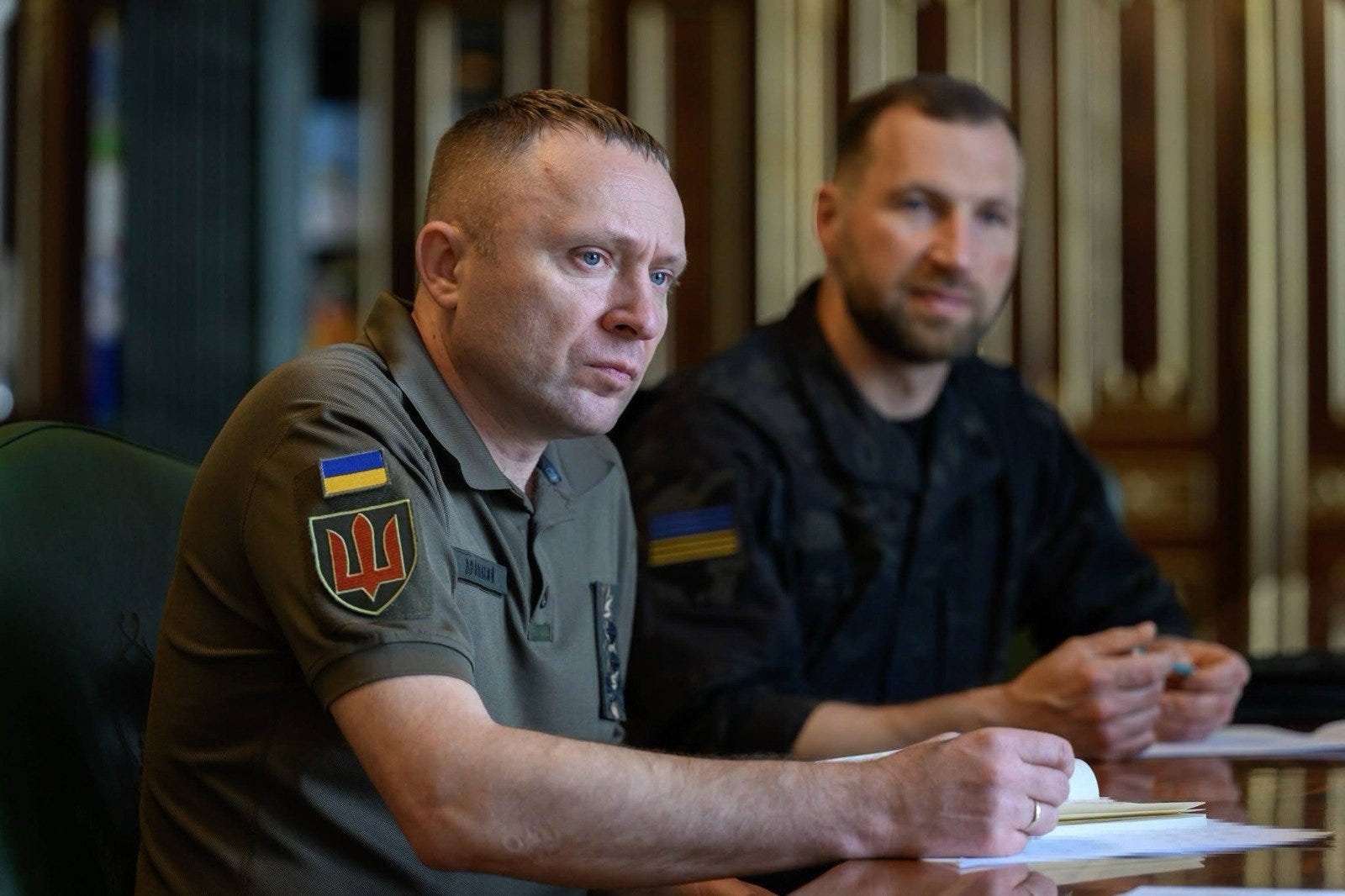
Priorities for the New Ukrainian Commander-In-Chief. In the past 24 hours, General Drapatyi has discussed his priorities as Commander-in-Chief of the Ukrainian Armed Forces. These are:
Increasing the capabilities of air defence for better protection of the country's airspace.
Developing and scaling the unmanned component.
Increasing the lethality of strikes on the enemy.
Eliminating unnecessary bureaucracy.
And in working with personnel – an emphasis on competence and humanity.
These priorities are logical given the current status of the war, and President Zelenskyy’s previous statements about bringing the war home to Russia and improving the conditions for military personnel. General Drapatyi now has one of the hardest jobs in the world. I wish him and his soldiers all the very best.
New Ukrainian Military Commands. Two organisational reforms, signed by presidential decree on 10 July, are worth mentioning.
The first created a dedicated Long-Range Strike Command. It has been tasked, in Zelenskyy’s words, with “concentrating all available resources to reduce Russia’s war potential.” Rather than standing up new units, the command pulls together existing long-range strike drone units, missile forces and naval unmanned systems units under a single structure. This aims to end the turf wars between services that has at times slowed target prioritisation but should also further improve and accelerate long-range and mid-range strike operations. As a spokesperson from the General Staff noted:
The systematic work of the Armed Forces of Ukraine in striking the enemy throughout the full depth of its operational and strategic disposition is constantly expanding and improving. That is why the decision has been made to bring the organisation of this activity to a qualitatively new level. In brief, the diverse units conducting strikes on the territory of the aggressor state using deep strike assets are being united under a single command. The Long-Range (Global) Strike Command will exercise command over an inter-agency grouping of the defence forces, which will operate according to a unified concept and plan.
The second new organization created is the Joint Rapid Reaction Forces, a new branch combining assault troops with organic drone and artillery support. The new force is described by Zelenskyy as a modern, technology-driven assault force able to respond quickly wherever the front needs reinforcement. Brigadier General Dmytro Voloshyn, previously commander of the 8th Air Assault Corps, was appointed to lead it. The General Staff described the new command as follows:
The Joint Rapid Reaction Forces have been designated as a separate branch of the Armed Forces of Ukraine, tasked with rapidly responding to threats and conducting decisive operations in the most critical areas. Their mission will not be to permanently hold designated sections of the front, but to respond quickly to threats, reinforce troop groupings, conduct offensive and counteroffensive operations along the main axis of attack or other priority directions, stabilize the situation, and rapidly seize key terrain and strategic facilities
The reform follows a period of intense scrutiny of how Ukraine treats its assault troops, after investigations into non-combat deaths inside the country’s largest assault regiment.
Together, the two commands represent significant organisational adaptations and attempts to formalise, under permanent structures, the strike and manoeuvre innovations that had until now been run as semi-improvised task forces.
The 40-day Campaign. Executed by the Security Service of Ukraine, the 40-day campaign has become the organising framework for Ukraine’s operational strikes, or interdiction operations, against Russian military forces in occupied Ukraine and inside Russia. It has targeted Russian logistics behind the front line and along the land bridge to occupied Crimea, shipping and other operational targets. Now in its third week, inside our reporting window, the campaign’s focus had extended to strategic targets: a strike on the Engels-2 airbase reportedly destroyed a Tu-95MS strategic bomber, and other strikes against Russian car ferries operating in Kerch strait.
Deep strikes and Wildberries. Much attention this week was focused on Ukraine’s strike campaign against Wildberries, Russia’s key online retailer, which sells dual-use drone components as well as consumer goods. Seven warehouses were hit in a week, with strikes taking place in St Petersburg, Tver as well as in Yekaterinburg (1800km from Ukraine) and in occupied Crimea. Damage estimates run into the hundreds of billions of Rubles, and ten percent of the company’s logistics hubs have now been struck.
Ukraine’s rationale for these strikes is as follows: Wildberries has become a central hub in Russia’s improvised military supply chain, particularly as units and soldiers increasingly buy their own drones, chest rigs and equipment through the platform rather than receiving it through formal military supply channels. The Institute for the Study of War assessed on 24 July that the campaign is likely to place additional strain on Russia’s already stretched air defence network, beyond the inconvenience to ordinary Russian shoppers.
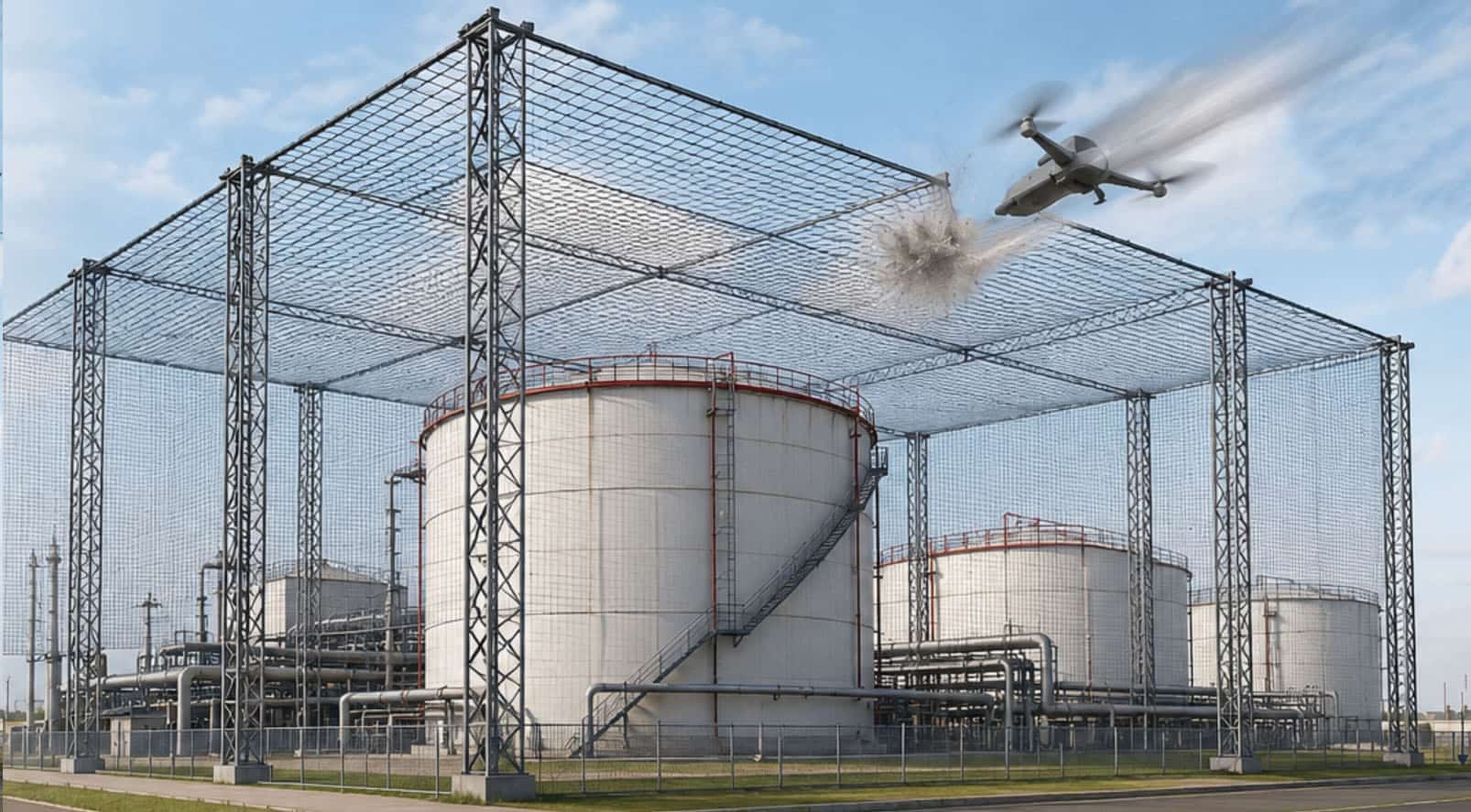
Energy infrastructure remains the other consistent target. President Zelenskyy confirmed strikes this week on the Tyumen oil refinery alongside the Wildberries hub. Russia’s defensive response, a modular steel shielding structure for refineries nicknamed the “Web,” remains in trial deployment. While this demonstrates Russian adaptation (as slow as it might be at times) this is another indicator of how thin Russia’s refinery defences are.
Finally, Ukraine’s strikes against Russian energy targets have seen Putin extend Russia’s gasoline export ban. As reported by the ISW on 25 July, Russian Deputy Prime Minister and Economic Minister Alexander Novak stated that Russia is extending the gasoline export ban until the end of 2026 and will consider lifting the ban on diesel exports “as the market recovers.” Multiple regions within Russia as well as in occupied Ukraine continue to experience fuel shortages.
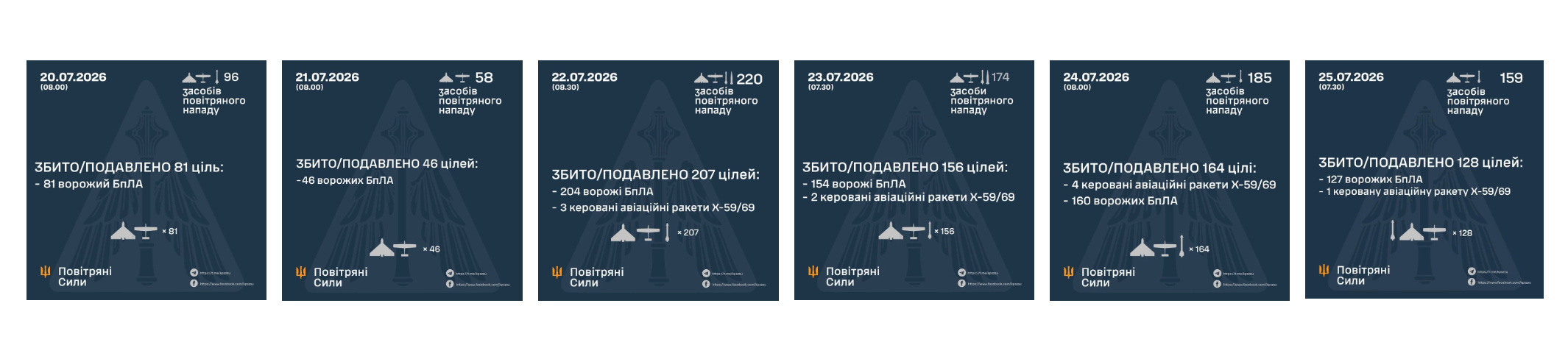
Russian Strikes on Ukraine. Away from the strike campaigns, the week saw a heavy run of missile and drone attacks on Ukrainian cities. Kyiv absorbed one of the largest single-night ballistic missile barrages of the war on 19 July. On 24 July, a ballistic missile strike on a defence-industry exhibition near the capital killed at least ten people and injured more than a hundred. More Russian strikes hit the capital again in the early hours of 26 July, damaging a residential building in the Shevchenkivskyi district. Zaporizhzhia, Sloviansk, Kharkiv, Kherson, Chernihiv, Sumy and Donetsk oblasts all recorded more civilian casualties from Russian glide bombs and drones during the past week.
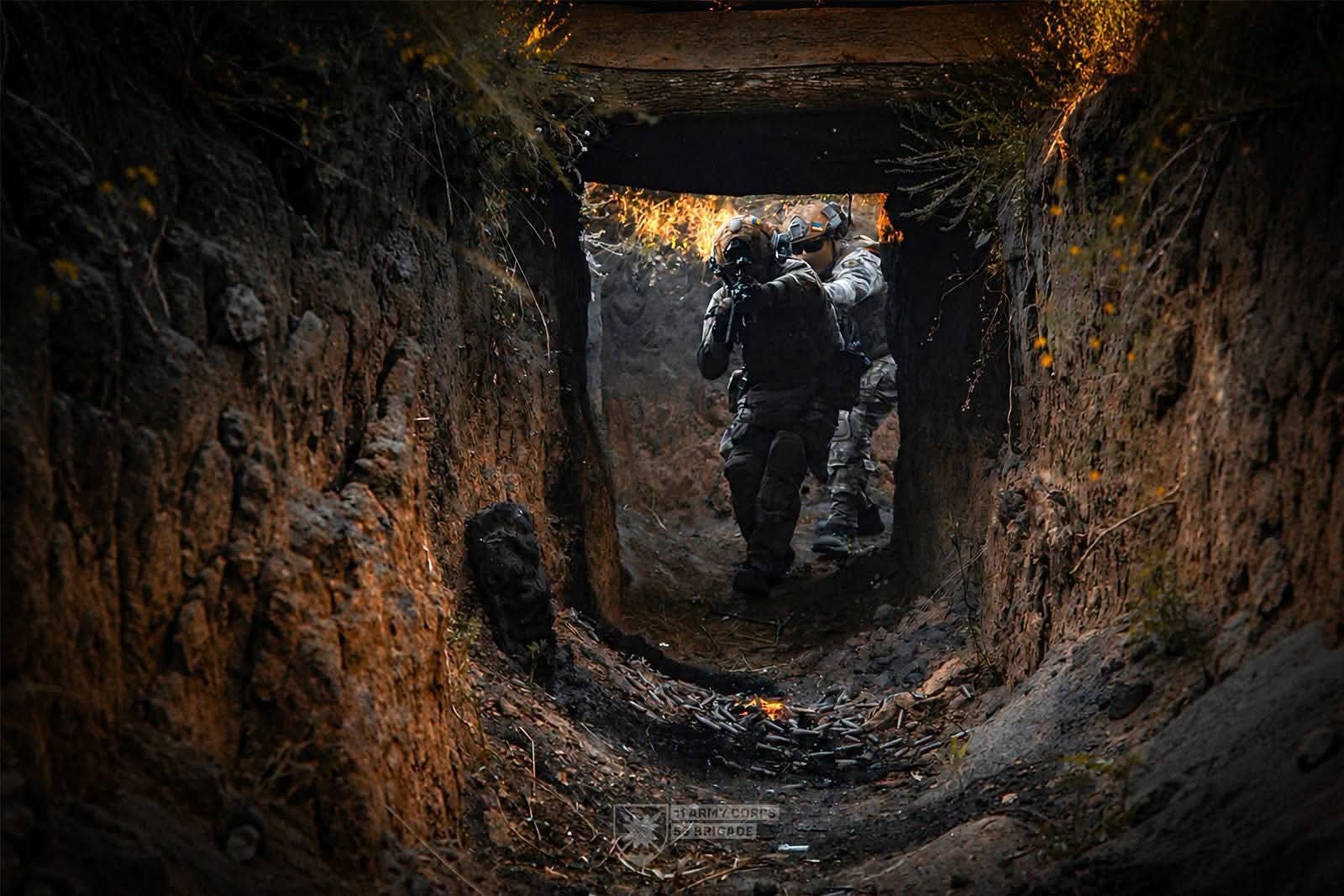
The War on the Ground. On the ground, Ukraine’s 1st Azov Corps repelled a large, mechanised attack by forces from two Russian armies and a tank division near Dobropillia on 22 July. Ukrainian forces destroyed tanks and a Sarma multiple rocket launcher for a claimed 123 Russian dead. Zelensky said this week that Russia is preparing to receive a further 30,000 North Korean troops, warned of a fresh wave of Russian mobilisation, and said intelligence pointed to another mass missile attack within 48 hours.
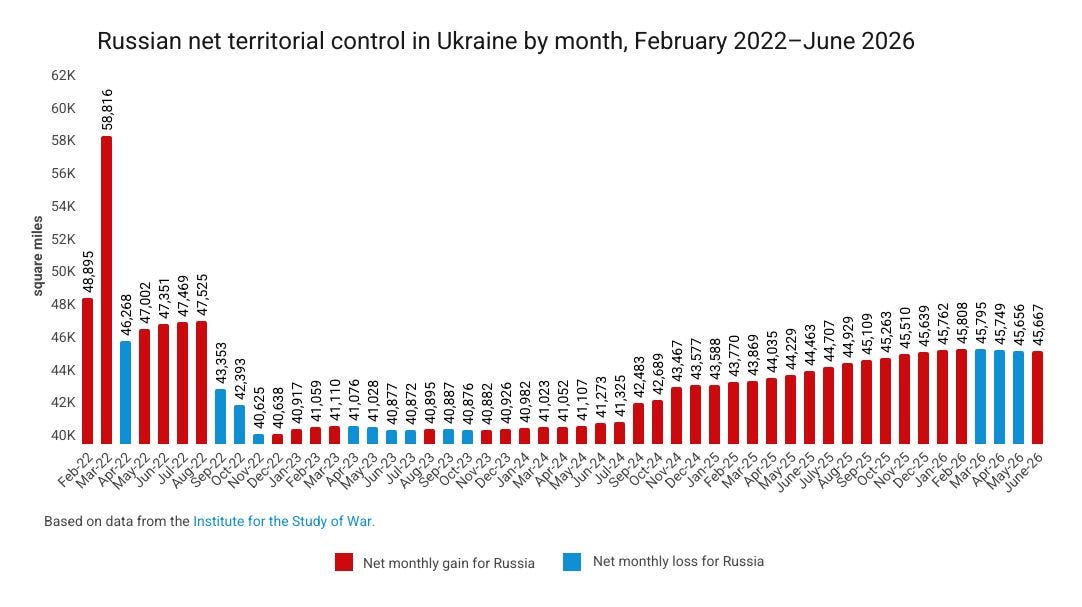
Independent tracking by the Institute for the Study of War and Deepstate (reported by Russia Matters) shows Russia’s territorial gains for 2026 have tapered off to a handful of square kilometres. In the past month, Russia gained only 10-15 square miles of Ukrainian territory. This is significantly less than the figures for the preceding two years. Territorial gains and losses are not the only, nor the best way of assessing progress in a war, but this information does provide a useful data point on where we are in this war.
Interestingly, Russian casualties apparently show a high ratio of killed to wounded. In his latest statement, President Zelenskyy described Russia so far in 2026 suffering 225,000 casualties, of which it is claimed that 131,000 were killed.
If Zelenskyy’s figures are correct, this represents Russian combat casualties having a 1.4:1 killed to wounded ratio.
This balance of killed to wounded is out of whack with historical norms, which are normally about 3-13 wounded for every death. In the First and Second World Wars, the ratio was around 1:2 to 1:3. The Vietnam War saw a ratio of about 1:4. Iraq and Afghanistan saw a ratio of 1:13. Iraq and Afghanistan are outliers because of the heavy preponderance of casualty evacuation assets, better treatment and allied focus on the golden hour. A report for the Harvard Belfer centre notes the following reasons for the decline in deaths compared to those wounded in war:
Preventive Care: Better preventive care means that military personnel are less likely to contract diseases that would hinder their ability to fight effectively. Improved childhood nutrition, immunization campaigns, and modern field sanitation work together to decrease the spread of disease among soldiers living in close quarters. With lower disease rates, military units are more likely to be able to fight with a full complement.
Battlefield Medicine: Medics and doctors are much better equipped and organized to deliver medical care to the battle wounded than they were in the past. The global diffusion and adoption of protocols such as the U.S. Trauma Combat Casualty Care program, which provides guidelines for the delivery of front-line medical care, increase the likelihood that an injured soldier will receive prompt medical attention.
Evacuation: Injured military personnel are transported to medical facilities much more quickly today than in the past.
Protective Equipment: The development and use of personal protective equipment greatly increase a soldier’s odds of survival. The two areas of the human body most vulnerable to fatal wounds are the head and the trunk. From the end of the Middle Ages through much of the twentieth century, however, these areas were typically unprotected. Today, helmets and body armor are standard for U.S. military personnel.
So, what are the reasons for the disparity we are seeing in the war in Ukraine?
First, the data could be wrong. As good as the Ukrainian and allied intelligence services are, they could simply be wrong. A second explanation is, as Zelenskyy describes, the appalling Russian battlefield medical services. This is almost certainly part of the explanation but does not provide a full picture of such a transformational change in combat casualty figures. A third, and probably more likely driver, is the saturation of drones in the tactical space. Not only are they able target individuals above and below ground, whether they are static or moving, it also slows or prevents entirely logistic support and casualty evacuation operations.
It is early days yet, and we need more data – and more analysis of that data – before coming to any definite conclusions. But this is certainly an issue which we should monitor closely because it could have a potential impact on force design, medical support and other issues related for future military operations.
Russia is now facing a deepening strategic dilemma.
Ukraine’s deep strike campaign, with its broadening scope and accelerating tempo, is forcing Russian air defence assets to disperse across a vast arc running from occupied Ukraine through the Caucasus into the Russian interior. The ongoing destruction of Russian air defence assets is only compounding this issue.
At the same time, the Crimea switch-off and Azov anti-ship campaigns are degrading occupied Crimea’s logistics, power grid and support to Russian operations in occupied Ukraine to the point of a declared state of emergency, while forcing Moscow to redirect naval drone units, normally committed to the front, into a defensive maritime role. Russia cannot fully protect Crimea, secure its Azov shipping lanes and shield its interior energy and industrial base simultaneously. Something has to give, and so far the Russian strategic response has largely been improvised and disparate rather than strategic and systemic: emergency compensation payments, jury-rigged refinery shielding, and a reactive reshuffling of Russian forces.
Ukraine’s current war strategy compounds Russia’s problems by choosing targets that are cheap to strike and expensive to defend, forcing Russia into a permanently reactive posture.
This does not mean Russia is close to a battlefield or strategic collapse, however. Its core force generation and industrial base remain intact, and territorial gains, though slim recently, have not yet been reversed by the Ukrainians. And, as Ambassador Zaluzhnyi recently wrote, now is not the time to assume Russia has lost the war.
But the strategic cost of Russia resolving this dilemma – if it is possible to do so – will be very significant. Every additional unit and other resource that Putin commits to defending occupied Crimea or its rear-area infrastructure from Ukrainian mid-range strike operations is something not available to sustain offensive operations at the front or defend the Russian homeland. Another mobilization of troops in Russia after September’s elections will potentially increase domestic unrest as well as placing a greater burden on the Russian economy. But if Putin feels his retention of occupied Crimea is imperilled, and Ukraine launches more offensive operations, he may see mobilization as the lesser risk.
The potential commitment of more North Korean troops demonstrates, Putin is becoming more indebted to his partners in North Korea and China, which may have a long-term strategic impact.
Putin’s war, as I have discussed here for some time, is going poorly. He is coming up on some key decisions such as further mobilisations which could prove to be decisive moments in this war.
For a useful assessment of Putin’s potential decision points for a 2026 mobilisation, this brief produced by Delphi Global contains some very useful insights.
*******
This week, I spoke with Seth Jones for the CSIS Last Line of Defense podcast. You can see our conversation at this link below:
I also did a couple of interviews with CNN this week, primarily about the war in Iran, one of which is posted below.
Finally, I had another detailed conversation with Nataly Lutsenko for the War and Politics 24 podcast. We discussed the changes in military command in Ukraine, long range strike and the trajectory of the war. You can watch our discussion at the link below:
**********
It’s time to explore this week’s recommended readings.
This week’s recommendations include a great article why people follow – and elect – corrupt leaders. There is a useful update on the Iran War and how Chinese scholar view a future war with Taiwan. Finally, there are two articles on the war in Ukraine: one on Russian strategic capabilities and regeneration, and other on frontline drone operations.
As always, if you only have the time available to read one of my recommendations, the first is my pick of the week.

This is a shorter, more reflective piece to open the recommended reads for this week. The essay’s underlying question, why publics continue to extend loyalty to leaders who plainly act against their interests, is relevant to war and national security endeavours. General Sir John Hackett’s quote about military institutions and their societies is relevant here: “When a country looks at its fighting forces, it is looking into a mirror. What a society gets from its armed services is exactly what it asks for, no more or less.” You can read this excellent article at this link.
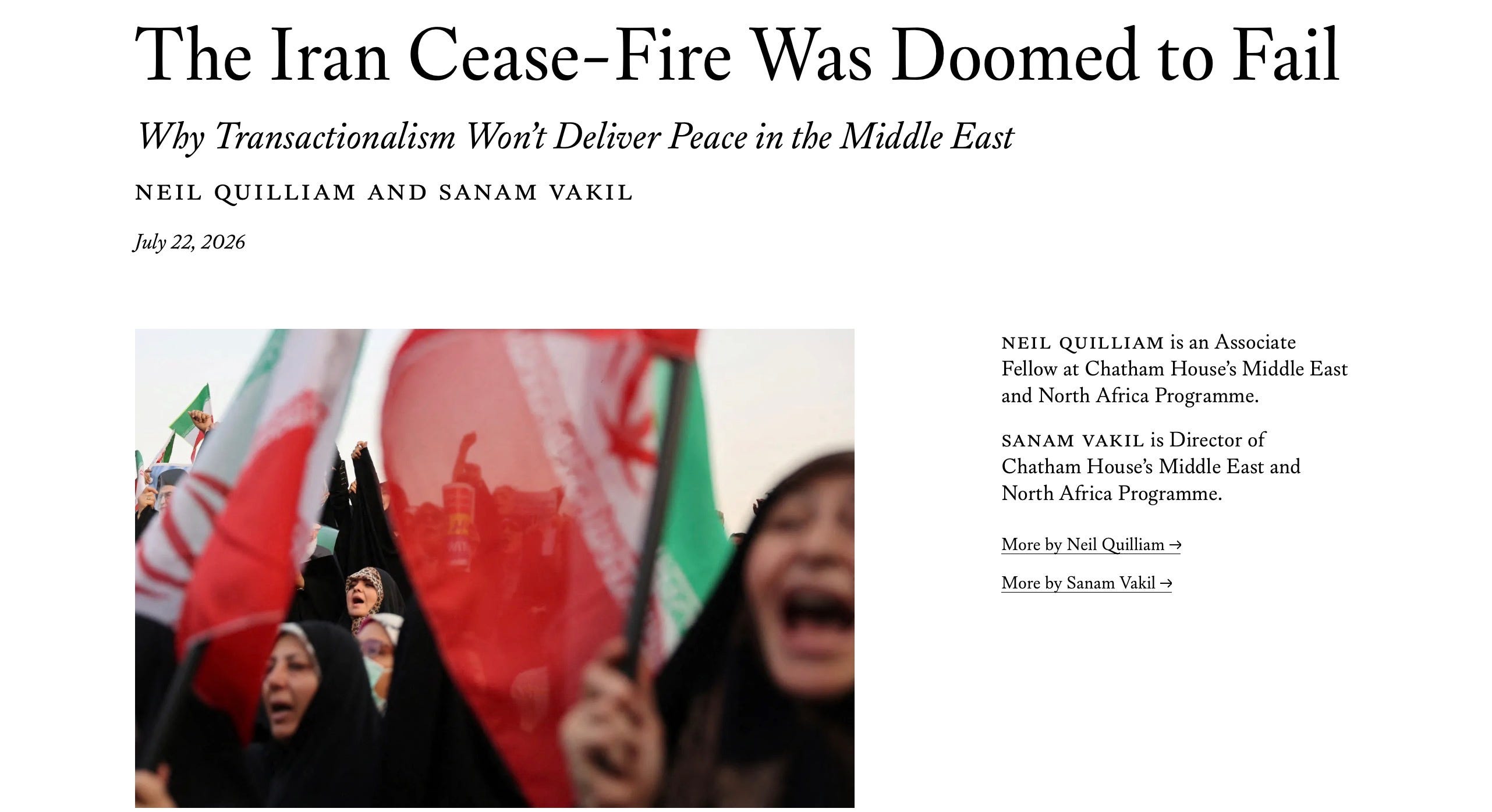
The authors in this piece from Foreign Affairs make the case that transactional ceasefires without sustained diplomacy means instability in one arena bleeds quickly into another. Their account of the unravelling June memorandum between America and Iran, and the warning that Israel could re-enter the fight if it judges Iran to be rebuilding missile capability or proxy networks, is useful context for this ongoing conflict. The full article is available here.

This article published by War on the Rocks provides a detailed exploration of a restricted Chinese military-journal concept for capturing Taipei through blockade, precision strikes and coordinated cognitive attacks aimed at collapsing the will of Taiwan’s population rather than destroying the city. It is not Chinese doctrine, but the authors make a strong case that it reflects real thinking inside China’s Academy of Military Science. A terrific read, available here.
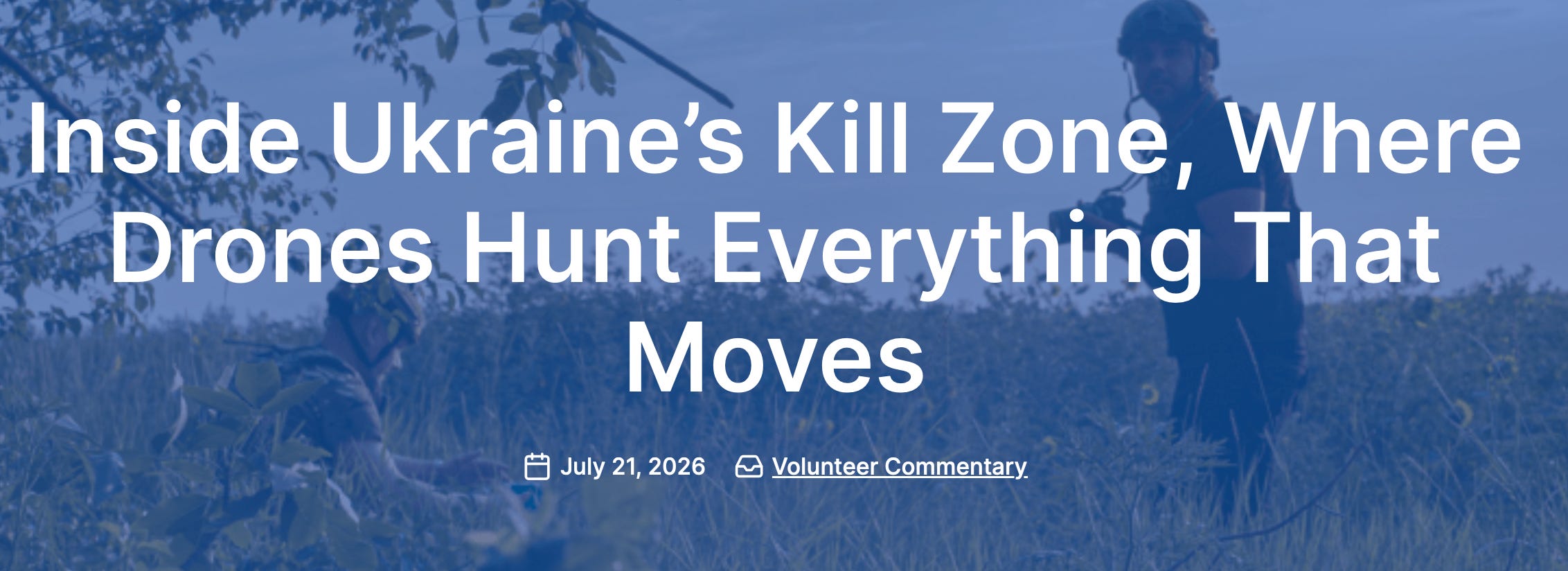
The authors embed with a drone unit near Pokrovske is a very useful piece of frontline reporting. It captures in detail what it now takes simply to reach a forward position: night drives with jammed GPS, roads littered with wrecked robots, and a rear area that has become as lethal as the front itself. Read it at this link.
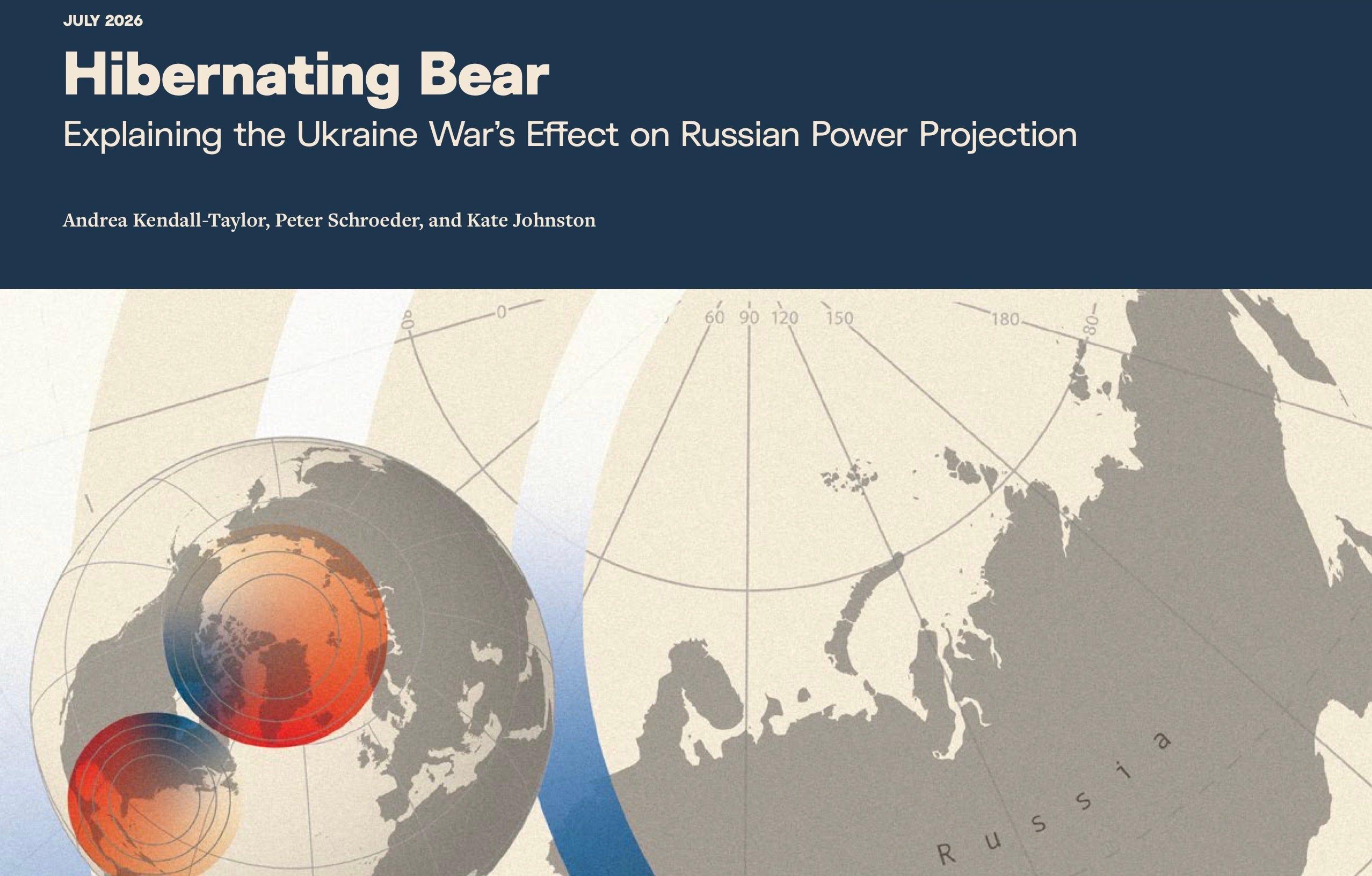
In this new report from CNAS, the authors argue that Russia’s core expeditionary pillars, strategic airlift, its blue-water navy, long-range strike assets and command structures, remain largely intact. What has changed is Moscow’s tolerance for risk and its prioritisation, not its capability. The report’s judgment is that Russia is still capable of assembling a Syria-2015-scale force package if required, and that its posture will harden once the Ukraine war ends. You can read the full report at this link.
Comments
Nothing yet. Say the first thing.
Sign in to join the conversation.