
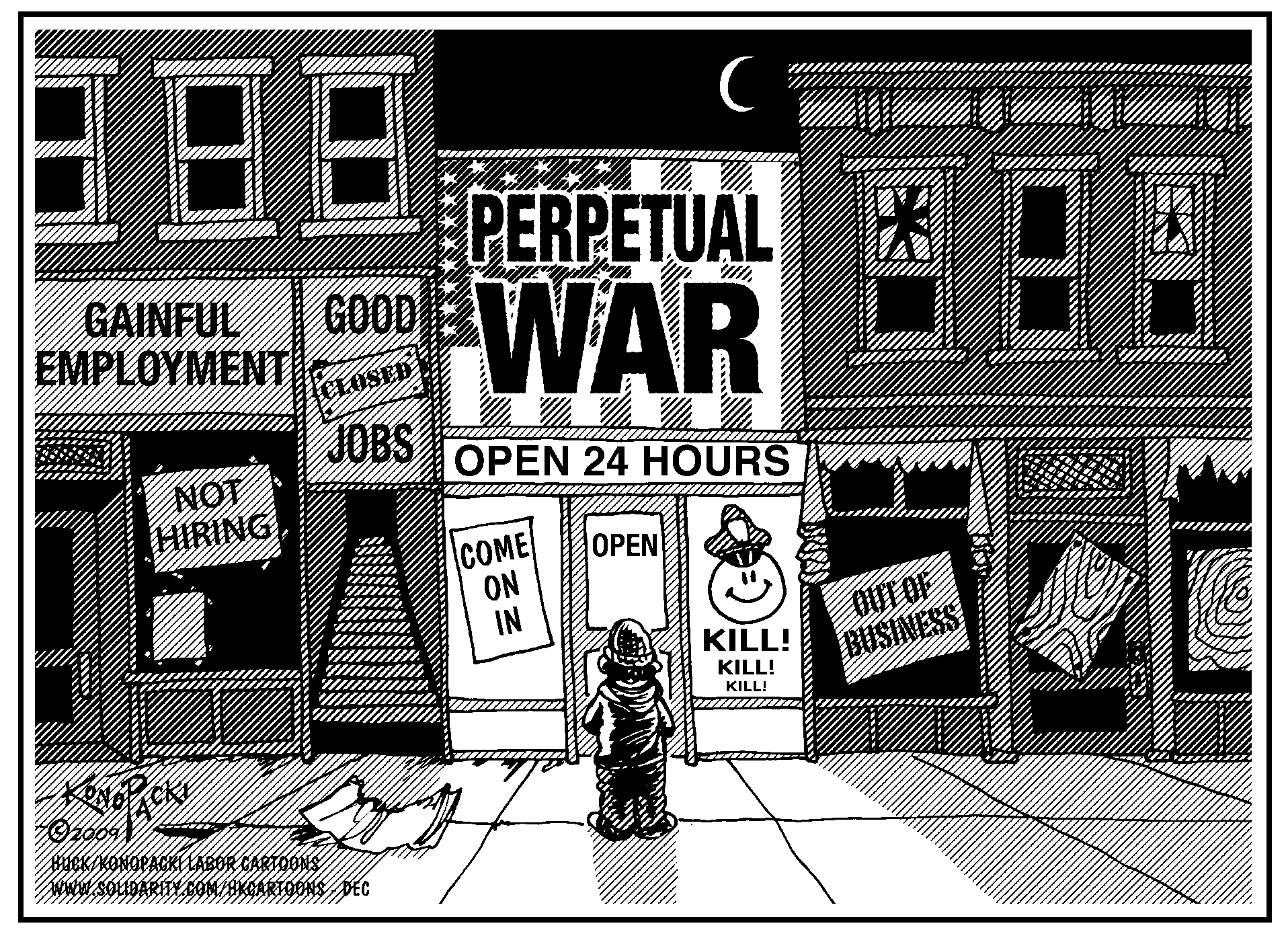
The U.S. has officially crossed $40 trillion in national debt — a Treasury‑confirmed milestone that arrived months ahead of projections and underscores a fiscal trajectory driven by tax cuts for the rich, trillion‑dollar deficits, soaring interest costs, and structural imbalances grown worse under the Trump administration.
It’s a figure that jumped another trillion in barely five months, mainly because of the war with Iran. Interest costs alone are running above $1 trillion a year, meaning we now borrow money just to pay the interest on the money we already borrowed. Deficits north of $2 trillion have become the norm, not the emergency.
The cost of U.S. overseas bases (750+), NATO commitments, and the permanent occupation posture in Korea is not only enormous, but it’s also structurally different from any other country’s military burden. The U.S. officially spent $1.15 trillion on defense in 2026, more than the next 10 countries combined.
It’s an imperialist fiscal model that feeds a massive military/industrial complex no other nation on Earth attempts.
According to the New York Times:
While the United States remains the world’s largest economy, its mounting debt load could lead investors to demand higher interest rates for U.S. bonds or raise questions about the nation’s creditworthiness, which could erode confidence in the dollar as the world’s reserve currency.
Trump himself repeatedly blasted the Dems’ $20T debt mark during his first run, calling it “fiscal insanity” and using the number to attack Social Security and Medicare. GOP candidates in 2024 and 2026 campaigned on restoring “fiscal discipline,” stopping “Biden’s runaway spending,” and protecting future generations from a debt spiral.
Trump’s claims of “trillions pouring into the Treasury” from tariffs and foreign investments turned out to be wildly exaggerated or total bullshit. The U.S. isn’t getting trillions in new revenue. It’s bleeding trillions into risky foreign investments and non‑productive military adventures.
My take: I’m no economist, but I would argue that borrowing to meet human needs is not a bad thing because it creates future capacity, while borrowing for perpetual war, vanity projects, or the construction of prisons and detention centers for immigrants creates future liabilities. Take a look at China, for example.
Socialist China: China’s debt — about half the size of the US — is also enormous, roughly $21.26 trillion. But what they spend the borrowed cash on is another story. China borrows to build and expand social services. The U.S. borrows to sustain entitlements, fund global military operations, and pay interest on past debt. A big difference.
Yes — China borrows to sustain its military. But the scale, purpose, structure, and economic impact of Chinese military borrowing are fundamentally different from the U.S. model. China’s defense borrowing is much smaller than the U.S. It is also domestically financed and not dependent on foreign creditors. Most importantly, it is not tied to perpetual foreign wars.

China didn’t waste any time before dropping this cartoon video about the U.S. deficit. It’s worth a chuckle or two, through the tears.
Comments
Nothing yet. Say the first thing.
Sign in to join the conversation.