
I’m told Tate McRae has a new Adidas collab. Very exciting for all involved. Other hot celebrity goss this morning includes Sienna Spiro backing out of the Newport Jazzy Fest and a pregnant Leigh-Ann Pinnock wowing the crowd at Brighton Pride. Of course, I have no idea who any of these people are, which is exactly at it should be.
Everybody knows they will one day age out of pop culture. What I didn’t know is how freeing it would feel when it happened. Entire decades-worth of celeb hook-ups, break-ups, baby bumps and SHOCKING revelations have slipped by my attention unnoticed. Summer jams find no purchase in my ears. Summer blockbusters get relegated to “maybe one day if I’m bored on a plane, but probably not” status.
I am now Mandy Patinkin and his wife, Kathryn Grody, sitting in their kitchen trying to remember the names of the most famous people in the world and failing. And I love it.
How to explain the happiness of my ignorance? The easy answer is that we olds get to a point in our lives where we see through the bullshit. Celebrity manufacture is an industry like every other. I get about as excited about a new starlet as I do about Mazda putting out a new Miata, which is to say I do not notice. In fact, I had to look up whether Mazda even still makes the Miata before writing the previous sentence.
Pop culture is a mirror held up to a mirror. Each “new” thing that finds its way on the endless press tour is rarely more than a slight variation on whatever came just before, like asking AI to generate continual copies of a photograph. At first, it generates small distortions from the previous iteration which, over time, morph into something distinct. How often, though, is the new version an improvement over the old?
Which isn’t to say that new is any worse than the old, either. How are Swifties screaming their heads off for Taylor any different than the Bobby-soxers doing the same for Frank Sinatra? They’re not, but you wouldn’t know it from the scorn heaped upon the new generations from the old.
And which also serves to explain why we all eventually age out. The reason pop culture is youth culture is because it serves a useful function for young people that it does not for those of us in the “a tooth just fell out of my face” demographic.
Most of us first engage with pop culture in our tween years, when we’re beginning the process of disentangling ourselves from our parents. Pop culture provides the on-ramp to the world beyond our front door. Most importantly, it presents archetypes. Girl next door/rebel/temptress/All-American. It’s the Spice Girls from my generation or BTS from this one. Those archetypes give us clues about the kinds of people we’d like to be.
Crucially, pop culture also creates context for the kinds of people with whom we want to associate. Are you Team Justin or Team Britney? How many times have friendships formed over a shared love for, say, Outer Banks? Consider how much you may have fawned over some crush you had with your teen friends – we bond over stuff like that as young people because we have, literally, nothing else to talk about. When you don’t have any life experience and you know almost nothing about the world, of course you’re going to geek out over some rando singer that your BFF is also, like, totally going to marry one day.
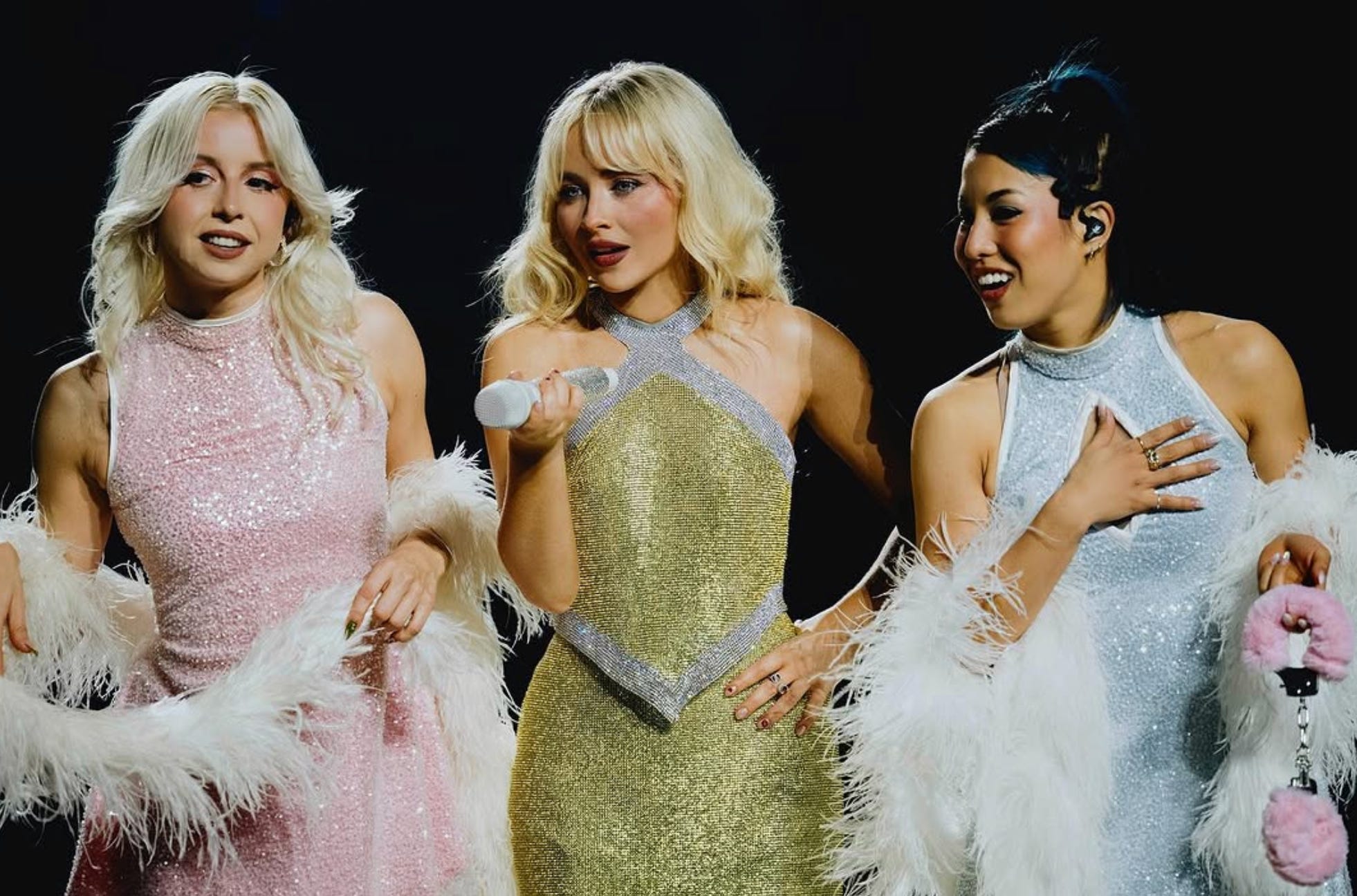
As we get older, the archetypes (hopefully) fall away. The obsessions fade because the obsessions were never about the thing itself but about everything around the thing. We start recognizing the machinery behind the product. We start seeing the same stories recycled over and over. Even the same faces – I mean, they brought back Eartha Kitt and called her Zendaya!
Our actual lives eventually replace our vicarious ones. We gain a sense of who we actually are. We develop interests that speak to us as individuals. Our tastes evolve. With the exception of sports, the things that impassion us as adults are unlikely to have much to do with the things that excited us as adolescents.
(The reason sports continue to remain a passion for many people is actually because they serve a similar purpose of pop culture but do so in the opposite way, seeking to create “legacies” as opposed to “hits.” Which is why sports fandom is often multi-generational and familial.)
Giving a shit about Tate McRae is the first step in giving a shit about the world as a whole. Pop culture teaches us how to look outwards, how to participate. I took “ownership” over the Thompson Twins then the same way I take “ownership” over social issues I care about now. It’s true that one may be more useful than the other, but it’s also true that one is unlikely to happen without the other.
Every generation deserves the freedom to think its music matters more than it does. Every older generation deserves the freedom to stop caring about the exact same kinds of celebs whose posters we would have hung on our bedrooms walls when we were kids. Because aging out of pop culture is part of pop culture, too.
Comments
Nothing yet. Say the first thing.
Sign in to join the conversation.