
Guni-Gunitain is “guni-guni” and “gunitain” combined. It’s part imagination, part memory recollection—but always the result of missing where I came from. I miss the Philippines every day, and this is how I cope.
When someone says “monster,” what comes to mind first? A vampire wrapped in a black cape? A werewolf howling beneath the full moon? A zombie stumbling through deserted streets? For many Filipinos, these creatures became familiar through Hollywood films, TV shows, and books that crossed oceans before reaching our living rooms. They’re entertaining, of course. But, sometimes, I wonder if we’ve become so accustomed to other cultures’ monsters that we’ve forgotten the ones waiting for us in our own stories.
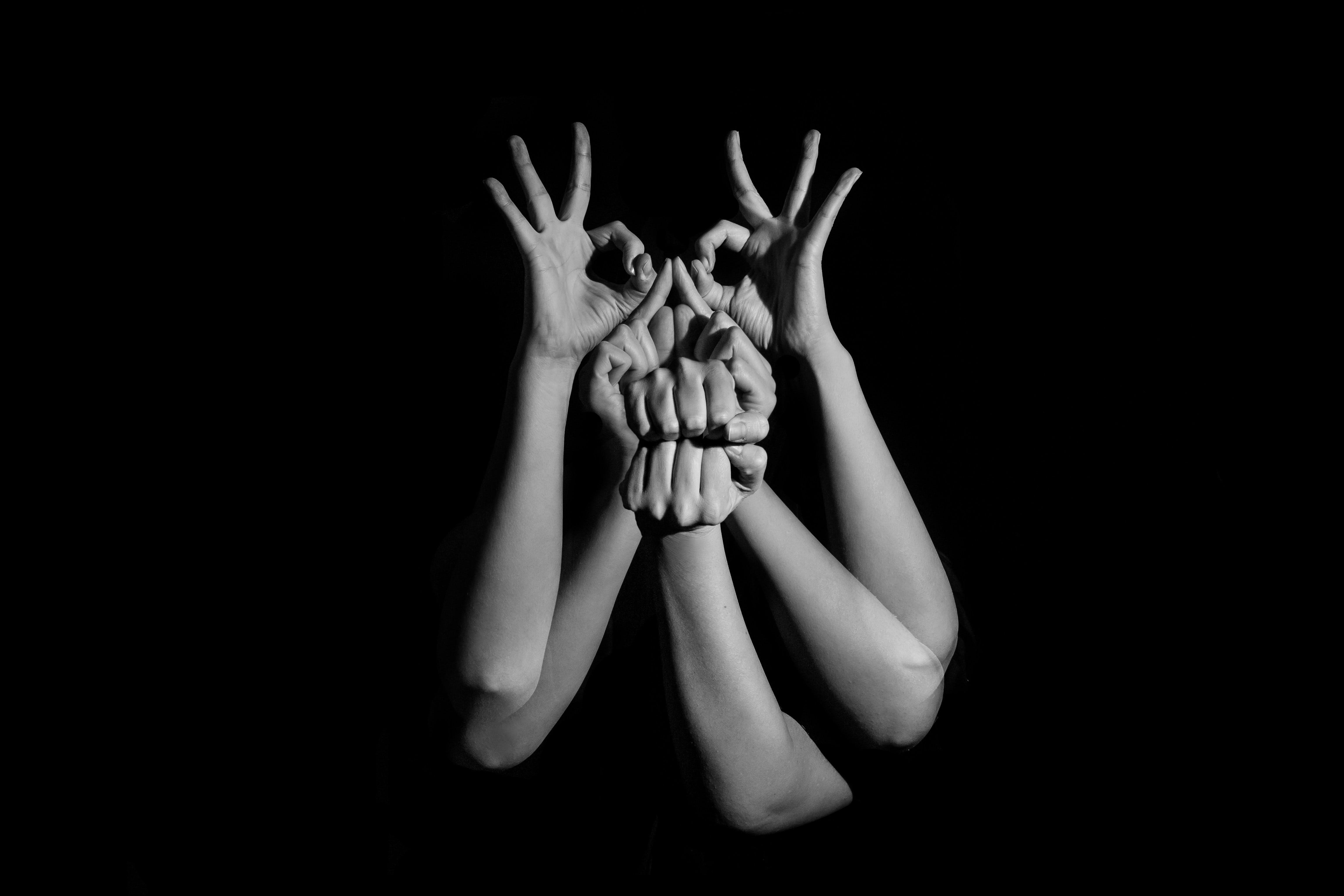
Growing up Filipino—or growing up connected to Filipino culture—you eventually hear whispers of halimaw. Not always from movies. Sometimes, from a grandparent who warned you not to stay out too late. Sometimes, from a tita or auntie who insisted you greet an old anthill before walking past it. Sometimes, from classmates sharing ghost stories during recess. Whether you believe these tales literally or not doesn’t matter. They tell us something about who we are, what our ancestors feared, and what they chose to respect.
If Philippine folklore has an icon, it’s probably the aswang. The word doesn’t describe just one creature. Instead, it’s an umbrella term for a variety of supernatural beings that prey upon humans. Depending on the region, an aswang may be a shapeshifter, a ghoul, or a vampire-like creature that stalks villages after sunset.
Among its most famous forms is the manananggal, or the viscera sucker. Unlike the broader category of aswang, the manananggal is a very specific creature: a woman whose upper torso separates from her lower body at night, sprouting enormous bat-like wings before flying off in search of victims. Traditional stories often describe her feeding on unborn children or the sick using an unnaturally long tongue. The image is unforgettable. Once you’ve seen it illustrated—or watched it on screen—you rarely forget it. It’s also one of the most enduring figures in Filipino horror.
As a child, I wasn’t scared of vampires. I was scared of the mananaggal! Because they were usually depicted in rural settings, I was terrified whenever my family would spend the night in the province. But then I read the Jessica Zafra story about the manananggal in Manila… and it took days before I could sleep, comforting myself by thinking that the long tongue couldn’t possibly come for me because I wasn’t pregnant or ill.
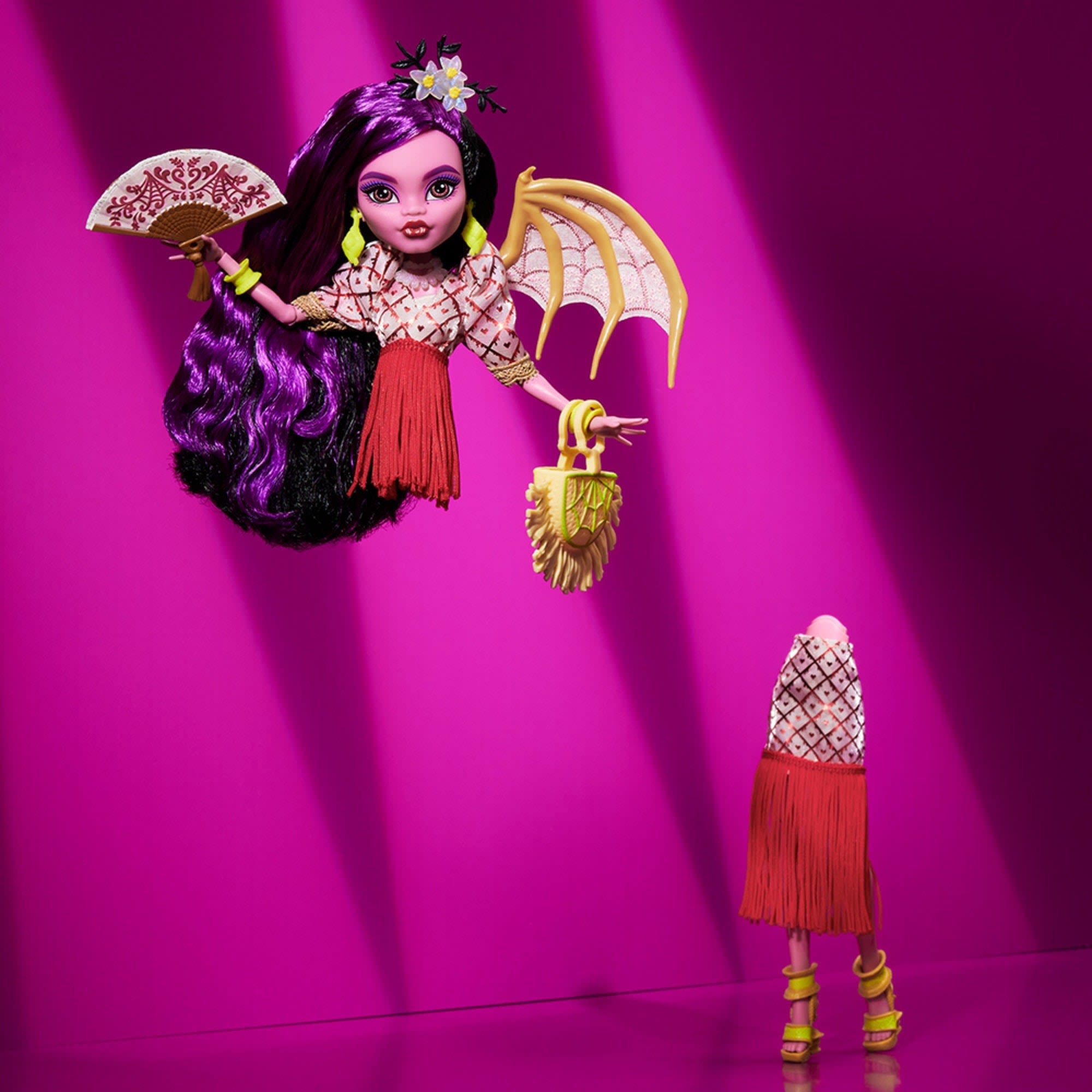
Along with numerous segments in the Shake, Rattle & Roll film anthology series, and TV dramas inspired by Philippine folklore, movies such as the classic Aswang (1992) starring Alma Moreno, Manananggal in Manila (1997)—probably inspired by that scary lead short story in Manananggal Terrorizes Manila and Other Stories by Jessica Zafra—and Corazon: Ang Unang Aswang (2012) continue to reinterpret the legend for new generations. Every retelling changes a detail or two, yet the fear somehow remains familiar.
What’s beyond the paywall?
The Kapre
The Tikbalang
The Duwende and the Nuno sa Punso
The Bakunawa
Looking Beyond the Halimaw
Comments
Nothing yet. Say the first thing.
Sign in to join the conversation.