
Dear reader,
The content of this newsletter talks about SA, grooming, and whiteness. I shared a very personal video this week online. I ask for consent before sharing your story with me or the rest of this community. I understand this issue to be systemic and incredibly painful. I share these words with gentleness so that we may bring these topics to our direct communities. Thank you for being here with me.
I got completely blasted this week by spirit — insistent on sharing my experience with SA with my audience. I had no idea the havoc it would wreak on my nervous system. I’d been having this internal battle with myself for years — playing nice — playing small — to fit into the shape of spaces that are solely meant for exploitation, and more specifically, for men.
A huge portion of my current practice is expanding my capacity to hold more — hold more awareness during sessions as clients move through incredibly large sensations. I’m holding more in my nervous system so that I can speak about topics that used to bring me the most debilitating amount of shame. I’m holding more autonomy in public space as a sober human. I’m holding more accountability in my own practice so that it spews out onto others less. I’m holding more around perception — I am asking for eyes and clients and projects — it means more people are seeing me in ways I’ve never been seen.
I’ve been engaging in conversations about whiteness1 — my own —and the blatant problem we have in this country with whiteness. I understand that my relationship to my own whiteness is learning to work with the sensation of uncomfortability. If I continue to look at the spaces inside that have been protected by whiteness, and thus patriarchy, the better I am able to show up for those who are and have been fighting this system for so much longer than me.
The act of me sharing what is hard combats my relationship to whiteness. The act of me telling peers in my community the ways in which we are complicit with harm combats my relationship to whiteness. It does not absolve my whiteness, it never will, but it means that I sacrifice many layers of comfort around my own whiteness. It means those who heavily identify with patriarchal methods of safety do not feel comfortable around me any more.
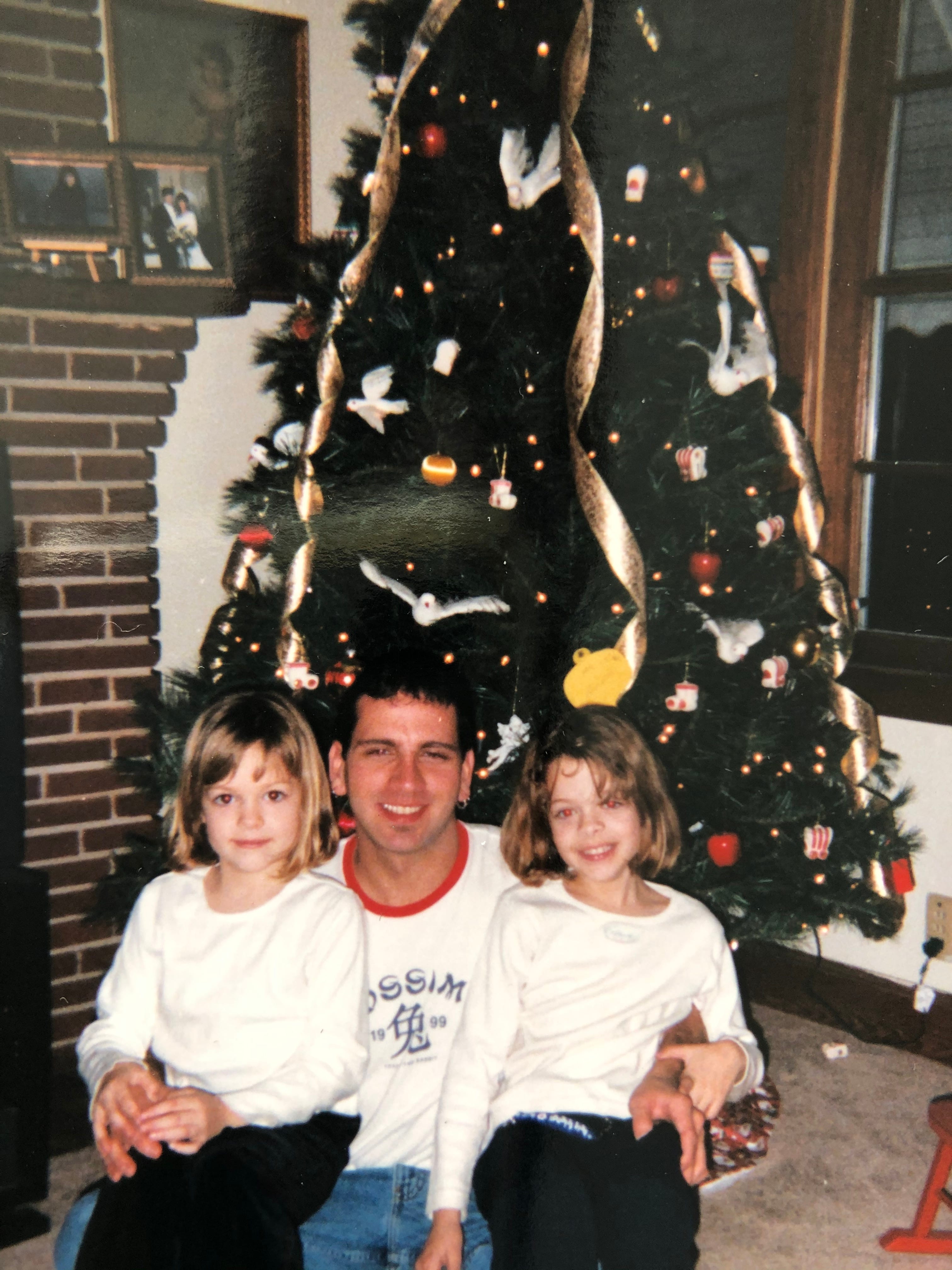
The act of noticing, the act of excavating, the act of holding shame and discomfort in my hands has cracked me wide open. I feel tender, I feel hopeful, I feel completely exposed to experience. My level of tolerance for the ways I talk about my practice, and the ways I actually live my practice has changed. It has changed because I have changed, and one thing I know about change is that it is deeply uncomfortable.
We may sit at our altar and ask for change. We may get on our knees and pray to god for change. We may throw our hands in the air and exclaim “this country has to change!” Change means that our physical body, our spiritual body, our collective body has to do something different. The act of doing something different is hard.
Change means things are lost.
Change means people do not come.
Change means that my proximity to things that are familiar lessens.

I feel grateful to be able to continue to share my experience, to make work that transmutes my pain into true connection. The more I share my experience, the more I understand that my experience is not singular by any means. The more I engage with the stories of survivors, the more I understand the issue to be systemic.
I can say that our proximity to whiteness does not save us. Our proximity to men does not save us. Our proximity to comfort does not save us. Our proximity to fame and fortune does not save us. No one is coming to save us. We are accountable for our actions, for change, and for cultivating connection that is true.
This is for my first Queer ancestor, Chris. He paved the way for me to be here.
Meredith
No posts
Comments
Nothing yet. Say the first thing.
Sign in to join the conversation.