
“A hundred years from now, this picture will still be in existence. Remember that. This is the way people will remember you.” says a publicist (Kevin McCarthy) when a group photo is taken in Robert Altman’s big box-office flop, Buffalo Bill and the Indians, or Sitting Bull’s History Lesson (1976). The phrase “in a hundred years…” is used several times in the film, as the characters are in “the show business” and thus often think about how they will be perceived by posterity.
Altman’s film is now 50 years old, and it supplies a great perspective for the current semiquincentennial. The film may have stiffed big-time at the box office when it came out (on June 24, 1976, a mere week-and-a-half before the wildly hyped Bicentennial) but, like many of Altman’s flops, it’s a timeless piece that only grows in relevance as the years roll by.
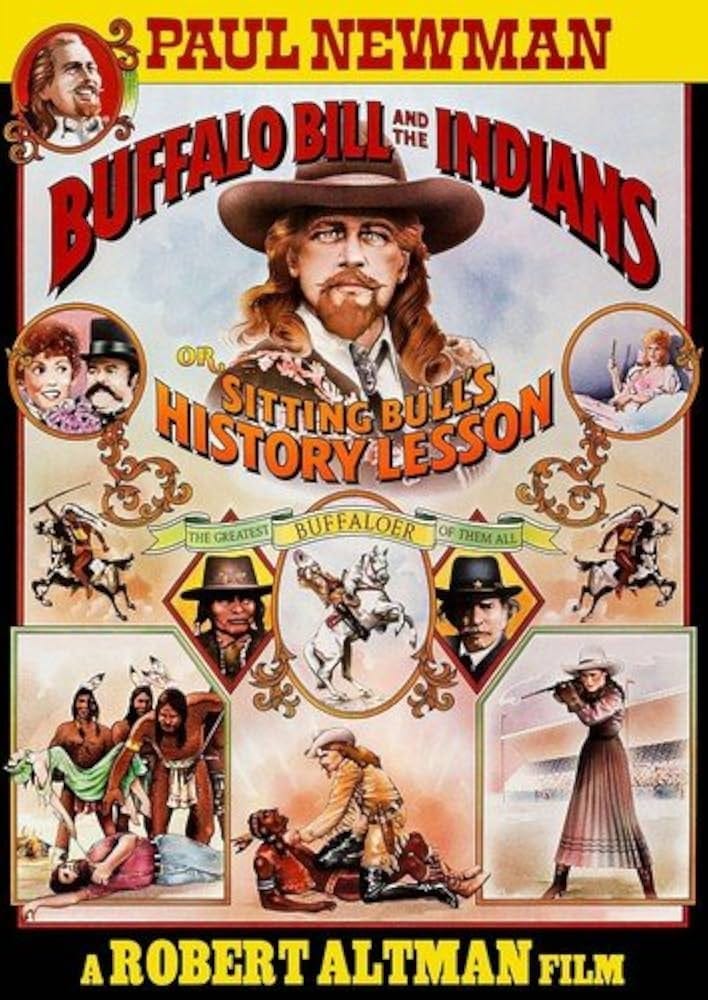
The film followed one of Altman’s most critically acclaimed films, Nashville (1975), and came before he took off in various experimental directions (Three Women, Quintet), ending with Popeye. Buffalo Bill was based on Arthur Kopit’s 1968 play Indians; fledgling filmmaker Alan Rudolph coscripted the picture with Altman. Rudolph’s own films have often been compared to those of his mentor, and here he really was operating in “Altman mode,” telling the stories of a large ensemble of characters and how their lives intersect in a traveling show.
Side note: In 2014, I elaborated Altman’s qualifications to be accurately labeled “the great modern American filmmaker” back in 2014 in this piece.
The critical success (and decent box office) of Nashville made it possible to strike a deal with producer Dino De Laurentiis to make Buffalo Bill. As was almost always the case after he had his first (and biggest) hit with M*A*S*H, Altman was able to call the shots on the film and make exactly what he wanted to make. And what was that? Merely, a ruthless satire on minor subjects like American history, show business, and the art of storytelling in America.
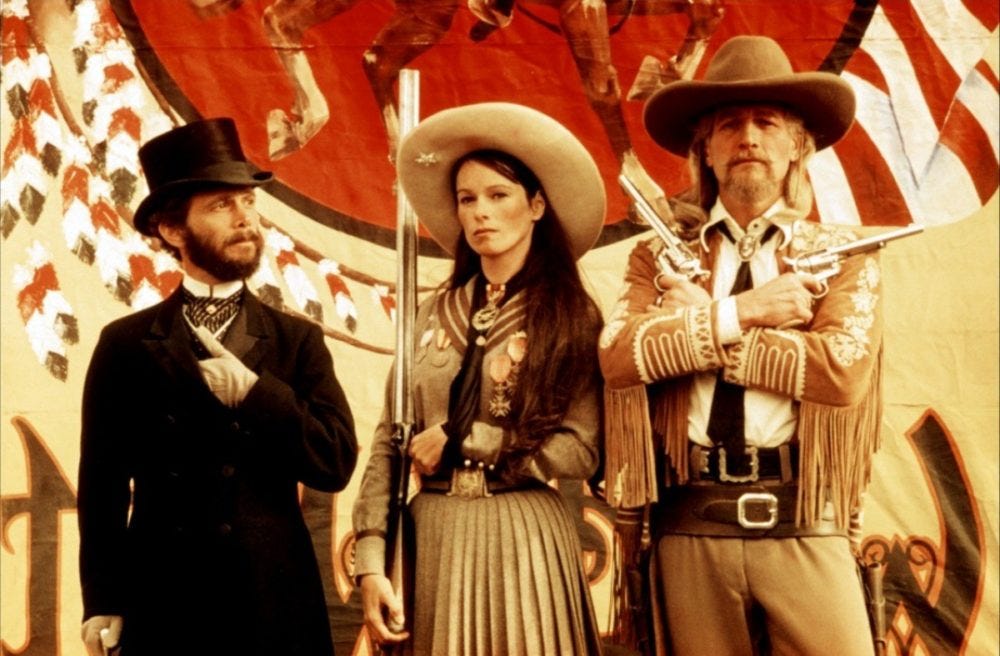
The film depicts its hero, “Buffalo Bill” Cody (Paul Newman, whose blue-eyed good looks are in perfect service to the character), as a liar who has claimed that the heroic deeds in dime-novel stories about him written by Ned Buntline (played exquisitely here by Burt Lancaster) are all true. He has joined with a theatrical producer (Joel Grey, once again assuming the role of MC of a show that is about more than it seems) to headline a traveling show that presents the Wild West that Americans wanted to believe was true.
As was always the case with Altman, the cast here is a perfect ensemble, with Geraldine Chaplin as Annie Oakley, Harvey Keitel as Buffalo Bill’s subservient nephew, Kevin McCarthy as the show’s publicist, Will Sampson as the translator for Sitting Bull, and, the wildest card of all, Pat McCormick and Shelley Duvall as President Grover Cleveland and his wife.
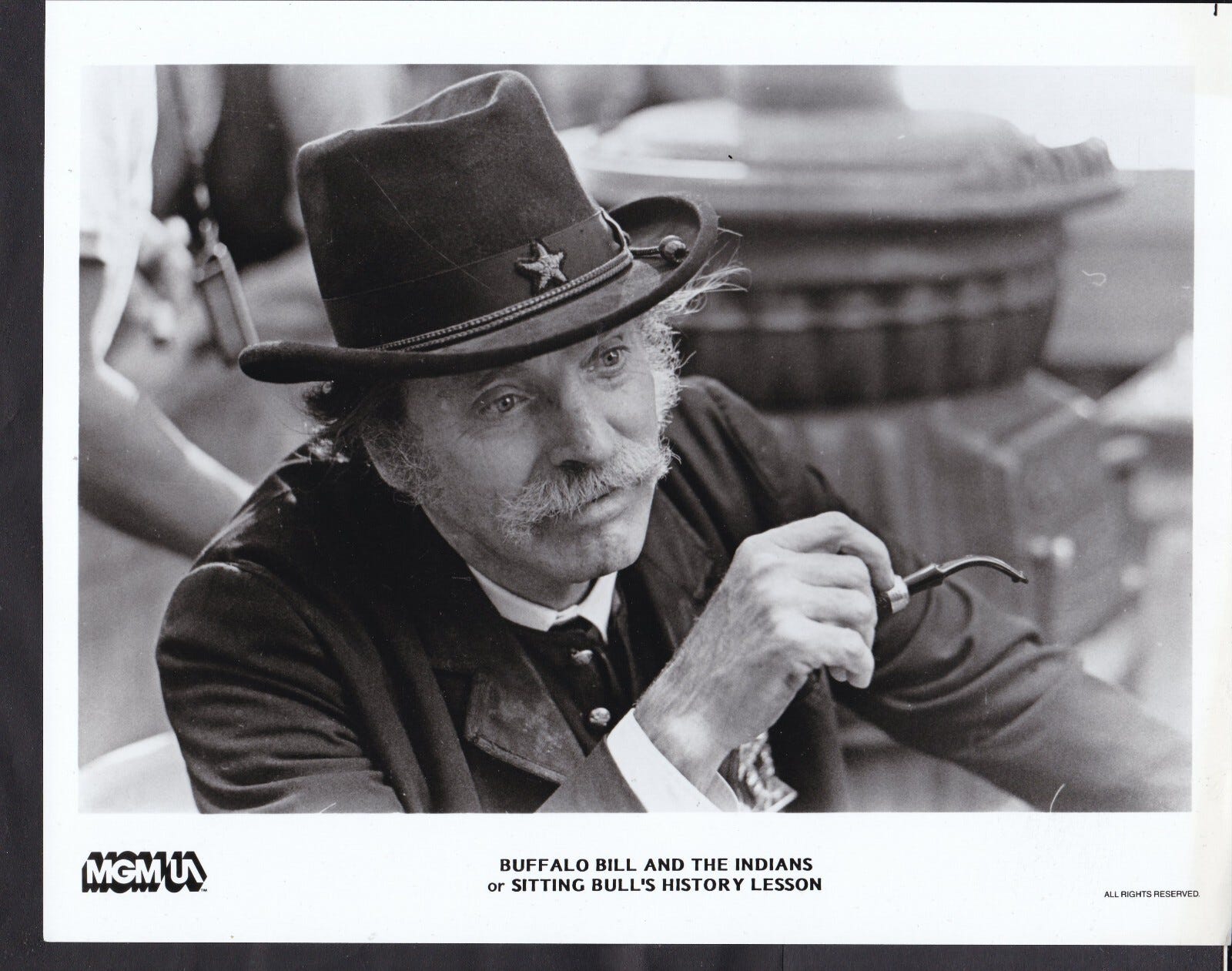
What matters, here, though, are Altman’s persistently probing visuals (carefully moving in and out of the characters and their spaces) and the sharp dialogue, which reaches its peak in two scenes near the end — one where Buntline and Cody meet again in a bar and another where Buffalo Bill is haunted by the ghost of Sitting Bull.
The “maverick era” in Hollywood produced several revisionist Westerns, from Little Big Man and Altman’s own McCabe and Mrs. Miller to the lacerating cowboy pictures of Sam Peckinpah. Buffalo Bill is not a Western in that sense. Instead, it is a critique of the many lies that underpin American history and how show business in the modern sense evolved to give the public a complete sense of artifice, right down to asking them to believe the utter bullshit being fed to them by both their government and those who showcased the myths of the Wild West for fun and profit.
This was, of course, a hard sell coming as it did in mid-’76, after Jaws had come along and paved the way for tentpole pictures that made zillions of $ and essentially became Hollywood’s main concern, with a bare minimum of adult scripting and a “thrill ride” structure that kept (Eighties phrase) “blowing you outta the theater!” An audience looking for that kind of movie experience did not want a literate script that told the viewer that the myths of America are built on lies and “balderdash” crafted by guys in need of a quick buck off a pulp hero.
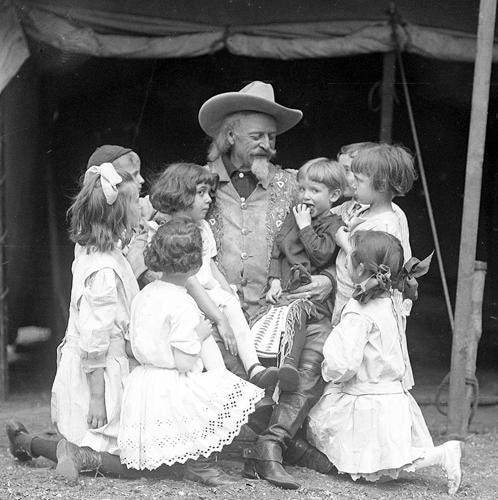
It’s quite sobering and impressive, though, to hear Rudolph and Altman’s (and, no doubt, Kopit’s) dialogue directly addressing America’s colonialist impulse and its view of the native people that were genocided off of their land – especially on a patriotic holiday like the one that just passed. Throughout the film, some terrific lines go by very quickly, in the classic Altman style: at one point it’s noted that Sitting Bull considers history to be “disrespect for the dead.” At another, a journalist (Allan Nichols) remarks when asked if Sitting Bull is in show business, “If he wasn’t interested in the show business, he wouldn’t’ve become a chief.”
At various points we hear Lancaster’s Ned Buntline, the man who created the myth that is Buffalo Bill, expounding on why Cody was the perfect person to become a fake Western hero: “No ordinary man would have the foresight to take credit for acts of bravery and heroism that he couldn’t’ve done. And no ordinary man could realize what tremendous profits could be made by telling a pack of lies in front of witnesses, like it was the truth. No, Bill Cody can only trust his senses. And when his senses fail him, he might just see things as they really are.”
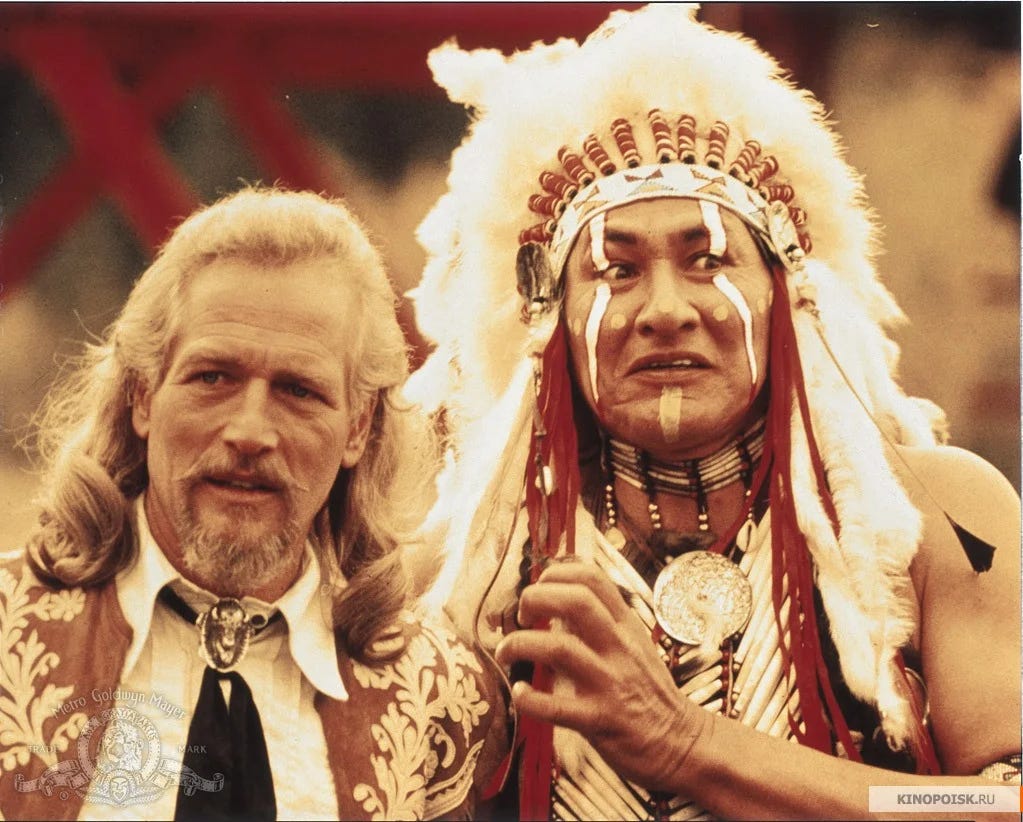
It’s when Cody (mentioned as “America’s national entertainer”) meets Buntline for the first time in years that the dialogue directly addresses Cody’s triumph as a fictional character that the American public could believe in. Lancaster is viewed head on, but Altman makes sure to show Newman in a mirror through most of the scene.
And here is where the Western hero can be seen as an earlier version of what became the movie star. Buntline: “You ain’t changed, Bill.” Cody: “I ain’t supposed to. That’s why people pay to see me.” Buntline soon bids Cody farewell after praising him to the heavens (while we see Cody in a mirror, regarding himself). Buntline’s final valedictory: “Buffalo Bill... the thrill of my life to have invented you.”
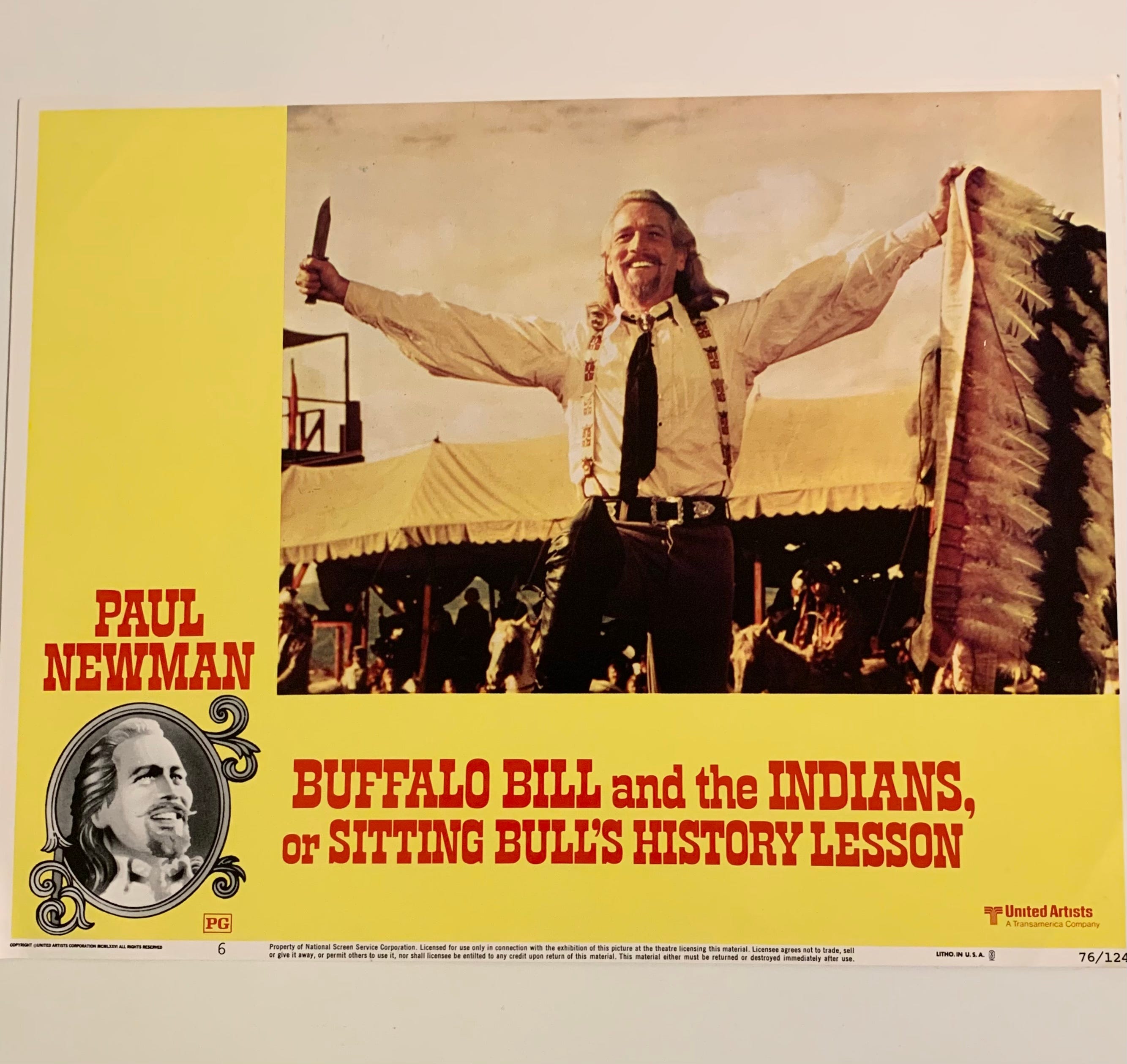
Thus, the myth is hailed as eternal, only to be disbelieved by, y’know, those who decide to do some research into what really happened. “Twas ever thus” — and it’s plain that the “entertainers” in show business and politics that Altman depicted in Buffalo Bill are not remote, hard-to-relate-to figures; they’re completely identifiable in 2026, with only the nuances of the deception having changed over the years.
One can’t anticipate how Altman’s films will be perceived “in a hundred years.” But now (especially right now), a half-century on, Buffalo Bill has a hell of a lot to say about the way that show business and American politics operate.
No posts
Comments
Nothing yet. Say the first thing.
Sign in to join the conversation.