
Our MAD Monday Digest hits the June highlights, features editorial cartoons, identifies actions you can take to fight back against the regime’s authoritarian attack on journalists and media, and much more. Blocking media mergers continues to top our list of concerns, and we took a deep dive into media ownership and capture.
Link to the Full Slide Deck June’s MAD Monday slides can be accessed here.
JOIN US! At the next MAD Monday on July 6, at 7:00 pm ET. Register here to join us! NOTE: From July onward, MAD Mondays with be on the first Monday of each month.
ACTIONS OF THE MONTH
Block the Paramount/Warner Brothers Merger. Update on Nexstar/TEGNA
Paramount/Warner Brothers merger status: In June, Trump’s DOJ cleared Paramount Skydance Corp.’s acquisition of Warner Bros. Discovery Inc. California Attorney General Bonta is challenging this merger, along with other states, and several more are mulling over a possible challenge to the deal.
The crucial point is that neither merger is a done deal. They still receive strong support from the administration and FCC Chair Brendan Carr, but they are also receiving increased and more widespread pushback from the public, courts, and attorneys general from a number of states.
CALL TO ACTION: Contact your state Attorney General. If you live in a state where the AG is already participating in these actions (California, Colorado, Connecticut, Illinois, New York, North Carolina, Oregon, and Virginia), thank them! If not, ask your attorney general to join the California AG in investigating Paramount-Warner Brothers Discovery merger and to join the other AGs that have filed to block the Nexstar-TEGNA merger.
If you’ve contacted your AG before, contact them again. Let them know you’re still concerned and are wondering if they are planning legal action.
Contact information for state AGs is here. If you’re in the film, television, or media industry, check BlocktheMerger.com for special actions you can take. Also, find out which company owns your local news and take action! A list of Nexstar, TEGNA, and Sinclair stations is here. Finally, Congressional representatives are also beginning to weigh in on these mergers, so contact your representatives and urge them to do the same.
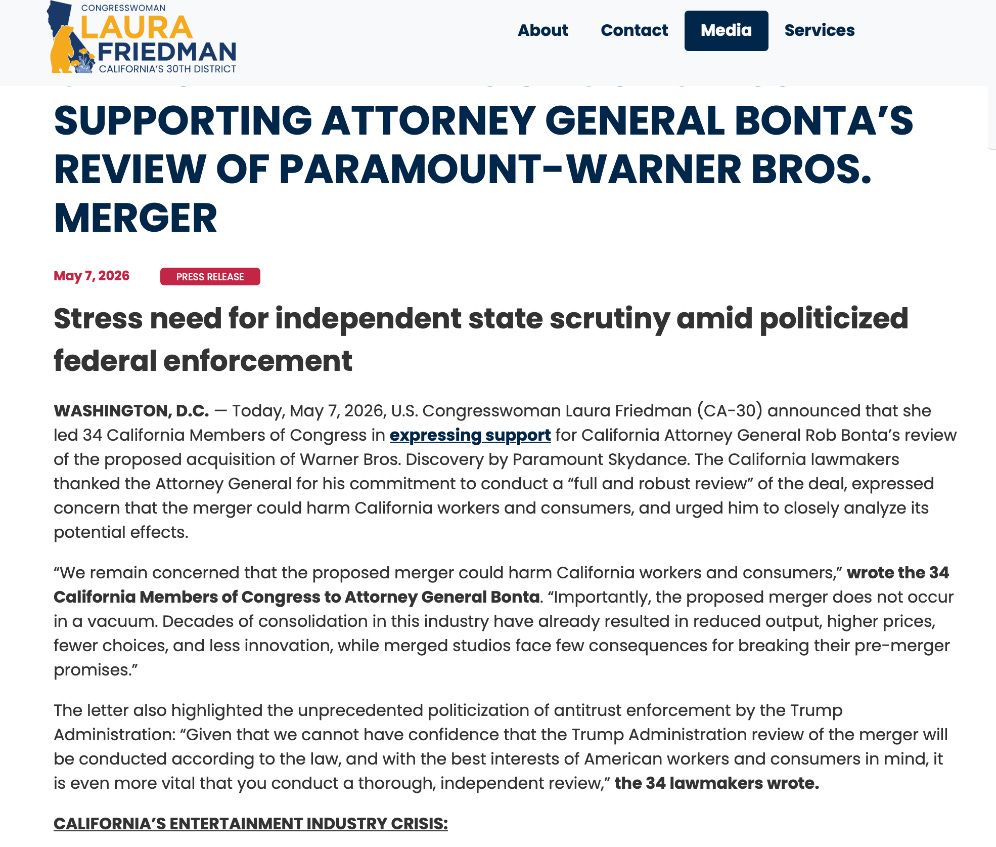
When communicating with your attorney general, emphasize the following points, as well as any other concerns you may have.
This merger is happening only because of corruption. Larry Ellison, who is financing this deal personally, is friends with President Trump.
Highly concentrated consolidation of media results in fewer jobs and fewer viewpoints being expressed. It results in a less-informed public, which is bad for democracy.
The Paramount merger involves a high level of investment from foreign countries, which will chill critical news coverage of those countries.
Currently, media content is produced by a variety of companies and independent producers, giving Americans a wide assortment of subject matter to choose from. Under the Paramount merger, many fewer producers will provide content, resulting in much more homogenous content.
The merger puts a huge chunk of media in the hands of just a few very wealthy people.
This will chill freedom of speech – concentrating CNN, HBO and many cable stations under the personal control of the Ellisons.
Great news! The Nexstar/TEGNA merger is paused: Nexstar secured FCC and Department of Justice (DOJ) approval for the transaction, but in April, a bipartisan coalition of attorneys general challenged the Nexstar/TEGNA merger in court, and the Eastern District of California issued a preliminary injunction. Nexstar has appealed.
Watch Democracy Under Siege
MAD hosted another screening of Laura Nix’s “Democracy Under Siege” and a lively discussion afterward. If you’d like to see discussions from both showings, you can watch them here (Gigi Sohn, Laura Nix, and Marj Safinia) and here (Pulitzer Prize-winner Ann Telnaes, Seth Stern, and Laura Nix).
Join the MAD Local Journalism Action Team
Do you want to help improve local news? We’re forming the MAD Local News Action Team to discuss what we’re doing and could be doing to support local news. The group will meet every fourth Wednesday on Zoom, beginning this month on July 21. To participate, register here.
Join the Monthly Hero Team
Which media heroes do you think should be highlighted? Join our monthly Hero Team meeting to discuss potential options with others and let others know why your suggestion should be named a hero.
Read and Share MAD’s Blog
MAD publishes writing on a diverse range of media-related issues. If you haven’t yet read the blog, take a look and share it with friends.
JUNE MAD MONDAY HIGHLIGHTS
Deep Dive: Media Ownership and Capture
Media Justice’s excellent report “Media Capture: Who Controls the Story Controls the Future” provides an insightful summary of the oligarchs who are buying up and consolidating media, why they’re doing it, and the impact it’s having throughout our news and entertainment landscape. As the number of companies owning our media lessens, so do the voices that get to tell their stories.
FCC chair Brendan Carr’s abandonment of FCC independence in exchange for loyalty to Donald Trump’s agenda is just the culmination of a crumbling U.S. regulatory structure around our media that has been happening for decades, through numerous administrations.
Media capture is “a form of systemic corruption in which mass media is controlled by governments, corporations, or powerful individuals to serve their own interests instead of the public interest.
And here we are. Despite what the media companies themselves state, our current slate of media mergers isn’t about profitability, it’s about control. Case in point: the Trump-allied Ellison’s purchase and reorganization of CBS. Ellison hired Bari Weiss, owner of the conservative The Free Press and a person with no broadcast journalism experience, as editor-in-chief of CBS News. Since then, she’s fired numerous women and minority staff, 60 Minutes has been decimated (including the recent firing of longtime journalist Scott Pelley), and news coverage has swung sharply to the right. As a result, ratings have plummeted. These moves were not made to make the network more profitable; they were made to create a network more aligned with Trump and his policies.
We see other examples of this, such as Elon Musk’s purchase of Twitter, now X. It’s still less profitable than it was when Musk acquired it in 2022, but the platform enables Musk to control its algorithms and allow disinformation to be disseminated on the site.
Get to know who owns the media you engage with. It will help you determine how confident you are in how they portray the news. And when you refer to the organizations, use their ownership in the name. Rupert Murdoch has long been known to own Fox, and that knowledge has shaped people’s views of the network. Knowing who owns and controls each network—and letting others know—helps us all gauge their credibility and partisanship.
Even without the potential upcoming mergers, Ellison’s consolidation of American media is extreme. The graphics below illustrate his current holdings and the extensive opportunities of potential acquisitions. They go far beyond the companies that a “Paramount-Warner Brothers merger” might suggest.
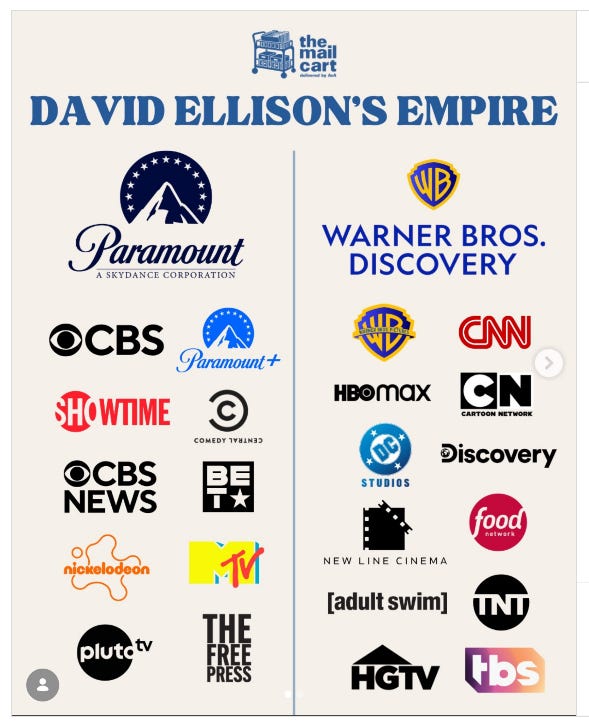
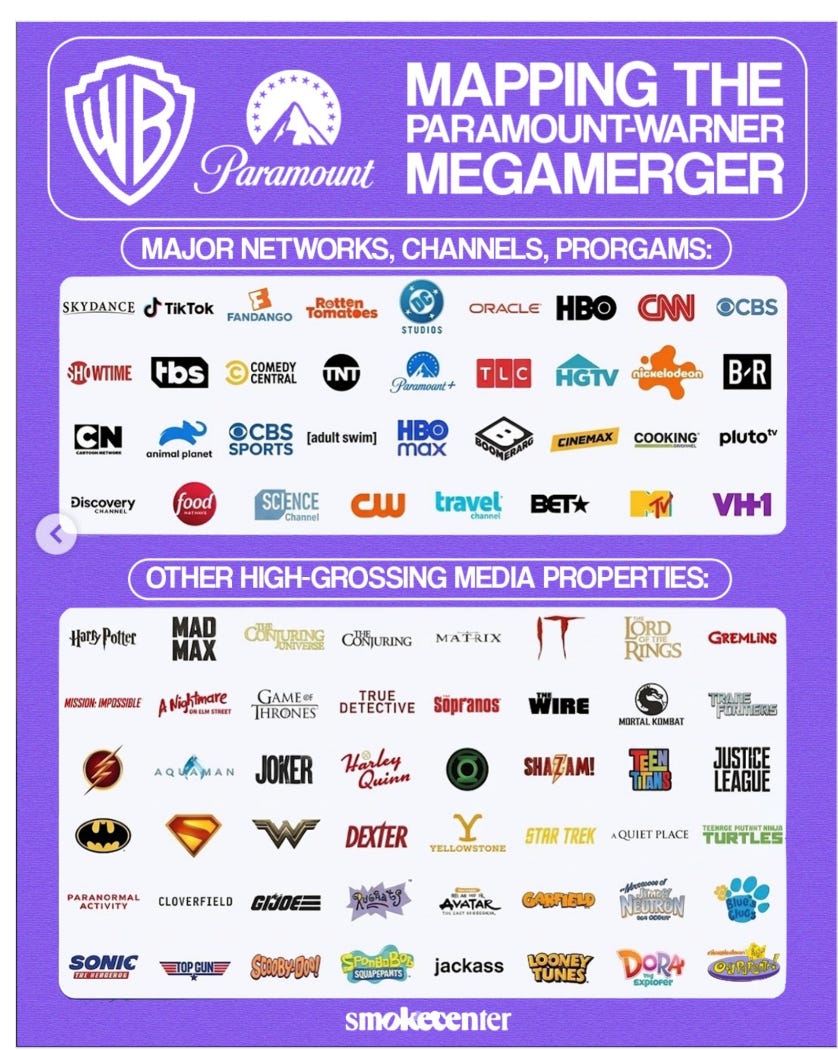
Larry Ellison himself has made it quite clear that he’s more interested in helping to create a police state than he is in improving media options for American citizens. Contact your state attorney general to prevent Ellison from expanding his control over our media.
Good News
Sports Politika (Karim Zidan)
Sports may or may not be high on the list of things that come to mind when you think of politics, but anyone who listened to New York Mayor Zohran Mamdani’s speech after the Knicks won the NBA championship this month can’t deny the power of sports in bringing people together and inspiring hope in a community. Karim Zidan’s Sports Politika explores the intersection of sports and politics, illuminating the impact of sports on politics and culture in a unique way.
The Associated Press
Again, the Associated Press (AP) continues to be a beacon of original-source journalism. The AP’s 3,300 journalists around the world offer fact-based news with minimal opinion and bias, and they advocate strongly for press freedom.
Language of Our Times
Our phrase of the month, “memorandum of understanding,” is more often used in corporate boardrooms than in peace talks. But given an administration that looks at every situation as a commercial transaction with a bottom line, it seems an appropriate phrase to describe the terms of an agreement outlining the potential cessation of hostilities with Iran.
Heroes of the Month
Once again, June brought us two Heroes of the Month: Scott Pelley, formerly of 60 Minutes, and Santiago Campos, 2026 recipient of the Mike Wallace Memorial Scholarship, funded by CBS News.
Scott Pelley has had a long, distinguished career in broadcast news, first working in local news in New York City and Dallas, and then at CBS and 60 Minutes. Throughout his decades in the field, he has reported from the front lines of war zones and has conducted high-profile interviews with presidents. He was recently fired from 60 Minutes for his criticism of the changing management, culture, and firings at Paramount and CBS. Afterward, he spoke critically about the situation at CBS and 60 Minutes.
Santiago Campos is an 18-year-old high school student who covered immigration for PBS NewsHour and Student Reporting Labs. He plans to use his scholarship to attend Georgetown University. In his acceptance speech, Campos took the bold move of criticizing recent changes at CBS.
Although they’re at opposite ends of their journalistic careers, both Pelley and Campos share an increasingly rare character trait—the willingness to criticize the hand that feeds you in the interest of the greater good. We hope they’ll serve as an inspiration to others as media capture and oligarchic control of our media continue.
MAD Report Cards
Grades for the big three newspapers continued to lag well behind that of the Associated Press.
Sulzberger’s New York Times: D
Bezos’s Washington Post: D
Murdoch’s Wall Street Journal: D
Associated Press (AP): B
Editorial Cartoons
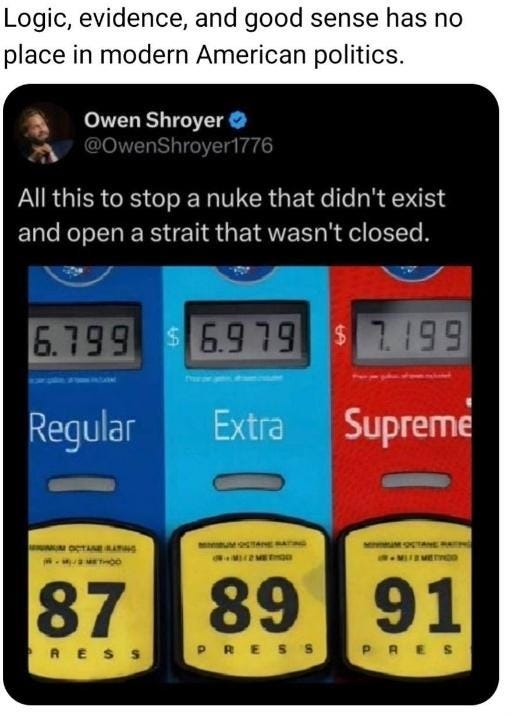
Should Be Front Page But Isn’t
(A)
(B)
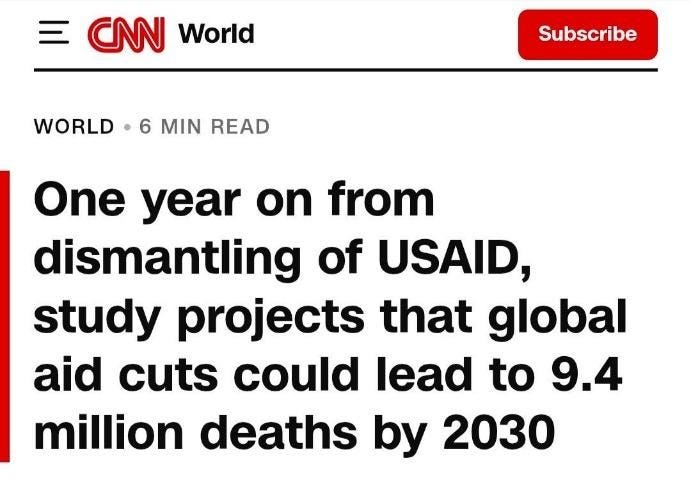
(C)
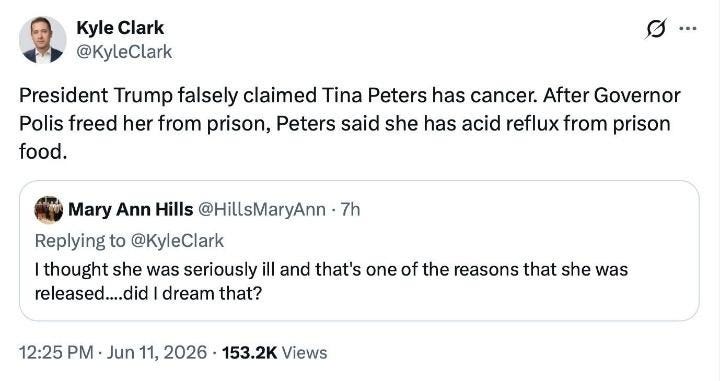
(D)
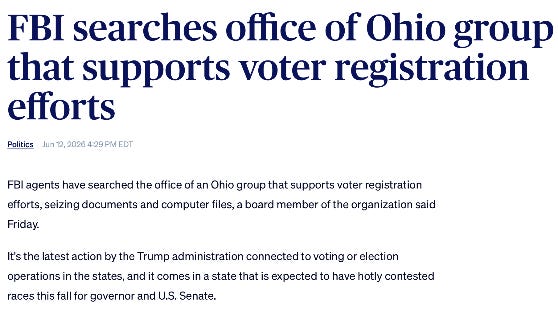
(E)
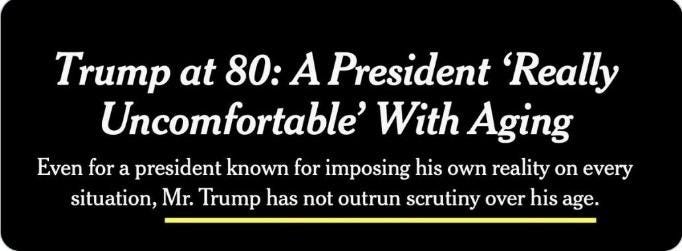
The Winner: During June’s MAD Monday meeting, voters selected “D”. What do you think?
MAD in the Media
MAD’s own Jonathan Reiss offers his take on prediction markets and journalism In Kaleigh Rogers’ excellent article, “The rise of prediction markets is creating new ethical headaches for journalists” in Poynter.50.
The Grassroots Connector’s “Give Us Your Ideas — Part 3” identified the Media and Democracy Project as a grassroots organization holding the media accountable in supporting democracy.
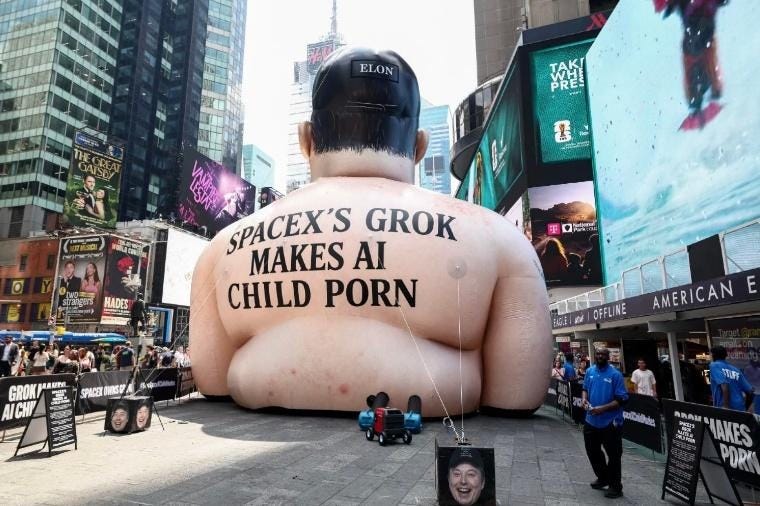
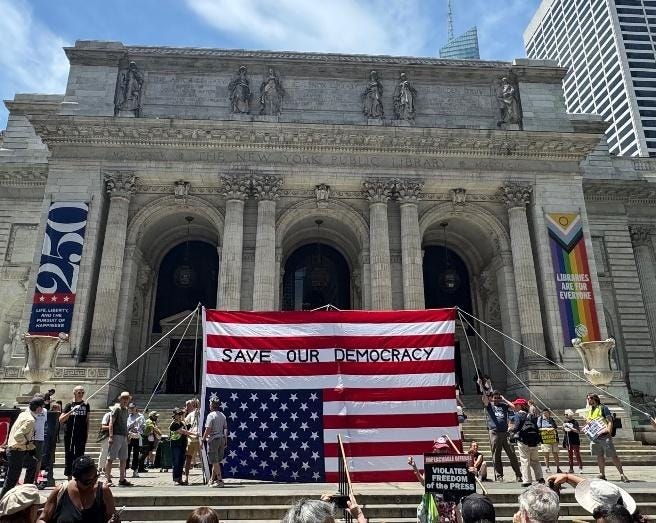
Guerilla Messaging
These days, communications are too important to be left solely to the professionals. Democracy protectors are becoming adept at taking their pointed messages to the streets, bypassing the traditional media and its restraints.
Link to the Full Slide Deck
June’s MAD Monday slides can be accessed here.
JOIN US! At our next MAD Monday
Our next Mad Monday will be on July 6, at 7:00 pm ET. Register here to join us! NOTE: From July onward, MAD Mondays with be on the first Monday of each month.
Comments
Nothing yet. Say the first thing.
Sign in to join the conversation.