
In this issue
we take you on a time travel to the start of med-dev,
share some health-tech news about how to measure stress in real time and
end with an important announcement for the med-dev community. 🤫
What happens when you have too many ideas, too little sleep, and a deep love for both medicine and technology?
Exactly: You start med-dev.
To kick things off, we talked to one of the founding minds behind it all – or rather, we asked Vivi a few very serious questions. And a few not-so-serious ones. The result? A mini time-travel with a wink to where it all began.
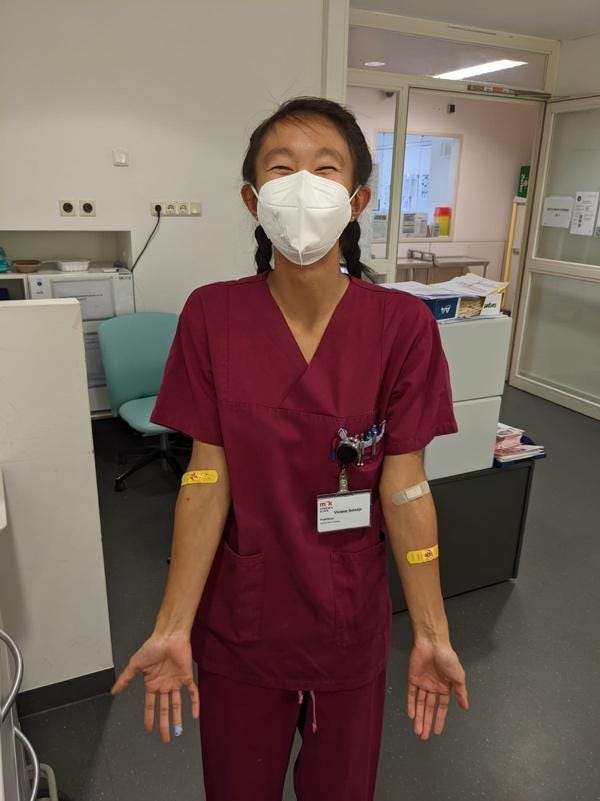
🛠️ 1. When did you first think: I need to start med-dev?
“I first got the idea during my Masters in computer science when I was working on one of my med tech related research projects. We had to wait for a doctor to come to explain what the images we were training our algorithm on for the past months actually show - for me, they were just 50 shades of grey.”
👩🔬 2. What do you wish you'd known earlier about the connection between medicine and tech?
“How hard it is to properly understand the other field! You think you get it, but once your project is launched, you often see it fail at reality. And if you actually do get the use case right, you fail at bureaucracy.”
🕹️ 3. What would be the title of your Netflix doc about founding med-dev?
“Bob the builder - with the mentality of: Can we fix it? Yes, we can!”
🧰 4. What other project would you have loved to build with ten clones of yourself?
“I always love to make some music, so probably a one person band!”
🔬 5. When your coder-self bumps into your clinician-self – what’s the first line of code... or conversation?
“Let's fight viruses in both patients and their computers.”
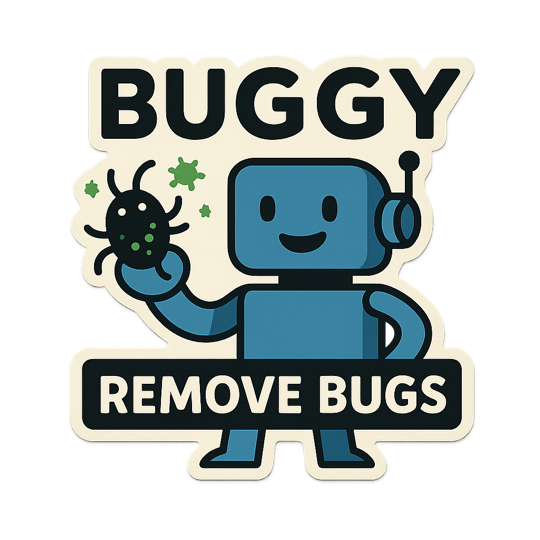
🎉 + Bonus: If med-dev had a mascot robot, what would it be called – and what would its superpower be?
“Buggy - remove bugs!” 🦠
med-dev started as an idea – and it comes to life through all of you.
You’re doctors, engineers, creatives, problem-solvers. You’re curious, driven, a little bit sleep-deprived, and absolutely visionary.
Let’s build the future of health together! Each newsletter highlights a recent health‑tech breakthrough. This time, it's about stress—because we all deal with it.
Cortisol, often referred to as the prototypical “stress hormone”, is a vital steroid hormone produced by the adrenal glands. It plays a central role in metabolism, immune regulation, and the physiological stress response. Abnormal cortisol levels are associated with serious conditions such as Cushing’s syndrome (excess cortisol) and Addison’s disease (cortisol deficiency) [1], but also depression and post traumatic stress disorders [2].
Measuring cortisol levels can provide valuable insights into stress and health. Despite this, in everyday clinical practice, especially in psychiatry, cortisol testing remains rarely used [2].
Why measuring cortisol is tricky:
Cortisol follows a complex diurnal rhythm. In the case of the mentioned conditions, the typical cortisol profile that is peaking in the early morning and tapering off throughout the day is already out of balance.
Individual differences in chronotype (i.e. “larks” vs. “owls”) further complicate standardized cortisol measurement. Variations in sleep-wake rhythms can significantly influence cortisol levels, making it difficult to interpret results in a meaningful way within routine psychiatric settings [3].
Traditional methods for measuring cortisol are expensive, time-consuming, and require biological samples such as saliva or urine to be sent to laboratories for analysis. The most common techniques, liquid chromatography-tandem mass spectrometry (LC-MS/MS) or enzyme-linked immunosorbent assays (ELISA), are reliable but resource-intensive [1].
In recent years, however, research has begun to explore more practical and patient-friendly alternatives. Advances in sensor technologies have led to the development of portable, non-invasive devices that aim to measure cortisol in real-time at the point of care. While these technologies are still emerging, they could make hormone monitoring more feasible across clinical and non-clinical settings alike.
Several startups have begun working on wearable solutions that measure cortisol through sweat or skin-contact sensors:
Corti – focusing on wearable stress-tracking via sweat analysis.
EnLiSense – developing real-time biochemical sensors integrated into wearables.
Xsensio – building lab-on-skin technology for continuous hormone and biomarker monitoring.
While these developments are promising, it remains to be seen how well they will integrate into clinical workflows and whether they can address the complexities of cortisol dynamics in mental health care. Still, they represent a step toward more accessible and individualized monitoring of physiological stress.
We’re looking for a select group of driven, curious, and committed people to join the first batch of the med-dev Inner Circle – our most dedicated core community.
As a member, you’ll get:
🌐 Direct access to founders, speakers & partner orgs
📩 A spot in our monthly Talent Snapshot for top medtech companies
🤝 A high-level network of innovators like you
🧠 Opportunities to co-create, publish, and take on official roles
📜 Recognition with a med-dev Inner Circle certificate
🎟️ Early access to events
🔥 And the chance to join our organizing team
This is your chance to shape the future of med-dev from the inside – and grow with it.
👉 Apply now: https://forms.gle/XJRRc1CRTRwsxUCv8
💥 Spots are limited!
At brainlab, we got an insight into how healthtech inventions can transform surgical planning and patient care…
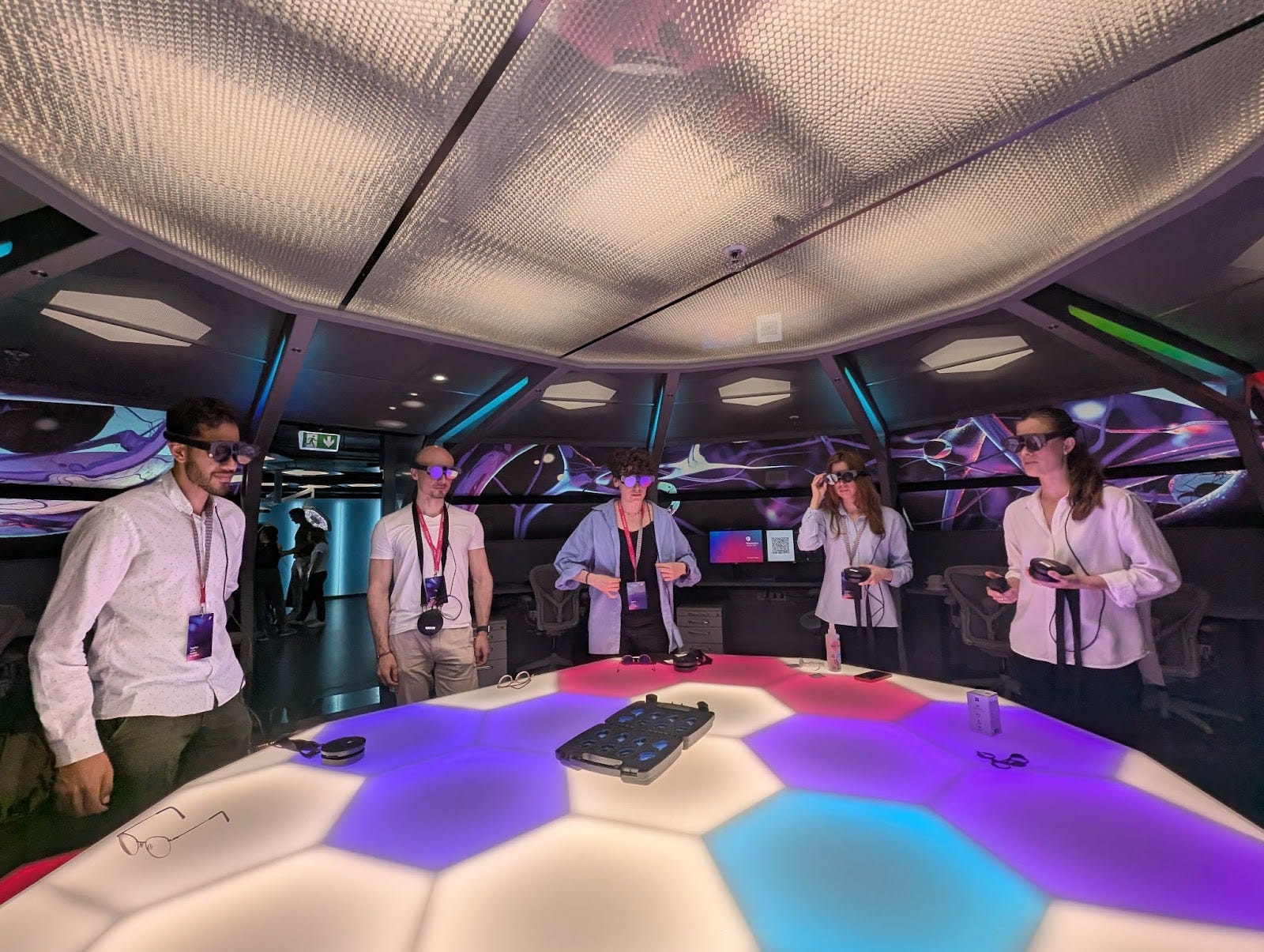
… at the automatica conference, we connected with innovators, scientists and techies and discussed current healthcare topics…
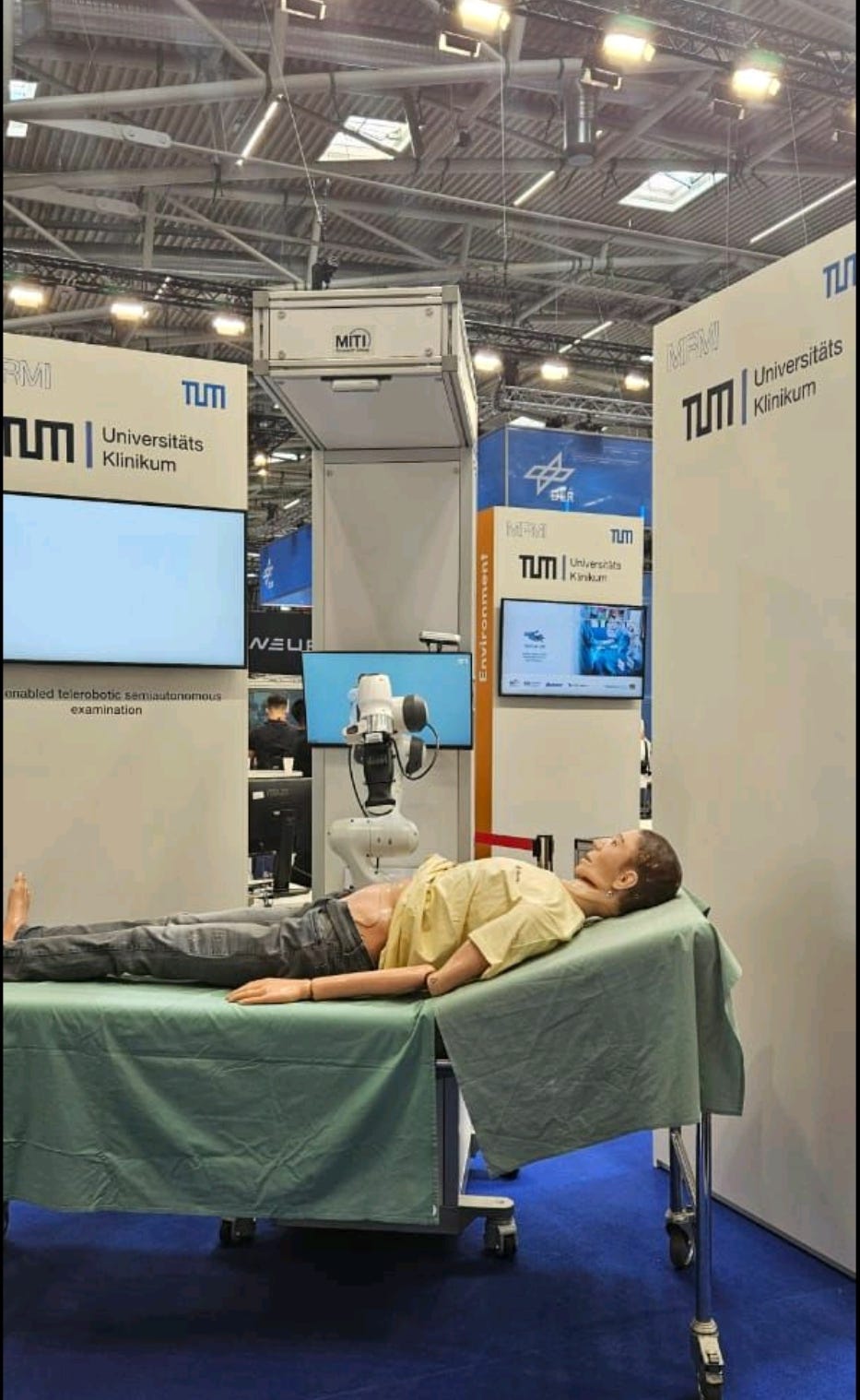
… and at Life Science Factory we learned how to build a startup from a science project!
🚀 Get ready for an Exit Masterclass at OMMAX on 17th September 2025.
👥 Connect with each other at a big community event in October - stay tuned for more details in the next issue! 😄
Got a project, an idea, or just feel like nerding out about the sense (and nonsense) of health innovation?
Then subscribe, share the med-dev spirit, pitch us a topic for the next event – or join one of our teams.
📬 Contact: med.dev.community@gmail.com
📱Website: med-dev.org
P.S.: Vivi says if you want a Buggy sticker, just yell BEEP! loud enough and it might materialize.
No posts
Comments
Nothing yet. Say the first thing.
Sign in to join the conversation.