
The Film Industry Doesn’t Run on Money. It Runs on Ecosystems.
The real currency of cinema isn't capital—it's trust.
By Mauro Mueller / El Suizo
Every few weeks, I receive some version of the same email or inquiry: “How do I finance my feature?” Sometimes the question is more specific. “How do I find private investors?” “Where do I meet wealthy people willing to put money into films?” Or my personal favorite: “How do I convince a dentist to finance my movie?” The question is always sincere, and I completely understand where it comes from. Whether your first feature costs $50,000 or $5 million, financing feels like the one obstacle standing between you and finally being able on set and calling “Action.”
Most filmmakers assume the answer is simply finding the right source of capital. Maybe it’s a wealthy entrepreneur looking for a passion project. Maybe it’s a private equity investor, a government film fund, a crowdfunding campaign, a generous family member, or someone hoping for a tax break. Entire conversations about independent filmmaking revolve around where the money comes from, as if financing were a treasure hunt and success belonged to the filmmaker who happened to discover the right chest of gold.
I’ve become convinced that most filmmakers are asking the wrong question. The question isn’t, “Where do I find the money?” The better question is, “How do I become part of the ecosystem that eventually trusts me with the money?” That may sound like a subtle distinction, but I believe it changes everything. Films are rarely financed because someone simply falls in love with a script. More often, they are financed because an entire network of people has slowly developed confidence in the filmmaker (or the team) behind it.
Ironically, finding private equity can sometimes become its own trap. Raising two or three million dollars entirely outside the film ecosystem may sound like the dream, but money alone doesn’t necessarily make a healthy film. Investors often come with expectations, creative opinions, unrealistic timelines, or financial structures that become difficult to manage once production begins. And even if everything goes smoothly, you may end up with a finished film that exists largely in isolation. The money helped make the movie, but it didn’t introduce you to producers, sales agents, festival programmers, distributors or future collaborators. In other words, it financed a project but it didn’t necessarily build a career.
That’s why I think the real challenge isn’t learning how to raise money. It’s learning how to become part of an ecosystem that creates trust over time. Because in filmmaking, trust is the currency that usually arrives long before the financing does.
Money Doesn’t Arrive First. Trust Does.
When people imagine film financing, they often picture a single breakthrough moment: one meeting with the right investor, one successful grant application, one producer who says yes, and suddenly everything falls into place. Of course, those moments do happen, but they’re usually the visible conclusion of a much longer process. More often than not, financing isn’t one big victory, it’s dozens of smaller pieces slowly coming together over several years.
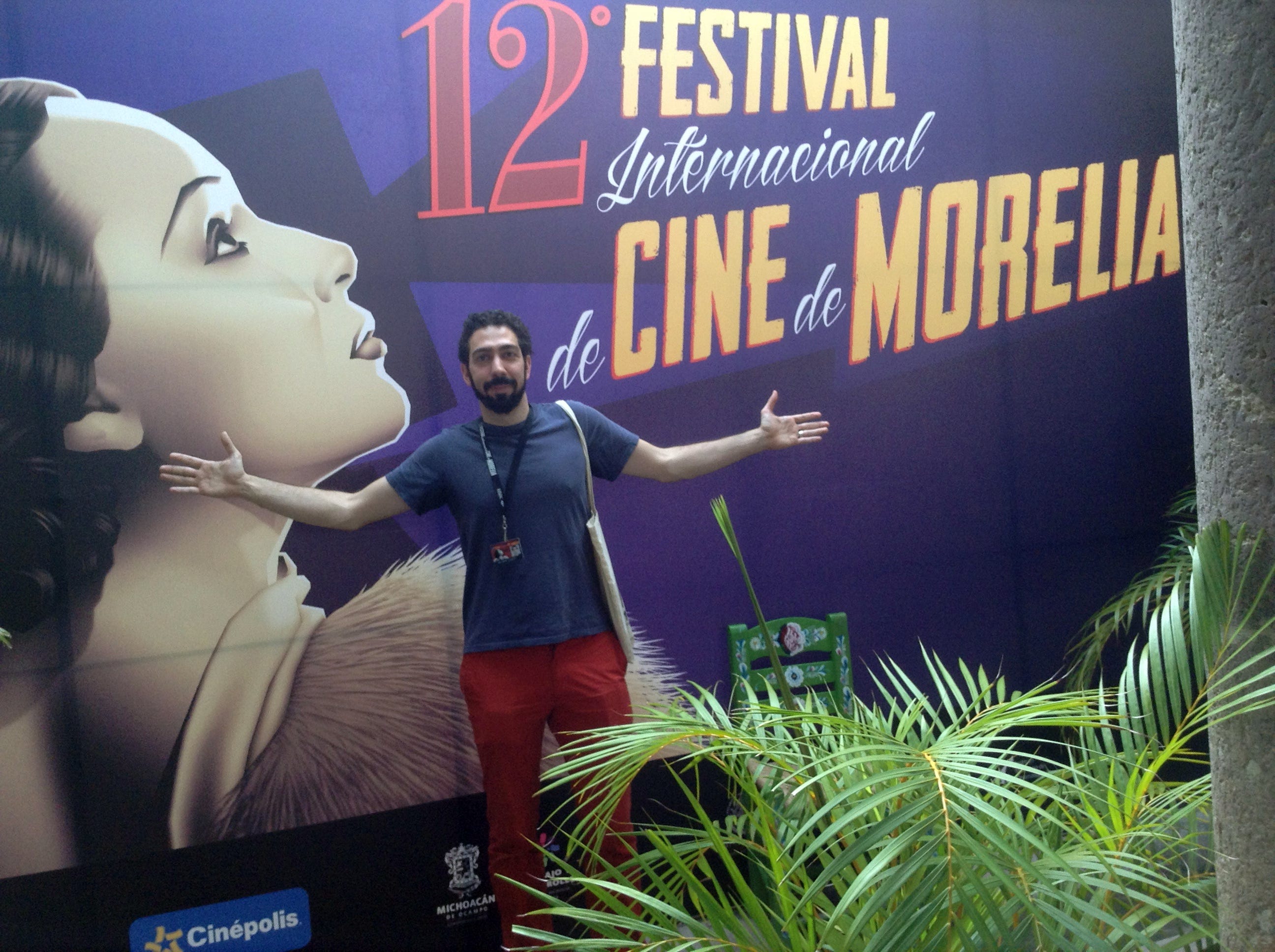
Long before anyone wires money into your production account, people have already been quietly getting to know you. They’ve watched one of your short films at Aspen Shortsfest or Morelia. They remember hearing you pitch at a co-production market. They read your screenplay at a scriptwriting lab. A mentor recommended you to a producer. A producer introduced you to another producer. A commissioning editor remembers your previous project, even if they passed on it. A festival programmer liked your work. A sales agent appreciated how professionally you handled a rejection. None of these moments financed your film on their own, but together they created something much more valuable: trust.
This is why I often encourage emerging filmmakers to spend just as much energy becoming part of the filmmaking ecosystem as they spend looking for financing. We all dream about the moment someone says yes to investing in our film, but that yes rarely comes out of nowhere. It usually grows out of years of showing up, making work, meeting people, supporting others, and proving that you’re someone who can not only come up with ideas but actually bring them to completion.
Looking back, some of the most important milestones in my own career weren’t financing meetings at all. They were experiences like Cine Qua Non Lab (a fantastic screenwriting lab in Mexico), Berlinale Script Station, co-production markets, film festivals, workshops and development labs. I certainly didn’t leave those programs with millions of dollars in my pocket. What I left with was something far more durable: relationships. Years later, I continue to run into the same filmmakers, producers, commissioners, consultants and festival programmers. Some became collaborators. Others became friends. Some recommended me for opportunities I never even knew existed.
People often describe all of this as “networking,” but I’ve never liked that word. Networking sounds transactional, as if success were simply a matter of collecting enough business cards or adding enough people on LinkedIn. An ecosystem works differently. It’s a community that slowly learns to trust your work, your taste, your professionalism and your ability to finish what you start. That trust can’t be manufactured in a weekend. It accumulates over years, and more often than not, it’s that accumulated trust, not a single brilliant pitch, that eventually unlocks the financing everyone is chasing.
The Biggest Privilege Isn’t Money. It’s Geography.
There’s another reality that rarely enters conversations about film financing, even though it quietly shapes almost every career in our industry. We often talk about talent, hard work, perseverance, and occasionally privilege in terms of wealth or family connections. But one of the greatest privileges a filmmaker can have is something they never chose: where they were born.
A filmmaker growing up in Switzerland, France, Germany, Denmark or Canada enters an ecosystem that has been built over decades. These countries have public film funds, national and regional broadcasters that commission original work, cultural agencies, development grants, co-production treaties, film schools, and institutions whose explicit mission is to help filmmakers build sustainable careers. None of these systems guarantee success, of course, but they create opportunities that simply don’t exist everywhere else. A filmmaker may apply to multiple funds, participate in script labs, receive broadcaster support, and develop international co-productions without ever leaving the ecosystem they were born into.
Now compare that with many filmmakers working in countries such as Costa Rica, Nicaragua or Paraguay. There is no shortage of talent, ambition or compelling stories, but the infrastructure is often far more limited. Public funding may be scarce or non-existent, development programs are fewer, broadcasters may not finance independent films, and local producers often have fewer opportunities to access international markets. The challenge isn’t that the films are less worthy, it’s that the ecosystem itself is much smaller. For many filmmakers, the first hurdle isn’t convincing someone to finance their project; it’s finding an ecosystem that makes financing possible in the first place.
The United States presents an interesting variation on this theme. It is home to one of the largest and most influential film industry in the world, yet compared with much of Europe, public support for independent narrative filmmaking is surprisingly limited. American filmmakers frequently piece together financing through private equity, philanthropic foundations, nonprofit organizations, production companies and state tax incentives rather than national film funds. It is a different model and one that has produced extraordinary cinema. But, it also means that emerging filmmakers often face very different financing challenges than their European counterparts.
None of this is meant as a complaint, nor is it an argument that filmmakers in one country are more talented than those in another. Quite the opposite. Every year I meet extraordinary storytellers from places with almost no institutional support, creating remarkable work despite enormous structural obstacles. The point is simply to acknowledge something we don’t talk about enough: talent is distributed remarkably evenly around the world, but opportunity isn’t. We all begin our careers with different passports, different institutions, and different ecosystems behind us. Recognizing that reality doesn’t diminish anyone’s achievements—it simply helps explain why the path into filmmaking can look so radically different depending on where your story begins.
Ecosystems Are Built, Not Found
When people think about film ecosystems, they often think first about government funding. And while public support is incredibly important, it is only one piece of a much larger picture. A healthy film ecosystem is made up of hundreds of interconnected parts: public broadcasters willing to commission original work, experienced producers who take a chance on first-time directors, script consultants who help projects reach their full potential, festivals that champion emerging voices, distributors willing to back films that aren’t obvious commercial bets, film schools, alumni networks, co-production markets, and perhaps most importantly, a culture in which filmmakers genuinely support one another. None of these institutions can build a career on their own, but together they create an environment where careers become possible.
You can see this happening around the world. The Canary Islands, for example, have become one of the most attractive production hubs thanks to tax incentives that can reach more than fifty percent on qualifying expenditures. Malta has significantly expanded its rebate system to attract large international productions, while Uruguay recently introduced a transferable tax credit alongside its existing cash rebate, making the country considerably more competitive than it was only a few years ago. On the surface, these policies are about attracting productions and creating jobs. But their long-term value goes far beyond the financial incentive itself.
Every production that chooses to shoot in one of these places leaves something behind. Local crews gain experience. Producers expand their international networks. Service companies invest in better equipment. Young filmmakers see new career possibilities. Relationships are formed between countries, companies and creatives who may collaborate again years later. In other words, tax incentives don’t simply attract films, they help build ecosystems. They create knowledge, trust and infrastructure that continue to benefit filmmakers long after a particular production has wrapped.
The same principle applies to official co-productions. Most filmmakers understandably think about them as a way of combining financing from two or more countries, but their greatest value is often much broader than that. A co-production gives a film more than an additional source of funding; it gives it another home. Suddenly, your project belongs to multiple industries instead of just one. It can qualify for additional support, reach broadcasters and distributors in different territories, access new audiences, and develop relationships that continue well beyond the life of a single film.
Perhaps that’s the most important lesson I’ve learned over the years. An ecosystem isn’t something you stumble upon by chance, nor is it something that exists only because governments decide to fund cinema. It is built patiently over decades through institutions, policies, mentorship, collaboration and, above all, trust. Individual films come and go, but a strong ecosystem continues to create opportunities for the next generation of filmmakers. It doesn’t just help finance one project. It quietly makes the next one, and the one after that, a little more possible.
Stop Chasing the Money. Start Joining the Ecosystem.
None of this is meant to discourage filmmakers working outside established systems. If anything, I hope it does the opposite. Understanding how ecosystems work isn’t about pointing out disadvantages, it’s about recognizing where the real opportunities lie. We can’t choose where we were born or which institutions exist in our home countries, but we can choose how we engage with the international filmmaking community. And today, that community is more accessible than it has ever been.
If your country has a limited film infrastructure, your first challenge may not be raising money at all. It may be finding the ecosystem where your work can grow. That could mean applying to an international script lab, attending a co-production market, volunteering at a film festival, seeking out mentors, building relationships with producers abroad, or simply staying in touch with the people you meet along the way. None of these experiences will finance your film overnight. But over time, they help you become part of a community that shares opportunities, opens doors, and believes in your work.
I’ve been incredibly fortunate to benefit from many people who took a chance on me: mentors who gave thoughtful feedback, producers who introduced me to collaborators, festival programmers who invited my films, consultants who challenged my scripts, and institutions that believed in projects long before they were fully formed, and of course my own Fidelio peers who constantly challenge my work. Looking back, I realize that every one of those people became part of my career in ways I couldn’t have predicted at the time. They didn’t just help me make a film; they helped me become a better filmmaker. That’s why I feel such gratitude toward the communities and institutions that invest in emerging artists. Their greatest contribution isn’t the funding itself but it’s the trust.
Money, of course, matters. Films don’t get made without it. But money alone doesn’t create momentum. You can privately finance a feature and still find yourself standing alone once it’s finished, wondering how to reach festivals, distributors, audiences or your next project. An ecosystem offers something much more enduring. Labs, film funds, co-producers, festivals, broadcasters, sales agents and mentors don’t simply contribute financing; they become advocates. They introduce you to collaborators, recommend you for opportunities, and quietly build confidence in your work long before anyone buys a ticket or watches the finished film.
If there’s one thought I’d leave with an emerging filmmaker, it’s this: don’t measure your progress only by the money you’ve raised. Measure it by the relationships you’ve built, the people who know your work, the mentors who believe in you, and the communities you’re becoming part of. Those things take longer to build than a financing plan, but they last much longer too.
Money can help you make a film. An ecosystem can help you build a lifetime of making them.
In the end, the money was never the ecosystem. The ecosystem created the money.
—Mauro / El Suizo

———————————————————————————————
La industria del cine no funciona con dinero. Funciona con ecosistemas. La verdadera moneda del cine no es el capital: es la confianza.
Por Mauro Mueller / El Suizo
Cada pocas semanas recibo alguna versión de la misma pregunta: “¿Cómo financio mi primera película?” A veces viene más específica: “¿Cómo consigo inversionistas privados?”, “¿Dónde conozco gente con dinero que quiera invertir en cine?” O mi favorita: “¿Cómo convenzo a un dentista de financiar mi película?” La pregunta siempre es genuina, y la entiendo perfectamente. Ya sea que tu primer largometraje cueste 50 mil dólares o cinco millones, el financiamiento suele sentirse como el único obstáculo entre tú y ese momento con el que todos soñamos: estar finalmente en el set y decir “¡Acción!”
La mayoría de los cineastas parte de la idea de que la respuesta está simplemente en encontrar la fuente correcta de capital. Quizá sea un empresario con ganas de apoyar un proyecto que le apasione. Tal vez un inversionista privado, un fondo público de cine, una campaña de crowdfunding, un familiar generoso o alguien que busca aprovechar un incentivo fiscal. Gran parte de las conversaciones sobre cine independiente giran alrededor de de dónde va a salir el dinero, como si financiar una película fuera una búsqueda del tesoro y el éxito dependiera de quién encuentre primero el cofre lleno de oro.
Con los años he llegado a la conclusión de que muchos cineastas nos estamos haciendo la pregunta equivocada. La pregunta no es: “¿Dónde encuentro el dinero?” La pregunta correcta es: “¿Cómo me convierto en parte del ecosistema que, con el tiempo, confiará en mí para invertir ese dinero?” Puede parecer una diferencia sutil, pero creo que lo cambia todo. Las películas rara vez se financian únicamente porque alguien se enamora de un guion. Mucho más seguido se financian porque, poco a poco, toda una red de personas desarrolla confianza en el cineasta, o en el equipo, que está detrás del proyecto.
Paradójicamente, conseguir inversión privada también puede convertirse en una trampa. Levantar dos o tres millones de dólares completamente fuera del ecosistema cinematográfico puede sonar como el escenario ideal, pero el dinero, por sí solo, no garantiza una película sana. Los inversionistas suelen llegar con expectativas, opiniones creativas, calendarios poco realistas o estructuras financieras que terminan complicando el proceso una vez que empieza la producción.
Y aun si todo sale bien, puedes terminar con una película terminada que existe casi en aislamiento. El dinero sirvió para hacer la película, sí, pero no necesariamente te presentó a productores, agentes de ventas, programadores de festivales, distribuidores o futuros colaboradores. En otras palabras, financió un proyecto, pero no necesariamente construyó una carrera.
Por eso creo que el verdadero reto no es aprender a levantar dinero. El verdadero reto es aprender a formar parte de un ecosistema que genera confianza con el tiempo. Porque en el cine, la confianza suele llegar mucho antes que el financiamiento.
El dinero no llega primero. Primero llega la confianza.
Cuando pensamos en el financiamiento de una película, solemos imaginar un momento decisivo: una reunión con el inversionista indicado, un fondo que aprueba el proyecto, un productor que dice que sí… y de pronto todo encaja. Esos momentos, claro, existen. Pero casi siempre son la parte visible de un proceso mucho más largo. La realidad es que el financiamiento rara vez llega como una gran victoria de un solo golpe; casi siempre es el resultado de decenas de piezas que se van acomodando poco a poco durante años.
Mucho antes de que alguien transfiera dinero a la cuenta de tu producción, las personas ya llevan tiempo conociéndote. Vieron uno de tus cortometrajes en Aspen Shortsfest o en Morelia. Escucharon tu pitch en un mercado de coproducción. Leyeron tu guion en un laboratorio de desarrollo. Un mentor te recomendó con un productor. Ese productor te presentó con otro. Un comisionador recuerda tu proyecto anterior, aunque en su momento lo haya rechazado. Un programador de festivales disfrutó tu trabajo. Un agente de ventas valoró la forma profesional en la que manejaste un rechazo. Ninguno de esos momentos financió tu película por sí solo. Pero, juntos, fueron construyendo algo mucho más valioso: confianza.
Por eso siempre les recomiendo a los cineastas emergentes que inviertan tanta energía en integrarse al ecosistema cinematográfico como en buscar financiamiento. Todos soñamos con ese momento en que alguien decide invertir en nuestra película. Pero ese sí casi nunca aparece de la nada. Normalmente es el resultado de años de estar presente, de hacer películas, de conocer gente, de apoyar a otros y de demostrar que no solo tienes buenas ideas, sino que eres capaz de convertirlas en realidad. Cuando miro hacia atrás, algunos de los momentos más importantes de mi carrera no fueron reuniones para conseguir dinero. Fueron experiencias como Cine Qua Non Lab (uno de los mejores laboratorios de guion en México), la Berlinale Script Station, mercados de coproducción, festivales, talleres y laboratorios de desarrollo. No salí de esos programas con millones de dólares bajo el brazo. Salí con algo mucho más valioso y duradero: relaciones.
Años después sigo encontrándome con los mismos cineastas, productores, ejecutivos, asesores y programadores de festivales. Algunos terminaron siendo colaboradores. Otros se convirtieron en amigos. Y varios me recomendaron para oportunidades cuya existencia ni siquiera conocía.
A todo esto normalmente se le llama networking, pero nunca me ha gustado esa palabra. Suena transaccional, como si el éxito consistiera simplemente en acumular tarjetas de presentación o sumar contactos en LinkedIn. Un ecosistema funciona de otra manera. Es una comunidad que, poco a poco, aprende a confiar en tu trabajo, en tu criterio, en tu profesionalismo y en tu capacidad para terminar lo que empiezas. Esa confianza no se fabrica en un fin de semana. Se construye durante años. Y, casi siempre, es esa confianza acumulada, mucho más que un pitch brillante, la que termina abriendo la puerta al financiamiento que todos buscamos.
El mayor privilegio no es el dinero. Es el lugar donde naciste.
Hay otra realidad de la que casi nunca hablamos cuando discutimos cómo financiar una película, aunque influye silenciosamente en casi todas las carreras dentro de nuestra industria. Solemos hablar del talento, del esfuerzo, de la perseverancia y, en ocasiones, del privilegio entendido como riqueza o contactos familiares. Pero existe otro privilegio enorme que ningún cineasta eligió: el país en el que nació.
Un cineasta que crece en Suiza, Francia, Alemania, Dinamarca o Canadá entra desde el principio a un ecosistema que lleva décadas construyéndose. Son países con fondos públicos para el cine, televisoras nacionales y regionales que financian contenido original, agencias culturales, apoyos al desarrollo, tratados de coproducción, escuelas de cine e instituciones cuya misión es ayudar a que los cineastas puedan construir carreras sostenibles. Nada de esto garantiza el éxito, por supuesto. Pero sí crea oportunidades que, sencillamente, no existen en muchas otras partes del mundo. Un cineasta puede aplicar a distintos fondos, participar en laboratorios de guion, recibir apoyo de una televisora pública y desarrollar coproducciones internacionales sin salir nunca del ecosistema en el que nació.
Ahora pensemos en cineastas que trabajan en países como Costa Rica, Nicaragua o Paraguay. No les falta talento, ambición ni historias poderosas que contar. Lo que muchas veces falta es la infraestructura. Los fondos públicos suelen ser escasos o inexistentes; hay menos programas de desarrollo; las televisoras rara vez financian cine independiente, y los productores locales tienen menos posibilidades de acceder a mercados internacionales. El problema no es que esas películas sean menos valiosas. El problema es que el ecosistema es mucho más pequeño. Para muchos cineastas, el primer obstáculo ni siquiera es convencer a alguien de financiar su película. Es encontrar un ecosistema donde ese financiamiento pueda existir.
Estados Unidos representa una variante muy interesante de este fenómeno. Alberga una de las industrias cinematográficas más grandes e influyentes del mundo y, sin embargo, comparado con gran parte de Europa, el apoyo público al cine independiente de ficción es sorprendentemente limitado. En lugar de depender de fondos nacionales, muchos cineastas estadounidenses arman el financiamiento combinando inversión privada, fundaciones filantrópicas, organizaciones sin fines de lucro, compañías productoras e incentivos fiscales estatales. Es un modelo distinto, y uno que ha dado origen a películas extraordinarias. Pero también significa que los cineastas emergentes enfrentan retos muy diferentes a los de sus colegas europeos cuando llega el momento de financiar un proyecto.
Nada de esto pretende ser una queja, ni mucho menos sugerir que los cineastas de un país son más talentosos que los de otro. Todo lo contrario. Cada año conozco narradores extraordinarios provenientes de lugares donde prácticamente no existe apoyo institucional para el cine, y aun así logran crear obras admirables a pesar de enormes obstáculos estructurales. El punto es simplemente reconocer algo de lo que hablamos muy poco: el talento está distribuido de forma sorprendentemente uniforme en el mundo; las oportunidades, no. Todos comenzamos nuestra carrera con pasaportes distintos, instituciones distintas y ecosistemas distintos detrás de nosotros. Reconocer esa realidad no le resta mérito a los logros de nadie. Simplemente nos ayuda a entender por qué el camino hacia una carrera cinematográfica puede ser tan radicalmente diferente dependiendo del lugar donde comienza tu historia.
Los ecosistemas no se encuentran. Se construyen.
Cuando pensamos en un ecosistema cinematográfico, lo primero que suele venirnos a la mente son los apoyos públicos. Y aunque el financiamiento gubernamental es fundamental, en realidad es solo una pieza de un rompecabezas mucho más grande. Un ecosistema sano está formado por cientos de elementos que se conectan entre sí: televisoras públicas dispuestas a apostar por contenidos originales; productores con experiencia que deciden darle una oportunidad a un director debutante; asesores de guion que ayudan a que los proyectos alcancen su máximo potencial; festivales que impulsan nuevas voces; distribuidores que respaldan películas que no necesariamente representan una apuesta comercial evidente; escuelas de cine; redes de exalumnos; mercados de coproducción y, quizá lo más importante de todo, una cultura en la que los propios cineastas se apoyan entre sí. Ninguna de estas piezas construye una carrera por sí sola. Pero, juntas, crean el entorno donde una carrera puede florecer.
Podemos ver este fenómeno en distintas partes del mundo. Las Islas Canarias, por ejemplo, se han convertido en uno de los polos de producción más atractivos de Europa gracias a incentivos fiscales que pueden superar el cincuenta por ciento de los gastos elegibles. Malta ha fortalecido significativamente su sistema de reembolsos para atraer grandes producciones internacionales. Uruguay, por su parte, incorporó recientemente un crédito fiscal transferible que se suma a su esquema de reembolsos, convirtiéndose en un destino mucho más competitivo de lo que era hace apenas unos años. A simple vista, estas políticas parecen diseñadas únicamente para atraer rodajes y generar empleos. Pero su verdadero valor va mucho más allá del incentivo económico.
Cada producción que decide filmar en uno de estos lugares deja algo detrás. Los equipos locales adquieren experiencia. Los productores amplían sus redes internacionales. Las empresas de servicios invierten en mejor equipo. Los jóvenes cineastas descubren nuevas posibilidades para su carrera. Se crean vínculos entre países, empresas y creadores que, años después, pueden volver a colaborar. En otras palabras, los incentivos fiscales no solo atraen películas: ayudan a construir ecosistemas. Generan conocimiento, confianza e infraestructura que siguen beneficiando a la industria mucho después de que una producción termina.
Lo mismo ocurre con las coproducciones oficiales. Es natural pensar en ellas como una forma de combinar recursos de dos o más países para cerrar el financiamiento de una película. Pero, muchas veces, su mayor valor es mucho más profundo. Una coproducción no solo aporta una nueva fuente de financiamiento. Le da a la película un segundo hogar. De pronto, tu proyecto deja de pertenecer a una sola industria y pasa a formar parte de varias. Puede acceder a nuevos fondos, acercarse a televisoras y distribuidores en distintos territorios, encontrar nuevas audiencias y, sobre todo, generar relaciones que perduran mucho después de que esa película termina su recorrido.
Quizá esa sea la lección más importante que he aprendido con los años. Un ecosistema no aparece por casualidad, ni existe únicamente porque un gobierno decide apoyar al cine. Se construye pacientemente durante décadas, a través de instituciones, políticas públicas, mentorías, colaboraciones y, por encima de todo, confianza. Las películas individuales van y vienen. Un ecosistema sólido permanece. Y mientras permanece, sigue creando oportunidades para la siguiente generación de cineastas. No solo hace posible financiar una película. Poco a poco, también hace posible la siguiente. Y la que viene después.
Deja de perseguir el dinero. Empieza a formar parte del ecosistema.
Nada de esto pretende desanimar a los cineastas que trabajan fuera de los grandes ecosistemas. Al contrario. Espero que sirva para inspirarlos. Entender cómo funcionan los ecosistemas no significa enfocarnos en las desventajas, sino reconocer dónde están las verdaderas oportunidades. No podemos elegir el país en el que nacimos ni las instituciones que existen en él. Pero sí podemos decidir cómo nos relacionamos con la comunidad cinematográfica internacional. Y hoy esa comunidad es mucho más accesible de lo que era hace apenas unas décadas.
Si en tu país la infraestructura para hacer cine es limitada, quizá tu primer reto no sea conseguir dinero. Quizá sea encontrar el ecosistema donde tu trabajo pueda crecer. Eso puede significar postularte a un laboratorio internacional de guion, asistir a un mercado de coproducción, colaborar como voluntario en un festival, buscar mentores, construir relaciones con productores de otros países o, simplemente, mantener el contacto con las personas que vas conociendo en el camino. Ninguna de esas experiencias va a financiar tu película de la noche a la mañana. Pero, con el tiempo, sí pueden convertirte en parte de una comunidad que comparte oportunidades, abre puertas y cree en tu trabajo.
He tenido la enorme fortuna de encontrar personas que apostaron por mí: mentores que me regalaron comentarios honestos, productores que me presentaron a futuros colaboradores, programadores que invitaron mis películas a sus festivales, asesores que llevaron mis guiones más lejos de lo que yo creía posible, instituciones que confiaron en proyectos cuando apenas comenzaban a tomar forma y, por supuesto, mis socios y colegas de Fidelio Films, que constantemente cuestionan mis ideas y me ayudan a mejorar mi trabajo. Con el paso de los años entendí que cada una de esas personas terminó siendo parte de mi carrera de maneras que jamás habría podido anticipar. No solo me ayudaron a hacer películas. Me ayudaron a convertirme en un mejor cineasta. Por eso siento un agradecimiento enorme hacia las comunidades y las instituciones que apuestan por los creadores emergentes. Su mayor aportación no es el dinero. Es la confianza.
El dinero, por supuesto, importa. Sin dinero no hay películas. Pero el dinero, por sí solo, no construye una carrera. Puedes financiar un largometraje con inversión privada y, aun así, encontrarte completamente solo cuando la película esté terminada, preguntándote cómo llegar a festivales, distribuidores, audiencias o incluso cómo levantar tu siguiente proyecto. Un ecosistema ofrece algo mucho más duradero.
Los laboratorios, los fondos de cine, los coproductores, los festivales, las televisoras, los agentes de ventas y los mentores no solo aportan recursos económicos. Se convierten en aliados. Te presentan a futuros colaboradores, te recomiendan para nuevas oportunidades y, poco a poco, construyen confianza alrededor de tu trabajo mucho antes de que alguien compre un boleto para ver tu película.
Si pudiera dejarle una sola idea a un cineasta que está empezando, sería esta: No midas tu avance únicamente por el dinero que has conseguido. Mídelo por las relaciones que has construido, por las personas que conocen tu trabajo, por los mentores que creen en ti y por las comunidades de las que ya formas parte. Todo eso tarda mucho más en construirse que un plan de financiamiento. Pero también dura mucho más. Porque el dinero puede ayudarte a hacer una película. Un ecosistema puede ayudarte a hacer cine toda la vida.
Al final entendí algo que parece obvio, pero que tardé años en aprender: El dinero nunca fue el ecosistema. El ecosistema fue el que hizo posible el dinero.
— Mauro / El Suizo
No posts
Comments
Nothing yet. Say the first thing.
Sign in to join the conversation.