
The Circle Around the Story: The Myth of the Lone Filmmaker
By Mauro Mueller / El Suizo
One of the enduring myths of cinema is that films come from singular vision. We celebrate auteurs, celebrate directors, celebrate writers with distinctive voices. And of course, a film does need a point of view. Someone has to make the difficult decisions. Someone has to say yes to one scene and no to another. And beyond those choices are a thousand others that shape what the film ultimately becomes.
But I’ve slowly come to believe that the most personal work rarely emerges from working alone. Often, it takes other people to help us see what we’re actually trying to make.
Every project I’ve made has started in solitude. Every project I’ve finished has become something more through the people who helped bring it to life.
When we were making The Janitor, the conversations before the shoot were just as important as the days on set. During 111, having my co-writer present throughout production meant there was always someone protecting the emotional logic of the story while everyone else dealt with the thousand practical decisions that filmmaking demands. More recently, developing television has reminded me that a good creative partner doesn’t simply pitch ideas. They can change the way you see the problem.
I’ve come to trust that process. Collaboration opens the work up, allowing it to become richer, deeper, and more alive. I’ve come to trust that process. Collaboration opens the work up, allowing it to become richer, deeper, and more alive.
Learning to Trust the Right Voices
There’s an enormous difference between receiving opinions and receiving notes.
Most filmmakers collect opinions. They send scripts to friends, relatives, acquaintances, hoping for reassurance or enthusiasm. Those responses can be encouraging, but they rarely move the work forward.
Trusted collaborators do something different. After years of reading each other’s work, they begin to understand not only the screenplay but also the person writing it. They know your habits. They know where you tend to over-explain, where you rush emotional moments, where you’re repeating yourself without realizing it. They begin to understand what you’re trying to make, sometimes before you fully understand it yourself.
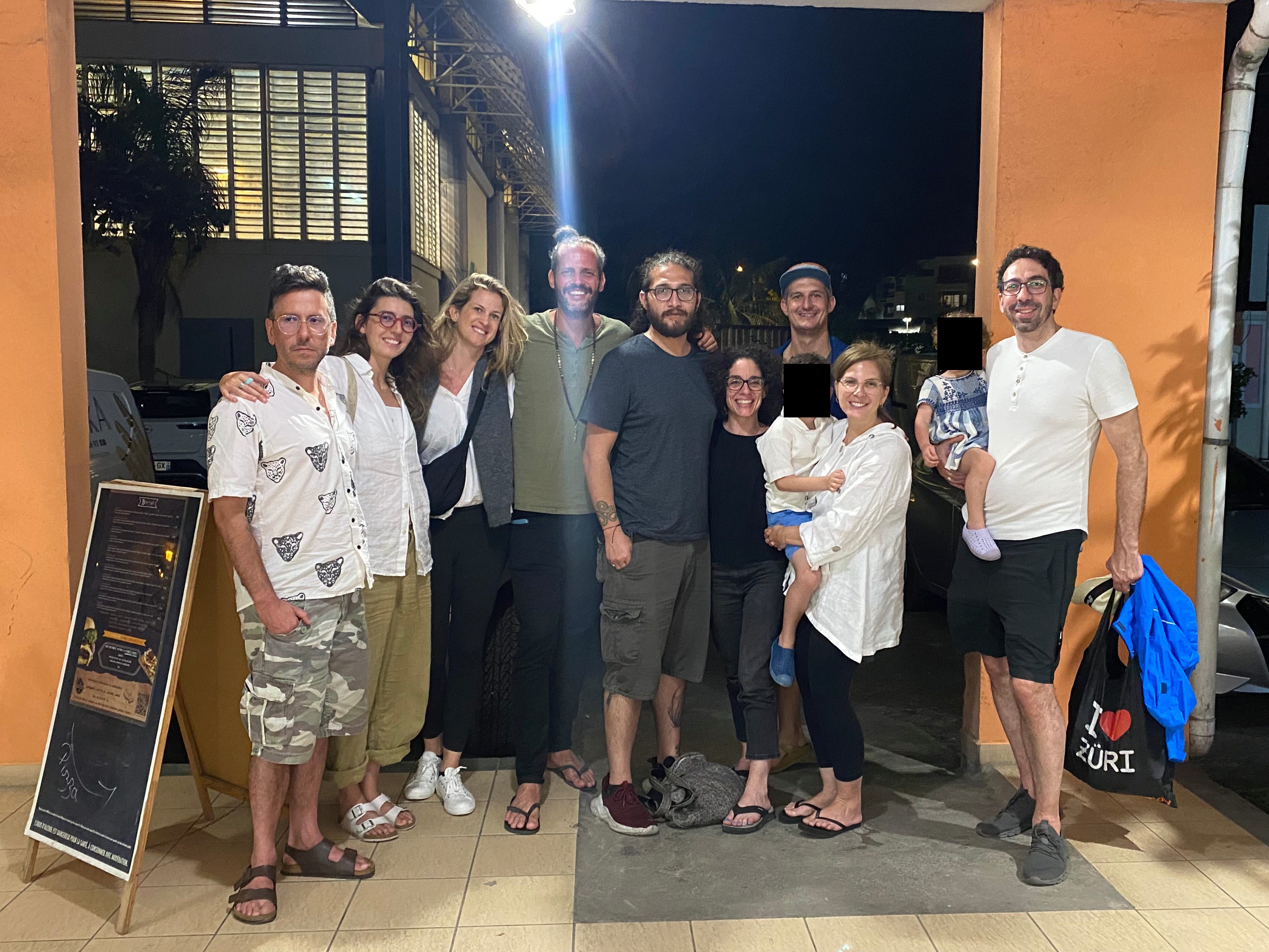
I’ve been fortunate to build a small circle like that over the years. Some are writers. Some are directors. Some produce. They live in Bogotá, Mexico City, New York, Toronto, L.A. and across Europe. We rarely share an office, but we share countless PDFs, late-night calls across time zones, voice notes, and unfinished drafts we hope are nearly finished, even when we know better.
That accumulated history creates something surprisingly rare: honesty without ego. When one of them tells me a scene isn’t working, I don’t feel attacked anymore. I get curious.
Different Muscles, Different Instincts
One thing that continues to fascinate me is how differently creative people think, even when they’re trying to solve exactly the same problem.
Some of the writers I admire most come from television, where stories are built at an astonishing pace. They have an instinct for structure that seems almost athletic. They’ll look at a scene for five minutes and immediately know where the tension disappears, where an episode should turn, or which subplot is quietly stealing oxygen from the rest of the story. It’s a way of thinking that comes from writing constantly, year after year.
My own instincts were shaped more slowly. Features invite you to live with a screenplay for years, sometimes long enough to forget why you wrote a scene in the first place before discovering it all over again. The questions become different. Instead of asking whether an episode lands, you’re wondering whether a character can carry an audience emotionally for two hours. You’re less concerned with next week’s deadline than with whether a story will still resonate years from now. And it’s less about a cliffhanger and more about whether the ending feels inevitable and surprising at the same time.
Neither approach is better. They’re simply different ways of seeing. That’s why I treasure working with people whose instincts aren’t like mine. Some see structure before emotion. Others hear dialogue with extraordinary precision. Someone else always asks the question I’ve been quietly avoiding. Another instinctively notices when a character’s emotional journey no longer rings true.
I’ve noticed that our conversations rarely end where any of us expected them to. More often, we arrive somewhere none of us would have reached alone. Those are my favorite moments in filmmaking. They’re a quiet reminder that the best ideas don’t belong to the loudest voice in the room. They belong to the room itself.
Building a Circle
Over the years, I’ve realized that the greatest gift in filmmaking isn’t a grant, a festival selection, or even a finished film. It’s finding people whose taste you trust enough to let them change your work.
People often ask me how to find collaborators, as if somewhere there were a secret room filled with brilliant writers and directors just waiting to be discovered. In my experience, it doesn’t work like that. Unless I missed something.
Creative partnerships aren’t found. They’re built, slowly, often without realizing it at first. They begin with reading drafts that still have placeholder dialogue and scenes that don’t quite work. They grow through notes that take an entire evening to write, because you care enough not to settle for vague encouragement. They survive disagreements about endings, impossible production days, and the occasional bruised ego. Then, almost without noticing, those conversations spill into dinners, family news, new projects, and the ordinary moments that turn colleagues into lifelong friends.
Trust accumulates quietly. One screenplay becomes another. One film becomes three. Eventually, you stop asking whether a piece of feedback is “right,” because you already know where it’s coming from. The people around the table aren’t trying to win an argument or prove how clever they are. They’re all trying to solve the same problem: how to tell this story in the most honest way possible.
Looking back, I don’t remember every note that changed a screenplay. What I remember are the conversations. The PDFs covered in comments and the voice notes sent while walking home. The debates about a single scene that somehow turned into conversations about life, family, fear, and why we tell stories in the first place. Those moments never appear in the credits, yet they are woven into every film I’ve made.
I’m incredibly fortunate to have friends like that. Each of them has sharpened my work in a different way. One has an instinct for emotional truth that quietly exposes the scene I’m trying too hard to protect. Another has a gift for structure, the ability to step back and suddenly reveal a path through the maze I didn’t know existed. Someone else reads with extraordinary generosity, always searching for what the story wants to become rather than judging what it already is. She reminds me that the smartest note can also be the most generous one. Another combines analytical precision with creative fearlessness, asking the uncomfortable questions that almost always lead to the biggest breakthroughs.
None of them have ever tried to make my films look like theirs. Instead, they’ve helped me make them look more like mine. They were never interested in being right. They were interested in helping the story become what it wanted to be. I hope I’ve done the same for them.
Perhaps that’s the real paradox of authorship. We spend years searching for our own voice, imagining it’s something we have to protect from outside influence. But I’ve come to believe the opposite. A voice doesn’t become stronger by standing alone. It becomes clearer when it’s surrounded by people who know you well enough to challenge you, encourage you, and tell you the truth.
And in the end, of course, it’s still your voice. But maybe a voice, like a person, is never entirely singular. It carries traces of the people we’ve trusted, argued with, learned from, and allowed to change us. The choices are still ours. The words are still ours. But who we become, and what we create, is inevitably shaped by the people we choose to have around us. Which makes choosing those people carefully one of the most important creative decisions we make.
The stories may begin in solitude. But when I look at the films I’ve made, I no longer see them as mine alone. I see the fingerprints of the friends who helped me tell them.
They know who they are. And I hope they know how grateful I am.
—Mauro / El Suizo

———————————————————————————————
El círculo alrededor de la historia: El mito del cineasta solitario
Por Mauro Mueller / El Suizo
Uno de los mitos más persistentes del cine es que las películas nacen de una sola visión. Celebramos a los autores, a los directores, a los guionistas que tienen una voz propia e inconfundible. Y claro, una película necesita un punto de vista. Alguien tiene que tomar las decisiones difíciles. Alguien tiene que decirle que sí a una escena y que no a otra. Y detrás de esas decisiones vienen otras mil que, poco a poco, terminan definiendo en qué se convierte una película.
Pero con los años he llegado a creer que el trabajo más personal rara vez nace de trabajar completamente solo. Muchas veces necesitamos a otras personas para poder ver con claridad qué es lo que realmente estamos intentando hacer.
Todos mis proyectos han comenzado en soledad. Pero ninguno de los que he terminado habría llegado a ser lo que es sin las personas que ayudaron a darle vida.
Cuando hicimos El Conserje, las conversaciones antes del rodaje fueron tan importantes como los días en el set. Durante 111, tener a mi coguionista presente a lo largo de la filmación significaba que siempre había alguien cuidando la lógica emocional de la historia, mientras todos los demás intentábamos resolver las otras mil decisiones prácticas que exige hacer una película. Y más recientemente, desarrollando televisión, he vuelto a recordar que un buen colaborador creativo no es simplemente alguien que llega con buenas ideas. A veces es la persona que logra que veas el problema de una manera completamente distinta.
Con el tiempo he aprendido a confiar en ese proceso. La colaboración abre el trabajo, le permite crecer, volverse más profundo, más rico y, sobre todo, más vivo.
Aprender a confiar en las voces correctas
Hay una enorme diferencia entre recibir opiniones y recibir notas.
La mayoría de los cineastas coleccionamos opiniones. Mandamos nuestros guiones a amigos, familiares, conocidos, esperando un poco de entusiasmo o, seamos honestos, cierta tranquilidad de que no estamos completamente equivocados. Esas respuestas pueden reconfortarnos, pero rara vez hacen avanzar el trabajo.
Los colaboradores en quienes realmente confías hacen algo distinto. Después de años de leer el trabajo del otro, empiezan a entender no solo el guion, sino también a la persona que lo está escribiendo. Conocen tus mañas. Saben dónde tiendes a explicar de más, dónde te apresuras en los momentos emocionales, dónde estás repitiéndote sin darte cuenta. Empiezan a entender qué película estás intentando hacer, a veces incluso antes de que tú mismo termines de entenderla.
He tenido la enorme suerte de ir construyendo, con los años, un pequeño círculo así. Algunos son guionistas. Otros, directores. Otros producen. Viven en Bogotá, Ciudad de México, Nueva York, Toronto, Los Ángeles y distintos rincones de Europa. Casi nunca compartimos una oficina, pero sí incontables PDFs, llamadas a deshoras cruzando husos horarios, notas de voz y borradores sin terminar que insistimos en creer que ya casi están listos, aunque en el fondo sepamos perfectamente que no.
Toda esa historia compartida acaba creando algo sorprendentemente difícil de encontrar: honestidad sin ego. Cuando alguno me dice que una escena no funciona, ya no me lo tomo como un ataque. Me da curiosidad.
Distintos músculos, distintos instintos
Algo que no deja de fascinarme es lo distinto que pensamos las personas creativas, incluso cuando estamos tratando de resolver exactamente el mismo problema.
Algunos de los guionistas que más admiro vienen de la televisión, donde las historias se construyen a una velocidad impresionante. Tienen un instinto para la estructura que parece casi atlético. Pueden mirar una escena durante cinco minutos y detectar de inmediato dónde se pierde la tensión, dónde tendría que girar un episodio o qué subtrama le está robando oxígeno, silenciosamente, al resto de la historia. Es una manera de pensar que se desarrolla escribiendo sin parar, año tras año.
Mis propios instintos se formaron de una manera más lenta. El largometraje te invita a convivir con un guion durante años, a veces el tiempo suficiente para olvidar por qué escribiste una escena en primer lugar y luego descubrirla de nuevo. Las preguntas son otras. En lugar de preguntarte si un episodio funciona, te preguntas si un personaje puede sostener emocionalmente al público durante dos horas. Te preocupa menos la entrega de la próxima semana que saber si una historia seguirá resonando dentro de unos años. Y no se trata tanto de llegar a un cliffhanger, sino de conseguir que el final se sienta inevitable y, al mismo tiempo, sorprendente.
Ninguna forma de trabajar es mejor que la otra. Son, simplemente, maneras distintas de mirar. Por eso valoro tanto trabajar con personas cuyos instintos no se parecen a los míos. Algunos ven primero la estructura y después la emoción. Otros tienen un oído extraordinario para el diálogo. Siempre hay alguien que hace esa pregunta que yo llevaba un rato evitando discretamente. Y alguien más detecta, casi por instinto, el momento exacto en que el recorrido emocional de un personaje deja de sentirse verdadero.
He notado que nuestras conversaciones rara vez terminan donde alguno de nosotros imaginaba. Más bien acabamos llegando a un lugar al que ninguno habría llegado solo. Esos son algunos de mis momentos favoritos de hacer cine. Me recuerdan, discretamente, que las mejores ideas no pertenecen a quien habla más fuerte en la sala. Le pertenecen a la sala.
Construir un círculo
Con los años me he dado cuenta de que el mayor regalo que te puede dar el cine no es un fondo, una selección en un festival, ni siquiera una película terminada. Es encontrar personas en cuyo criterio confías lo suficiente como para permitirles cambiar tu trabajo.
A menudo me preguntan cómo encontrar colaboradores, como si en algún lugar existiera un cuarto secreto lleno de guionistas y directores brillantes esperando a ser descubiertos. En mi experiencia, no funciona así. A menos que me haya perdido de algo.
Las relaciones creativas no se encuentran. Se construyen, poco a poco, muchas veces sin que uno se dé cuenta al principio. Empiezan leyendo borradores que todavía tienen diálogos provisionales y escenas que no terminan de funcionar. Crecen con notas que te toman una noche entera porque te importa demasiado el trabajo del otro como para conformarte con un “me gustó mucho”. Sobreviven desacuerdos sobre finales, días de rodaje imposibles y algún que otro ego lastimado. Y luego, casi sin darte cuenta, esas conversaciones empiezan a mezclarse con cenas, noticias familiares, nuevos proyectos y todos esos momentos cotidianos que terminan convirtiendo a colegas en amigos para toda la vida.
La confianza se acumula en silencio. Un guion lleva a otro. Una película se convierte en tres. Con el tiempo, dejas de preguntarte si una nota es la “correcta”, porque ya sabes de dónde viene. Las personas alrededor de la mesa no están intentando ganar una discusión ni demostrar qué tan inteligentes son. Todos están tratando de resolver el mismo problema: cómo contar esta historia de la manera más honesta posible.
Cuando miro hacia atrás, no recuerdo cada nota que cambió un guion. Recuerdo las conversaciones. Los PDFs llenos de comentarios y las notas de voz enviadas caminando de regreso a casa. Las discusiones sobre una sola escena que, sin saber muy bien cómo, terminaban convirtiéndose en conversaciones sobre la vida, la familia, el miedo y por qué contamos historias en primer lugar. Esos momentos nunca aparecen en los créditos y, sin embargo, están tejidos en cada película que he hecho.
Tengo una suerte enorme de contar con amigos así. Cada uno ha afinado mi trabajo de una manera distinta. Uno tiene un instinto para la verdad emocional que siempre termina dejando al descubierto esa escena que yo me empeño demasiado en proteger. Otro tiene un don para la estructura, esa capacidad de tomar distancia y, de pronto, encontrar una salida en un laberinto donde yo ni siquiera sabía que había un camino. Alguien más lee con una generosidad extraordinaria, buscando siempre en qué quiere convertirse la historia en lugar de juzgar lo que todavía no es. Ella me recuerda que la nota más inteligente también puede ser la más generosa. Otro combina una precisión casi quirúrgica con una enorme valentía creativa y hace esas preguntas incómodas que, casi siempre, terminan abriendo las puertas más importantes.
Ninguno de ellos ha intentado nunca hacer que mis películas se parezcan a las suyas. Al contrario: me han ayudado a hacer que se parezcan más a las mías. Nunca les ha interesado tener la razón. Les ha interesado ayudar a que la historia se convierta en lo que quiere ser. Espero haber podido hacer lo mismo por ellos.
Quizá esa sea la verdadera paradoja de la autoría. Pasamos años buscando nuestra propia voz, imaginando que es algo que debemos proteger de las influencias externas. Pero cada vez creo más en lo contrario. Una voz no se vuelve más fuerte aislándose. Se vuelve más clara cuando está rodeada de personas que te conocen lo suficiente como para cuestionarte, impulsarte y decirte la verdad.
Y al final, claro, sigue siendo tu voz. Pero quizá una voz, como una persona, nunca sea del todo individual. Lleva consigo rastros de las personas en quienes hemos confiado, con quienes hemos discutido, de quienes hemos aprendido y a quienes hemos permitido cambiarnos. Las decisiones siguen siendo nuestras. Las palabras siguen siendo nuestras. Pero quienes somos, y lo que creamos, está inevitablemente marcado por las personas que elegimos tener cerca. Y eso convierte la elección de esas personas en una de las decisiones creativas más importantes que tomamos.
Las historias quizá comiencen en soledad. Pero cuando miro las películas que he hecho, ya no las veo únicamente como mías. Veo en ellas las huellas de los amigos que me ayudaron a contarlas.
Ellos saben quiénes son. Y espero que sepan lo agradecido que estoy.
—Mauro / El Suizo
No posts
Comments
Nothing yet. Say the first thing.
Sign in to join the conversation.