
[ITALIANO ALLA FINE]
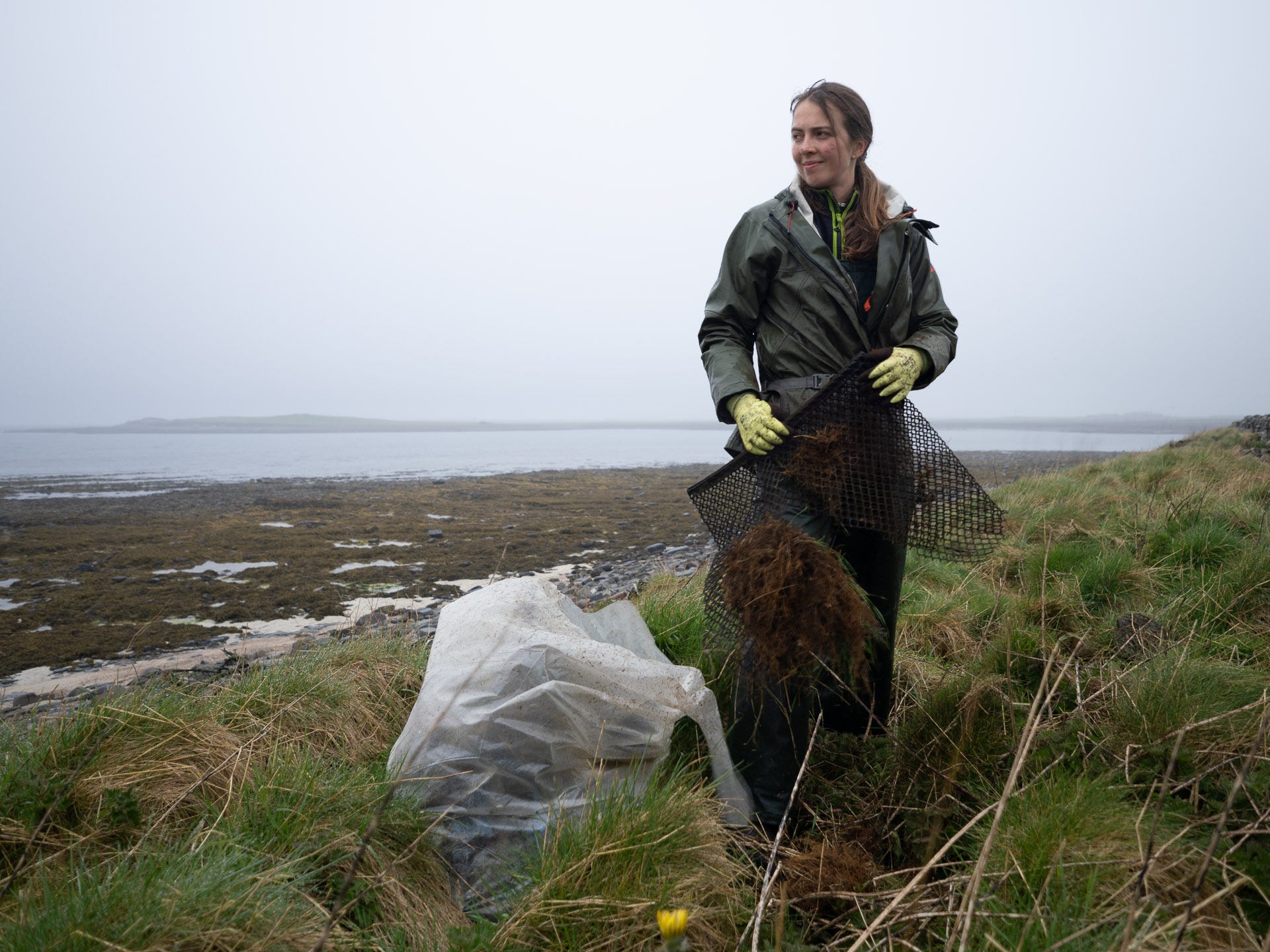
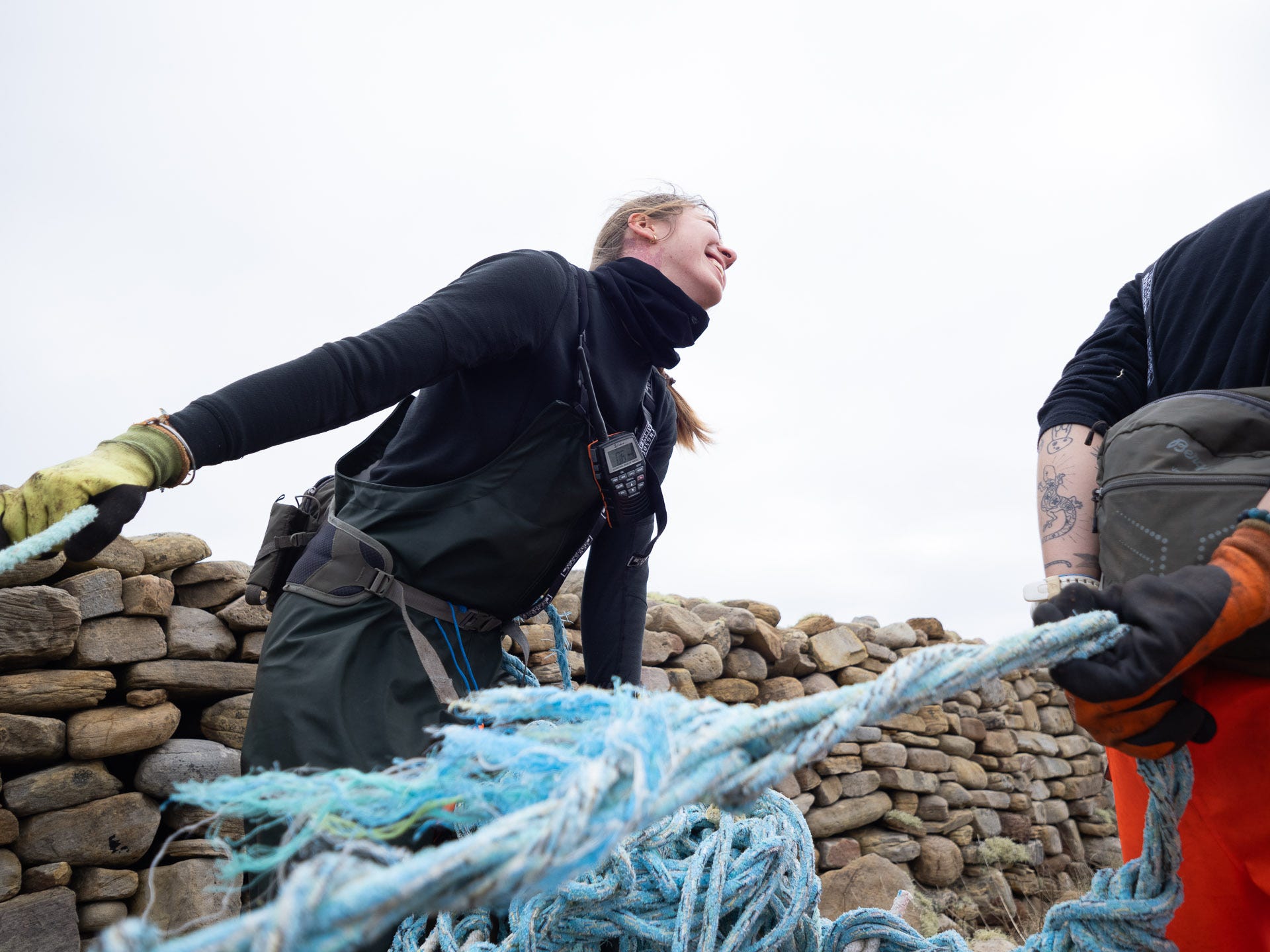
50 meters long pipe. Feeding pipe, from aquaculture. Part of it was in a pond and full of dirt, which made it particularly heavy. The crew was pulling it to the closest road access, together with the rest of the trash they picked on that same beach, so that someone could later come and collect it. But just before that, the team leaders said that the pipe could be left behind if it was too heavy to move. Marta Ruszczynska wouldn’t accept that. She silently set to move the pipe on her own and, when feeling others’ glances upon her, simply said “why don’t we try?”.
The trial was actually a success but the feeding pipe is only one of many others, along with fishing nets, ropes and other anthropogenic debris. It is striking how much litter you can find on a beach. But in this specific scenario, what struck me the most was the spirit. The spirit behind a simple question “why don’t we try?”, basically saying shouldn’t we try to do something about it before we actually give up?
Because that’s what this work often feels like: doing something before giving up. Or maybe instead of giving up. A smile among the fatigue, with the motivation to push through.
Resilience enacted.
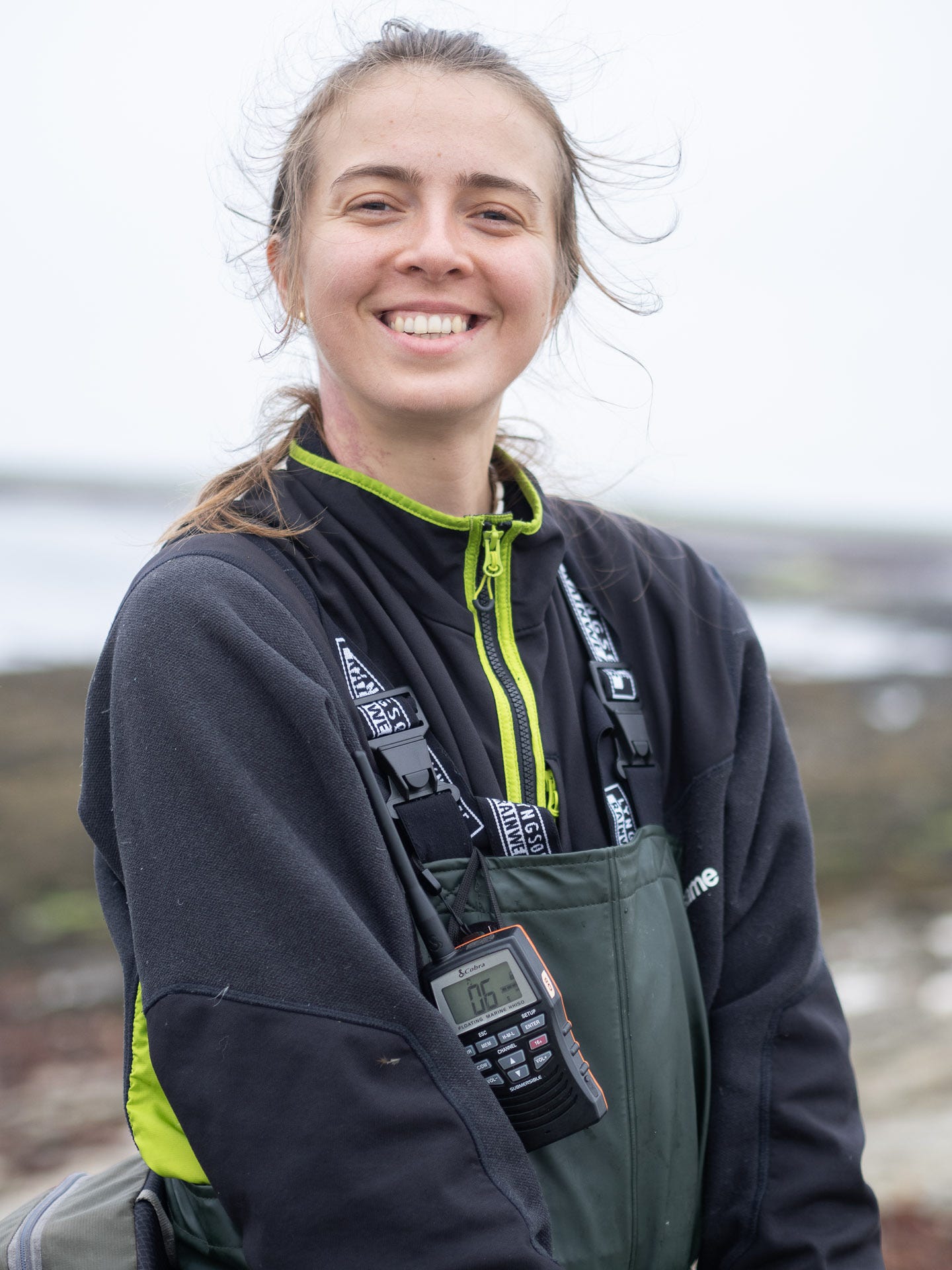
It is particularly fascinating to me to see the motivation of volunteers that for months on end pick marine litter with such dedication. And all of this is happening in a system that really doesn’t seem to be willing to change.
I have been speaking about marine litter with quite some people now, from many different backgrounds, geographical locations and also different professions. The further I moved from the beaches and into institutions, the more the conversation changed. It became about constraints. About complexity. About what cannot be done, at least not yet.
All of it real. All of it valid.
But only rarely did I hear that question.
Why don’t we try?
Research is essential. Policy is necessary. But at this point, we are not lacking information. We know what the problem is. We know where much of it comes from. We know enough to begin reducing it in meaningful ways.
So maybe the question is no longer can we.
It’s whether we are willing to act on what we already know.
This brings me back to the main question I have been asking myself for the past 2 years.
Why do people choose to act in a system that doesn’t seem to change?
I embedded for 3 months as a photographer last year but I also was a volunteer. To live and feel what it truly means to be part of the crew of In The Same Boat, Norwegian NGO that is fighting plastic pollution in the Arctic and Sub-Arctic region. And while there, being a volunteer, I tried to identify as one and I noticed many days I was asking myself the same recurring question: why am I here?
I assume I wasn’t the only one.
Everyone has their own answer. But after a while, patterns start to emerge – shared motivations, recurring reasons that don’t always get said out loud.
Maybe that’s a longer story. Maybe a book.
For now, it comes back to something simpler.
A woman. A pipe. A question.
I am going to hold onto this approach and the rare days in which my own motivation will fluctuate to a lower level, I will be thinking of Marta and the 50 meters long feeding pipe:
Why don’t we try?
Perché le persone scelgono di agire in un sistema che sembra non cambiare?
Un tubo lungo 50 metri. Un tubo di alimentazione, dall’acquacoltura. Una parte era in uno stagno ed era piena di fango, il che lo rendeva particolarmente pesante. Il gruppo lo stava trascinando fino al punto di accesso stradale più vicino, insieme al resto dei rifiuti raccolti su quella stessa spiaggia, così che qualcuno potesse poi venire a ritirarli. Ma poco prima di arrivare, i team leader dissero che il tubo poteva essere lasciato lì se fosse stato troppo pesante da spostare. Marta non lo accettò. Si mise in silenzio a muovere il tubo da sola e, sentendo gli sguardi degli altri su di sé, disse semplicemente: “perché non proviamo?”.
Il tentativo ebbe successo, ma il tubo di alimentazione è solo uno dei tanti, insieme a reti da pesca, corde e altri detriti antropici. È impressionante quanta spazzatura si possa trovare su una spiaggia. Ma in questo caso specifico, ciò che mi ha colpito di più è stato lo spirito. Lo spirito dietro una semplice domanda: “perché non proviamo?”, che in fondo significa: non dovremmo provare a fare qualcosa prima di arrenderci?
Perché è così che spesso si vive questo lavoro: fare qualcosa prima di arrendersi. O forse invece di arrendersi. Un sorriso dentro la fatica, con la motivazione a continuare. Resilienza messa in pratica.
Trovo particolarmente affascinante osservare la motivazione dei volontari che per mesi raccolgono rifiuti marini con una tale dedizione. E tutto questo avviene in un sistema che non sembra davvero disposto a cambiare.
Ho parlato di rifiuti marini con diverse persone, provenienti da contesti, luoghi geografici e professioni molto diversi. Più mi allontanavo dalle spiagge e mi avvicinavo alle istituzioni, più la conversazione cambiava. Si parlava di vincoli. Di complessità. Di ciò che non si può fare, almeno per ora.
Tutto reale. Tutto valido.
Eppure, solo raramente sentivo quella domanda.
Perché non proviamo?
Continuiamo a dire che serve più ricerca.
Ma sappiamo già abbastanza.
Sappiamo qual è il problema.
Sappiamo da dove arriva gran parte dei rifiuti in mare.
Sappiamo abbastanza per iniziare a ridurlo.
Quindi forse la domanda non è più se possiamo.
È se siamo disposti ad agire su ciò che già sappiamo.
Questo mi riporta alla domanda principale che mi pongo da due anni.
Perché le persone scelgono di agire in un sistema che sembra non cambiare?
L’anno scorso ho trascorso tre mesi come fotografo embedded, ma ero anche un volontario. Per vivere e sentire davvero cosa significhi far parte dell’equipaggio di In The Same Boat, ONG norvegese che combatte l’inquinamento da plastica nelle regioni artiche e subartiche. E mentre ero lì, come volontario, cercando di identificarmi come tale, mi sono accorto che molti giorni mi facevo la stessa domanda ricorrente: perché sono qui?
Immagino di non essere stato l’unico.
Ognuno ha la propria risposta. Ma col tempo iniziano a emergere degli schemi — motivazioni condivise, ragioni ricorrenti che non sempre vengono dette ad alta voce.
Forse questa è una storia più lunga.
Forse un libro.
Per ora, torna tutto a qualcosa di più semplice.
Una donna. Un tubo. Una domanda.
Terrò stretto questo approccio e nei rari giorni in cui la mia motivazione calerà, penserò a Marta e a quel tubo lungo 50 metri:
Perché non proviamo?
Comments
Nothing yet. Say the first thing.
Sign in to join the conversation.