
On Wednesday this week, a friend of mine arrived to spend a few days in the city.
We met for a coffee, and while I met his new girlfriend, we reminisced about the adventures we’d shared over the years. Enough of them to give her a pretty good idea of the kind of friendship we have.
It was on those adventures that I captured some of the most influential photos of my early photography journey.
Travel work, beautiful Mediterranean locations, and the kind of frames that inspired my eventual relocation.
It also led me into something the day after.
A deep dive through my archives.
And it got me thinking… this has become a ritual for me. One I think you might enjoy too.
I call it an Archive Dive.
Let’s dive in.
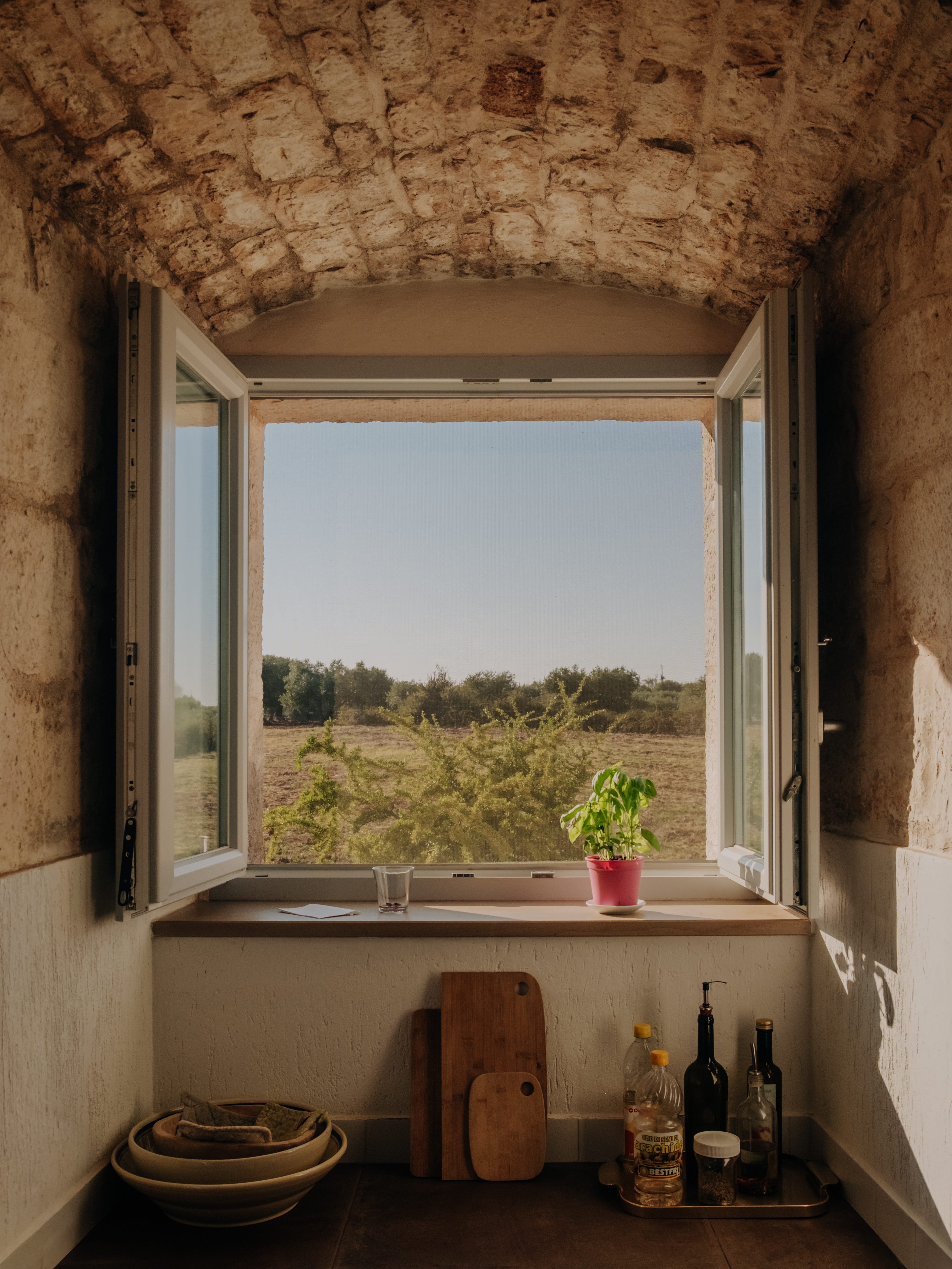
There are a few reasons I treat an archive edit as a ritual.
But the most prominent one is simply this:
A reminder.
A reminder of progress, of memories, or even of who I used to be behind the camera.
Now, I’m not suggesting you sit in Lightroom scrolling through your old work for hours!
New work will always remain the best way to improve.
But every now and then, revisiting the old stuff sparks something.
For me, it’s often: pride, satisfaction, confusion and a feeling of oh damn, I’ve actually changed a lot.
And oftentimes, if you’re growing a lot, like me, you might start even questioning your old decisions:
Why did I use that lens?
Why did I edit it like that?
Why didn’t I capture that?
These are great questions to be asking yourself, because they highlight your progress.
They clearly weren’t the questions you were asking yourself when clicking the shutter.
It’s rare I open an old catalogue and think: “Oh yeah, this is perfect. I was killing it back then.” It’s more like: “okay, I see what I was going for… but I wouldn’t do that now.”
That’s an important shift to notice… because it’s easy to get caught up in the work and never see how far you’ve come.
A trap I consistently find myself navigating away from.
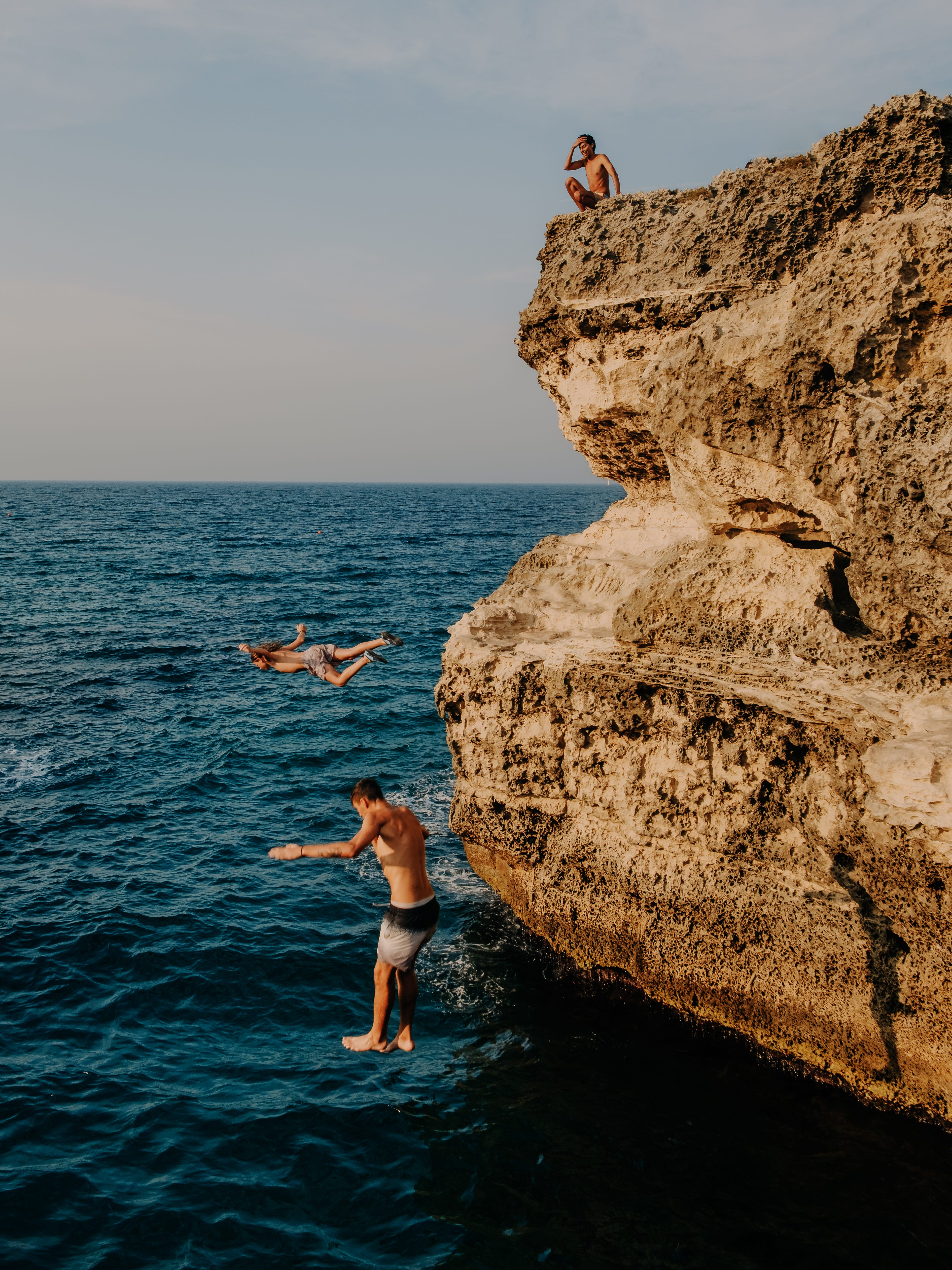
Following this new appreciation for your progress, an Archive Dive means going back through your old work with fresh eyes and fresh skills.
In my case, I noticed a lot of my older travel work was vibrant and colourful.
Something I’m genuinely proud of, but not something I really love right now.
Go back and watch any of my Lightroom tutorials on YouTube, and you’ll hear me say: “Bump the vibrance to at least +20” — a phrase I wouldn’t be heard saying today.
But that creative decision reflected the journey I was on at the time.
I was travelling, experiencing these beautiful places for the first time... vibrance was my way of sharing that feeling.
These days, I aim to push my work in a different direction.
More elevated, more neutral, more emotion.
Work that implies (actually reflects) I photograph these places a lot.
And with the techniques I’ve picked up since those early travel days, experimenting with some of those old photos showed me something useful.
Most of them were shot well. They were just edited in a way I no longer love.
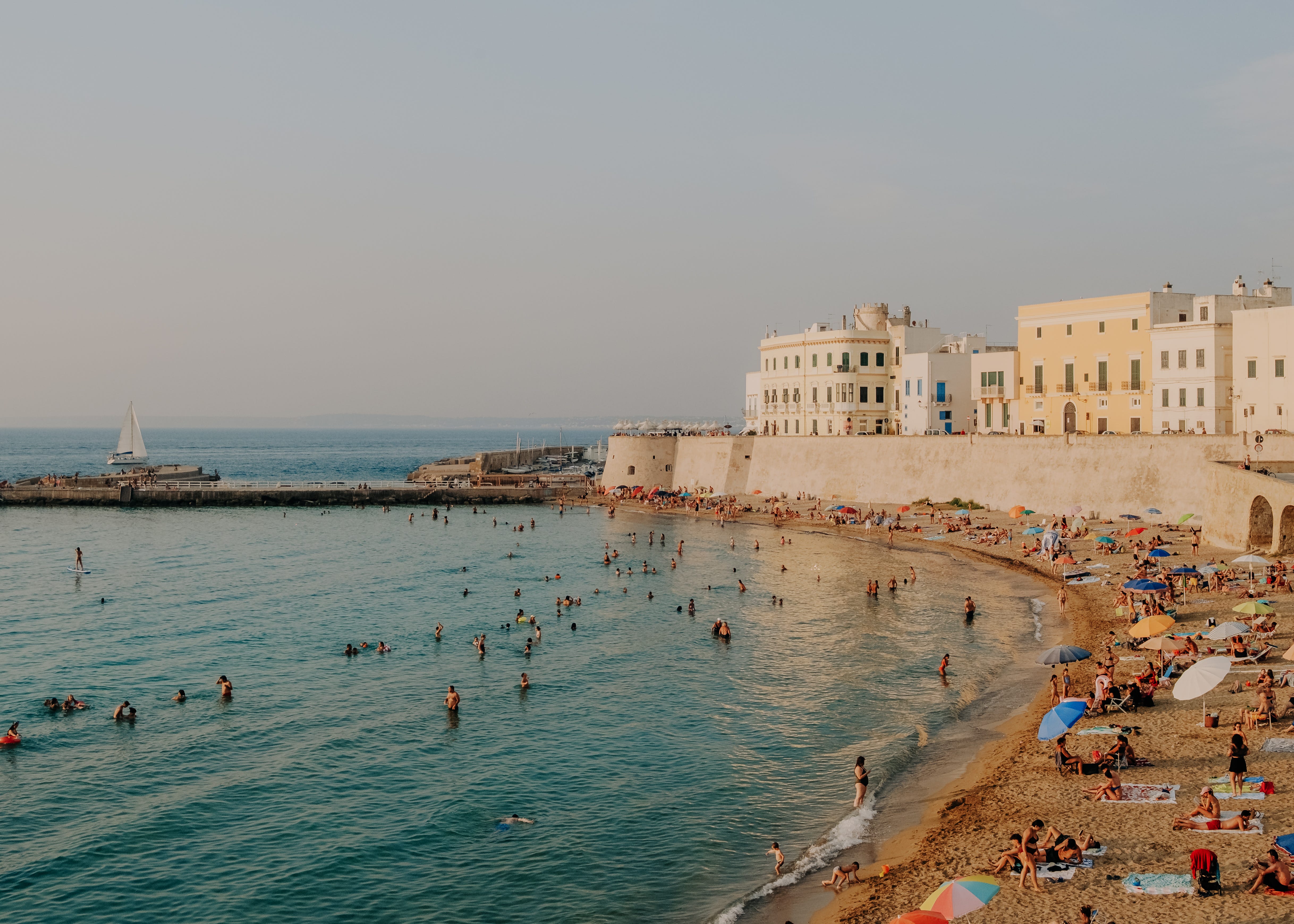
I also noticed that too many of my shots, alongside my taste today, were wides.
Not wide shots where I was close to my subject with a unique perspective.
Wides where I was only chasing that classic postcard frame to send home (the reality).
I didn’t prioritise the details (how I shoot now), because the classic frame was all I knew.
Seeing that across old galleries reminded me why close-ups, crops and details matter so much now for building a thoughtful image.
Much like the reminder of progress, an archive dive helps you clearly see the gaps your older work used to have, simply because you’re not the same person who took them.
You’re further along.
More knowledge, more skill, higher standards.
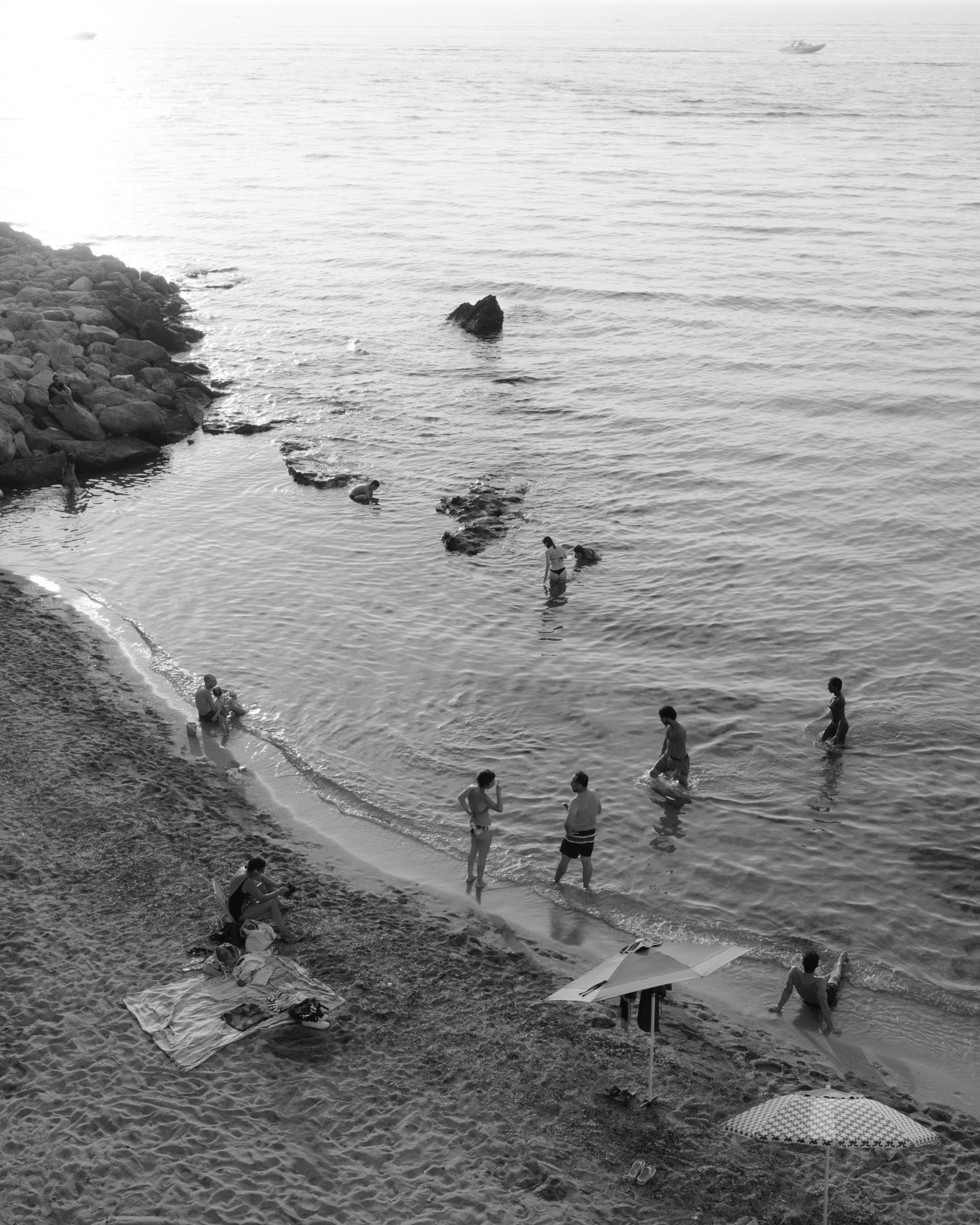
So that’s been the why. Here’s how.
There’s no real system to it. But there is a process.
I’ll pick an afternoon when the work’s done and choose one catalogue to sit with. A project, a trip, something with enough in it to spend a few hours inside.
I don’t go in looking for anything specific. I just scroll through the set and see what catches my eye.
From there, I’ll check the History tab in Lightroom to see where I left off.
Next, I look at the camera settings and lens choice (all the fun stuff).
Then I let the patterns start to show up on their own:
the postcard shots I kept taking
the colours I leaned on too hard
the frame I almost nailed but didn’t quite
You only notice those things when you stop looking frame by frame and let the work blur together a little.
Then, if something pulls at me, I’ll make a virtual copy and edit it like I would today.
Not to fix the past. Just to see the distance.
And then I close it.
That last part matters more than it sounds.
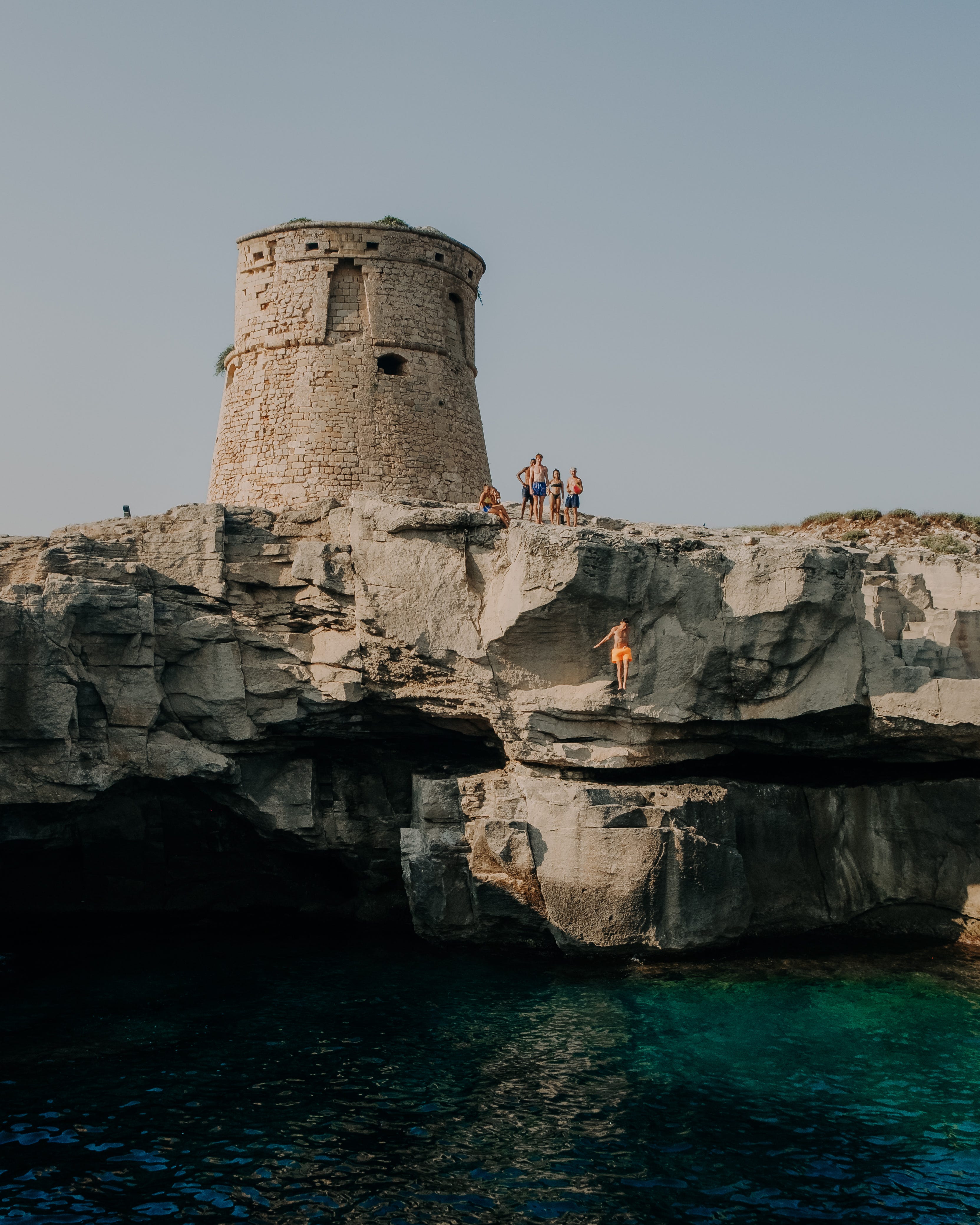
I touched on this above, but try to be cautious of falling into the trap of constantly revisiting old work.
I’d liken it to the saying parable of not digging up a seed to check if it’s growing.
Archives are archives for a reason.
They’re from a previous chapter of your creative journey.
Because when you constantly go back to re-edit and re-export, you’re delaying the only thing that actually moves you forward…
Shooting more.
More time behind the camera will always outdo an archive dive.
And more time behind the camera simply means you’ll have more of an archive to enjoy down the line.
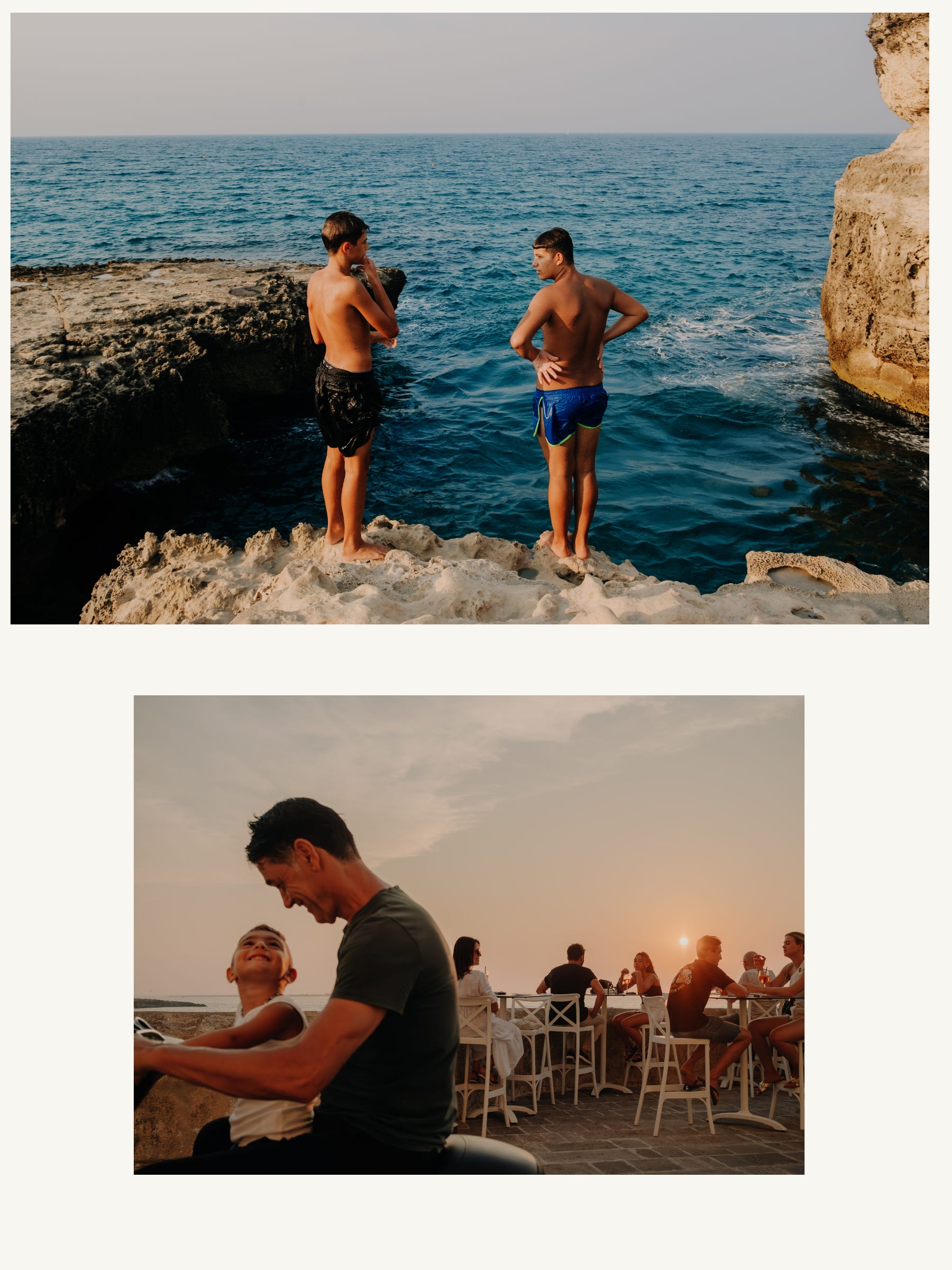
That coffee with an old friend reminded me that the archives aren’t just files.
They’re the proof of the adventures, the experiments, the version of me who was still figuring it out.
Visit them now and then. Let them remind you how far you’ve come.
Then close the catalogue and go shoot.
Happy shooting,
Matty.
No posts
Comments
Nothing yet. Say the first thing.
Sign in to join the conversation.