
A few Saturdays ago, I was out on a photo walk with my Fujifilm.
In just under two hours, I came home with around 120 photos.
A few nice frames of the restaurants on the coast, the first real beach day of the year and some reflection compositions I was trying out.
Unfortunately, of those 120, I maybe liked 10.
A strike rate under 10%.
Now, we all have these days. And it’s not like I was being reckless with memory space. I guess there was just something missing.
So that week, I took the leap I’d been circling for a while and bought a film camera.
This is what one roll taught me, and what it did to that strike rate.
Let’s dive in.
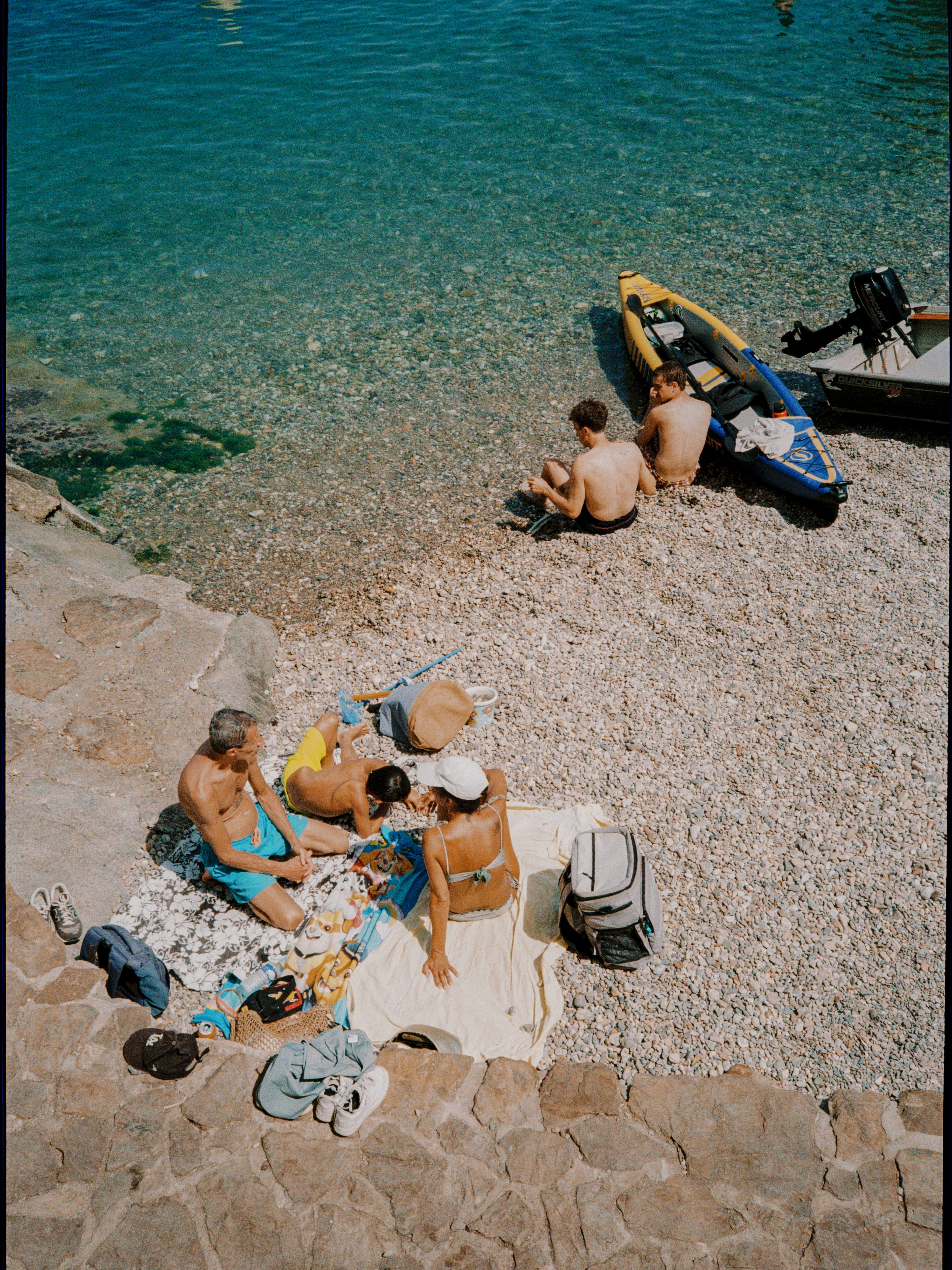
Entering the film game has been a back-and-forth battle for a while now.
I’ve shot my fair share of disposables and rolls over the years.
But the thing that kept stalling my deep dive into the medium was that I needed to do it properly, to the point where it could sit comfortably alongside my commercial work.
A Kodak disposable wasn’t fit for that. So I knew it needed to be a real step up.
The camera I landed on was an affordable point-and-shoot, the Nikon L35 AF2.
I saw it as a small first move into film, not necessarily the destination.
The thinking here was to ease myself in, learn how I actually shoot on film, and keep the remaining allocated budget for the things that would help get better photos: trips, film stocks, and experimenting with different labs.
The hope is that this is the start of something and that down the line, I can upgrade into better glass and a proper film body once I know it’s for me.
Fast-forward to this Thursday, after a weekend of shooting in La Costa Brava, my first roll came back.
My initial reactions: shocked, impressed, confused & ecstatic (simultaneously, btw).
Why were photos shot on a camera that’s over 40 years old and a fraction of the cost of any digital camera I’ve owned, evoking such emotions?
Honestly, I’m still working out. But here’s what I found.

I’m a big believer in creative limitations. It’s how I approach a lot of my work.
But being limited by the sheer number of photos you can take is a different kind of force toward intentionality. Something I’ve spoken about a lot on this Substack.
36 shots. €14 for a roll of Kodak Gold, and about €25 to develop. That put me at just over €1 a photo.
Not outrageous in the grand scheme of things, but compared to that Saturday with my Fujifilm…
The 120 frames I fired off would have cost me roughly €130 on film. That’s a bill far harder to sit with than a memory card you’ve already paid for.
So I was forced to consider every shot.
Although I should be doing that anyway, this unwelcome financial incentive made it impossible to ignore.
I had compositions framed up and chose not to press the shutter because of the light. I saw frames I loved, but knew the dynamic range was too much to hold. Rather than fight a backlit shot, I’d move to bring the light in from the side.
The ongoing cost in my head resulted in a much stronger filter for what got captured.
And as a result, the photos I came home with had a much bigger impact on me.
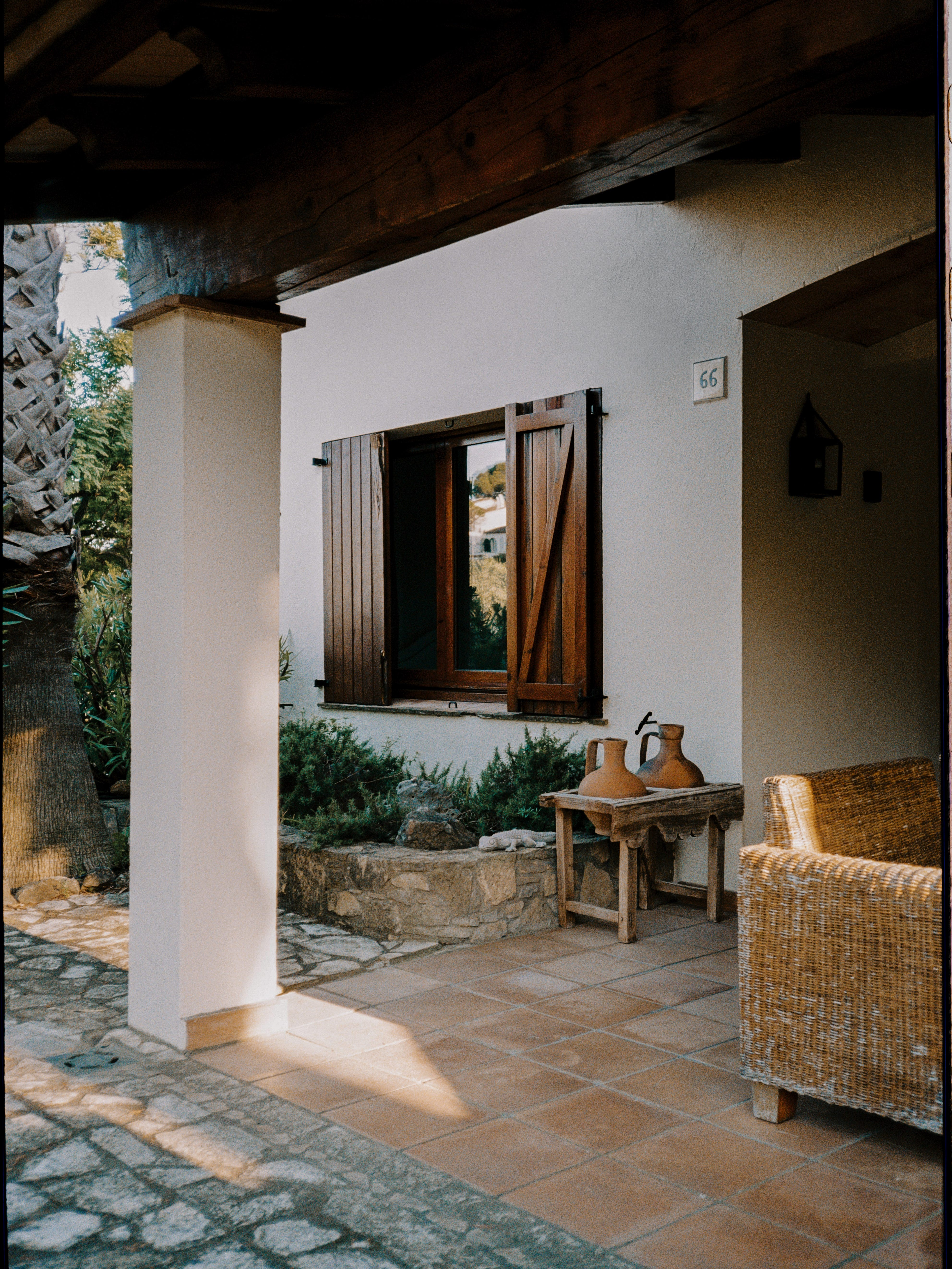
I’d be lying if I said I didn’t have reservations about relying on a 40-year-old camera.
Will they be in focus? Did this thing even load correctly? Should I have brought a digital backup?
I committed anyway, to the point where I left my Fujifilm at home. I shot a few stills on my Sony for comparison, but this was a film trip.
And honestly, I didn’t enjoy that part.
Checking focus, framing, and cropping, with no screen to reassure me while we visited such beautiful locations… it made the trip a bit nervy.
But I guess there’s something in that, though. Maybe I’ve been relying too much on the security of an EVF.
Those fears quickly subsided the moment the roll came back.
Of the 36 frames, only three let me down (One out of focus, one accidental repeat, and one self-timer mishap I still can’t explain).
A few others simply didn’t land, leaving me with around 30, which I was genuinely happy with!
Strike rate: 83%
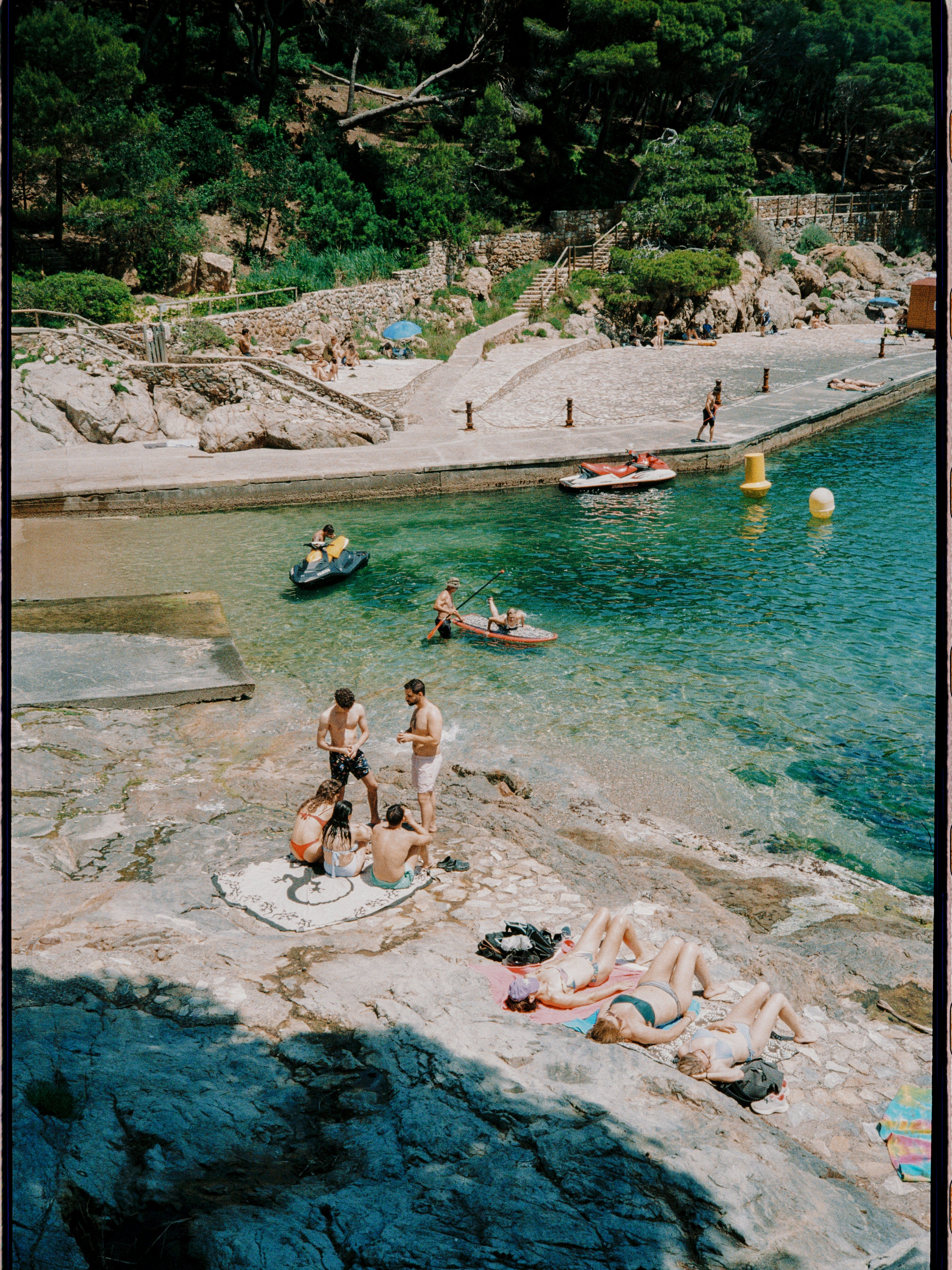
It might seem unnecessary, but I did bring the keepers into Lightroom for some finer adjustments.
I’d paid for higher-quality scans from a very good lab here in the city, which gave me the room.
White balance, the odd crop, and some finer skin-tone work.
But the more I did, the more I wanted to stop.
It felt like I was overdoing it. Getting in the way. And that was refreshing.
In the past, editing has felt like bringing a photo to life with digital work.
This time, it felt like preserving the life that was already there.
When you only capture the frames you truly meant to take, there’s far less to fix later.

I went looking for a better strike rate, but instead I gained so much more.
On digital, I’d kept 10 frames out of 120. On film, I kept around 30 out of 36. Roughly 8% against more than 80%, on a camera that costs a fraction of the price and is older than I am.
It took an old camera and a small purchase to remind me of something I already knew, and already preach. Slow down. Be selective. Focus on light.
I’m still figuring out where this fits alongside the commercial work. One roll isn’t enough to know, and the L35 probably isn’t the last film camera I’ll own.
But for the first time in a while, I came home with photos that felt like mine. And almost none I needed to throw away.
Happy shooting,
Matty.
No posts
Comments
Nothing yet. Say the first thing.
Sign in to join the conversation.