
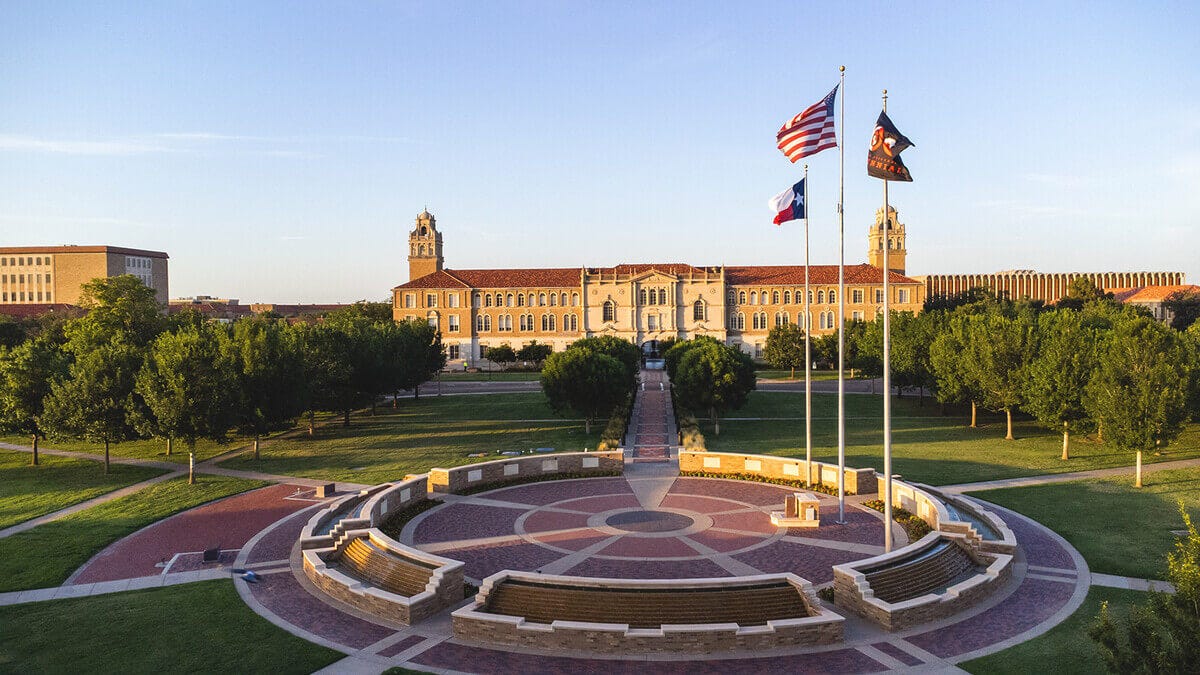
For many students, college is the first time they are exposed to concepts and ideas that stretch and challenge their lived experiences and framework for understanding the world. College classes are designed to explore complex topics and encourage independent thinking. College is the perfect time for this as (most) students are generally living independently in dorms or otherwise outside of their parents’ home. Because the college experience is such a pivotal time of discovery, both in terms of learning about yourself and learning about different perspectives on the world, it is no surprise to me that
A new lawsuit has been filed in collaboration with Lambda Legal and the NAACP Legal Defense and Education Fund against Texas Tech University System Chancellor Brandon Creighton and members of the university’s Board of Regents. The origins of the lawsuit come from what is referred to as the “Creighton Memoranda,” which came in two parts over the past few months, the first in December 2025 and the second in April 2026. The directives from university leadership created instructions that have significantly limited teaching on campus. Texas Tech University established a mandatory review process requiring professors to disclose all class content they would be teaching and discussing in any way during their classes.
As part of these instructions, subjects related to race, sex, sexual orientation, and gender identity were not permitted. If at any point during the evaluation process a professor’s course was flagged, teaching of the related material had to stop until the university’s Board of Regents ruled on it. The faculty-led lawsuit argues that the university’s memoranda violate the First Amendment by preventing professors from teaching ideas about race and gender freely and requiring them to conform to ideas about race and gender that align with the memoranda. They argue that the policy is vague, creating a situation where faculty are unable to reasonably determine what is and isn’t allowed. In the lawsuit, they also argue that racism is an underlying motivation behind the memoranda. The faculty argue that Black faculty are specifically being targeted by the memoranda and that this is systematic suppression of Black history and the realities of racial inequality.
The goal of the lawsuit is for the court to rule that the memoranda are unconstitutional and block Texas Tech from enforcing them. Faculty also argue that these memoranda violate the Fourteenth Amendment because of the lack of due process, with the vagueness of the instructions trapping faculty in a situation where they aren’t even able to understand what is and isn’t allowed. The lawsuit, most importantly, centers the reality that the university’s policies are censorship and significantly change the educational experience for students on campus. College is about the opportunity to learn critical thinking skills and to gain an understanding of the world, including, and I would argue, especially, people whose lives are different from our own. The best way to avoid repeating the worst and most unethical parts of history is to learn about them, and none of that can happen effectively if students are receiving a censored education and professors are not able to teach about the diversity of the world.
Sassafras Patterdale’s novels and nonfiction books have been honored by organizations ranging from the American Library Association to the Lambda Literary Foundation and the Dog Writers Association of America. Sassafras’ work has appeared in The New York Times, Wired, and numerous other newspapers and magazines. Sassafras has taught queer writing courses and workshops at LitReactor, the NYC Center For Fiction and at colleges, conferences, and LGBTQ youth centers across the country. You can find more of Sassafras’ written works, including an edited collection exploring LGBTQ+ youth homelessness entitled Kicked Out, at www.SassafrasLowrey.com.
No posts
Comments
Nothing yet. Say the first thing.
Sign in to join the conversation.