
I had never seen such a beautiful black dress in my life, the combination of a strapless corset with a godet like midi skirt made up the perfect little black dress. I was only 9 years old, and the very small dress would surely not fit me as it was made for my Barbie out of scraps of fabric from my grandmother’s workshop.
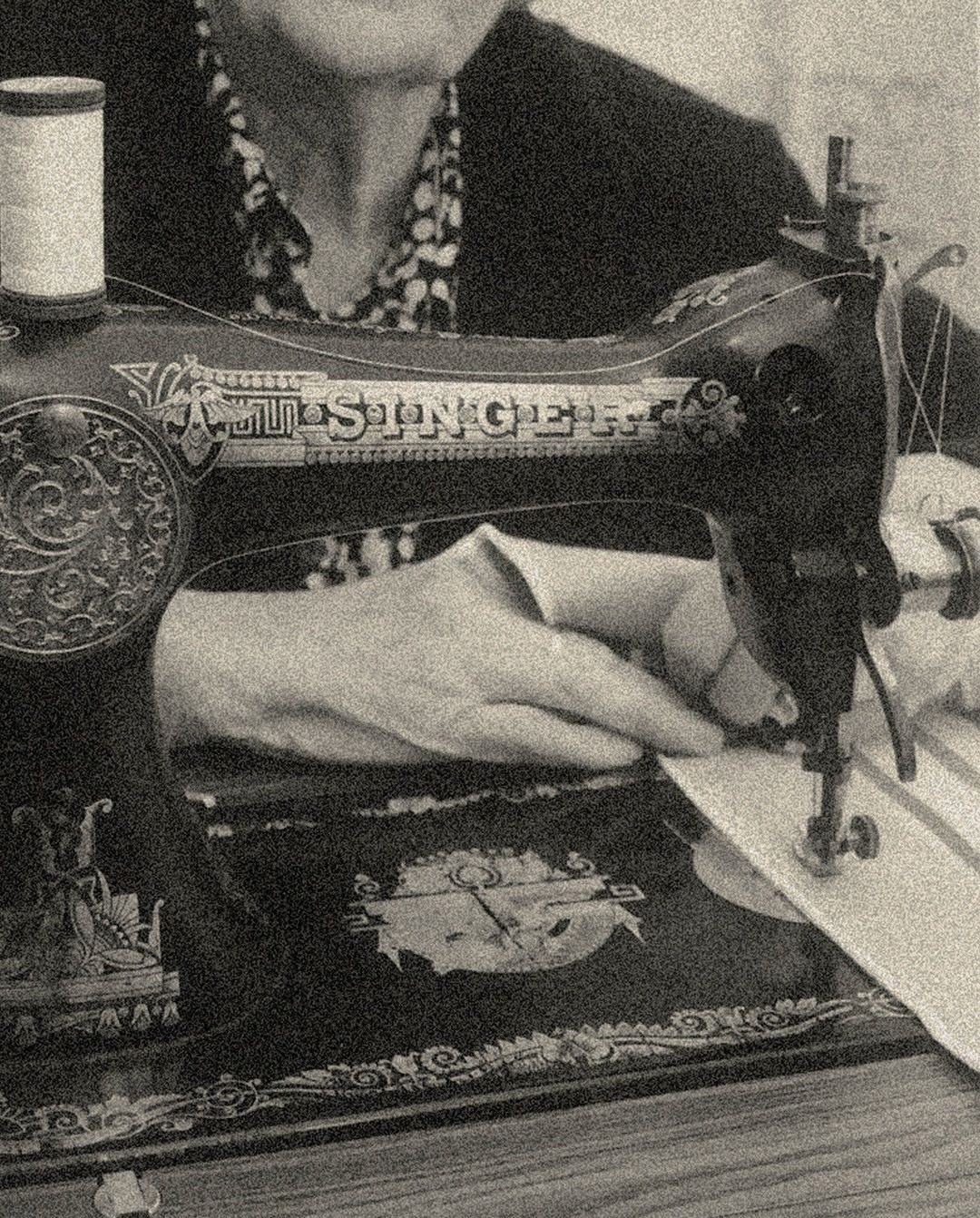
She would spoil us by making us Barbie versions of her designs. I used to wonder how she made such tiny beautiful clothes with the most attention to detail. The very small perfectly placed button in the back of that dress must have been something to put on. When asked why I started Ankeho, I return to this place in my memory.
The more fleshed out version is that Anekho was born from the love of fashion, the natural world, and people.
I started loving fashion at a young age, thanks to one of the strongest, most wonderful women I’ve ever met, my grandmother. To me fashion was her world, happy women coming in and out of her workshop with their new designs, beautiful dresses and workwear for professional women. Visiting fabric stores, drape talks, sketches, designs, I had no idea what it all meant but I knew it was all part of this beautiful creative world of fashion.
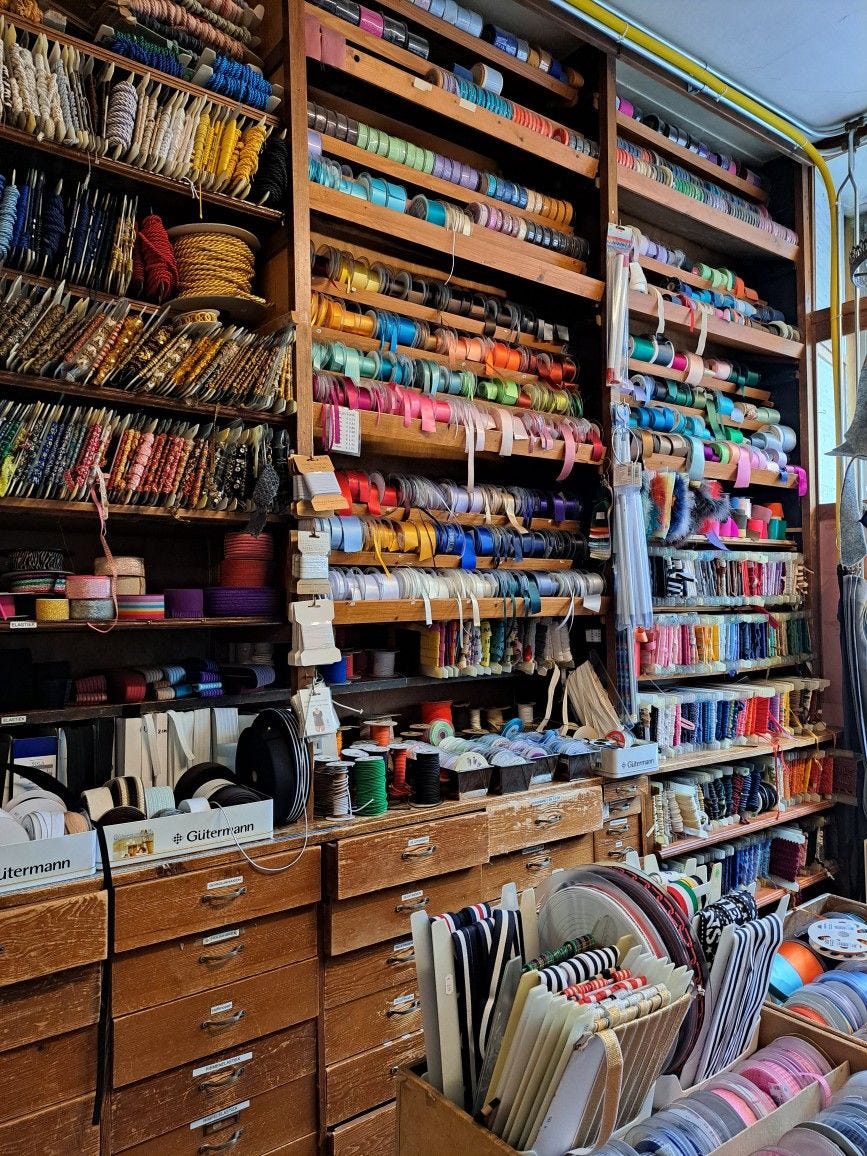
Fast forward to today, seeing how much the industry has polluted our environment and contributed to climate change, I had to stop to wonder, is it still possible to enjoy fashion? There’s clear yes in me now, from months of research and conversations with experts. We can, but with new approaches and restraint.
Nature left an imprint in me during my years at university. UC Santa Barbara was one of the most beautiful university campuses I’d ever seen.
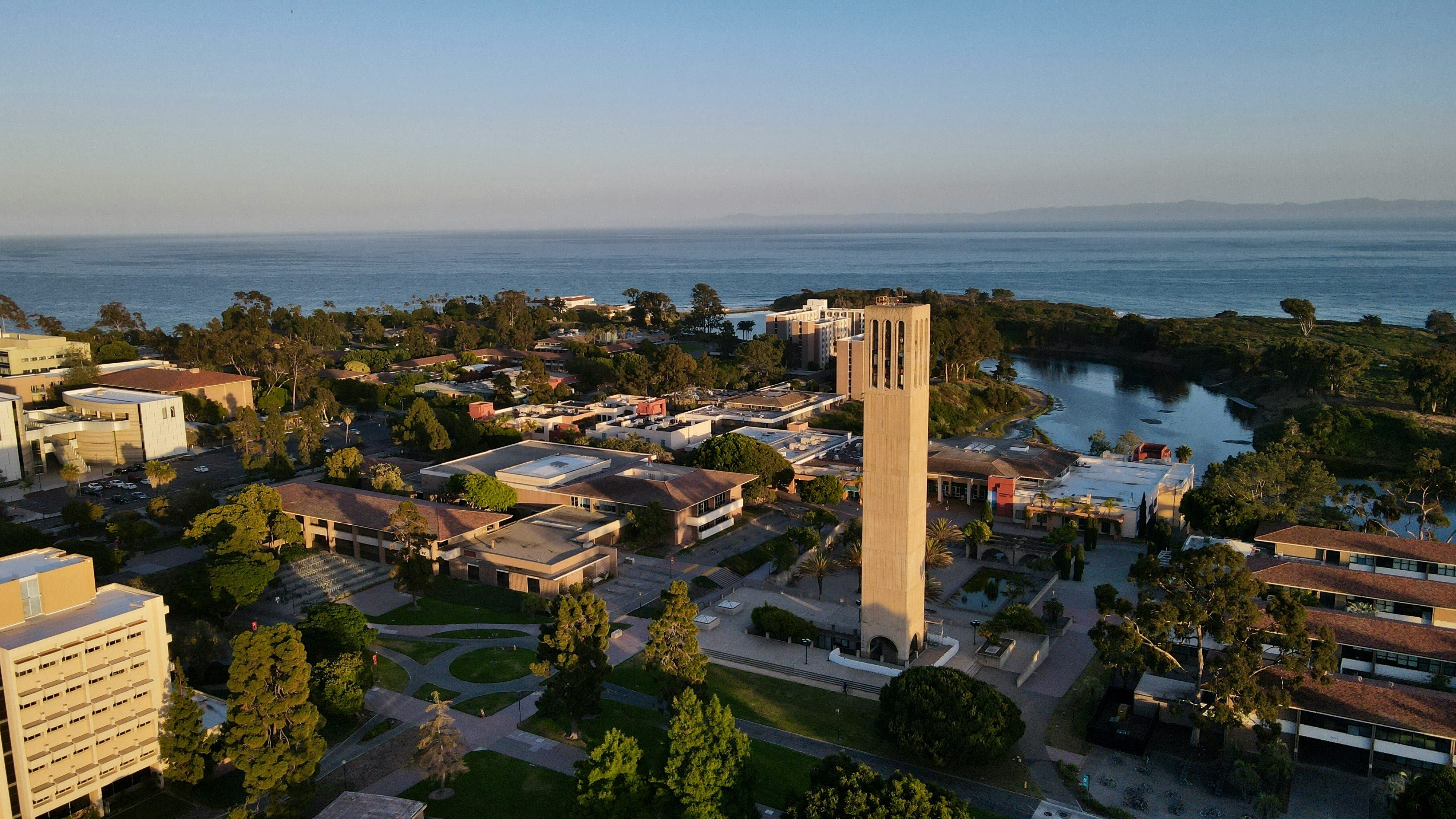
The striking beauty wasn’t produced by the architecture itself, it was by how it blended with the nature surrounding it. I used to bike to some of my Poli Sci classes while looking out at the vast pacific ocean, the wind blowing strongly through my hair. It was hard to believe that was my daily view. In that proximity to the pacific ocean I also got to experience firsthand the reality of ocean pollution. When the Refugio Beach Oil spill, along the coast of Santa Barbara, happened I could see the oil stains on the beach, the rocks, the animals, the water. It was a huge manmade mess, devastating to see.
I graduated and carried on with my life in San Francisco, went to the corporate world, and worked as a compliance analyst. But in the back of my mind I was sure I wanted to do something in the sustainability space. People still seemed too silent about what was going on, oil spills, rising water temperatures, the California and pacific northwest fires like never seen before. Yet we were comfortably drinking our lattes.
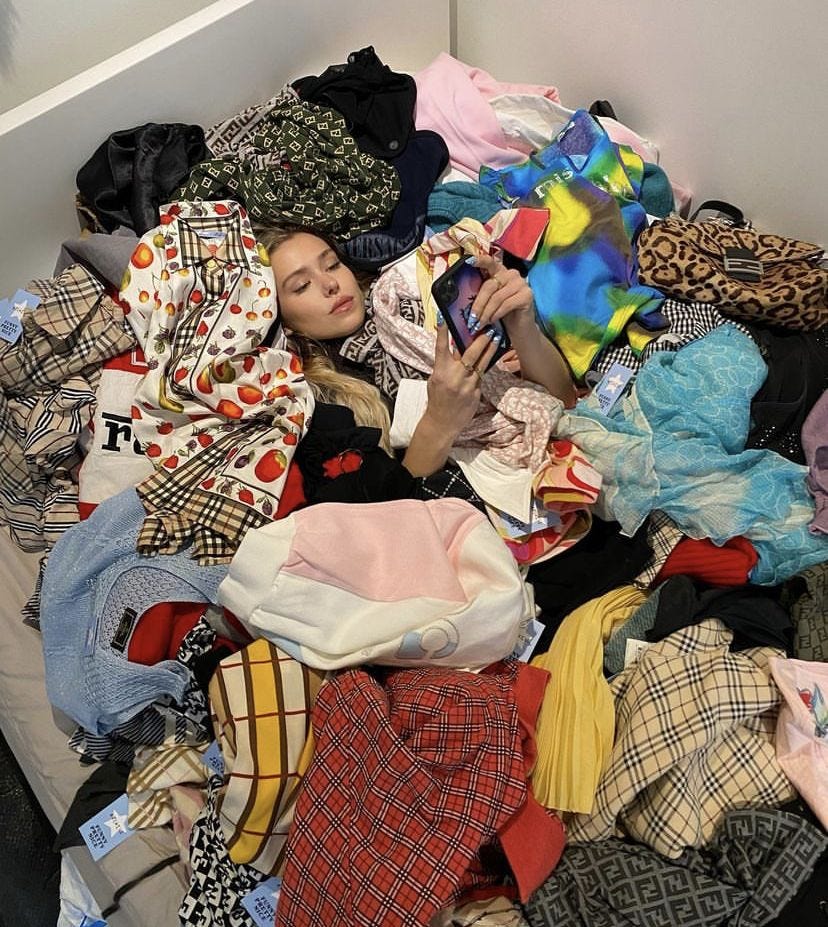
I was clearly doing that, but I couldn’t come to terms with it, it bothered me to the core. So I took an Sustainable Development Goals (SDGs) workshop organised by the UN Association of San Francisco, which I was part of and was working with to help bring local awareness and action. It still didn’t feel like enough, we were all still too removed. Understandably so from a human behaviour perspective, as American Psychologist Hobfoll writes, we find safety in continuation and minimal disruption. But I had already been shocked by the reality of pollution and felt that I needed to contribute more.
After becoming a mother and moving to Berlin, this reality became stronger. Being a mother of two wonderful little boys made me feel the most fulfilled I had ever felt in my life. Yet, the more I thought about them the more I was confronted with the reality of how climate change and pollution were part of their lives. At this point, I was happy to see that the awareness problem in Europe was being tackled by a great amount of highly dedicated organisations and people. But I felt there was still work to do on how to help people pause when making purchases, so I decided to focus my contribution on people, at the individual level.
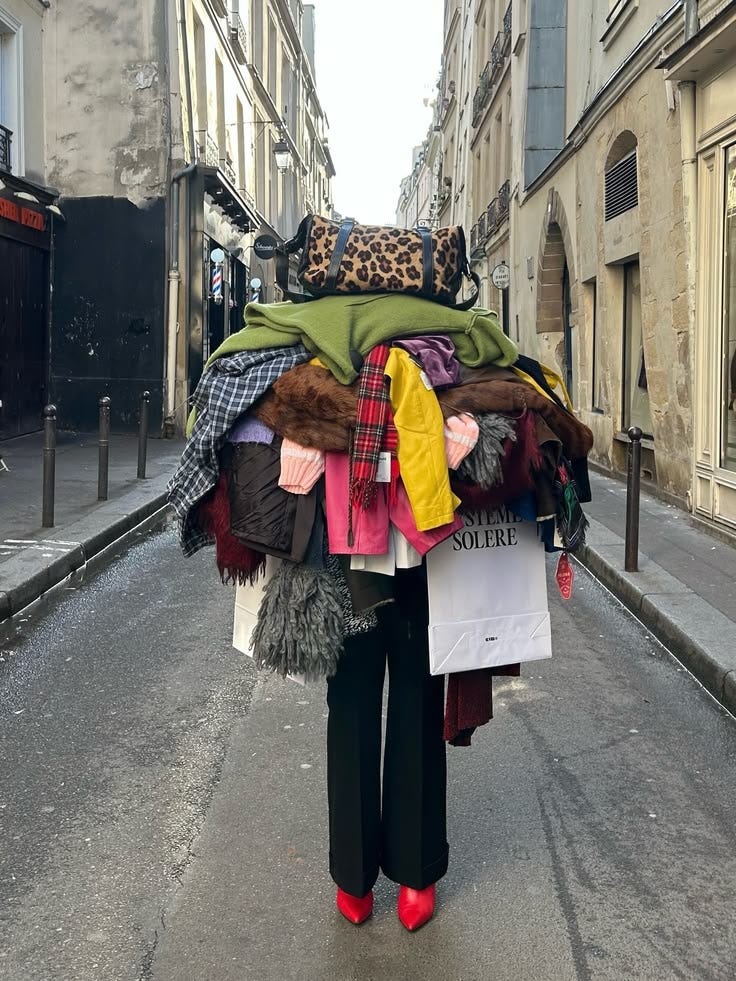
Early in my journey as a mother I started looking more into toxicity in clothes, which brought me back to fashion. My oldest child has a genetic mutation, caused by environmental factors. So this prompted me to look into the toxins and the industry closely. The upside was that it helped me return to something dear to my heart. I had been aware of ethical concerns in the industry but this opened a new door. I started digging into it and realizing how little power we consumers have when it comes to what we wear. How complicated it is to find this information. It felt unfair, especially on the topic of children, and I felt deceived.
I wanted to keep my children away from certain brands that I knew were not being truthful and got to know amazing brands, many manufacturing their products in Portugal. I stumbled across PlayUp, they had some of the best quality and materials I’d ever seen. They weren’t too well known, but their quality was wonderful and I was happy to find they also carried clothes for adults.
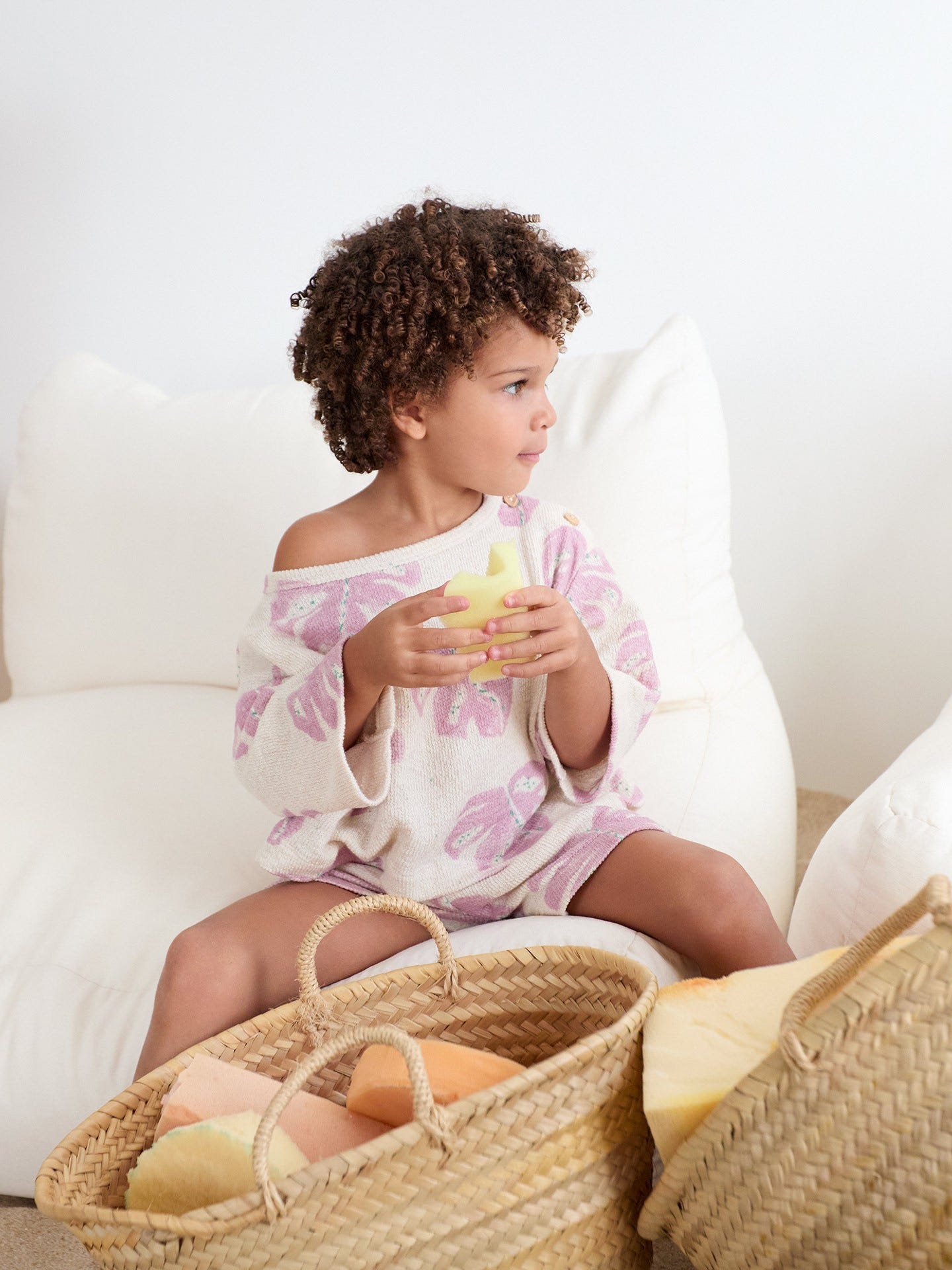
Then I realised there were so many of these smaller brands out there doing great work in the sustainability and circularity spaces that didn’t have much visibility. Giving visibility to these smaller brands is now part of Anekho’s mission.
In essence, this is what led me to start this conscious fashion advisor. That helps you screen brands, find better alternatives, keep your wardrobe visible so you can take better care of it, have a swapping facilitator, engage in conscious challenges, and have someone seeing you and rooting for you on this journey.
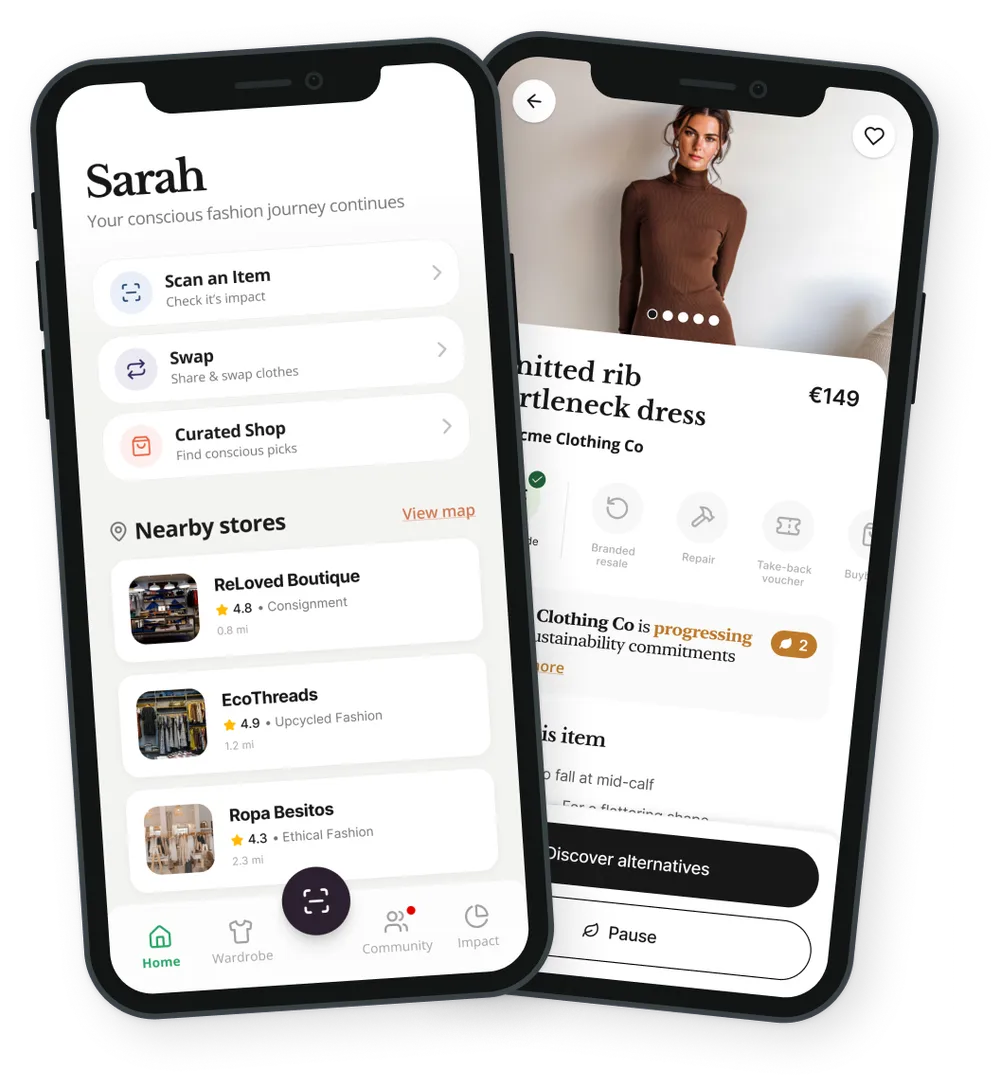
Anekho is a tech heavy tool that is only now possible with AI, but is easy to use and made for those who want to enjoy fashion more mindfully and consciously. And I think it’s important to emphasise that this app - and each of our journeys when it comes to being more conscious with fashion- doesn’t have to be perfect. It’s all about taking small, mindful steps that add up to something big.
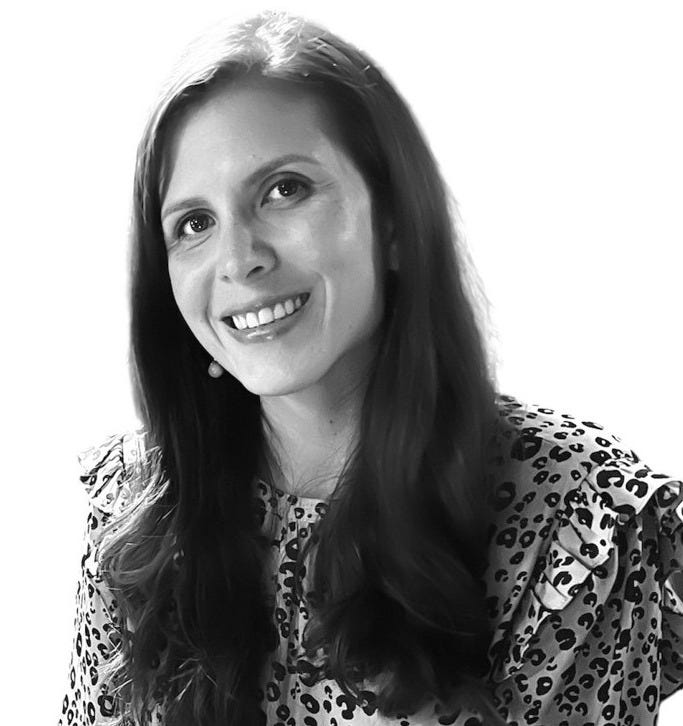
Natalia Quintana is the founder of Anekho, where she works in the space that combines fashion, sustainability, and technology. Her mission is to create more transparent relationships between brands, products, and consumers. Drawing on six years of experience in corporate risk, compliance, and investigations, alongside a background in Political Science, Natalia brings a cross-functional approach to sustainability communication and regulatory compliance- Fluent in English, Spanish, and Portuguese, Natalia is passionate about responsible innovation, circularity, and developing evidence-based solutions that help build a more accountable and sustainable fashion industry.
You can get early access here: https://www.anekho.com/#waitlist
Comments
Nothing yet. Say the first thing.
Sign in to join the conversation.