
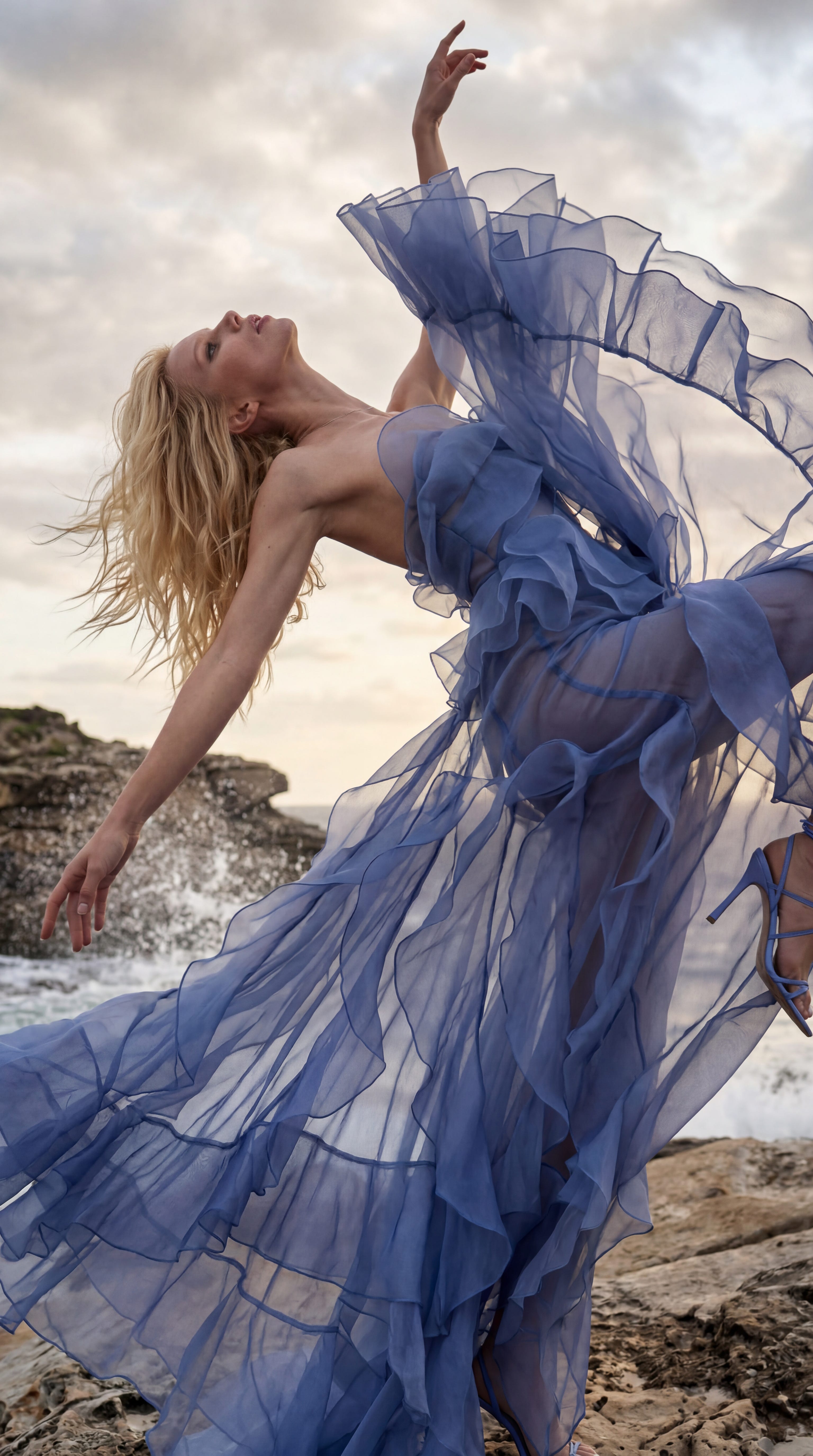
Fashion has always been my world.
I’ve spent more than twenty years as a fashion designer and design director. I’ve built collections from the first sketch all the way through production. I’ve spent countless hours in fittings, worked with factories around the world, developed fabrics and prints, sat through buyer meetings, and watched ideas become products. For me, starting a business wasn’t the dream. My dream was that I wanted to design beautiful clothes.
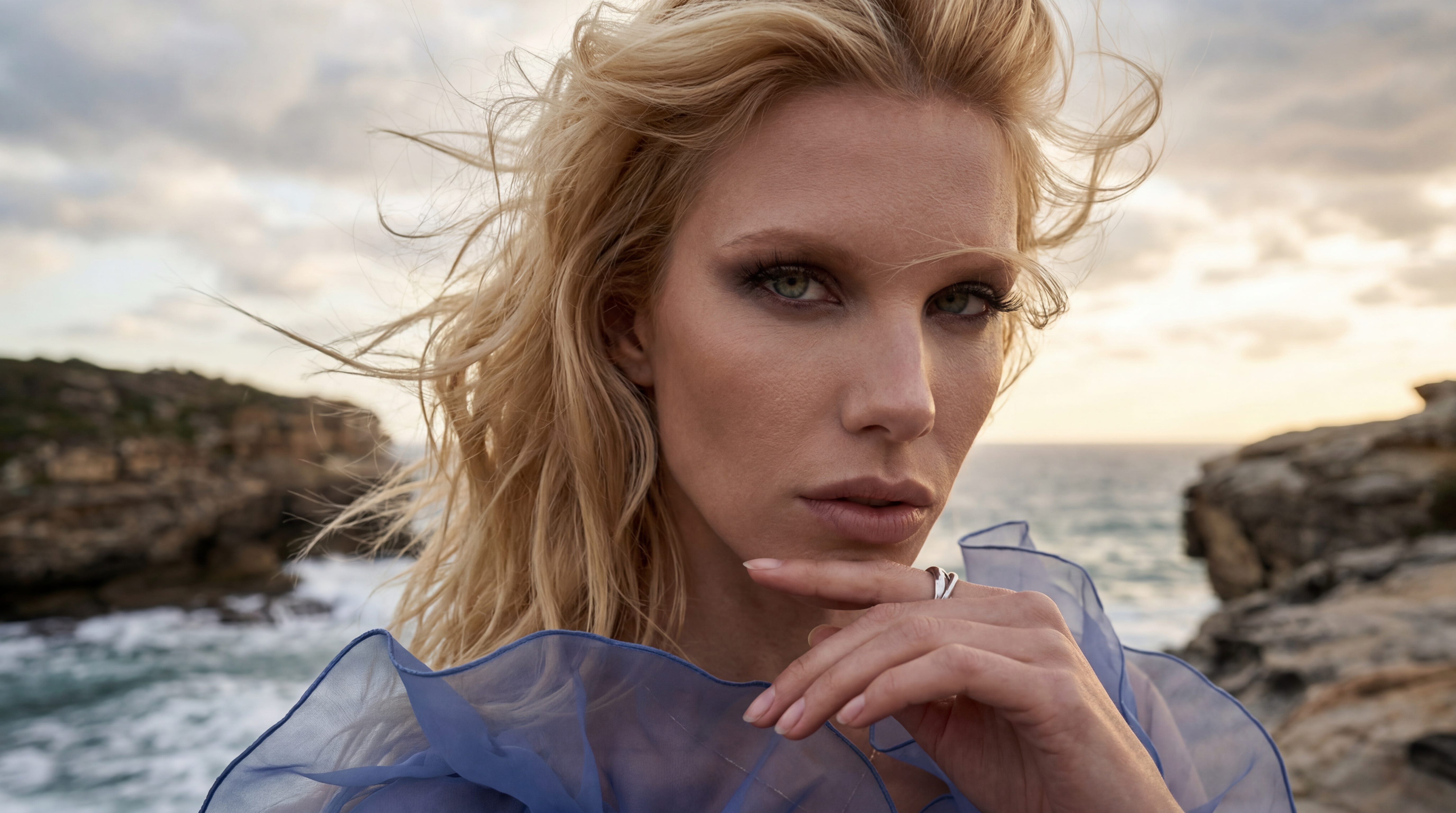
But after years in the industry, there was one part of the process I could never quite be get comfortable with, no matter how hard I tried.
You see, most people only see the finished collection. They see the runway show, the campaign, or the clothes hanging in a store. They don’t see what happens long before any of that. Every collection starts with sampling, and sampling takes time. Sometimes a single style goes through two, three, or even four rounds before the fit, fabric, proportions, construction, and details are exactly right. Multiply that by an entire collection and you’re suddenly talking about hundreds of hours of work.
Then comes the buyer meeting, and everyone is rushing to get the collection finished. Samples are steamed, organised on racks, and carefully merchandised because everything depends on that presentation.
You walk into the room hoping the collection gets picked up, and sometimes it does! And sometimes it doesn’t. When it doesn’t, those samples don’t just magically disappear. Many end up sitting in warehouses, sold through endless warehouse sales, marked down season after season, packed into storage, or eventually thrown away. That there was what always bothered me.
I loved designing. But I hated how much waste had become accepted as just part of the business. Everyone knew it happened. Nobody questioned it because that’s just how fashion worked.
For years I accepted that too. Then, by complete accident, AI found me.
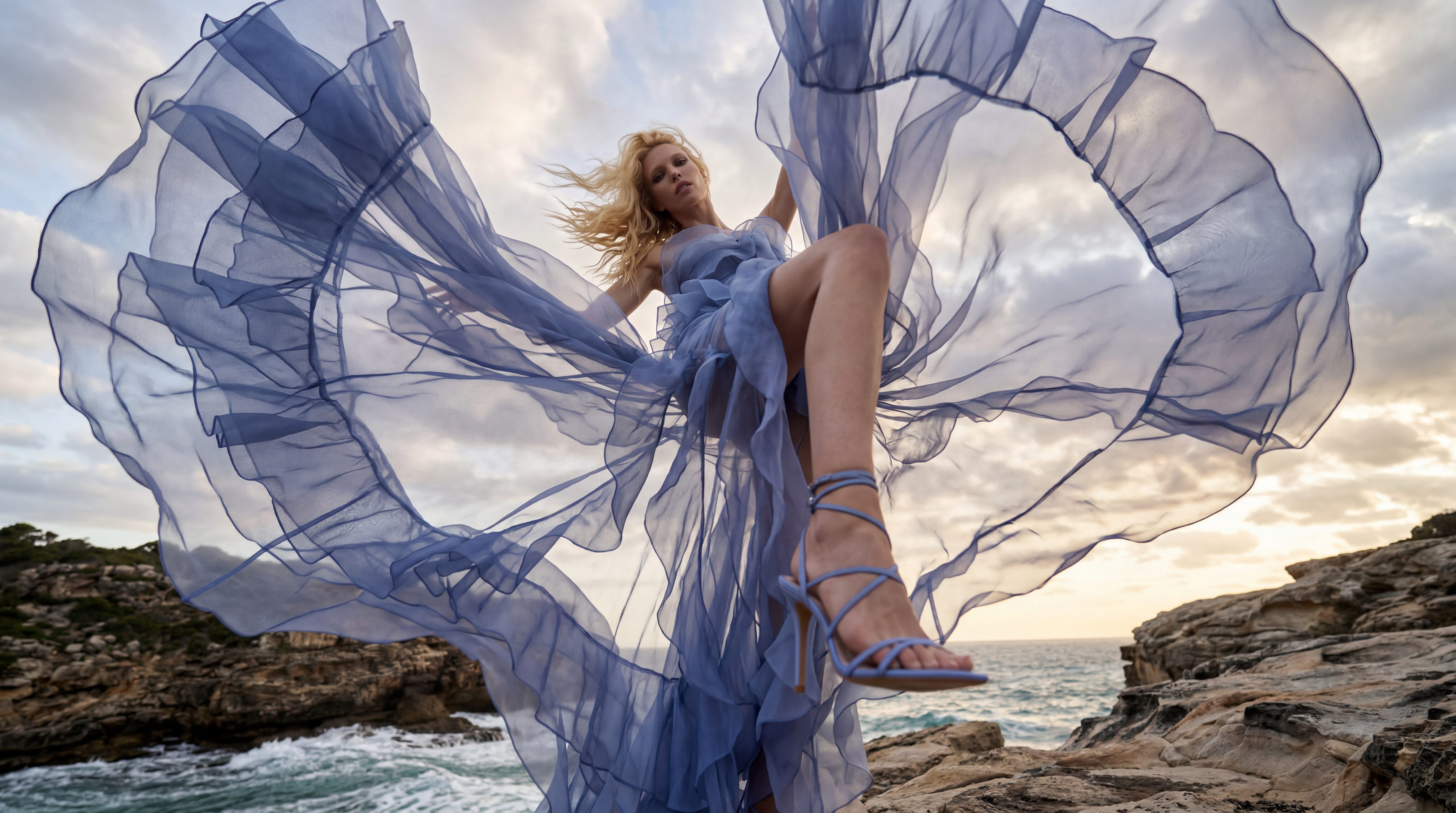
I was at DHL shipping another box of samples to a client when the guy behind the counter asked if I was a fashion designer. I told him I was, and he pulled out his phone to show me a collection he had created. I couldn’t comprehend what I was looking at.
He told me it was made with Midjourney on Discord, two words I had never heard before. I went straight home and spent hours trying to figure out how to get into Midjourney. It wasn’t easy. I’m not a gamer, and Discord made no sense to me. But once I finally got in, the world of fashion (how I’d known it) was cracked open. I never looked at things the same again.
It wasn’t so much the AI that fascinated me. What got me was that I was that, for the first time in my career, I saw a better way to create fashion.
At the time, I wasn’t thinking about entrepreneurship at all. I wasn’t trying to build a studio. I believed I had stumbled on a better way to work, and I assumed everyone else in the industry would feel the same way.
Spoiler… I was wrong.
One of the first major presentations I gave to a well known fashion brand is something I’ll never forget. Someone senior had reached out after seeing my work and invited me to present to the design team. I spent hours preparing. I was genuinely excited because I thought this would be one of those moments where everything clicked.
Instead, I walked away realising I had completely misunderstood where the industry was. Nobody was rude. Nobody dismissed the work. But I could feel the hesitation almost immediately. The questions became careful and there were long pauses. People looked at each other before responding. I don’t think they thought the work was impressive, more just that that they didn’t know what it meant for them.
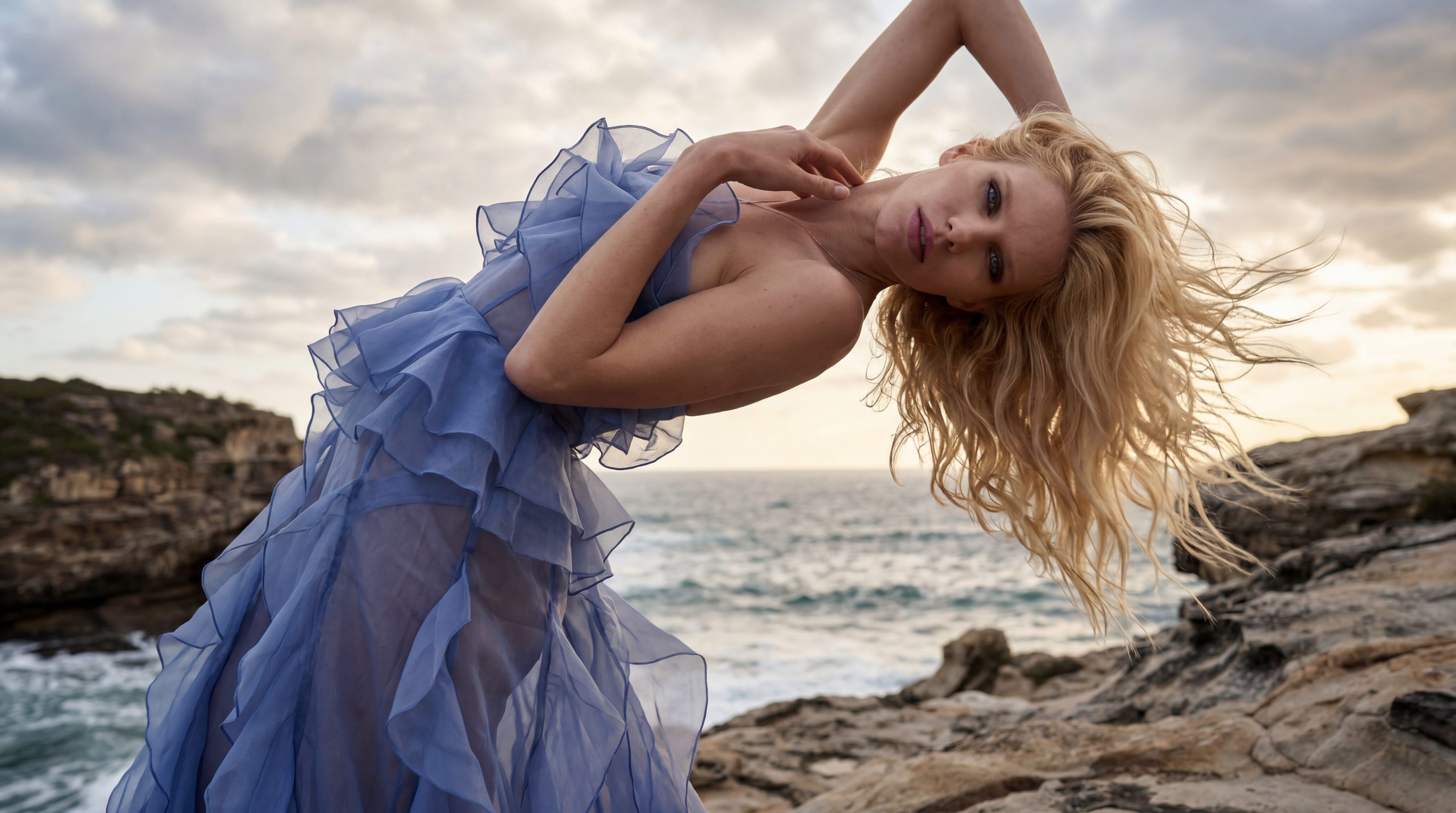
I left disappointed, but I also left with one of the biggest lessons of my career. I thought the challenge was going to be around building the tech, but actually it was all going to be around trust.
I was looking at AI through the eyes of someone who had spent decades watching waste pile up. They were looking at it through the eyes of people wondering what this meant for their jobs, their teams, and the future of the industry. Both perspectives were understandable.
That meeting also changed the way I thought about my business. I was building a studio around a completely different way of working and that meant education had to become part of the process.
So I kept going. I built the website myself. I figured out what services made sense. I created presentations, rewrote proposals, experimented with pricing, and spent hours reaching out to brands. I started posting my work on LinkedIn when very few people in fashion were openly talking about AI. Some people were curious. Some were skeptical. Some followed along without saying anything.
Slowly, things started to change. One client became another. One conversation led to an introduction.
Today, the conversation has changed. Brands aren’t asking me what AI is anymore. Most of them already understand the technology. The conversations are now about trust, transparency, and how to use these tools responsibly while protecting the creativity that makes fashion special.
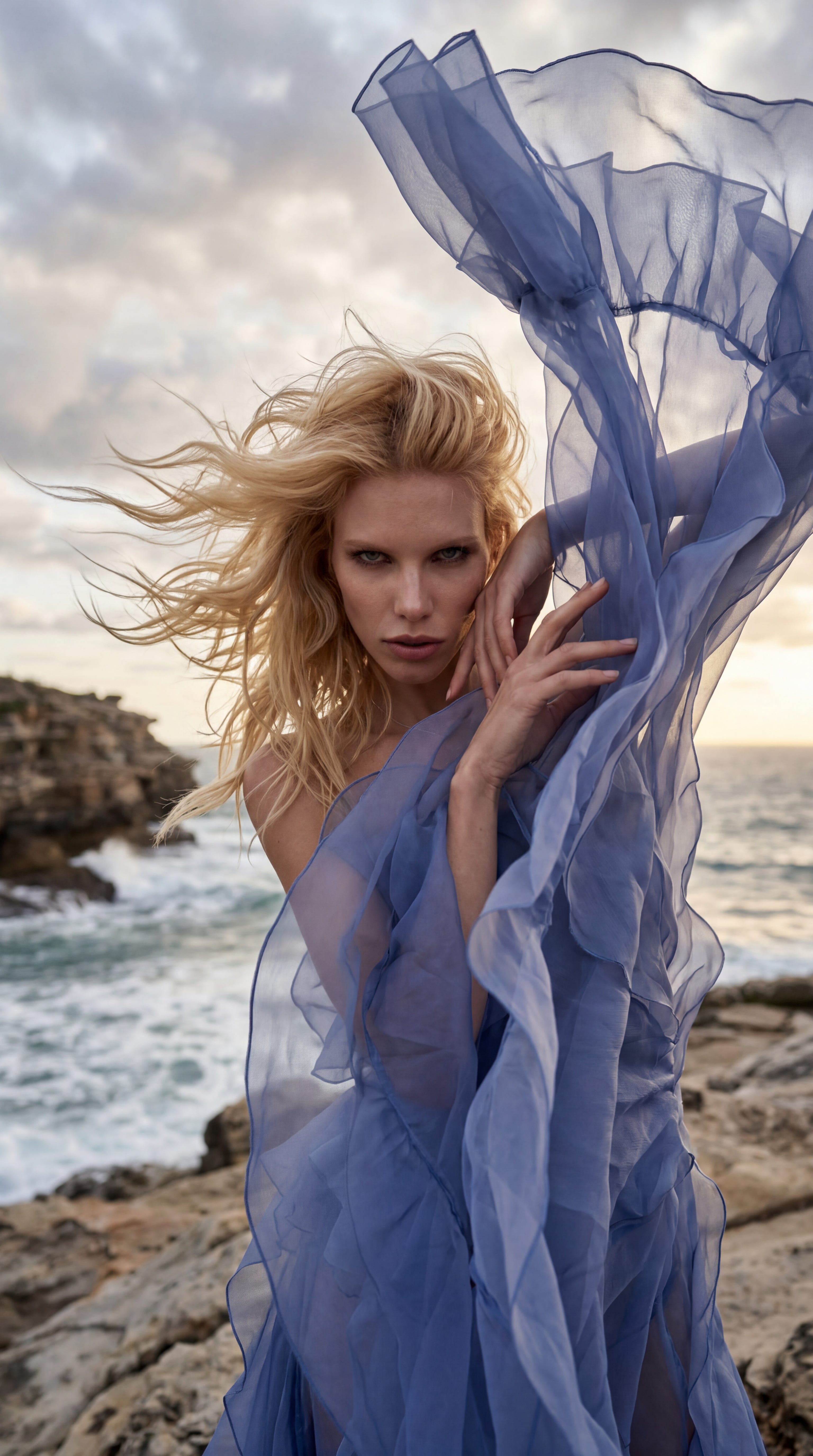
Ironically, I still think of myself as a fashion designer first. That has never changed. AI is another tool in my toolbox. The mission has stayed exactly the same as it was when I first started: create beautiful work, help brands make better decisions, reduce unnecessary waste, and give creative teams more freedom to explore ideas before committing to production.
Looking back, The Fashion AIgency was built one conversation at a time, one client at a time, one experiment at a time. It grew because I couldn’t let go of a problem I’d been living with for more than twenty years.
I set out to solve a problem. The studio is simply what happened because I refused to stop looking for a better way.
About the author:
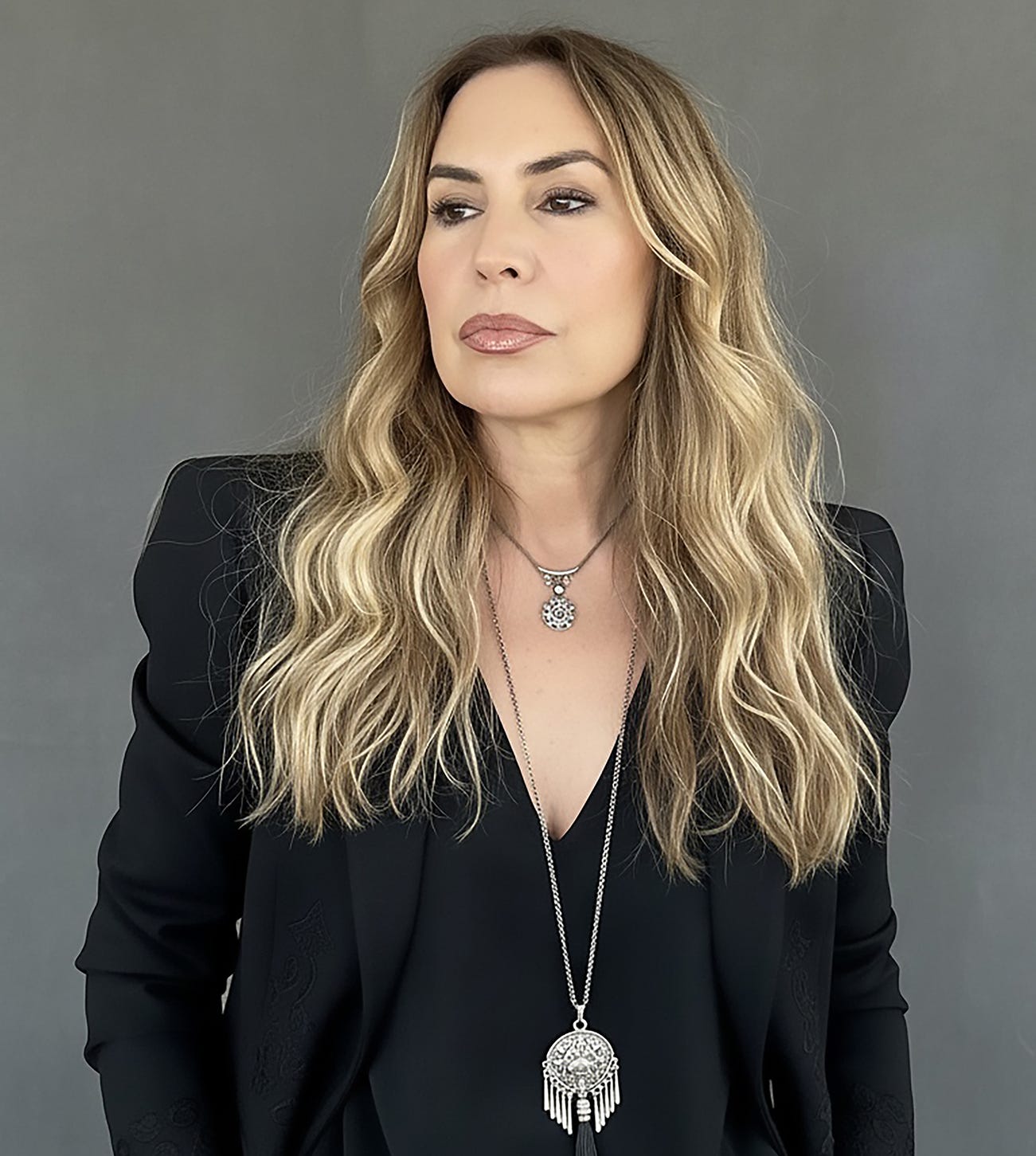
Natalie de Groot is a fashion designer, creative director, and founder of The Fashion AIgency: an AI-powered creative studio redefining how brands design, visualise, and launch collections.
With more than 20 years of experience in the fashion industry, Natalie has built a career spanning every stage of the creative process, from concept development and fabric sourcing to product development, production, branding, and creative direction.
Today, she combines decades of fashion expertise with emerging echnology to help brands develop collections, campaigns, editorials, product concepts, and visual worlds before production begins, reducing development time while expanding creative possibilities.
Contact Natalie here: hello@thefashionaigency.com and check out https://thefashionaigency.com for more.
If you want more direct access:
Comments
Nothing yet. Say the first thing.
Sign in to join the conversation.