
In today’s world, questions about the validity and obedience of Catholic worship practices are more relevant than ever. Many faithful wonder whether the changes in the Mass, especially after Vatican II, align with what God truly desires.
Father Samuel Waters, O.CIST, offers profound insights rooted in Catholic Tradition, emphasizing that obedience to God’s will is paramount over human preferences. This article explores the Catholic understanding of worship validity, the importance of obedience in offering sacrifices to God, and why the Traditional Latin Mass, the Apostolic Mass remains the authentic and unchangeable expression of Catholic faith.
Father Waters begins by illustrating a fundamental lesson from Scripture— the story of Cain and Abel. Abel’s offering was accepted because it was his best, offered in obedience to God’s command, whereas Cain’s offering was rejected because it was his own choice, not the best he could give.
This story underscores a vital point: the validity of an offering is determined by whether it is what God demands, and its acceptance depends on obedience, not just legality.
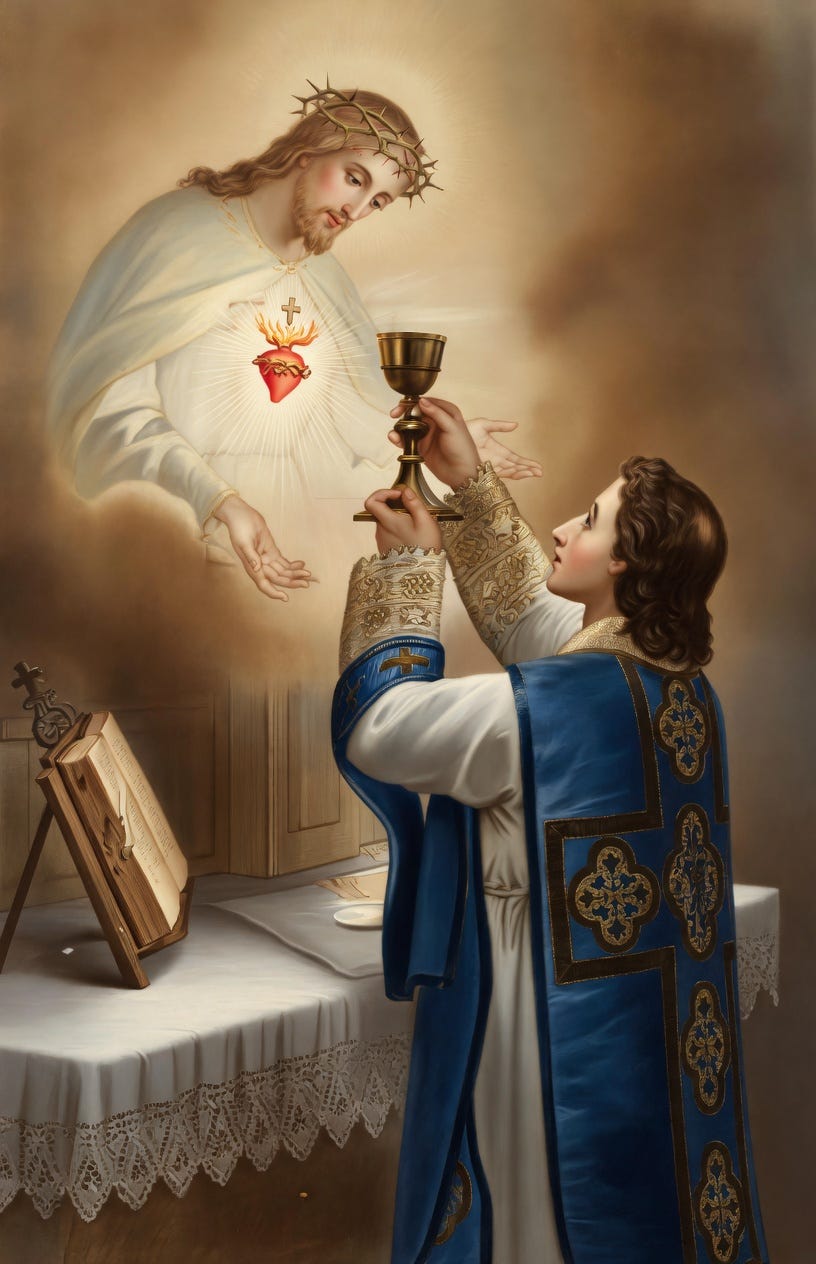
Validity of offerings: Both offerings from Cain and Abel could be technically valid—meaning the acts themselves met the outward requirements.
Acceptance by God: Acceptance hinges on whether the offering aligns with God’s will, which requires obedience. Abel’s best lambs pleased God because they were offered out of obedience and love.
Rejection of Cain’s offering: Cain’s offering, though valid in form, was not accepted because it was not the best, not offered in obedience or love.
Father Waters emphasizes that it’s not enough for a sacrifice to be valid in form; it must also be pleasing to God, which means it must be offered in obedience and full trust in His commandments.
Moving forward, Father Waters discusses how the Protestant Reformation rejected the immemorial Roman Rite—the traditional Mass handed down through centuries.
Protestants developed their own worship, based on what they wanted to give, rather than what God wanted.
Disobedience in worship: Their offerings, like Cain’s, were self-determined, not aligned with God’s original intent.
Validity of their offerings: According to Father Waters, while their sacrifices might be valid in form, they are disobedient because they do not adhere to God’s commandments.
This disobedience extends into the modern Catholic Mass as well, particularly since Vatican II, which Father Waters criticizes for setting aside the ancient Roman Rite in favor of a newer, Protestant-influenced service.
Father Waters distinguishes between validity and obedience in the context of Sacraments and Liturgy:
Validity: It depends on proper form and intention—if the sacrament is performed correctly, it is valid.
Obedience: The question of whether the worship aligns with what God desires is what truly matters.
The Protestant rejection of the ancient Roman Mass is framed as disobedience, not just a different form.
He stresses that the Catholic Mass must be offered according to the immemorial Roman Rite—the divine law handed down since the early Church. Deviating from this, as seen in the newer Mass, the Novus Ordo, which stiped away 80% of the ancient prayers, and many of the gestures and corrupted the Theo-Centric Mass, represents a step away from obedience to God, which undermines the very purpose of worship: to please God.
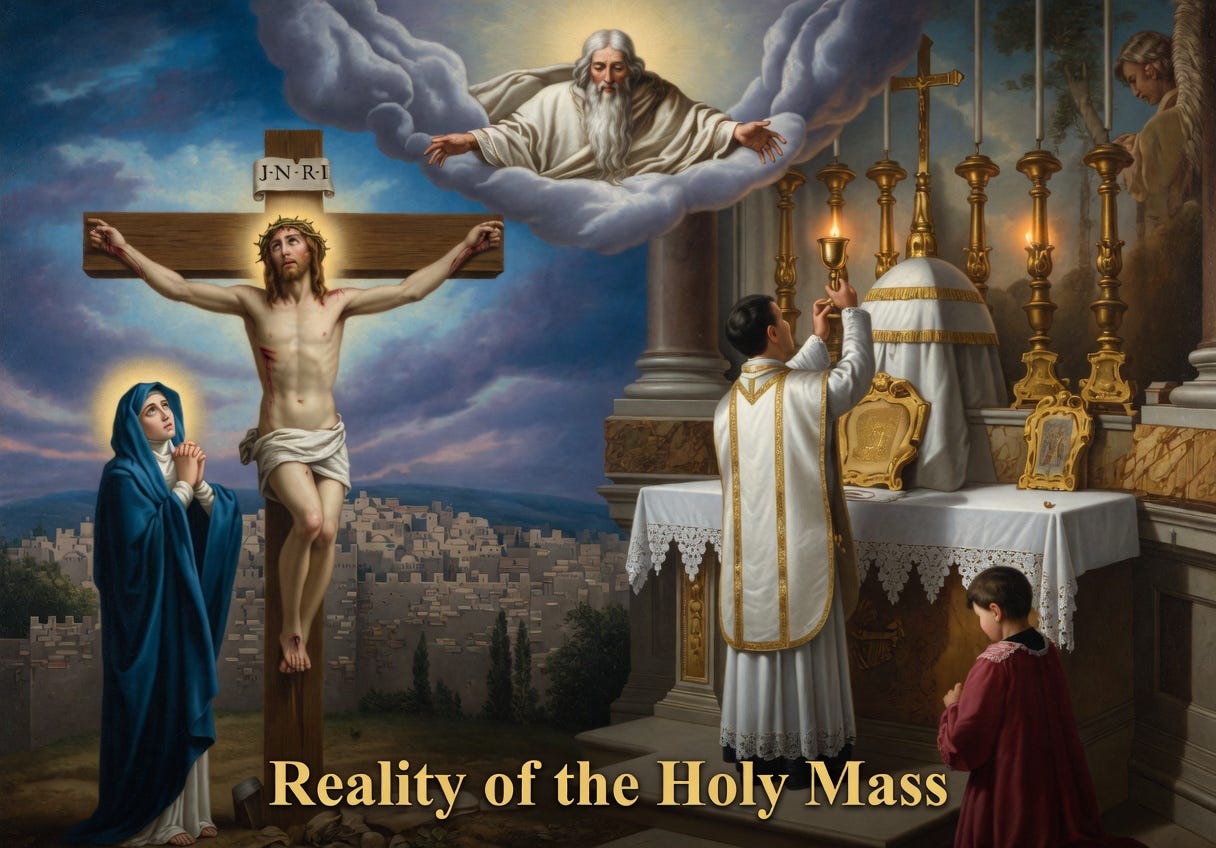
Father Waters emphasizes that the immemorial Roman Mass is rooted in Divine revelation and is part of Catholic dogma. As such:
Dogma cannot change: The Mass, as established by the Church, is a divine gift that cannot be altered.
Support from Church Fathers and Councils: The Mass has over 1700 years of continuous history, with its authority rooted in the Church’s tradition, especially reaffirmed by the Council of Trent.
This unchanging nature provides Catholics with a firm foundation of confidence and obedience—knowing that they are participating in a Sacred, Divine institution that represents the very sacrifice of Calvary.
It’s a reflection of Divine Truth—flowing with the blood of the Gospel—and embodies the doctrinal and moral teachings of the Church.
It fosters true obedience: when Catholics participate in the Traditional Mass, they align themselves with God’s will, not their own preferences.
One of the critical points Father Waters makes is the fruitfulness of obedience:
Traditional Mass as a spiritual anchor: Those who re-discover and embrace the Roman Mass experience a profound transformation—an awakening to what God wants from them.
Disobedience leads to spiritual decline: Giving God what we want, rather than what He demands, results in spiritual disobedience, which, Father Waters argues, is evident in the decline of Faith and practice among modernist Catholics.
He warns that the ongoing suppression of the Traditional Mass threatens to diminish Catholics’ understanding of their life as a way of life—an integration of faith into every thought, word, and action.
For priests, Father Waters emphasizes the importance of returning to the Mass of Saint Pius V—the traditional Latin Mass—as a way to recover the authentic priestly identity. He encourages priests to learn and celebrate this Mass privately if necessary, as it:
Deepens their spiritual life
Restores their understanding of Christ’s priesthood
Inspires them to be steadfast in their obedience and to stand against the disobedient trends within the Church
He cites Archbishop Vigano, who advocates for priests to resist abuses and maintain the integrity of the Holy Sacrifice, emphasizing that true obedience to God must be the guiding principle.
Father Waters concludes with practical advice:
Prioritize obedience to God’s commandments and doctrine over societal pressures or modernist trends.
Deepen prayer life and devotions, especially when access to the Traditional Mass is limited.
Pass on the Faith through teachings, prayers, and example, ensuring the continuity of Catholic Tradition.
Embrace suffering as part of a genuine Catholic life, as exemplified by the Stations of the Cross and the sacrifices of saints and priests.
He reminds us that God’s grace sustains us when we strive to remain obedient, even against opposition.
The message from Father Waters is clear: obedience to God’s will, expressed through the unchangeable Catholic liturgy and Tradition, is the path to salvation.
His call is for faithful Catholics, priests, and laypeople alike, to stand firm, to embrace the true Mass, and to trust that God’s Divine plan cannot be thwarted. Even when faced with obstacles, Catholics must remember that God’s promises—His grace, guidance, and salvation—are unwavering.
If you want to learn more about the significance of the Traditional Mass and how to live in obedience to God’s divine plan, check out our related articles and resources on MassConversions.org resource page here.
Comments
Nothing yet. Say the first thing.
Sign in to join the conversation.