
A new book by England-born gardener Pamela Hubbard describes key features of cottage gardens as “wide and curvy borders, a riot of color, many potted plants and often a fence for enclosure.” That sounds lovely, and an English-style cottage garden is possible even in our northern climate and even if you don’t live in a cottage.
The key is to get the feel right. Cottage gardens are lush and cozy. They evoke the past and seem to envelop a home in color and warmth. Cottage gardens started in the 14th century as utilitarian spaces where cottagers grew vegetables, fruits and medicinal and culinary herbs. Today many gardeners think of cottage gardens as largely ornamental spaces, but to me, herbs seem a vital part of the cottage style. And, a vegetable garden is always a good idea.
Historically, cottage gardens often start in the front yard and are enclosed, either with a fence or with a hedge. On our wide-open, very American, suburban lots you could keep the cottage element in the rear or imply it with plants along the walk or driveway or a trellis covered with vines. Front or back, a fence gives the garden the enclosure to make it comfortable. Plantings within cottage gardens tend to be dense and lush, which adds to the sense of abundance and also keeps down weeds. A place to sit, whether a small patio or a spot on the porch near the garden, makes a cottage garden especially welcoming.
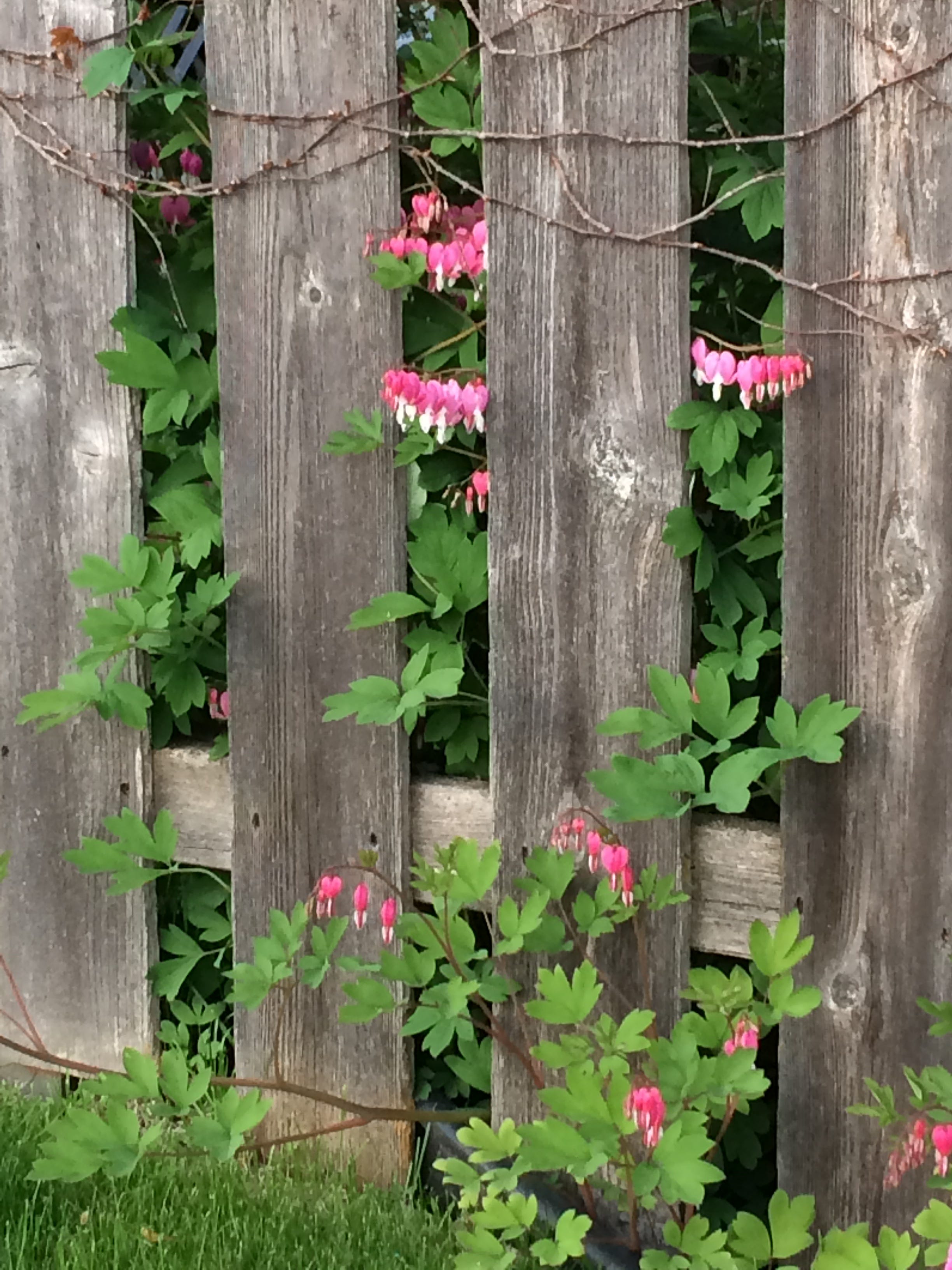
In a sunny location, good choices for a northern cottage garden would include perennials such as black-eyed Susans, blanket flowers, purple coneflowers, sea hollies and yarrow as well as annuals like poppies, cosmos, zinnias and nasturtiums. Or go all in with traditional biennial plants such as foxgloves and hollyhocks. Some of these plants are self-seeders, so you may need to do some editing (that is, weeding) of the garden, but that relaxed look is part of the charm of a cottage garden. Be sure to include some flowering shrubs, such as lilacs, hydrangeas or a climbing rose on a trellis.
For herbs in a cottage garden, choose the ones you like best. Parsley, basil and dill have many kitchen uses and if you let dill and basil flower, the bees will come in abundance. Keep the truly wild spreaders, such as mints and chive, in pots. Put a tomato, pepper or other edible amid the flowers or make a container of lettuce for eating as well as its pretty look.
If you have room, consider adding fruits to your northern cottage garden. Raspberries are a high-value fruit that is easy to grow or consider an apple, pear, cherry or plum tree on dwarf rootstock.
Pam’s book: The Contemporary Cottage Garden: Climate-Friendly, Mindful Methods for Growing Flowers and Food (Timber Press, 2026).
A week ago, I was in a panic. The combination of a few extra work tasks coupled with a long, long list of garden chores and some unreliable, but very Minnesota-like weather, had me in a minor frenzy, But, as always happens, most things got done and my containers and community garden are more or less in place. Whew. I even found time to remove three very dead shrubs from our front foundation bed.
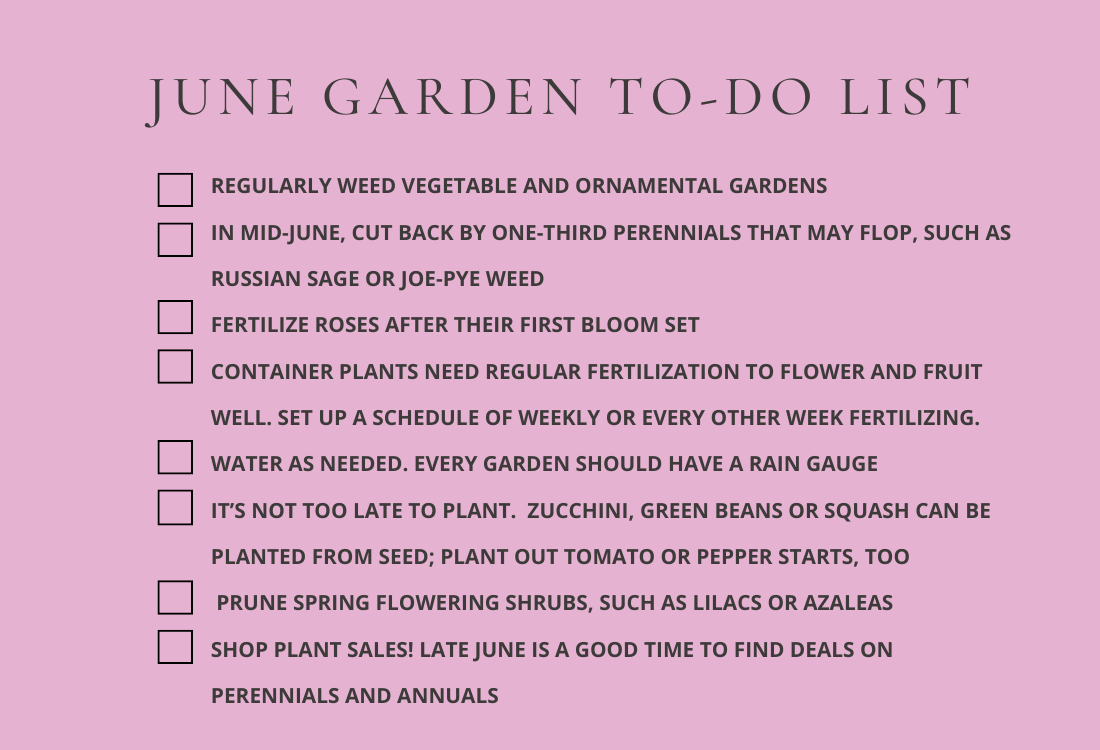
For June, the pace will be a bit more sedate and rewarding. Here are a few things you might want to put on your June garden list:
About 15 years ago, a friend gave me some seeds for Yvonne’s Giant Salvia, a pass-along plant that grows up to 6 feet tall and is a hummingbird magnet. The salvia is a selection from the garden of a Massachusetts woman (Yvonne), who grew an annual red salvia in her yard. One of the plants grew very tall and produced lots of blooms. She saved the seed and it continued to produce tall, beautiful plants.
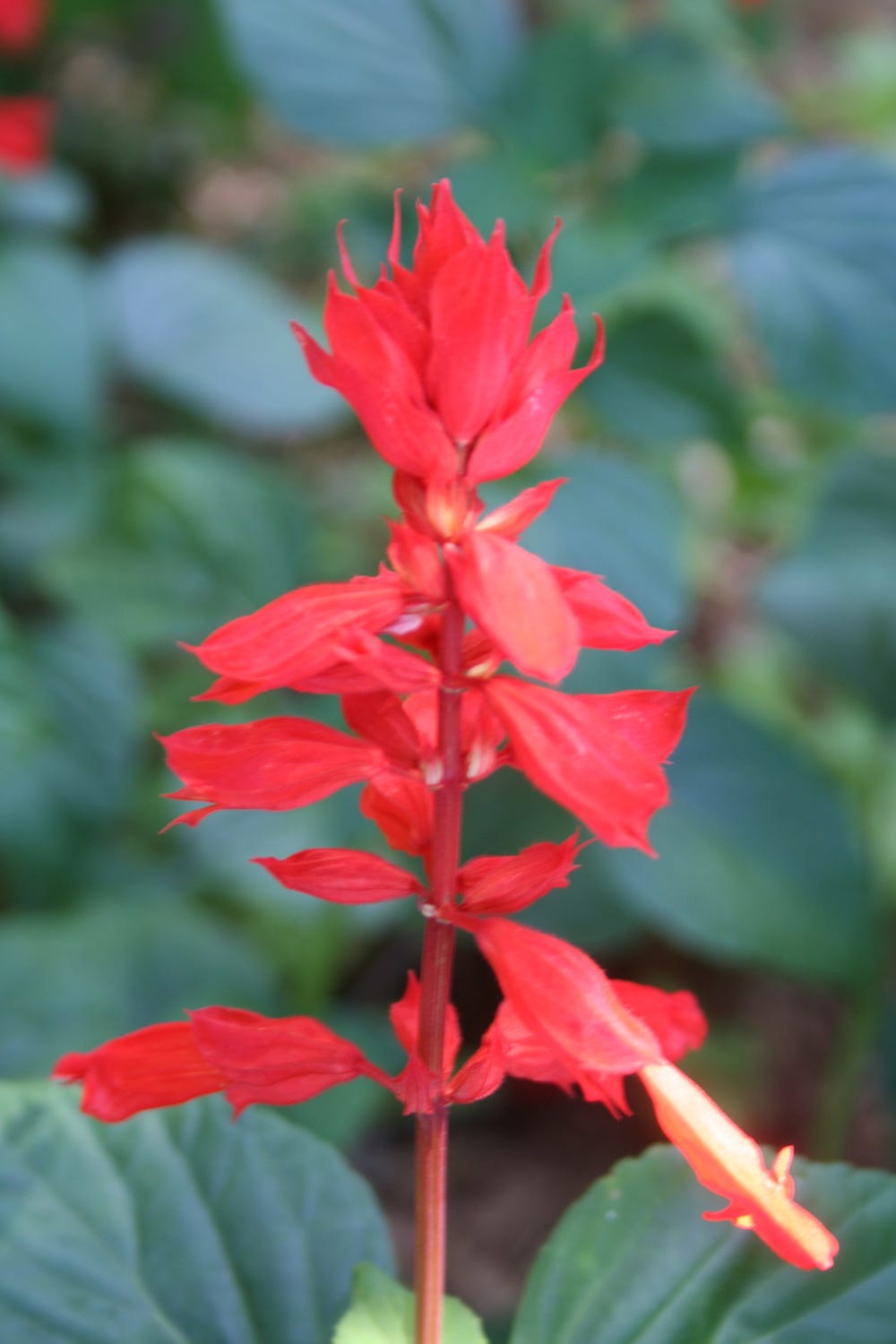
For several years, I grew the salvia in my Northfield garden and saved the seeds, but I lost them during one of our moves. A friend, who has also been saving the seeds, gave me two of his plants last week. (Thanks, Tom!) I put one in my community garden where it will get tons of light and (I hope) grow very tall. The other one I put in a container in the spot where I removed the nasty shrubs, so I can watch out for all the hummingbirds.
Do you have any pass-along plants you love?
Thanks for reading Your Northern Garden! This post is public so feel free to share it.
No posts
Comments
Nothing yet. Say the first thing.
Sign in to join the conversation.