
I harvested my first tomato Monday morning, July 6. That’s not bad for a northern gardener. It was a Stupice—pronounced Stu-peach—tomato, a Czech heirloom that ripens in less than 65 days. The plant is a short indeterminate (vining) variety that produces smallish, slicing tomatoes in abundance. I’ve never seen it in nurseries, but the seeds are easy to get and easy to start indoors.
I first heard of Stupice more than a decade back when I read an article about favorite tomato varieties of northern gardeners—that is, those that fruit early and keep on fruiting. While there are hundreds of great tomato varieties, here are six that consistently perform well in cold climates. (And, check the link below for even more great varieties.)
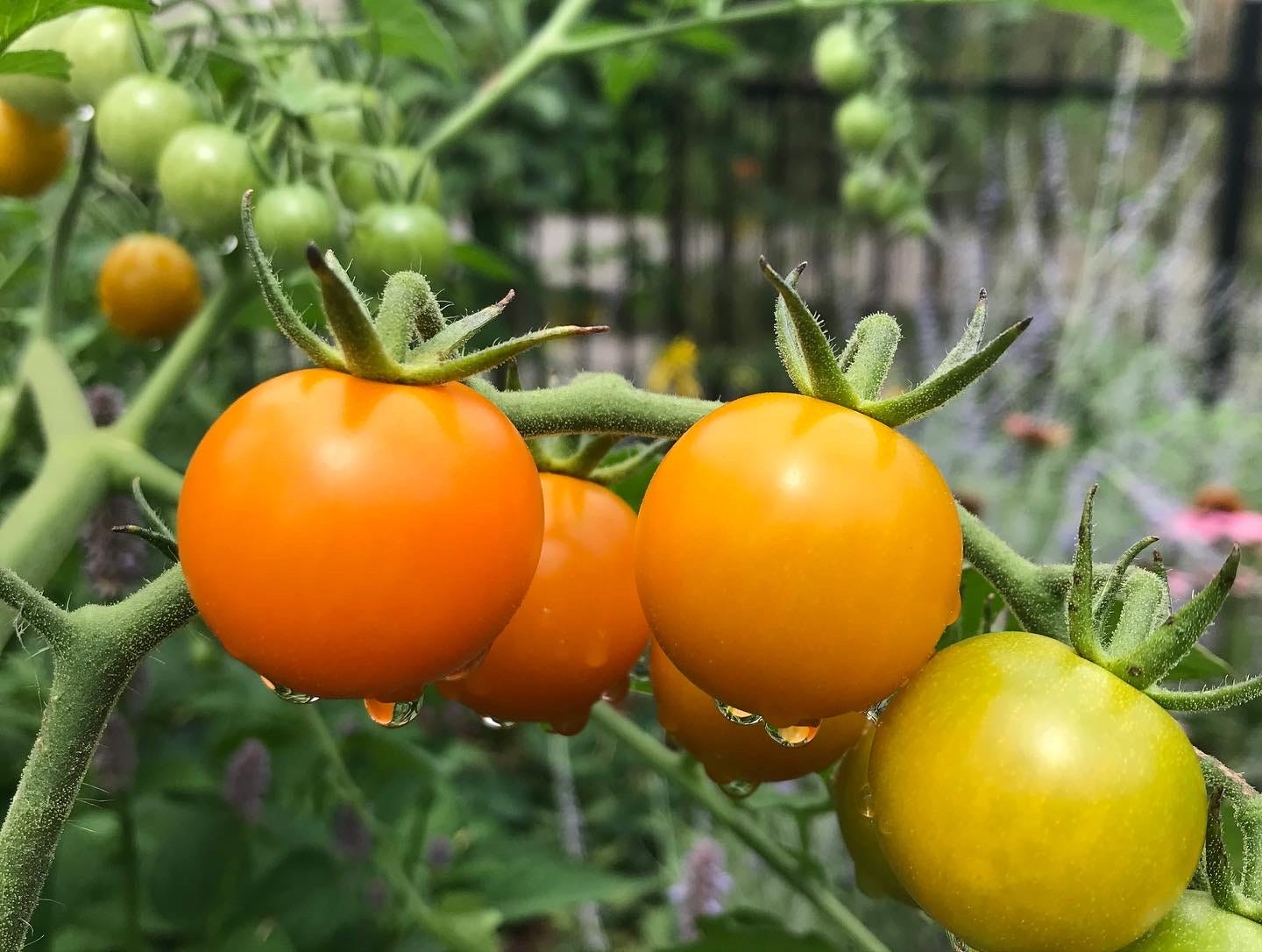
Sungold: This may be the most prolific tomato on the planet and it’s tasty too. These golden cherry tomatoes must have support as the vines grow up to six feet long and are often laden with dozens of tomatoes. They do sometimes get blights, but form the most part, are a fantastic choice for northern gardeners. You will be drowning in tomatoes.
Juliet: One of the top recommendations for USDA Zone 3 gardeners, Juliet is a small roma tomato or large grape tomato, depending on your perspective. The one- to two-ounce fruits ripen in 55 to 60 days and the plants are insanely productive. Roast them in the oven to intensify their sweetness.
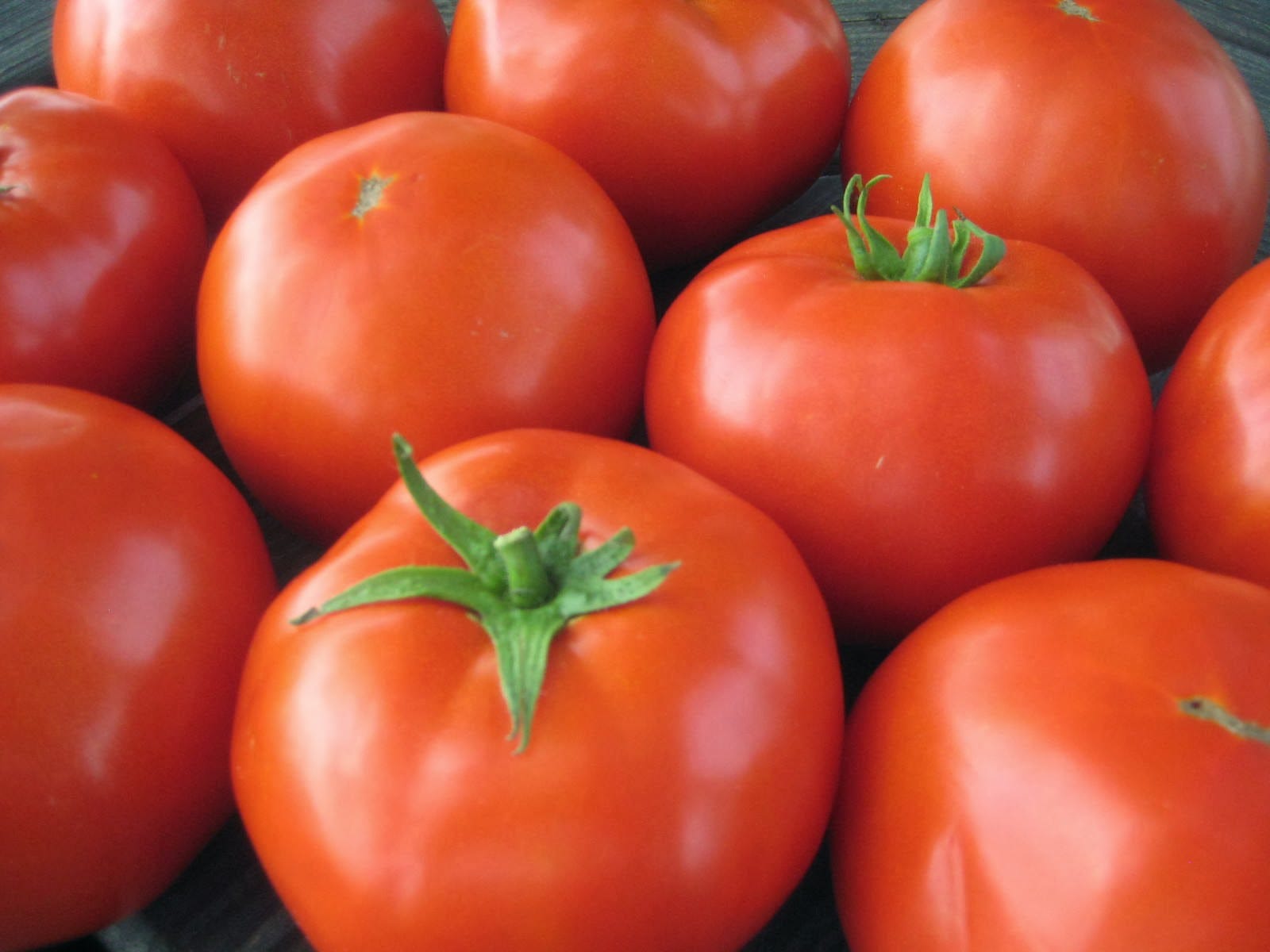
Mountain Merit: This All-America Selection winner from 2014 is another good selection for zone 3 gardeners. It’s a determinate (bush) tomato that produces dark red, 10- to 12-ounce fruits on four foot tall bushes. Unlike many determinate tomatoes, the harvest window for these stretches up to five weeks long, giving gardeners a steady supply of delicious slicing tomatoes.
Jaune Flamme – I’ve never grown this French heirloom but have heard it recommended by several tomato aficionados. The fruit is an apricot color and ripens in about 70 days. Like the others on this list, it is a prolific fruiter.
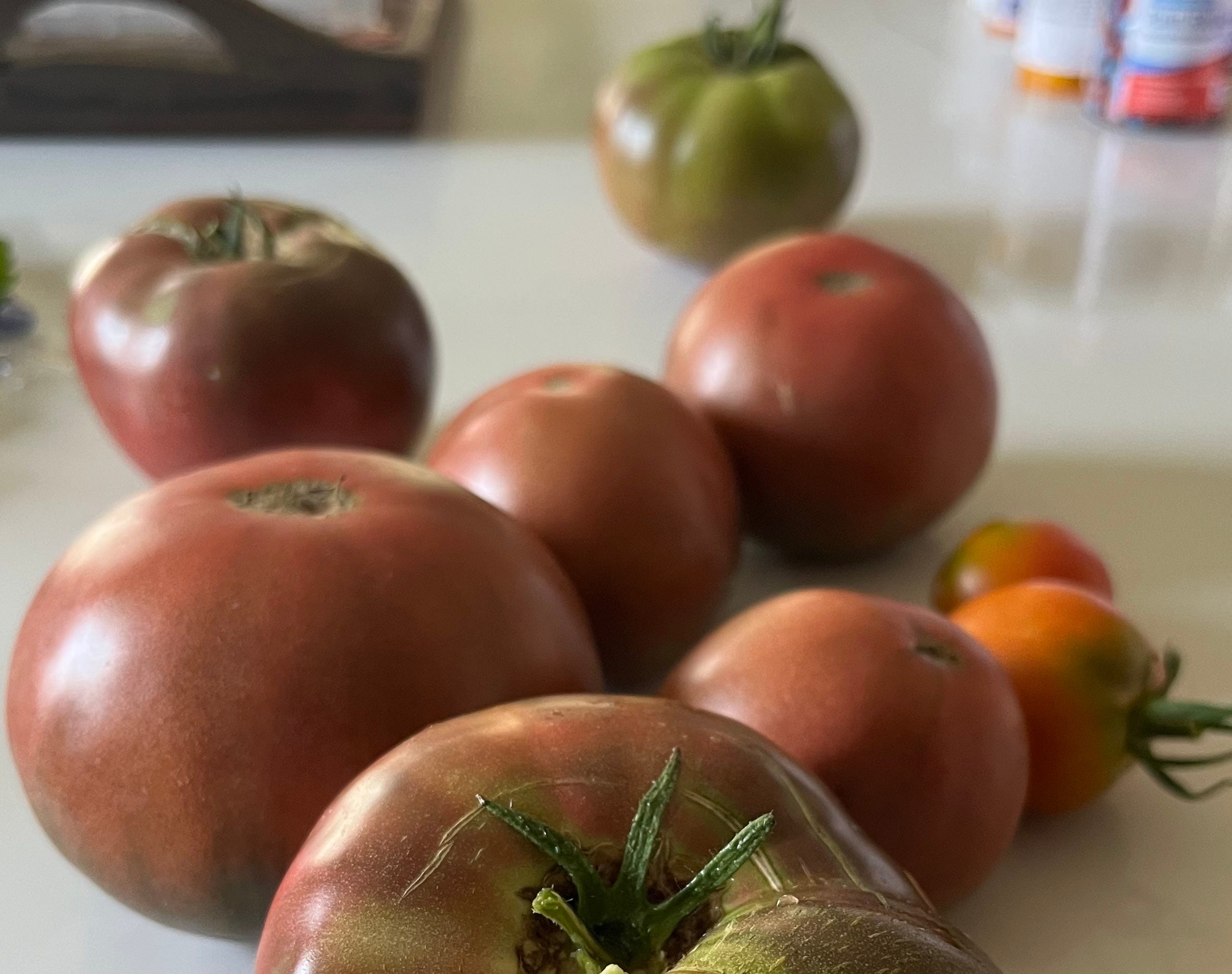
Cherokee Purple – I’ve got two big, beautiful plants of this variety growing in my community garden and cannot wait for the fruit. They have a complex flavor – some call it smokey – and are great in salads or sandwiches. The deep purple color looks attractive on a plate of mixed sliced tomatoes, too.
Brandywine Pink – This is another heirloom variety that has remained popular for well over 100 years for a reason. The fruits are big—up to a pound—and the flavor is perfectly tart-sweet. A single slice of Brandywine is all you need for a BLT sandwich. These do take a bit longer to ripen—up to 90 days. But northerners who grow them say they are worth the weight.
Favorite varieties of an heirloom tomato lover in Minnesota – an older blog post from one of the best tomato growers I know
Tips for Growing Tomatoes in Containers – NEW post in the Hot Topics section
Japanese beetles have started their annual assault on roses, grapes and other plants in Minnesota. I’ve seen a few in my garden (mostly on a poor zinnia and a hibiscus) but they seem wimpy compared to prior years. They are few in number and, frankly, lacking the vigor I’ve seen in other batches of Japanese beetles. A few facts:
Japanese beetles have been in the United States for more than 100 years and in Minnesota for about 50. These iridescent green insects can wreak havoc on many plants, from green beans to birch trees. They really like roses. The beetles overwinter as grubs in lawns and emerge in mid to late June. The beetles eat everything in sight, mate like crazy and then go away in six to eight weeks.
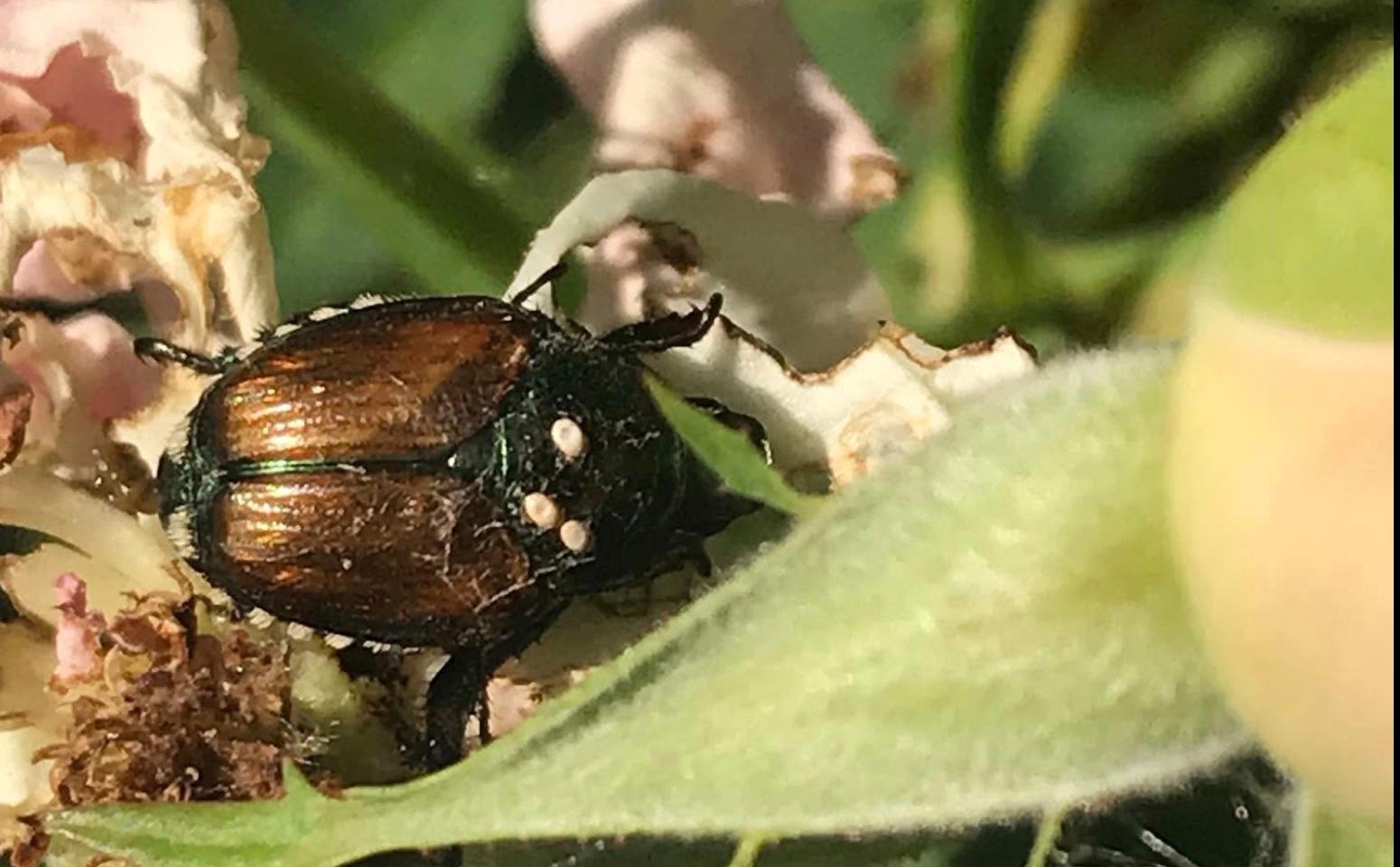
Since about 2021, the beetles have a new foe in Minnesota! The winsome fly (Istocheta aldrichi), also a native of Japan, was imported to the U.S. to act as a natural biocontrol on the beetles. The flies emerge about a week before the Japanese beetles. After the beetles arrive, the flies lay their eggs on the heads of the female Japanese beetles. The fly larvae hatch and burrow into the beetle, basically killing it from the inside. If you see a Japanese beetle in your garden with a white spot on its front (the green part of the beetle), leave it alone! It will likely be dead in a day or less, and you’ll have introduced another fly to your garden.
· If you like roses, choose hardy varieties that bloom before the beetles arrive. Then, you can enjoy your roses during their first and most beautiful flush of bloom. Varieties such as the Canadian Explorers series, roses that are part of the American Rose Trials for Sustainability and other hardy roses work best in our climate.
· Once they arrive, the best tip is to go out in the morning with a bucket of soapy water and flip the beetles into the water, where they will drown.
· The traps that are sold attract beetles, so where you put them matters, preferably far away from your plants.
· There are chemical treatments, of course, but the invasion only lasts a few weeks so less destructive methods work best.
I hope your beetle numbers are low this year and your garden is blooming beautifully this July.
No posts
Comments
Nothing yet. Say the first thing.
Sign in to join the conversation.