
I attended the Society of American Archivists Annual meeting virtually this year. While some folks met in person in New Orleans (in late July), I sat at my computer on the Whova app making sure I adjusted the time zone so I didn’t miss the sessions I wanted to attend.
A friend asked me at dinner on the Saturday night after the conference what happens at an archivist conference? She said she didn’t mean to sound sarcastic, but she couldn’t quite imagine what the sessions would be about. I did understand her perspective, mostly because most people don’t understand what archives are and what archivist do.
By the end of any conference in person or virtually, my brain is pretty well fried. All of the sessions blur together and I can’t really put a coherent thought together. I tried my best on Saturday night, but I mostly talked about the Saturday sessions I attended. So to help gather my thoughts in one place I want to share my own highlights from the conference.
Overall, I love finding out about the various archives and special collections that exist. I find it fascinating. There really is an archives for almost everything.
The following is a really just a list with details.
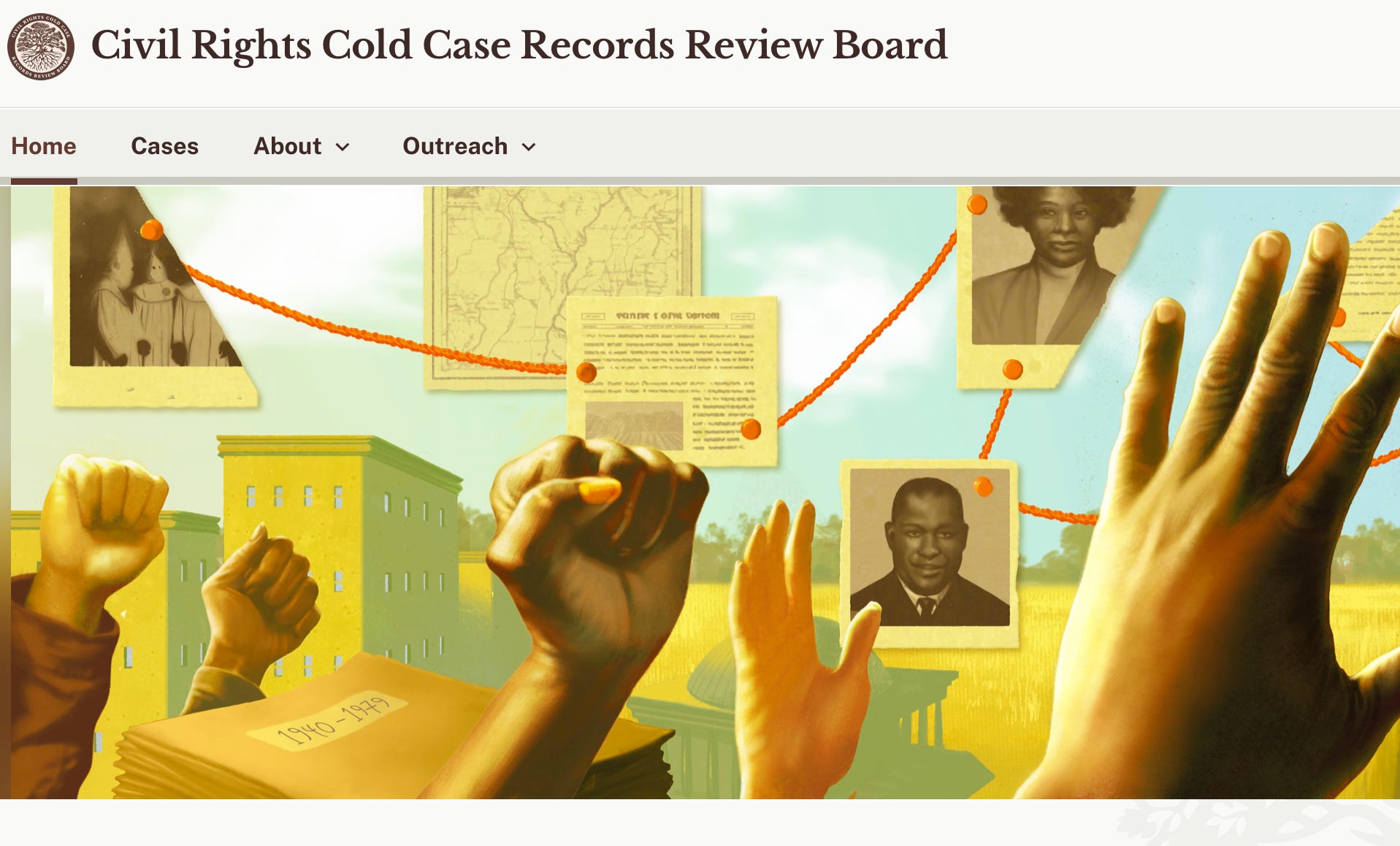
The Civil Rights Cold Case Records Review Board
Several board members shared a case study to illustrate the work that the Civil Rights Cold Case Records Review Board does. They talked about the process and where the records ultimately live. Making the records accessible for family members of the deceased and members of the public.
“The Civil Rights Cold Case Records Review Board is a nonpartisan panel of private citizens, appointed by the President, who are working to release the contents of federal investigations into unresolved cold cases from the civil rights era. In making these records publicly available, the goal is to provide a measure of clarity to relatives of victims, and also provide a more comprehensive picture of a dark chapter in our nation’s history.”
Each cold case on the website includes a case summary with the incident and aftermath as well as linked digital documents and sources.
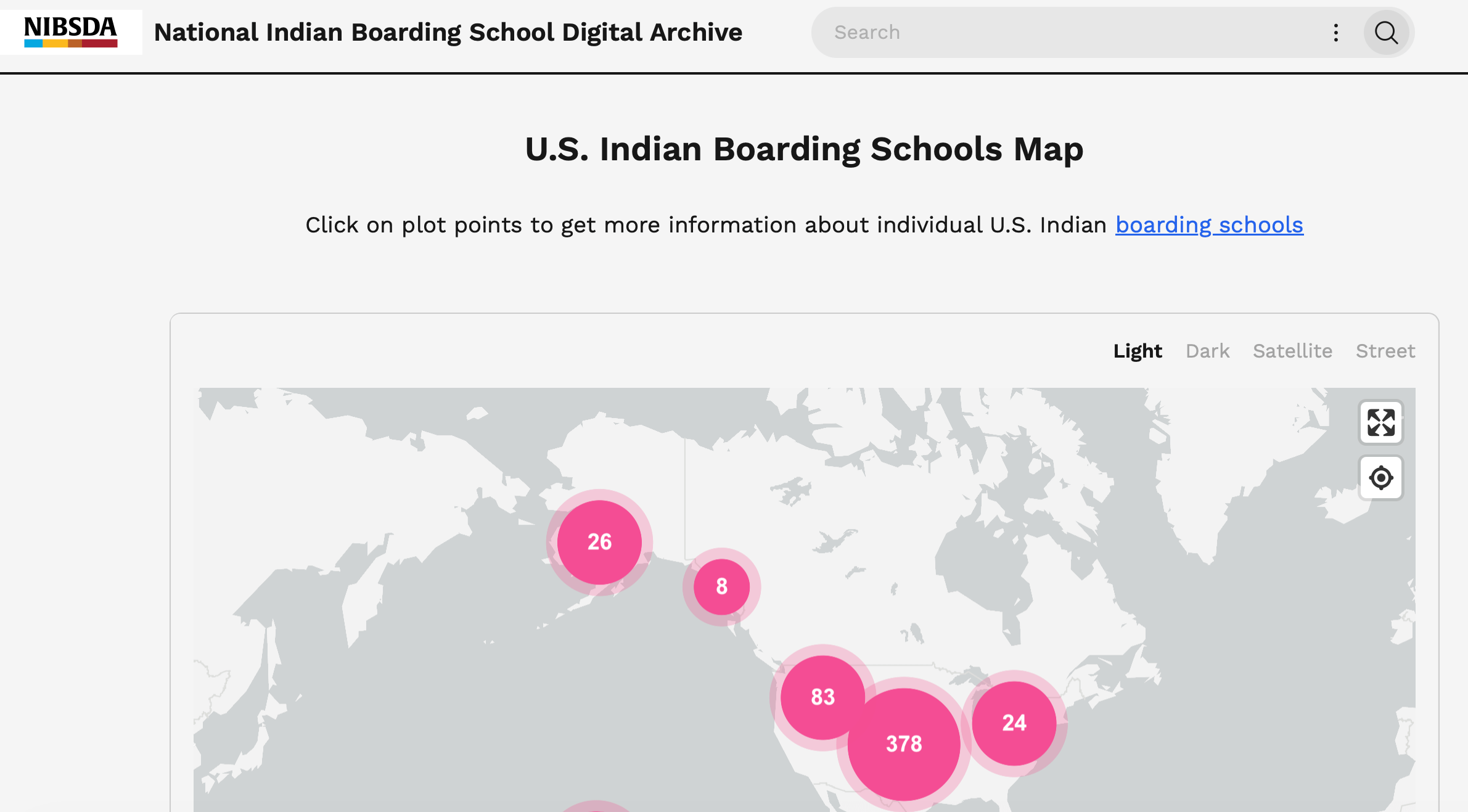
National Native American Boarding School Healing Coalition
“Beginning in 2023, archivists from the National Native American Boarding School Healing Coalition partnered with the National Park Foundation, Pipestone National Monument, and the Pipestone Shrine Association on “Remembering the Children of the Pipestone Indian Boarding School.” The project examines school records, which can be challenging to access for relevant communities held at the National Archives, and supports new interpretation at the monument. This panel discusses challenges and opportunities in expanding public access, engaging descendant communities, and co-creating interpretation.”
Native American Boarding School Resource Center Database - archival resources
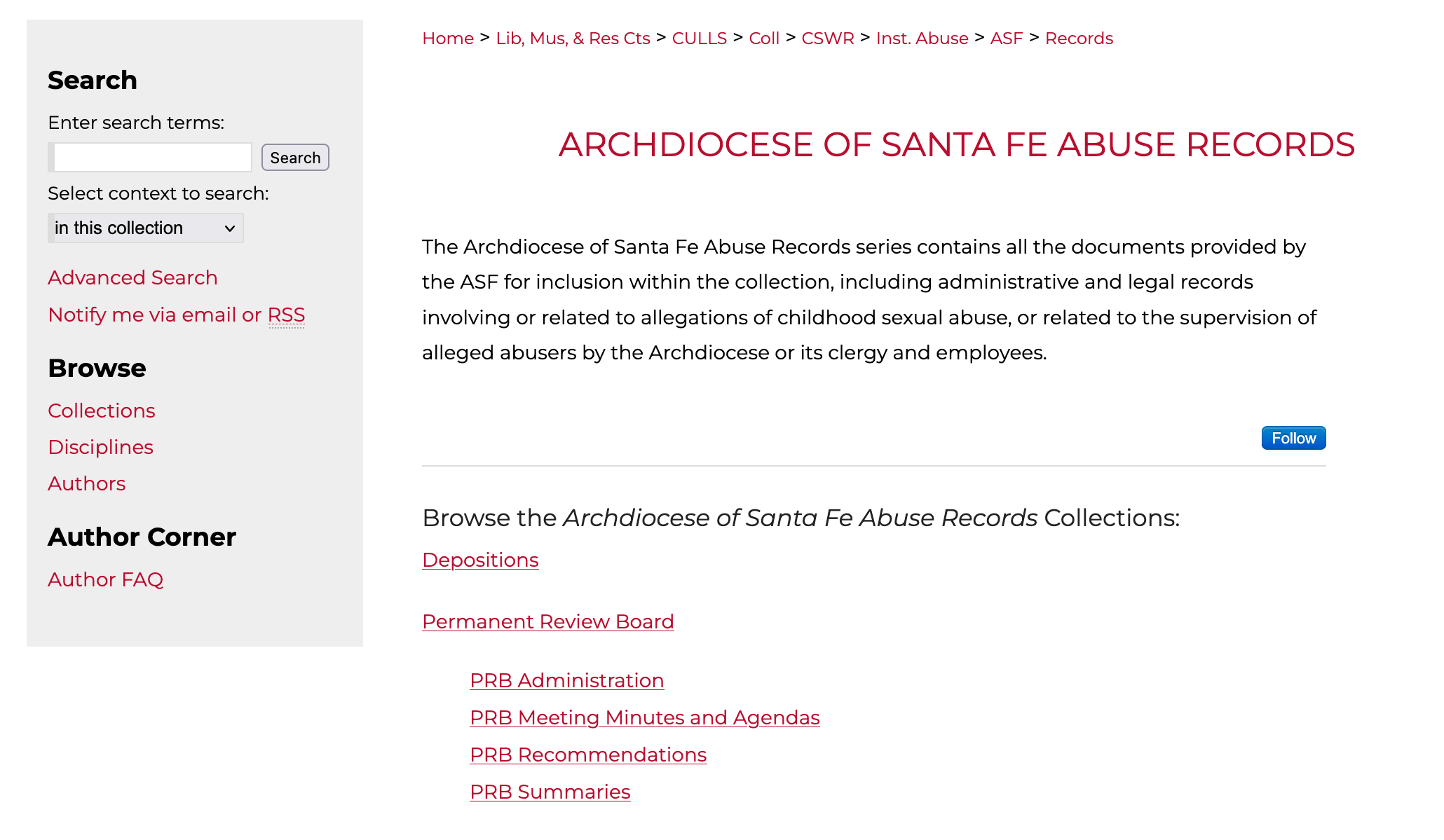
The Archdiocese of Santa Fe (ASF) Institutional Abuse Collection
The panelist shared how they processed this collection to make it available for survivors and other members of public.
“The Archdiocese of Santa Fe (ASF) Institutional Abuse Collection was created as a part of the 2022 settlement agreement between the ASF and survivors of clerical sexual abuse. The final settlement included approximately 400 claims of abuse taking place between the 1950s and the 2010s. Documents include deposition transcripts, personnel files, meeting minutes, and proofs of claim. These records are online and available to the public with redactions to protect the privacy of claimants and their families.”
After writing this post, I see that I continue to focus on elevating stories and hopefully helping people find justice.
If you are still curious about that happens at a archives conference check out the 2026 program.
Support my work via Buy Me A Coffee
For your listening enjoyment
0:00
-4:13
Want to see me in person? Join me at one of the following events.
Comments
Nothing yet. Say the first thing.
Sign in to join the conversation.