
I recently received editor feedback for a post I wrote about archival research for the Sisters in Crime blog asking for more information about how to find archival collections and how to access them. They asked for a couple of sentences. I did my best to keep it short, however since archival materials are unique, the collections of them are also unique. While each archives or special collection may share the same or similar protocols for handling materials, use of cameras, and security, how they provide access can happen in multiple ways: online databases with digital materials or digital finding aids or in person access only or no physical access but the archivist may scan it and send you a copy or some combination of all of these.
I believe there is more difference in how to find archives and special collections. People tend to make it more difficult than it needs to be. Or perhaps I just really enjoy looking for information of the archival variety. I tell people to start with a basic Internet search and add the word archives. Simple, but it tends to be an excellent place to start. As with most things, a story is the best way to convey what I mean.
Side note - I love finding information so sometimes it is difficult for me to come up with examples because what I think is interesting might not be what folks are looking for. If you are curious about something related to archives or archival research just let me know and I’ll see what I can do.
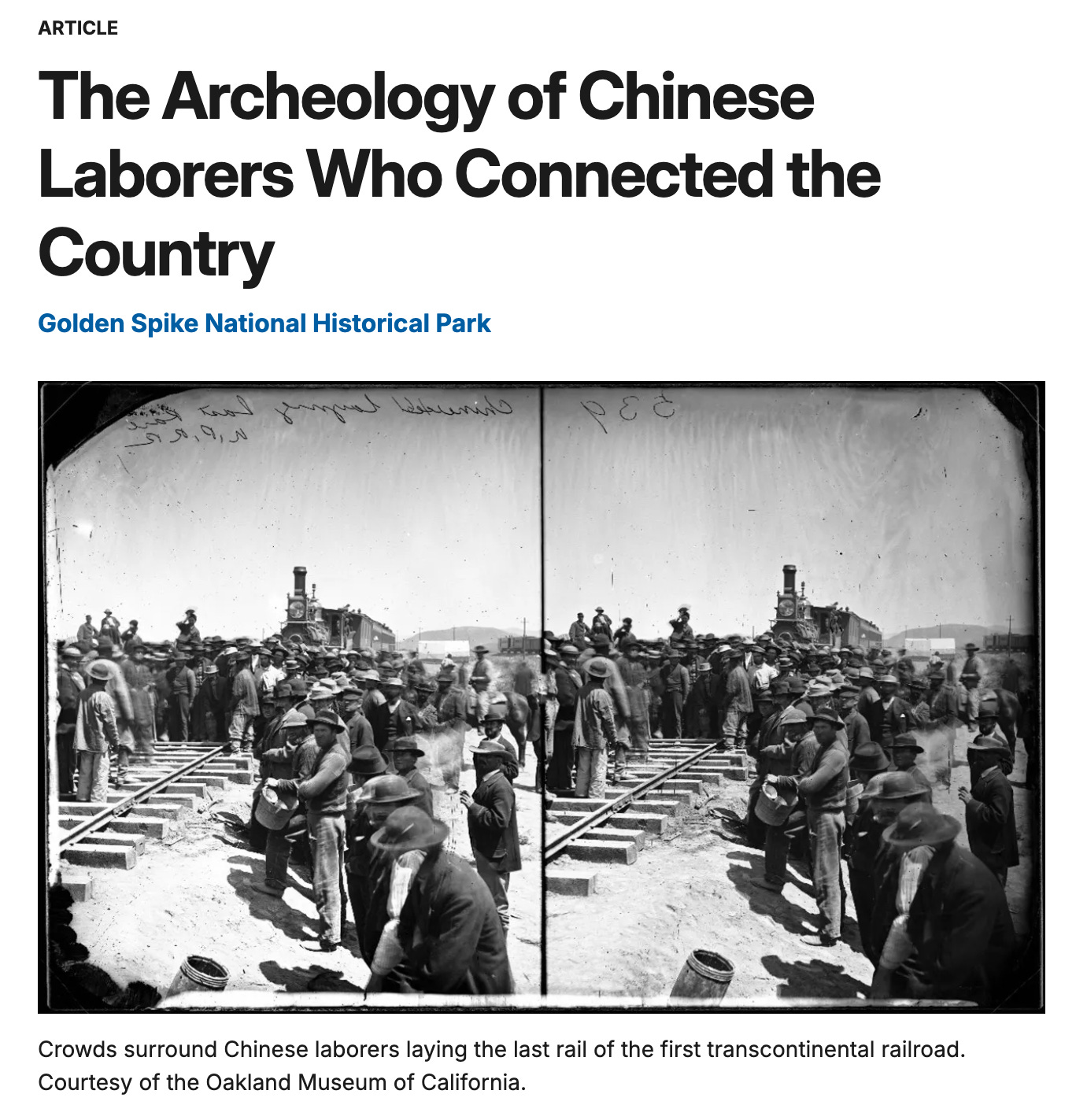
The sample search I came up with to begin a larger search for archival resources - Chinese railroad labor archives.
The first three results came from websites that would probably cite their sources and give me a way to dig into more primary sources.
1. The Archeology of Chinese Laborers Who Connected the Country
Via the National Park Service website
Indeed there is a list of resources cited at the end of the article. I also think it might answer many of the questions a researcher might ask.
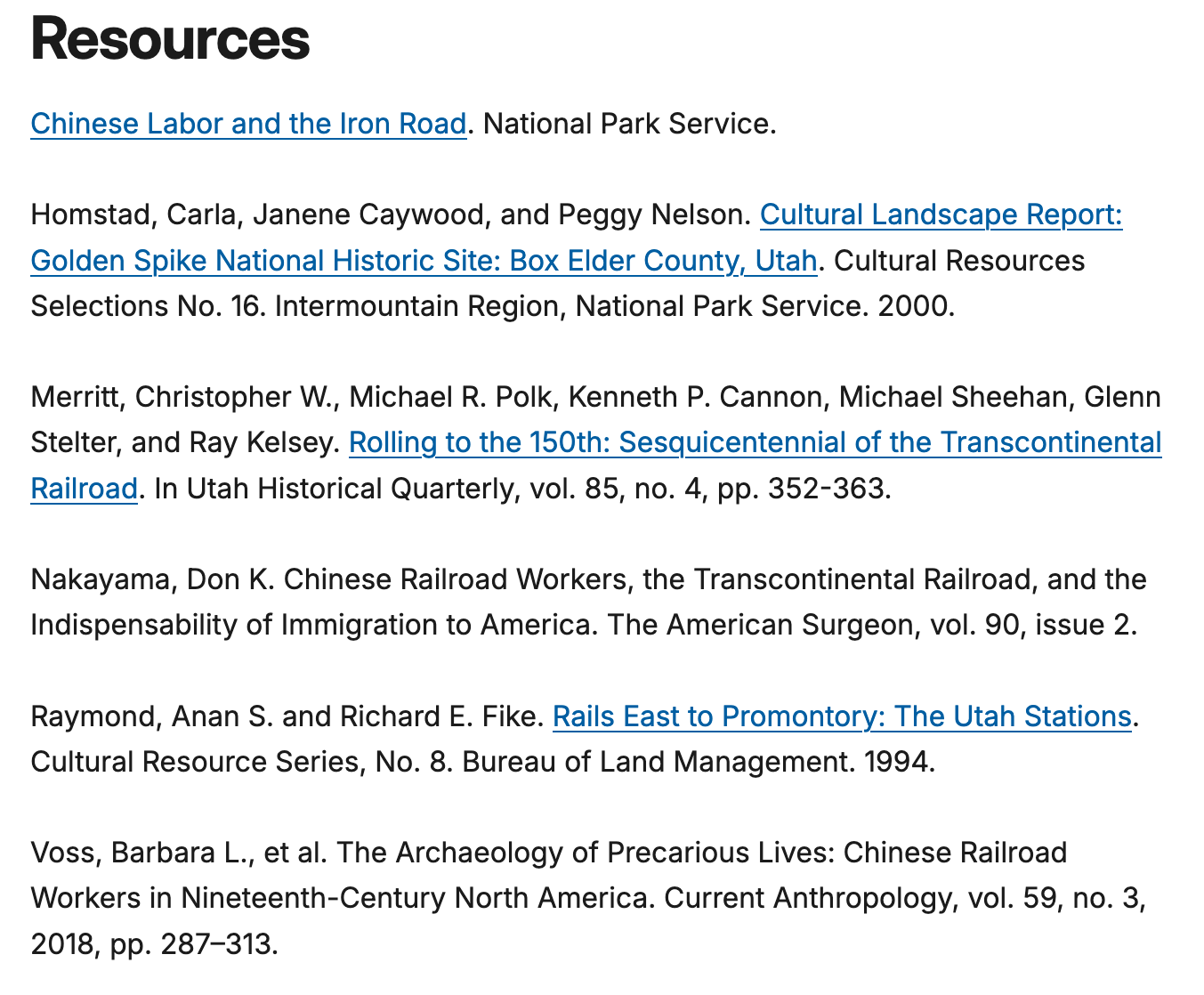
2. Chinese Railroad Workers - The First Transcontinental Railroad
Via Stanford University Libraries
There are 76 items in the category of Chinese Railroad Workers.
“Payroll records of the Central Pacific Railway Company. These records offer access to the economic history of the Chinese who helped build the Central Pacific railroad. The original paper copies of these payroll sheets are held in the non-digitized collection of the State of California Railroad History Museum.”
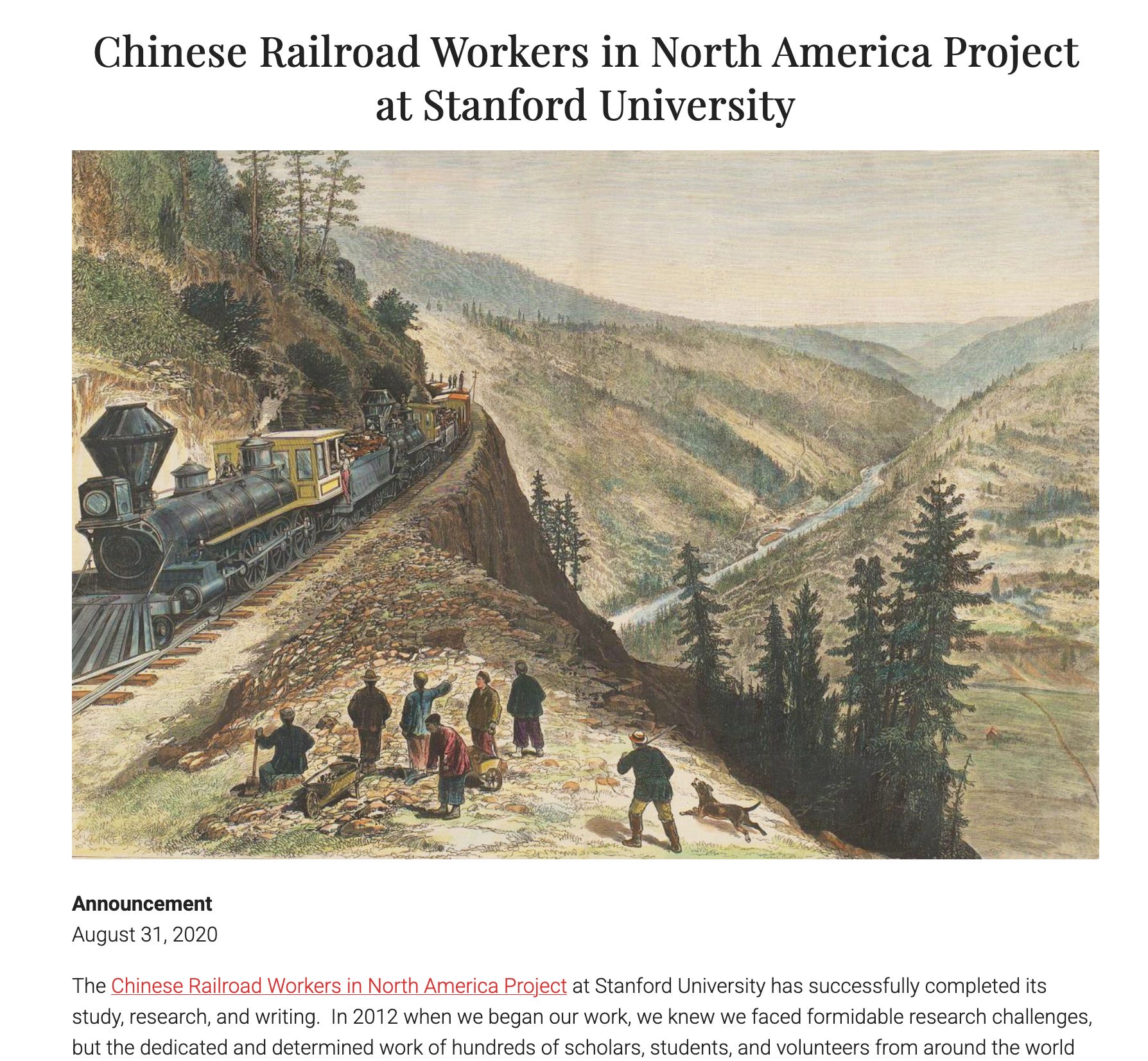
3. Transcontinental 150 Archives
Via the Chinese Historical Society of America
Archives is in the title so hopefully there will materials available online. The link lead to an overview but nothing clickable, but when I scrolled down to the bottom of the page and clicked on Collections, I found the exhibit information and after a few clicks I landed at the Work of Giants: Chinese Worker Project which looks like a partnership between the Chinese Historical Society of America and Stanford University marking the 150 anniversary in 2019.
From there I went to the Chinese Railroad Workers in North America Project at Stanford University website and found links to oral histories, digital visualizations, resources for teachers and an FAQ.
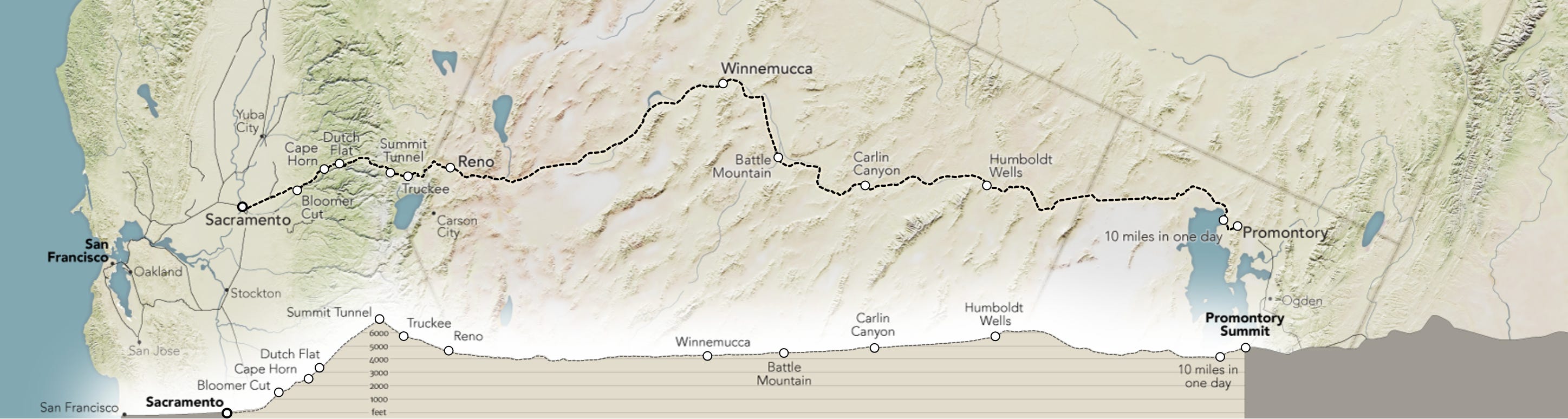
The digital visualization pages contained text and maps as well as citations. I can not even begin to dive into the history these sites are sharing, but there is so much to learn.
“Today we can also draw upon artifacts of material culture uncovered by archaeologists, oral histories of descendants of the workers, and the ability of digital resources to bring together all the texts and other evidence for insights. We can now comprehend in new ways the immense engineering challenges and extreme geologic and meteorological conditions the Chinese workers faced.”
A link next to one of the photographs taken by the official CPRR photographer Alfred A. Hart, took me to the Stanford library catalog where I could pull up the digital collection of photographs.
Which lead me to the Archival Collections at Stanford.
Since this was just an example, I will stop digging. I only went through three search engine results, and there were more, but it is a good place to start. I believe online exhibits are a great place to start one’s research as somebody else has done a good deal of work already. There is no reason to recreate the wheel every time, every search. Often I found that most researchers just needed some information not all of the information. Exhibits can also provide context which makes archival materials make sense.
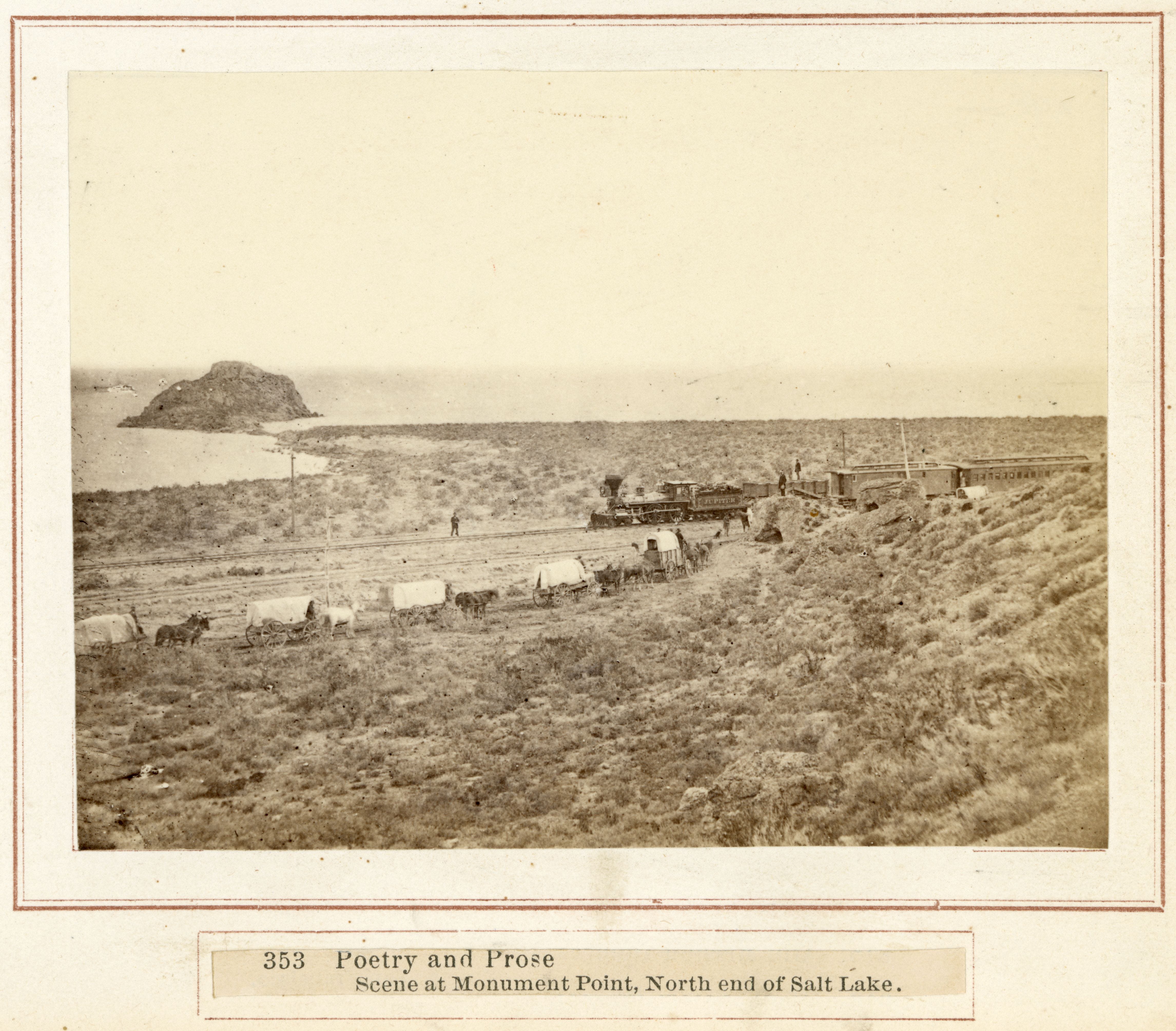
This photo, while interesting, only conveys part of the story. It could just be a cool old picture with a train and horse drawn covered wagons - which is it. With the context of who took the photo and why, the photo takes on more meaning and can help us understand the complexities of our history.
Poetry And Prose Scene At Monument Point North End Of Salt Lake. # 353, Photograph
Support my work via BuyMeACoffee
Enjoy!
0:00
-5:21
Find my new book - Blood in the Archives or my first book The Traveling Archivist: Eastern Oregon anywhere books are sold. Including direct from me or on Bookshop.org.
Comments
Nothing yet. Say the first thing.
Sign in to join the conversation.