
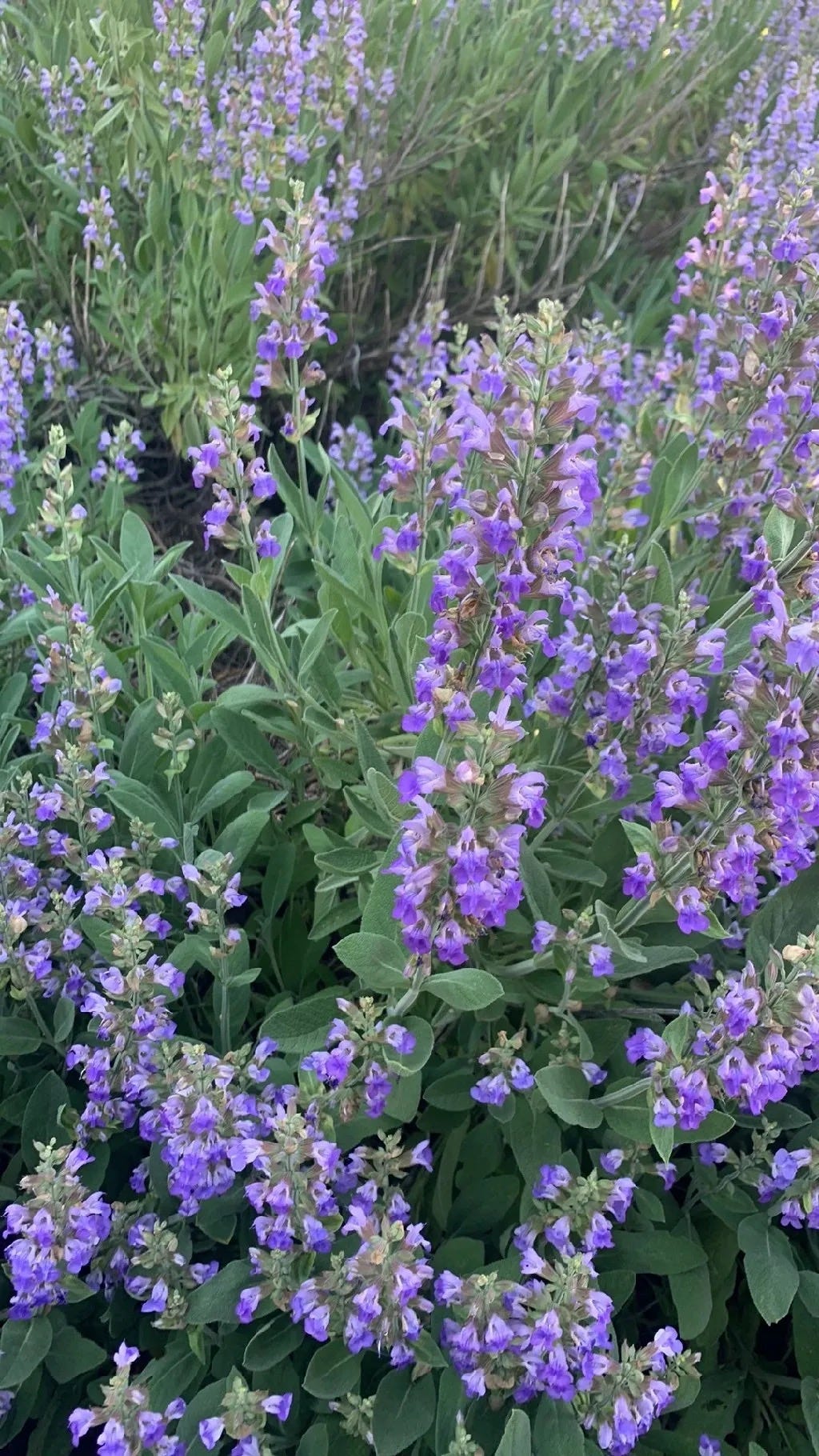
In much of Europe, herbal medicines are a substantial part of the pharmacy stock and are commonly used to manage minor ailments.
While it’s true some plants can be toxic (making proper identification essential), others are vital to our diet. Many plants act as natural medicine and have been shown to boost health and prevent disease.
Over 80% of the global population relies on plant-based remedies to treat common ailments.
Why isn’t it that way in the United States?
There are several reasons, and they have more to do with history, economics, regulation, and culture than with whether herbs work.
In countries such as Germany, France, and Austria, herbal medicine remained part of mainstream healthcare throughout the 20th century.
German physicians, for example, have long prescribed standardized herbal products such as:
St. John’s Wort for mild depression
Valerian for sleep
Ivy Leaf for coughs
Milk Thistle for liver support
Many are sold in pharmacies right beside conventional medications.
But the U.S. took a different path.
The 1910 Flexner Report, commissioned by The Carnegie Foundation, transformed medical education in the United States. 1
It greatly improved scientific rigor, but schools teaching botanical medicine, eclectic medicine, and naturopathic traditions largely disappeared. American medicine increasingly focused on pharmaceuticals, surgery, and laboratory science.
Europe modernized, too, but integrated herbal traditions into the new scientific framework rather than replacing them.
Many European countries treat herbal medicines as actual medicines. Manufacturers can register herbal products based on:
historical use
safety records
clinical evidence
As a result, physicians can prescribe them, and pharmacists are trained in their use. Pharmacists trained in the U.S. receive very limited education on herbal medicines.
In the U.S., most herbs are regulated as dietary supplements under the Dietary Supplement Health and Education Act (DSHEA), which means:
They cannot legally claim to treat diseases
Physicians receive little training in them
Insurers generally do not cover them
Pharmacies often place them in the supplement aisle rather than the medicine section. This creates a perception that they are optional wellness products rather than therapeutic agents.
A plant growing in a field is difficult to patent.
A novel drug molecule is easier to patent and can generate billions in revenue.
The U.S. healthcare system is heavily influenced by a research and reimbursement model that favors patented pharmaceuticals. Herbal medicines receive far less funding for large clinical trials because there is often less financial incentive.
Follow the money flow through the U.S. healthcare system, and you’ll see policies specifically set up to support the mega-pharmaceutical industries. The policy environment has allowed massive corporate consolidation, but that’s another story.
Most U.S. medical schools provide little instruction on herbal medicine.
A German pharmacist may learn about standardized extracts of:
Ginkgo
Echinacea
Saw Palmetto
Many American physicians receive almost no formal education on these therapies, making them less likely to recommend them.
One criticism often raised in the U.S. is the issue of variability. I get this comment all the time from doctors: they want the chemical dosage standardized and often eschew herbs as medicine for that reason.
The claim is that synthetic pharmaceuticals are more predictable in their dosing and effects, leading to better treatment outcomes. That’s the theory, and controlling exact doses is important in research work.
Europe largely addressed this by emphasizing standardized extracts. A German herbal medicine may contain a guaranteed amount of active constituents and be manufactured under pharmaceutical standards.
This is closer to the model of “take a standardized preparation with known chemistry,” not just “take some random herb.”
The United States actually has a rich botanical medicine tradition. Indigenous peoples, Appalachian folk medicine, Eclectic physicians of the 1800s, and early American doctors used hundreds of medicinal plants.
What’s different is that the U.S. largely separated herbs from mainstream medicine and placed them into the supplement marketplace, while much of Europe integrated herbs into mainstream pharmacy.
As a result, a German might go to a pharmacy for a standardized herbal medicine for a cough or sleep problem, while an American is more likely to receive either a synthetic over-the-counter drug or a prescription medication for the same complaint.
It’s not that Europe is “more herbal” and the U.S. is “less herbal.” It’s that Europe chose to medicalize herbs, whereas the U.S. largely commercialized them as supplements.
A physic garden is a garden devoted to medicinal plants—the word physic being an old term for medicine. Physic gardens were actually the predecessors of modern botanical gardens.
Some notable examples in the U.S. include:
Piedmont Physic Garden — Founded in 2014 and inspired by London’s Chelsea Physic Garden, with a focus on medicinal and culturally important plants of the Southern Appalachians and Piedmont region.
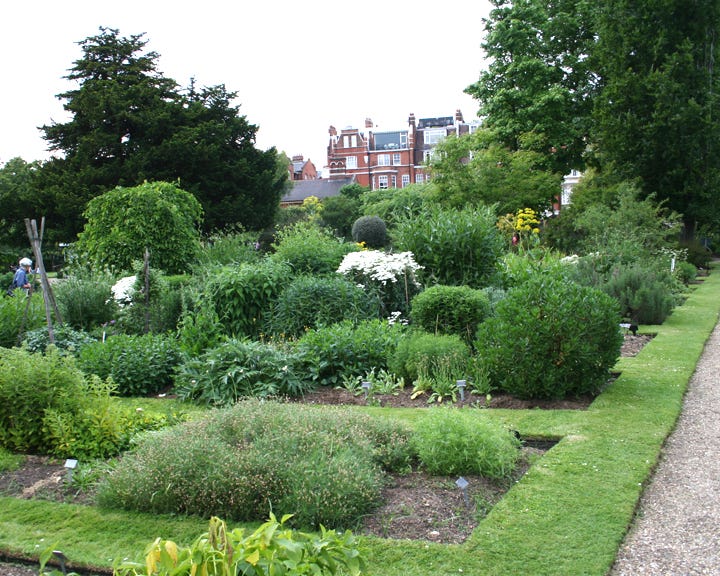
Pennsylvania Hospital Physic Garden — A recreation of an 18th-century medicinal garden originally envisioned in 1774 to supply physicians with medicinal herbs.
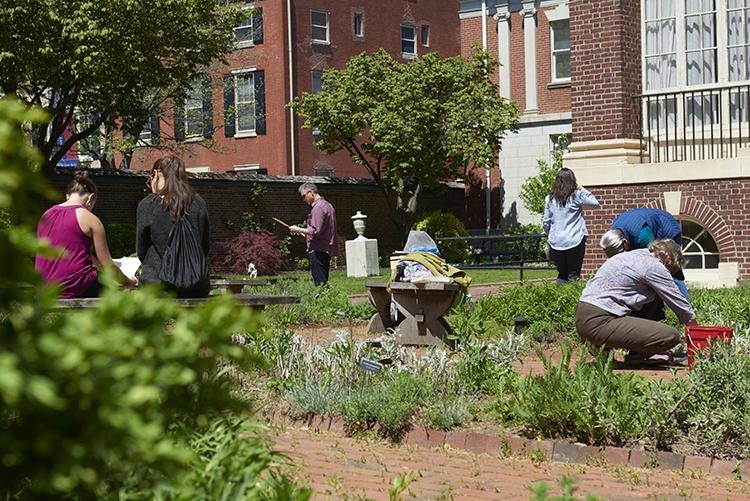
National Library of Medicine Herb Garden — Not strictly a physic garden, but the largest designed herb garden in the United States, featuring extensive collections of medicinal herbs and their traditional uses.
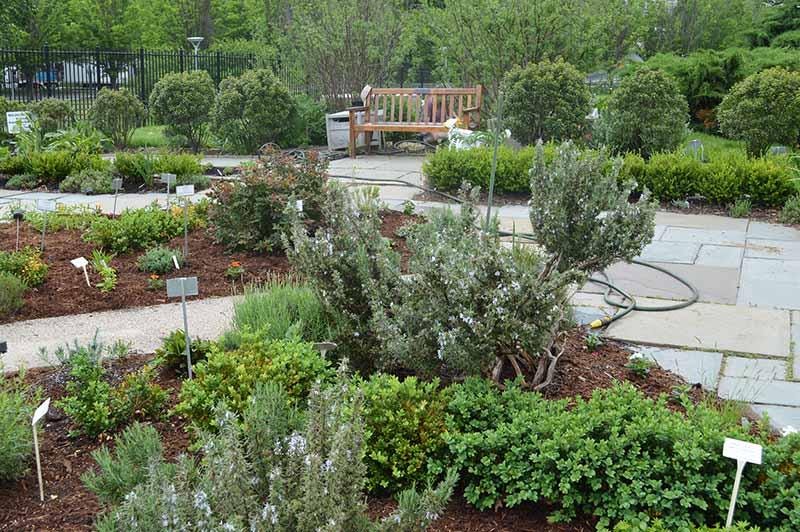
Pry House Medicinal Herb Garden — Part of the National Museum of Civil War Medicine, showcasing medicinal plants used by physicians and herbalists during the 19th century.
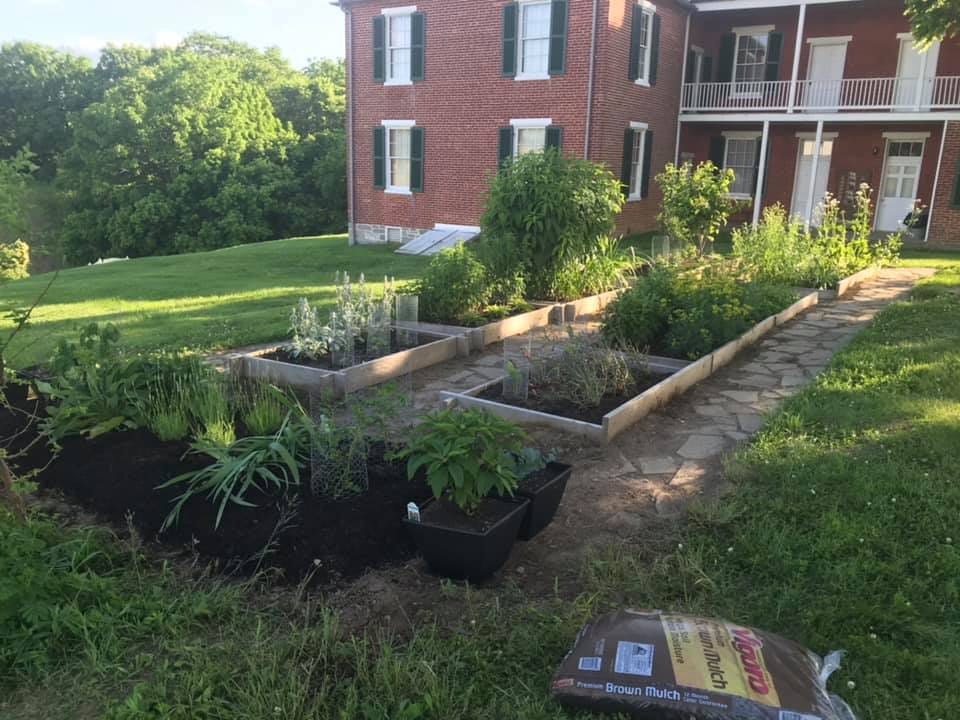
Interestingly, if you look at early American history, almost every homestead had what we’d now call an apothecary or physic garden. Before the rise of industrial pharmaceuticals, plants like yarrow, horehound, boneset, chamomile, lemon balm, peppermint, and comfrey were commonplace. The tradition largely faded during the 20th century as medicine became increasingly pharmaceutical and institutionalized.
I’m sure many American readers have never heard of a physic garden, yet the idea—a garden devoted to healing plants—aligns perfectly with Quiet Acts of Healing.
And as someone interested in medicinal herbs and tea, I find that a modern American physic garden is a wonderful topic to explore; the history alone is fascinating.
Living in New Jersey—the Garden State—you’d think I could find a physic garden. But if they ever existed, they may have been bulldozed long ago to make room for the pharmaceutical companies for which New Jersey is now famous. Just guessing.
To learn more about these remarkable gardens devoted to healing plants, I’ve turned to Europe’s physic gardens, where the tradition never truly disappeared.
Places like the historic Chelsea Physic Garden have spent centuries preserving the knowledge of medicinal herbs and their role in human health. Founded in 1673 by apothecaries to study medicinal plants, it remains one of Europe’s oldest and most respected physic gardens.
Another physic garden I discovered was founded by a neuroscientist and is devoted exclusively to brain health, with a mission to cultivate plants for scientific research.
While researching plants, they discovered one specific plant that worked for memory. That research led to the development of a medicinal herb for Alzheimer’s. This remarkable physic garden has more than 700 plants cultivated for medicinal research.
You’ve reached the end of the free preview. The deeper layers continue below for paid subscribers.
To keep this space entirely independent, evidence-based, and free from the noise of outside advertising, Quiet Acts of Healing relies solely on reader support.
That independence allows us to move beyond surface-level health trends and explore the rigorous science, cellular mechanisms, and quieter pathways of prevention, resilience, and lasting restoration.
We may not be able to change the healthcare system, but through education, we can change how we navigate it—and how we care for ourselves within it.
Subscribe to learn more
Comments
Nothing yet. Say the first thing.
Sign in to join the conversation.