
As McCartney almost sang ‘Woke up, got out of bed, dragged my foot through some dog sick’. Call me old fashioned, but I prefer my early mornings with a sufficiency of friction.
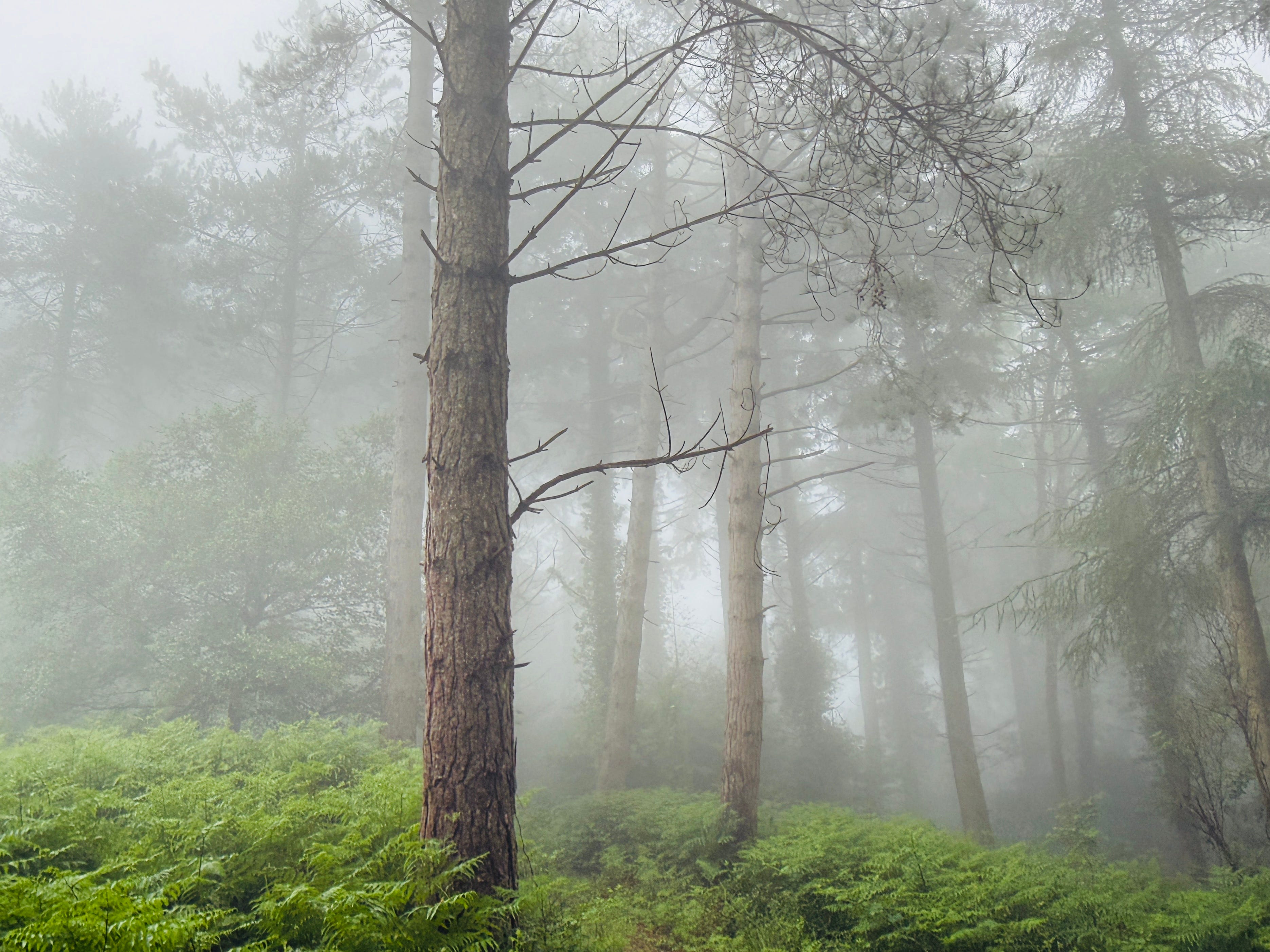
If there is one upside, it is the timing: yesterday, being distracted by having to yet again yell ‘of course he denies all allegations’ at the radio, I forgot to stop at the pet shop for poobags. Having found two in coat pockets this morning, I hoped that the hound’s overnight clearout might mean that was enough.
There was a time when no-one picked up dog poo. Were there fewer dogs then? Maybe there was no such thing as poobags. Perhaps the idea of picking up dog poo was sissy. Maybe we just pretended dogs didn’t poo.
Nevertheless, it was perfectly usual when kicking a ball around the green with all the other kids from the estate to find oneself, after performing a sweetly timed sliding tackle, aromatically bestriped with excrement; a nippy winger might even steer a cunning path through other walnut whips of defecate, drawing - as you might well imagine - little in the way of challenge.
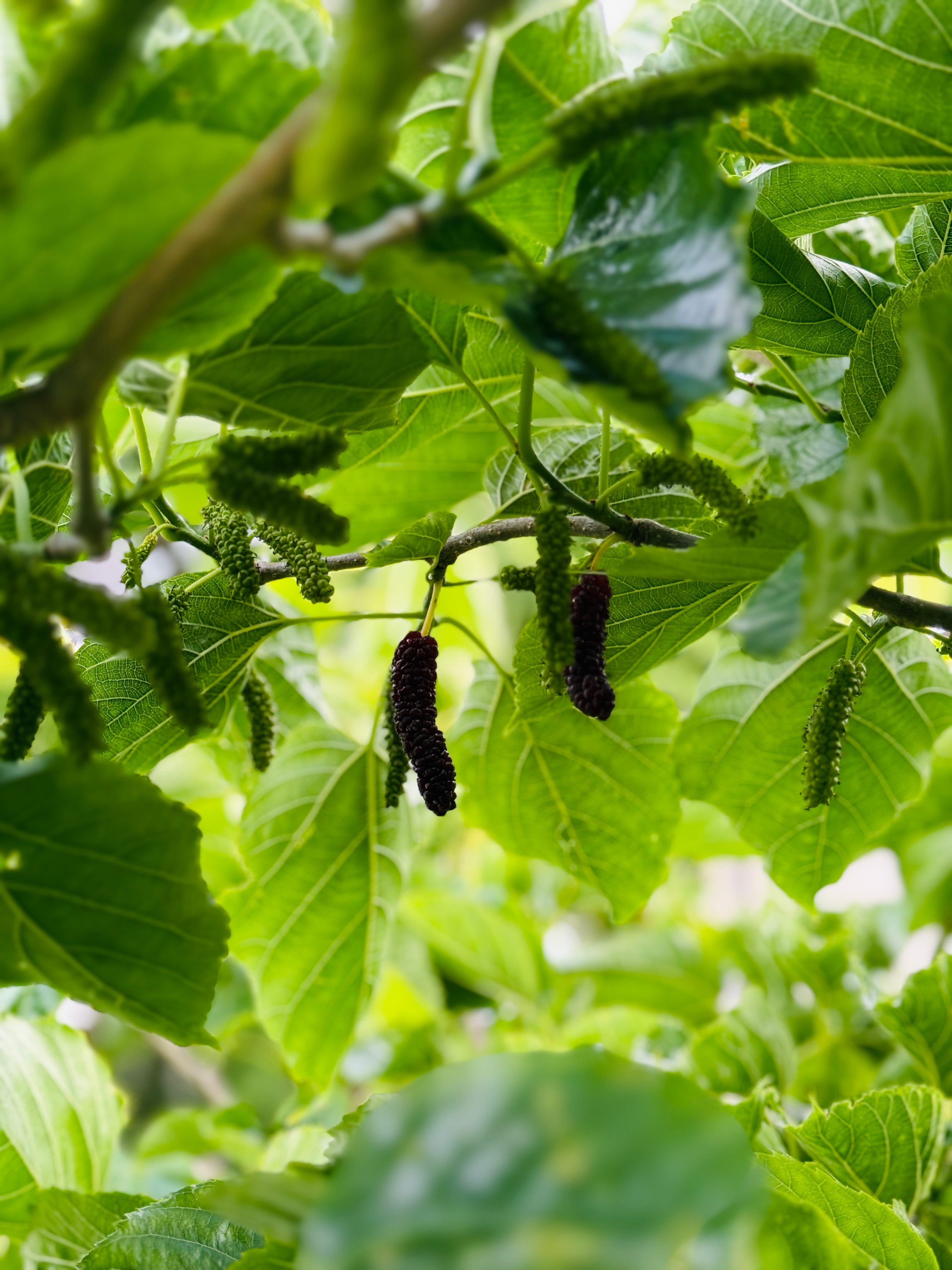
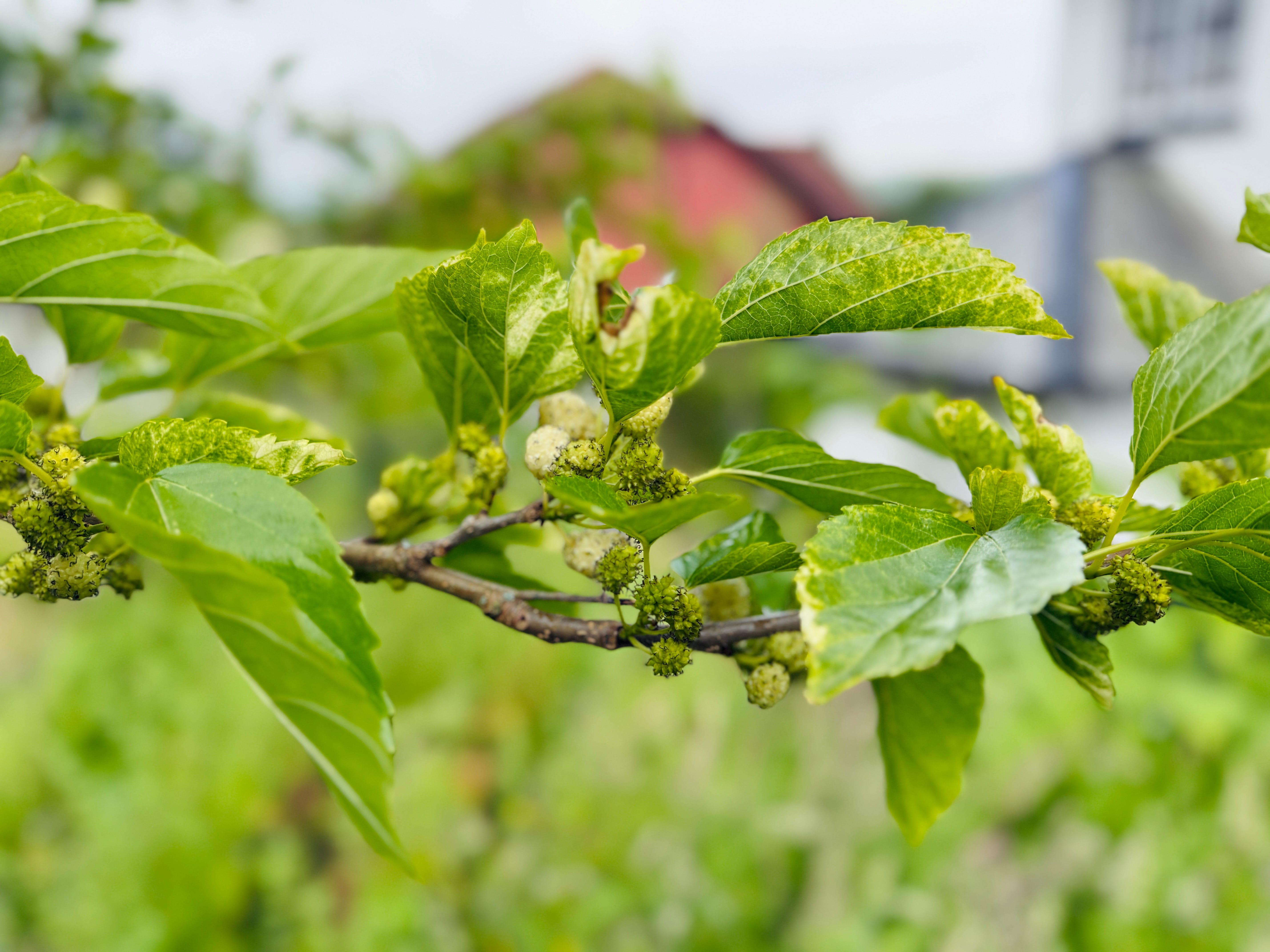
The ritual of carrying poobags has saved me on more than one occasion. A recent mid-August was mightily improved - once I’d wrestled with the nonsensical aversion to filling one with something edible - thanks to a poobag retrieved from the felty corner of a pocket: I managed to nab a bagful of mulberries in perfect ripeness before a storm galloping up the valley hit. Today, as the first early Pakistan mulberries ripen perhaps 2 months before most black mulberries, I make a mental note to always carry a poobag in case I find myself in the company of a well-laden tree on public land.
I digress.
Where was I - ah yes: returning from the dog walk this morning, I added the thought that no-one used to pick up dog poo to the ever-growing pile of individually peculiar, cumulatively alarming differences between life Then and Now. I chew this bone often: there once was a time when no-one drank water - only tea and pop; a time when we used to phone up a building in the hope that the person you wanted to speak to was in it.
My daughter occasionally asks me about life when I was her age, and she can’t quite comprehend that in the mobile phone-less world of my youth, you had to be where and when you arranged. That until the utterly life-changing arrival of the video recorder, you couldn’t go out when something you wanted to see was on TV, or you missed it forever.
‘What?! No Youtube?’ was her response.
I broke the unfathomable news that the internet was as genuinely unthinkable a reality as time travel; we were still trying to get our heads around the enormity of the duvet replacing sheets and blankets, and the arrival of pasta - like the duvet - from The Unknowably Exotic Continent.
It is during these conversations with her - someone who hasn’t lived it - that my mind is most able to recreate - to refeel - how very different life was then. A few years ago, I wrote about an idea for a book called How The Fuck Did We Get Anything Done. It will sit on the shelf alongside accompanying volumes The Lies They Told Us and Why Is Everything Shit Now, of which I suspect more another time.
Have you read Mayflies by Andrew O’Hagan? It is - as are his other writings - very good indeed. It became a two-part TV series, and while it moved out of Iplayerland some time ago, you can watch it here.

It’s about friendship, youth, music, middle age and death.
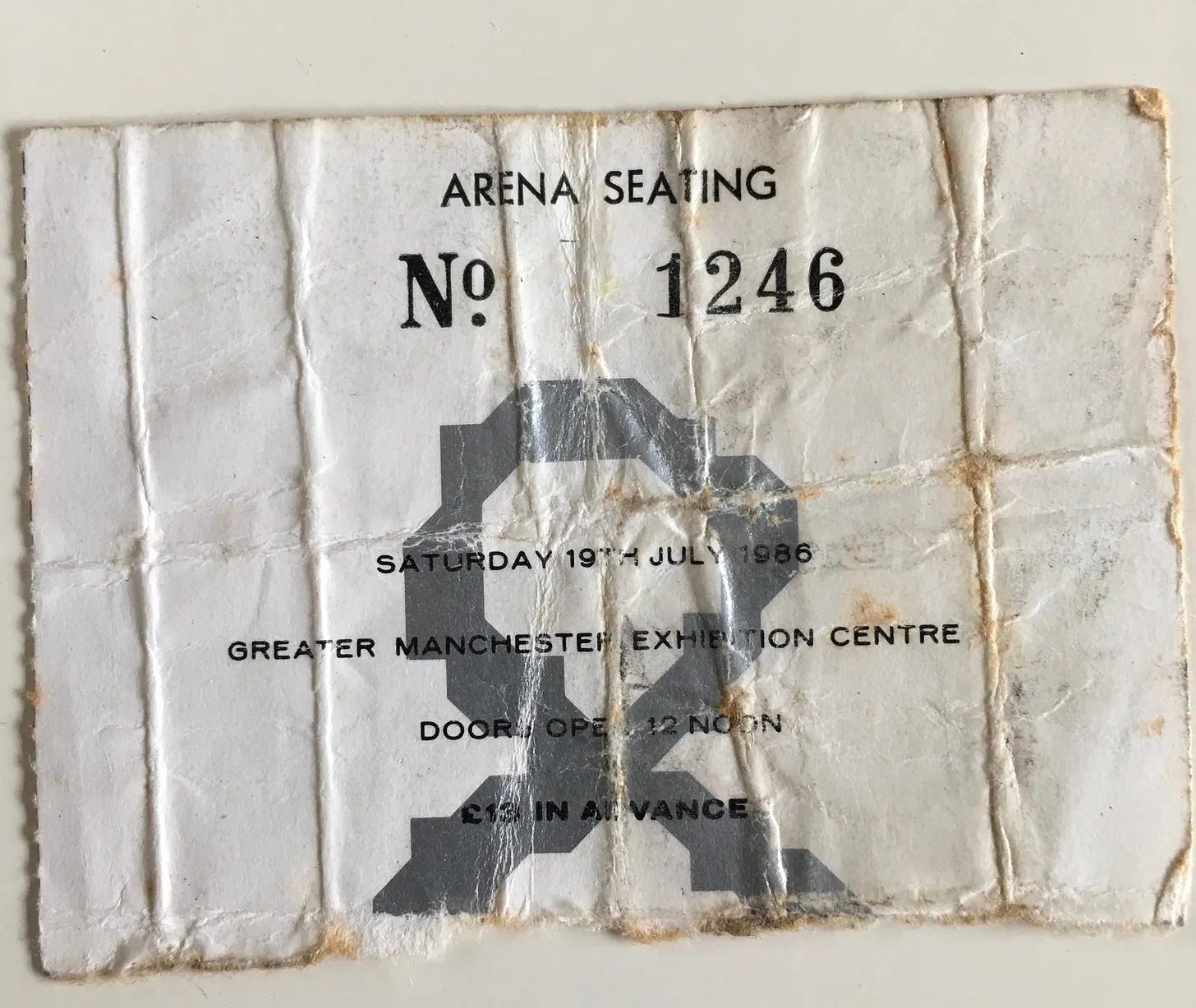
The central event is a gig in Manchester, in 1986. Factory Records organised a series of events under the banner The Tenth Summer of Punk to celebrate Manchester’s contribution to all things related: one of them was an all day gig. It was held at G-Mex (formerly Manchester Central railway station), with bands including New Order, The Smiths, The Fall, Pete Shelley (of Buzzcocks), OMD, A Certain Ratio, John Cale (of Velvet Underground), Howard Devoto (once of Magazine), John Cooper Clarke and more besides.
I was at that gig, as was my oldest friend1. And as long as I live, I will never spend a better £13.
When I read Mayflies it got me thinking about how we got to the gig - not the travelling bit so much as the whole process.
By coincidence, I spoke with that old friend on the same day as I managed to get tickets for a gig we fancied - a matter of 30 seconds online, choosing and paying for the specific seats we wanted, the tickets delivered to my phone instantly - and we pieced together what going to that gig back then involved.
This is how it likely happened
At the end of a Saturday night in the pub, we would’ve arranged to meet in town on Monday. WHSmiths, by the magazines. The magazines did two things: they stopped you drowning in the tidal wave of self consciousness that rolled towards you the moment you sat or stood still doing nothing in a public place, and they allowed you to chew up any lateness on the part of your friend by reading the music papers - NME or Melody Maker.
It was here that you’d find tour news, discover one-off gigs and new releases. One of us would have seen the advert for the G-Mex gig. When the other arrived we would’ve gone to one of two cafes for a pot of tea with four hot water refills with which to swallow the afternoon, hatching plans. We’d have been desperate to go to the gig.
New Order were at the peak of their powers, turning post punk into dance music, and The Smiths had just released Bigmouth Strikes Again from the imminent The Queen Is Dead album which was to not only blow a cannonball through our ‘surely the next album can’t be as good as the last?’ concerns, it also caused a huge kerfuffle, with middle England and the Sunday press scandalised.
We couldn’t have been any fuller of ‘we have to be there’ness. This was our Woodstock.
Many of us didn’t have a phone at home and those that did were generally discouraged from using it (often with a lock preventing anyone dialling a number above 1) so we wouldn’t be able to speak to everyone until the weekly unspoken understanding of being at the pub on Friday night.
We’d have got everyone around the pool table.
‘Who’s up for it? Ok. £13s here next Friday night ok?’
£13 was still a lump to find when you are kicking around doing next to nothing with yourself and that week’s grace gave time for dole/pay cheques to arrive.
The following Friday I’d have collected the £13s from everyone. I’d have done my best to get myself up and to the post office before it shut at lunchtime on Saturday, but almost certainly I’d have had to make the trip on the Monday when it was open all day.
I’d have handed the money over and been given a postal order. Essentially a cheque issued by the post office to a named recipient, a postal order secured your money’s safe passage to its intended target. A handwritten note detailing the number of tickets required would have been folded into the envelope with the postal order, along with a stamped self-addressed envelope for the reply. A stamp affixed to the front, and into the postbox it would have gone.
Two, perhaps three weeks later a reply might be expected. Not until this point - perhaps five weeks after seeing the advert - would we know we were going. And only then would we have given any consideration to how we might get there. Exmouth to Manchester: a 508 mile round trip in a single day. One of us had a driving licence; none of us had a car. The only van available was without seats in the back. It didn’t cause a moment’s pause: this was a pilgrimage we had to make.
A dozen of us rattling around in the back of a transit van driven by easily the best looking of our number, each with a gallon of cider, and returned to our Devonshire hometown 25 hours later, entirely ciderless.
And that - unlikely as it sounds - is how the fuck we got it done.
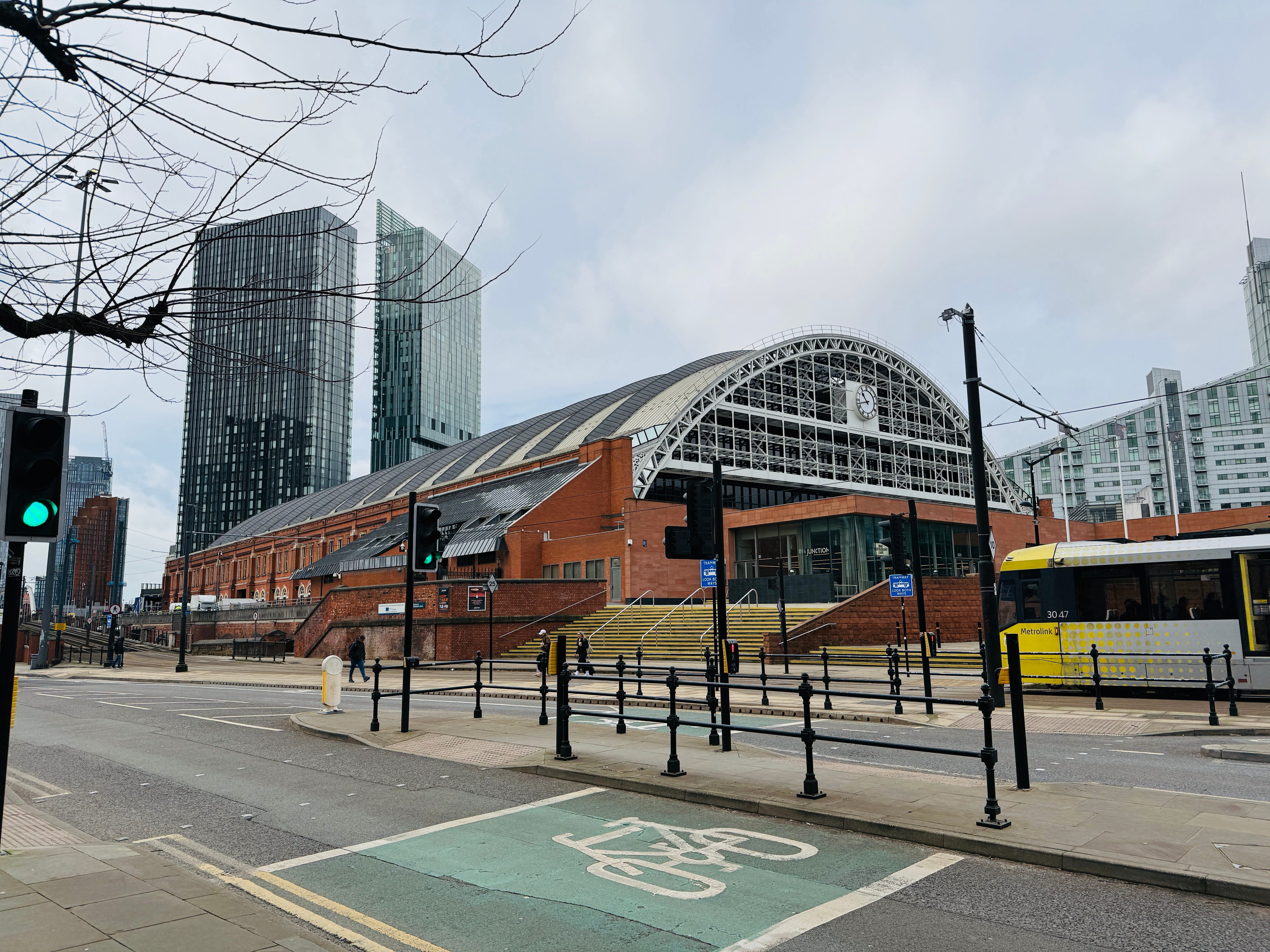
It was one of the great days. And like all great days, you forget the travel, the 4AM start, the 5AM return, the hangover, the whatever, and remember the moments.
But mostly you forget - as the world has moved in tiny increments from buying tickets taking 5 weeks to 30 seconds - the reality of a palaver over the simplest task. And yet, everything was achieved. Perhaps it was these gentle palavers that pleasingly filled everyone’s lives, before these days of cortisol-fueled efficiency; days without the need for ‘content’ to fill our palaver-less hours.
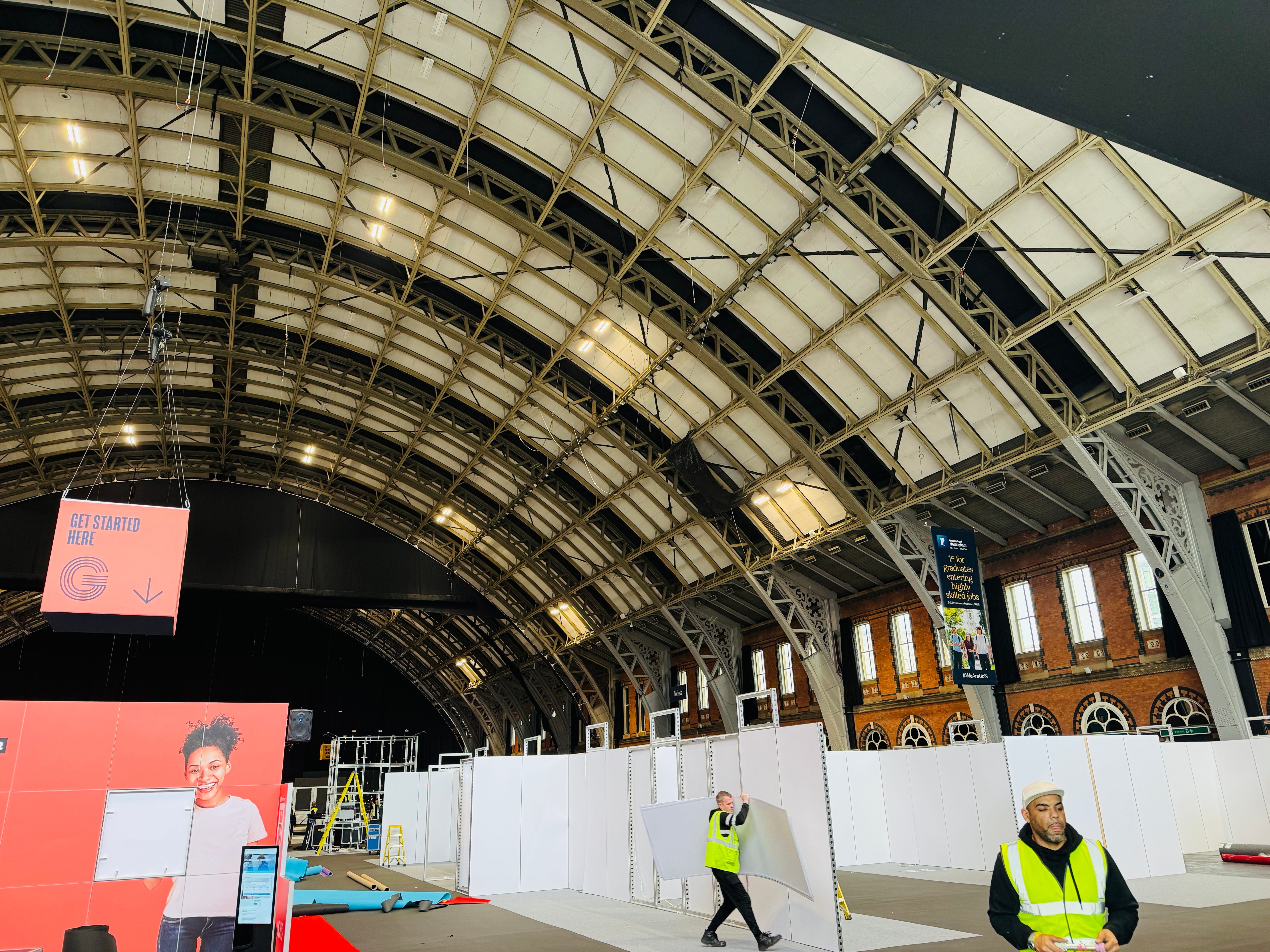
You might be wondering why this is came to mind now rather than in a few weeks when it’s 40 years since the gig. It’s due to a related anniversary.
40 years ago last week, I elbowed my way through a now largely deserted small town centre to buy an album I’d heard only two songs from. Imagine. I walked the two miles two hundred yards home as it took the last of my money. I spent all day playing one side, flipping it over and playing the other, staggered at the first words that poured into my ears.
I felt mildly treasonous there in our council house to be playing a record of such lyrical anarchy. This week, I’ve been playing that same piece of vinyl, and it still sounds fresh, shocking and hilarious. That worries me.
It worries me that no-one seems to write songs with anything approaching the wit and brilliance of himself. Yes, he’s a terrible arse - of course he is - but in these often binary times, we can surely accommodate two things of truth in our minds at the same time: he is a genius of a lyricist too2.
Four decades on, The Queen Is Dead should be as unshocking as 1954 Elvis wiggling his hips seemed in 1986, and yet I suspect that if it came out today, it might even cause more of a kerfuffle than it did then - ‘The King in a dress; how dare they!’
Somethings change little. This week, those to whom such privilege is as unimaginable as the internet was in 1986 were invited to admire the descendants of those who privatised much of our common wealth being sent to a school, with the bill footed - along with their lives - by the descendants of those displaced. And if that isn’t enough, the national broadcaster feels the need to say - every time his, and only his, name is mentioned - that he ‘denies all allegations’3 and in so doing has me yelling at my car radio, causing me to forget to stop for poobags.
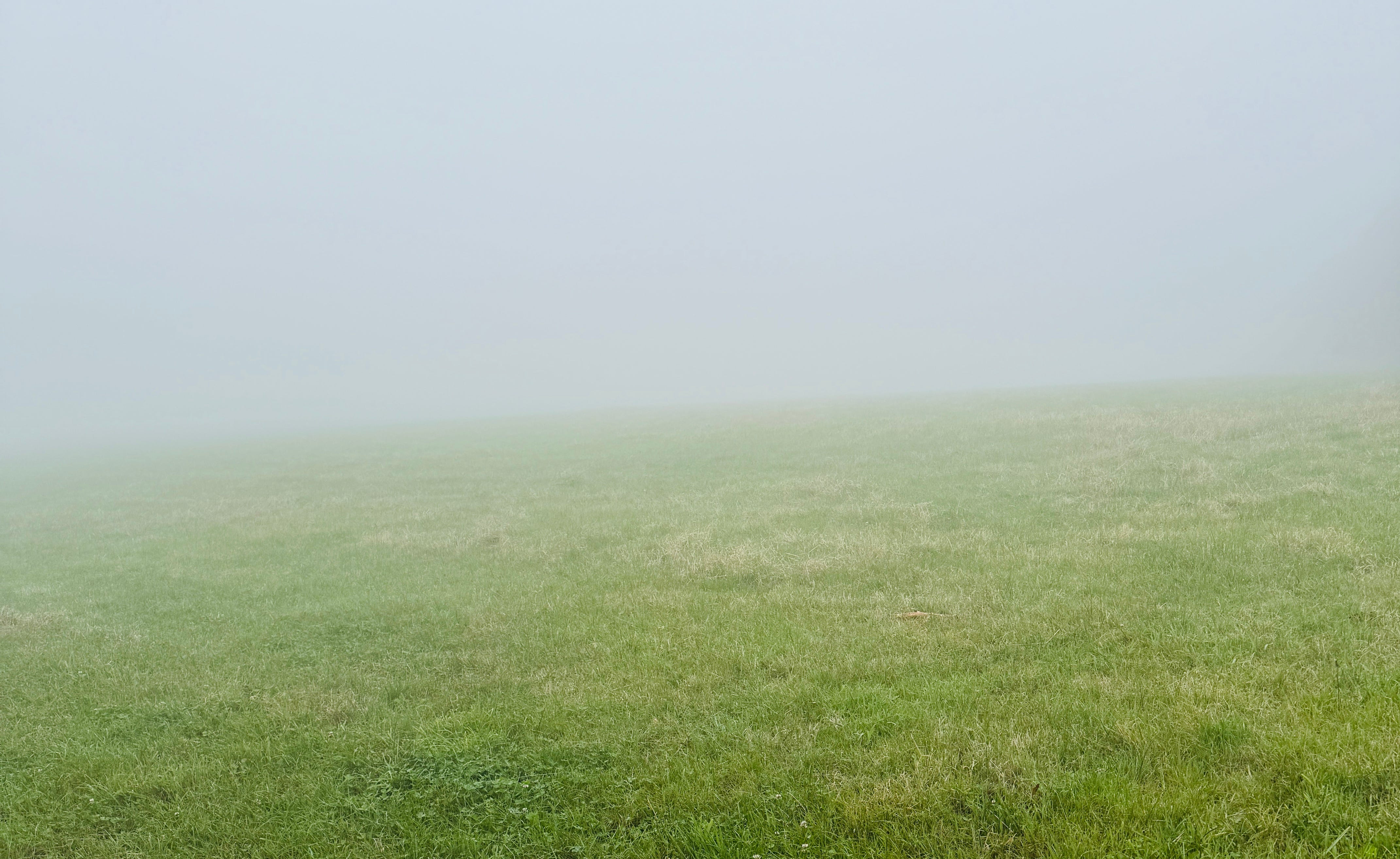
And so as I add ‘poobags’ to today’s shopping list, I’m grateful for the everyday, sanity-saving distractions of a misty walk, Cerys Matthews on my Sunday morning radio, a re-reading of Andrew O’Hagan’s magnificent demolition of his former royal Lowness, the first of the white mulberries as well as the black ripening in the garden, and the arrival of those beautifully sweet/sharp gooseberries on the shelves.
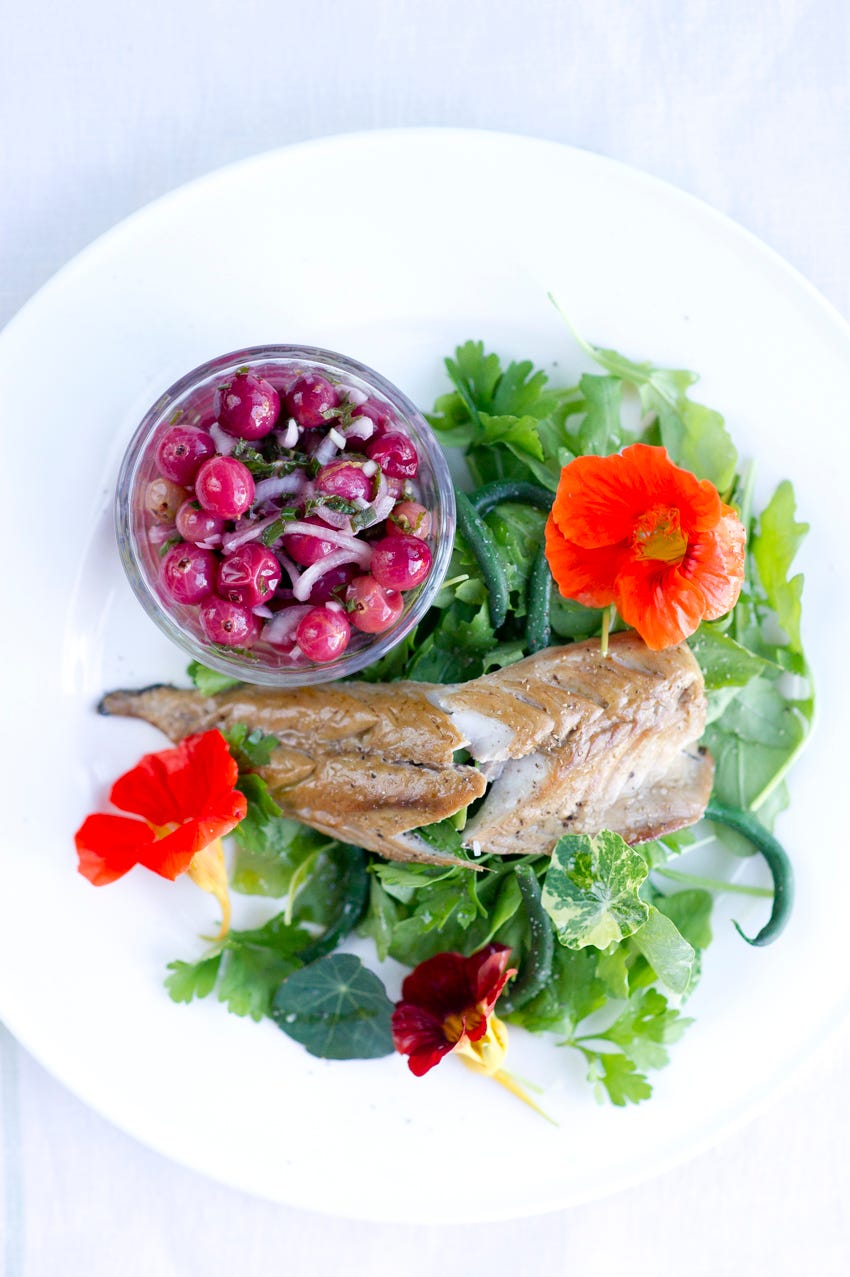
I’m indecently proud of this salsa. My lovely friend Emma holds me in reasonable regard almost entirely only because of it. This works beautifully with smoked or grilled mackerel fillets and I guess it’d be a fine partner to goose, duck or pork too.
If you serve it with a salad (like the rocket, green bean, parsley and nasturtium in the picture) dress it just with olive oil and salt and allow the salsa’s sharpness to balance it.
Serves 4
4 tbsp caster sugar
3 tbsp white wine vinegar
150g gooseberries, topped and tailed
juice and zest of 1 small lime
3 shallots, finely sliced
small handful of mint, finely shredded
small handful of chives, chopped
2 leaves of lovage or a small handful of parsley, very finely chopped
Sea salt and pepper
Put the sugar, a good pinch of salt and a few twists of pepper and vinegar into a pan and bring slowly to a simmer. Add the gooseberries and gently cook, stirring frequently, for a couple of minutes only - you want the process of cooking just to begin rather than to soften the fruit. Take off the heat and allow to cool.
Stir in the shallots, lime juice, zest and the herbs and refrigerate for a couple of hours or more before serving.
Who shall - when my fortune is made by that trilogy of books - remain uncredited for his part in the conversations that inspired them
One fortunate to be in the company of one of the great songwriting guitarists - this might be the first album I appreciated layers of guitar woven beautifully together - and a unique bass player
Well of course he does, that’s what they do other than when they’re in each other’s company)
Comments
Nothing yet. Say the first thing.
Sign in to join the conversation.