
In one of my recent posts, I found this comment:
I looked at a bunch of product across websites recently and it felt like the same lamps, same coffee tables, same sofas. Copy/paste. (@DesignTea)
Everything looking the same is a tragedy, but it's also a blessing for those who stay original. Let’s break down why this is happening and how to escape the trap.
It’s ironic: the fact that everything looks the same is a symptom that the industry is "going well" - or at least, the numbers look that way. When an industry booms, big investors start to smell money. They consume the market, placing smaller brands inside corporate boxes managed by people who work with balance sheets, not with design culture. When numbers rule, the formula is simple: predict, invest, monetize.
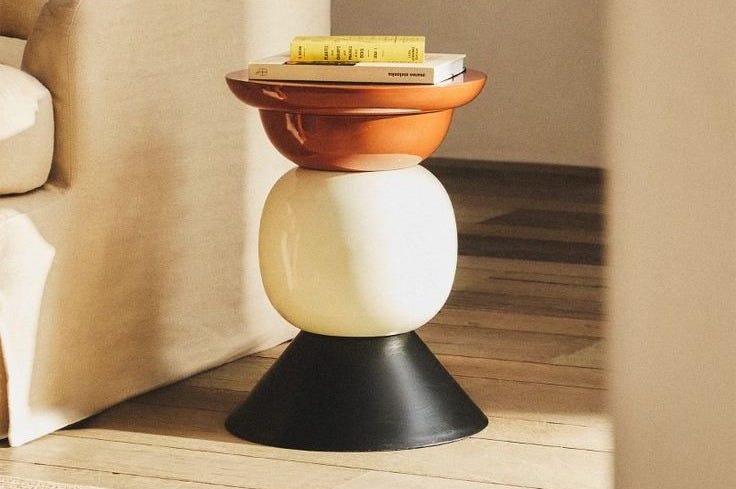
Predictions are made by decomposing past successes and repeating them. There is no space for risk here, except for the occasional "one-off" collaboration with a "crazy artist-designer" used to provide a shield of credibility.

The most dangerous mistake is trying to imitate those who are successful without having their tools. A small-to-medium company that tries to compete with a titan using the same development and promotion strategies has lost before it even begins. Imagine starting a fashion brand to compete with Zara or Uniqlo on price and promotion with an annual turnover of €2 million. That sounds more like someone living on another planet than an entrepreneur.
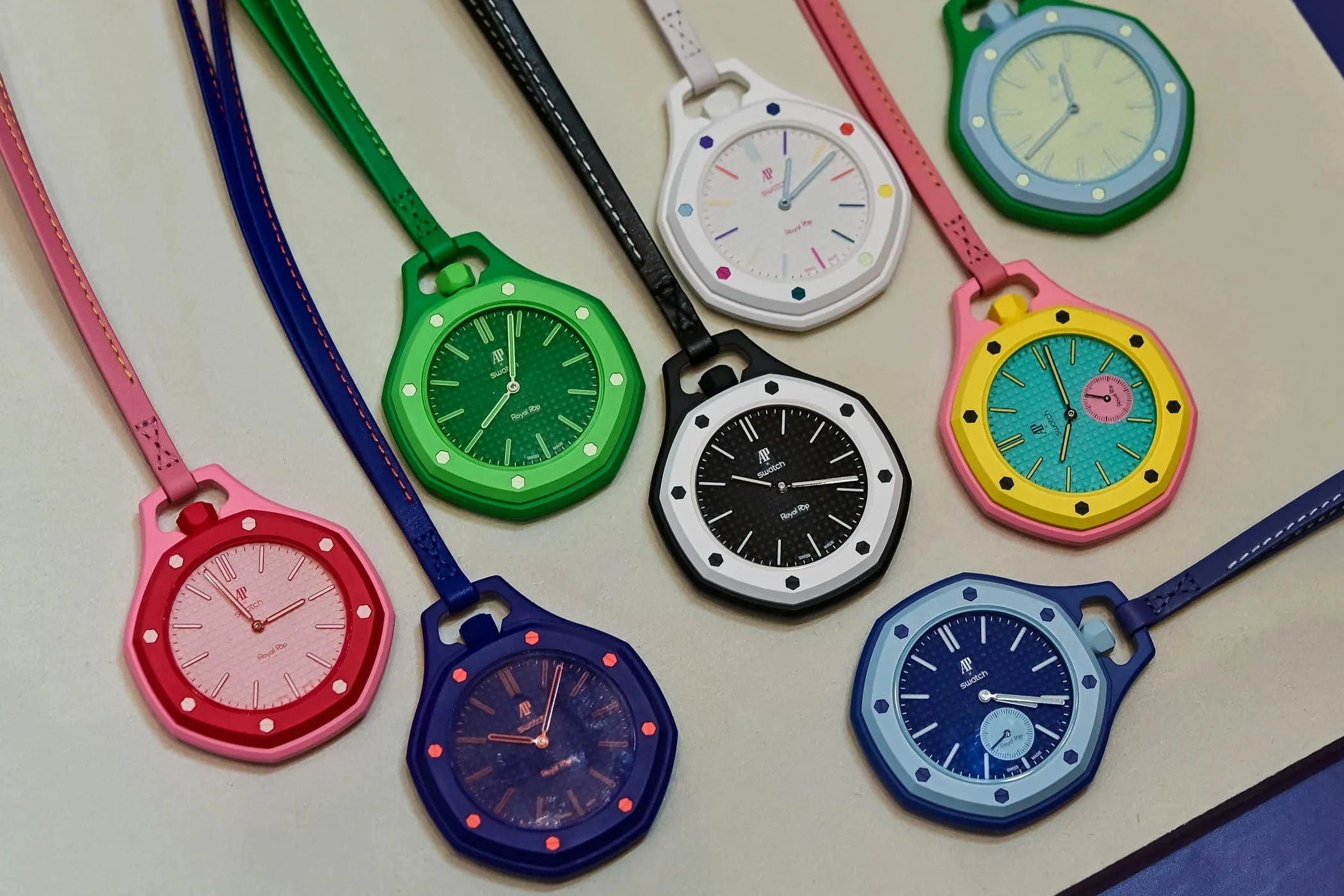
Big brands don't bet on human necessity; they create it using ads, repetition, and status symbols. People don't buy the latest Audemars Piguet x Swatch because they like it, but because they feel a manufactured necessity - fueled by influencers and hype - to avoid missing out. The solution for a competitor isn't to create a "pocket watch collection"; that would be absurd.
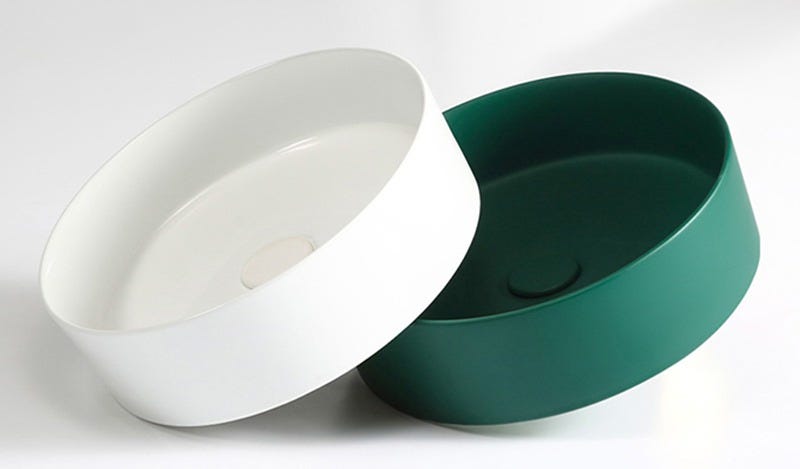
A few years ago, I designed for a ceramic brand that asked for "thinner ceramics because the market wants it." I was young, but I already saw the trap. I moved on because I wanted to design, not just chase fleeting trends. The consequence? The company became anonymous within three years, trying to compete on price and color variety, a war they eventually lost to Asian competitors who could provide variety at a much more reasonable cost. To save the situation, they later launched a collection with a famous architect, fueled by paid ads. It created a little noise in the niche, but it only confirmed that the brand was tired and lacked a clear direction.
On the other side, the "good" companies know that competition must be played on different values. They create storytelling that generates desire, rooted in the idea, the process, and the construction. Look at Danish brands like Hay, Muuto, or Normann Copenhagen. They have nearly 20 years of history, but they’ve kept one constant: design good and design better. This is paying off now, while many design companies, at least in Italy, have fallen into the hands of groups that prioritize maximizing their year-end balance sheets.
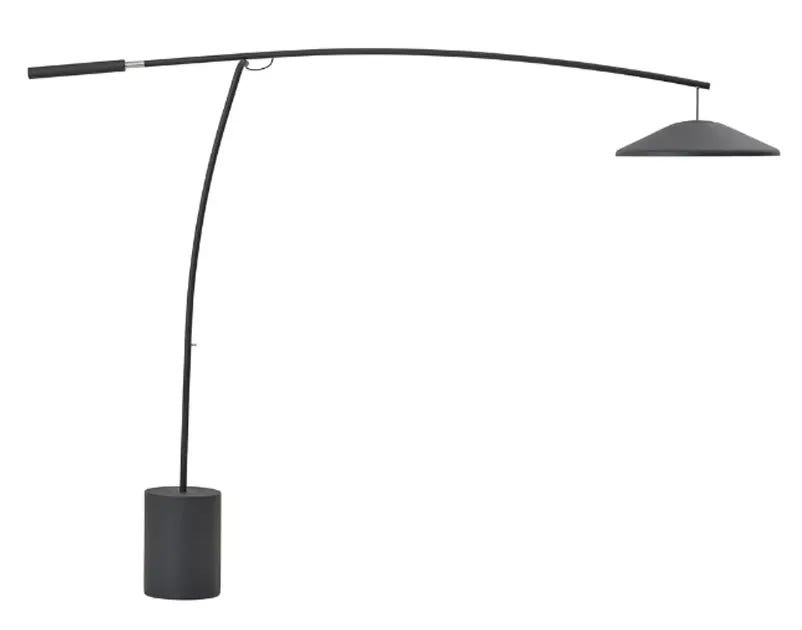
We have the information to see who is doing well and take inspiration without following the rules, but writing our owns. What’s been done, has been done.
Our job is to understand the status quo and find where our specialty can be relevant and where our passion can make the difference
Let’s play a game: list three designers you find relevant.
They probably won't be similar to each other at all, because they’ve found their unique voice and not because they followed what a teacher told them was "good design." Leave a comment with your names; I want to see if we're looking in the same direction.
This newsletter remains free and open because of readers like you. If you find value in these thoughts, return the favor: hit the 💚 button, share this post with someone who needs a dose of reality, and let me know your take in the comments. It goes a long way.
I’m looking for a skilled illustrator. I’ve checked my database but came up short. If you know anyone talented, send me a message.
Exams are over, but no summer break for me. I’ll be around Guangzhou for a couple of weeks in July. If you're in the area, let's meet.
My new article in the Design Theories series is out. It’s about John Tree, a former Sony and Jasper Morrison designer, who uses a sophisticated reduction method that the industry is starting to really appreciate. Click on the image to read.
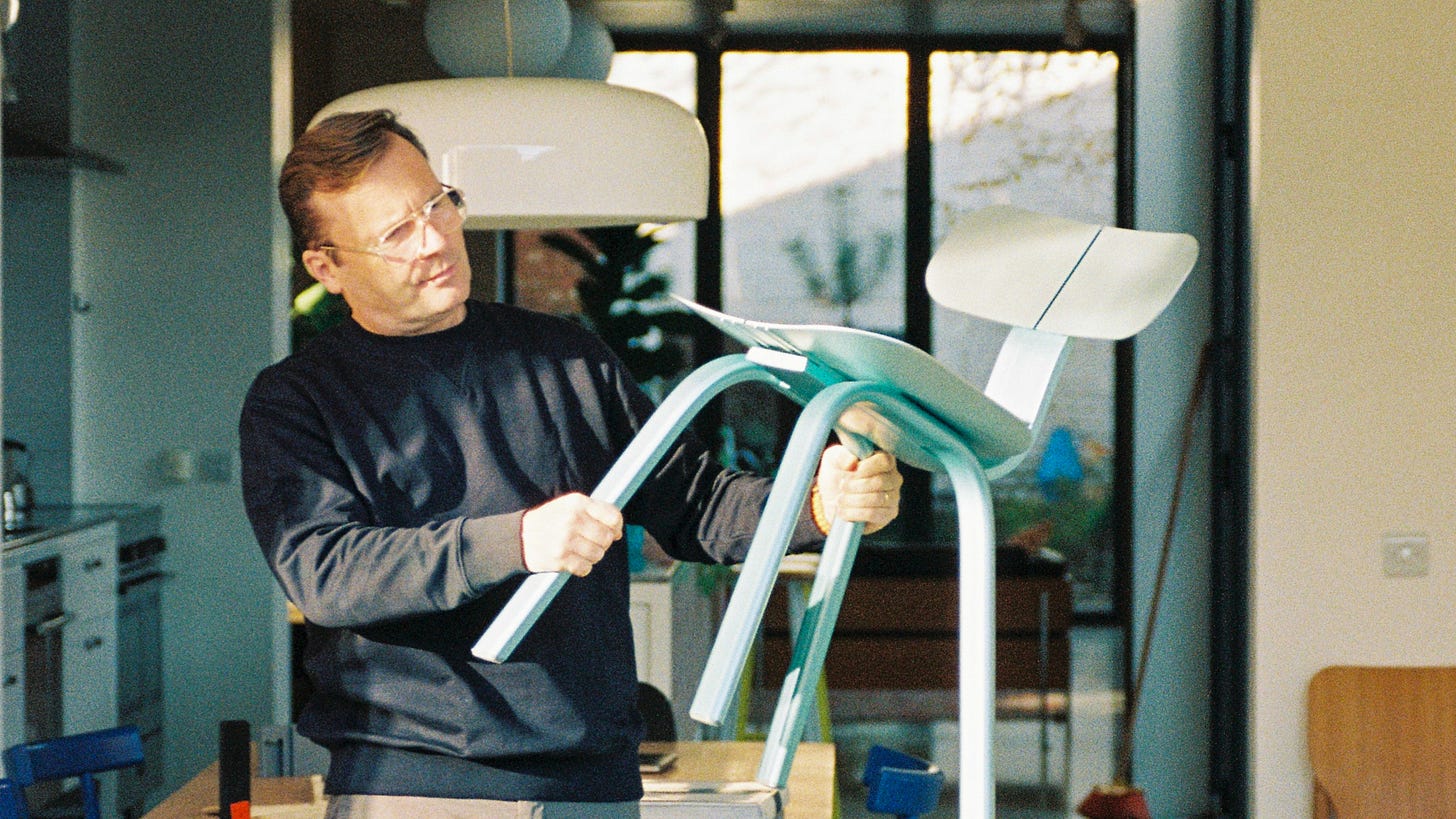
If you aren't familiar with John Tree, he’s quite active online. Here are a couple of links to deepen your knowledge:
His recent interview on The Crit podcast:
A great video inside his studio:
Enjoy!
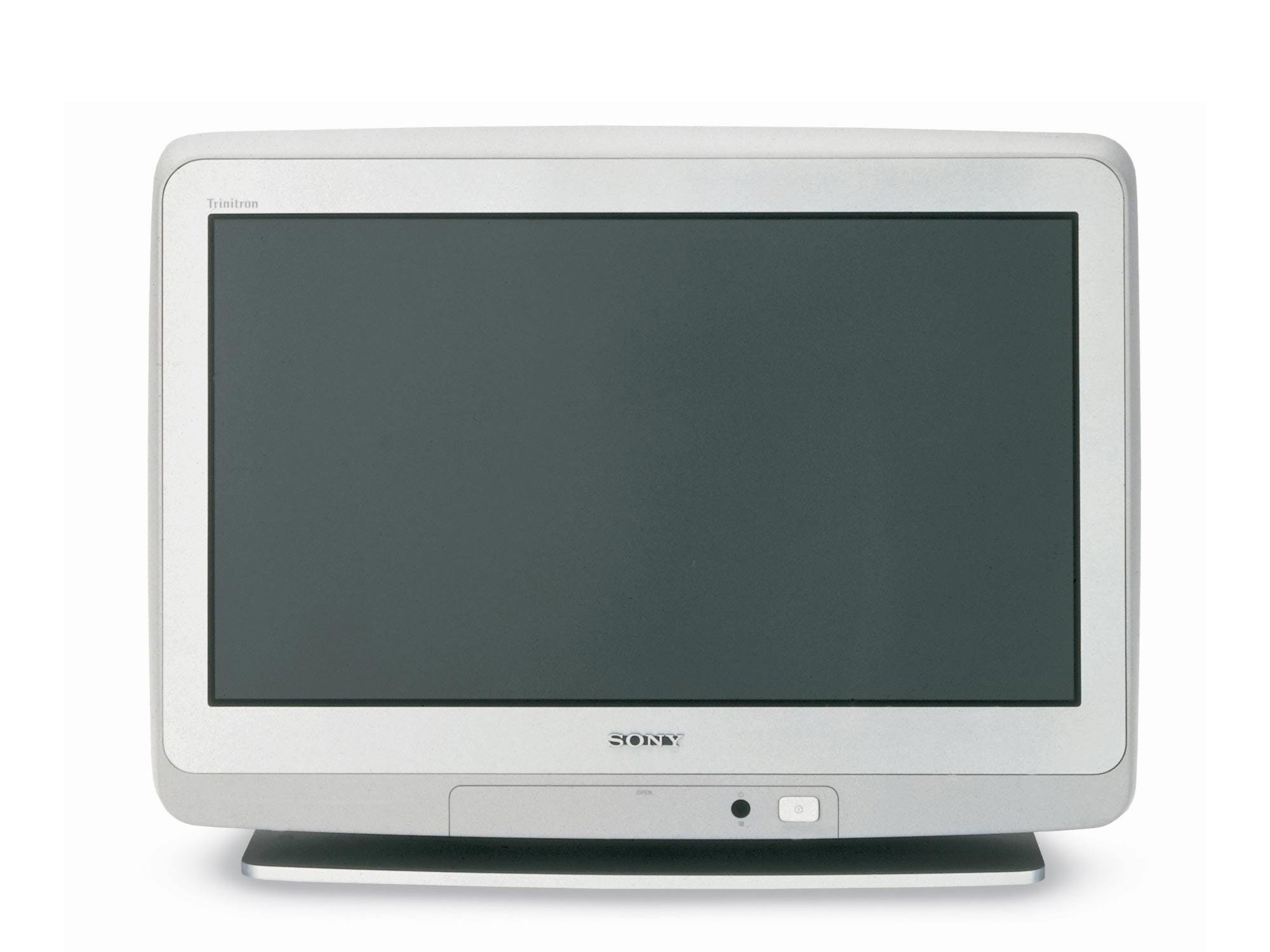
I mentioned that John Tree worked with Jasper Morrison for years. Their relationship began when Morrison started designing tech objects after a successful collection for Sony - a project that sought the perspective of an independent designer to create a coherent collection. This TV was one of those projects developed by John Tree in his studio.
This newsletter is supported by:

Thanks for reading. Here are three more articles if you want to go deeper:
If you want to: collaborate as a brand - sponsor this newsletter - simply get in touchSend an email to info@marioalessiani.com or send a message - don’t be shy, I reply to everyone.
Thanks again for being part of this community and in case you want to share this with someone…
If someone forwarded this to you…
With love,
Mario
No posts
Comments
Nothing yet. Say the first thing.
Sign in to join the conversation.