
0:00
-6:36
It’s the multi-million dollar question, right? What makes something a work of art? Why do people travel all over to world to a museum to see a painting by Kandinsky or Rembrandt?
People much smarter than me have written long essays about this question, but to me it boils down to one central matter: does it make me FEEL something? Does it MOVE me?
I believe that art affects us emotionally because it reveals something about our shared humanity. That truth about what makes us human is what we connect with on a deep level.

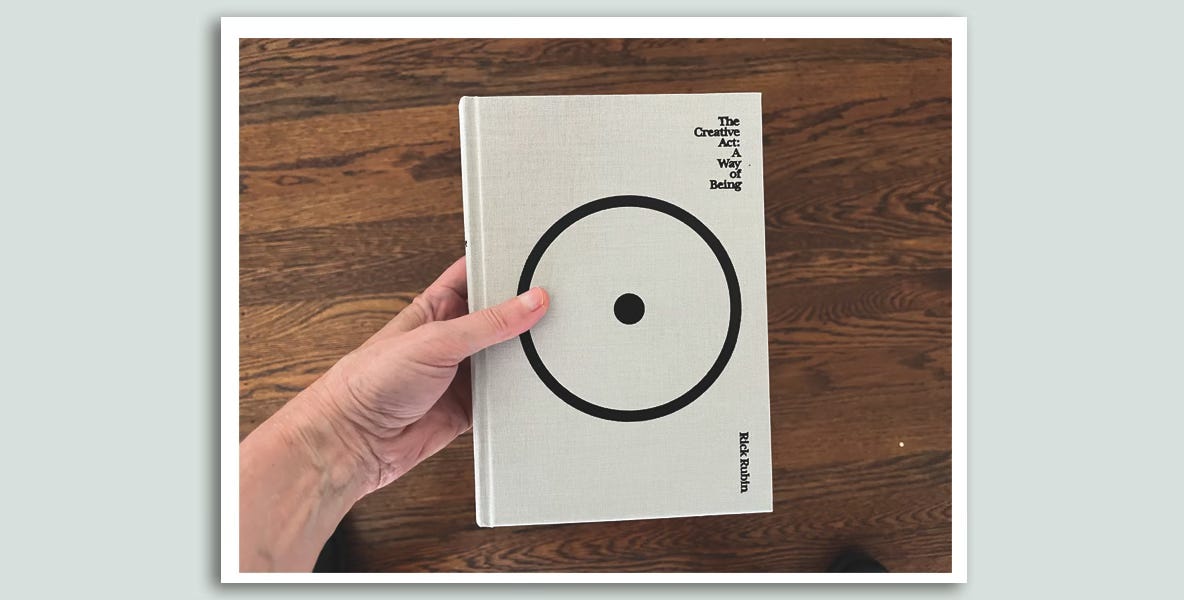
It begins with the artist. In The Creative Act: A Way of Being, Rick Rubin argues that creativity happens when you step into territory where you don’t know the outcome, where you are willing to follow what feels alive and true wherever it may lead.
When you are unwilling (or unable) to follow that truth, your art begins to serve expectations. Those expectations are sometimes financial: What are the chances this idea will sell? Should I replicate what’s already selling in the hope it finds a buyer? Or will I make the thing that makes my heart sing, even if there is no buyer?
This is a choice every working artist faces, myself included. But those times I’ve defied expectations and followed my intuition have been the most successful for me creatively.

Our world has changed since I began working on Song of a Blackbird in 2011. Without planning it, the book shifted from purely historical to unmistakably political. The artists in WW2 Amsterdam who inspired my book faced suppression of their creative voices and were asked to commit to strict rules about what defined art. The Nazi regime made its expectations of artists, writers, and the media very clear: music by, or images of, people of color were prohibited. Only white/Germanic people could be represented. Even abstract art was outlawed.
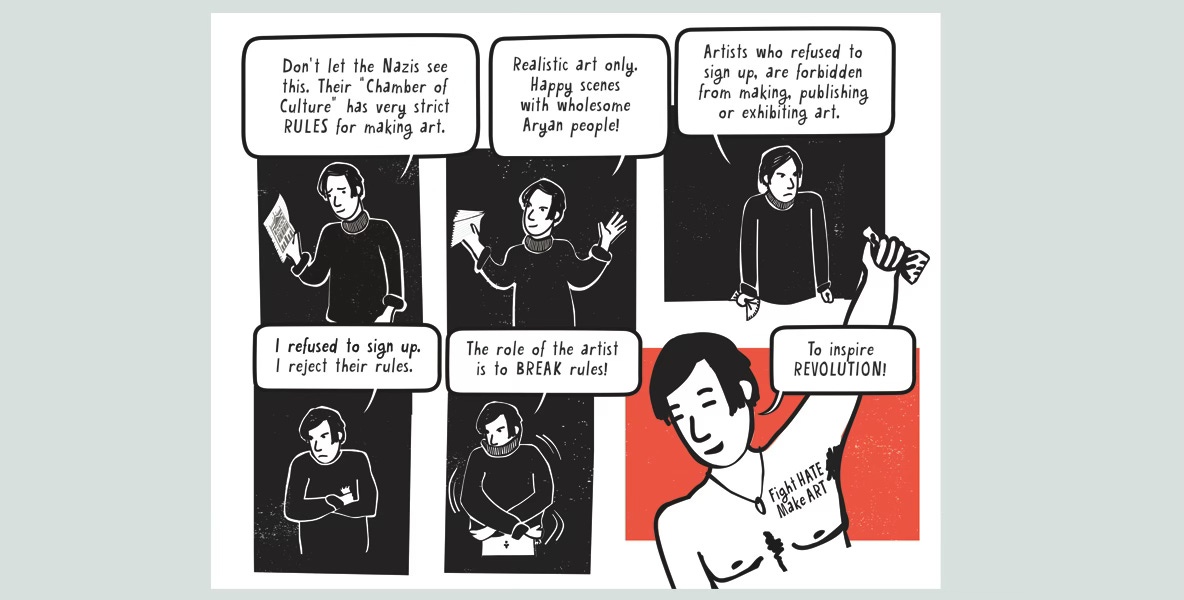
The only way artists could continue to perform, exhibit, or publish was by joining the Nazi Culture Chamber and submitting to its rules. Many refused and became active in the Resistance instead. It was precisely those artists who helped topple the regime that tried to silence them.
Today, we see freedom of expression threatened once again: books are banned, funding for public broadcasting is cut, TV networks are pressured, and so on…

I am proud of the artists speaking up against these attacks on free speech today, while corporations and tech companies are all quick to comply. I believe this happens because artists are accustomed to seeking truth and meaning: it is at the core of what we do. We cannot comply with restrictions on our creative expression and remain true to what defines us as artists.

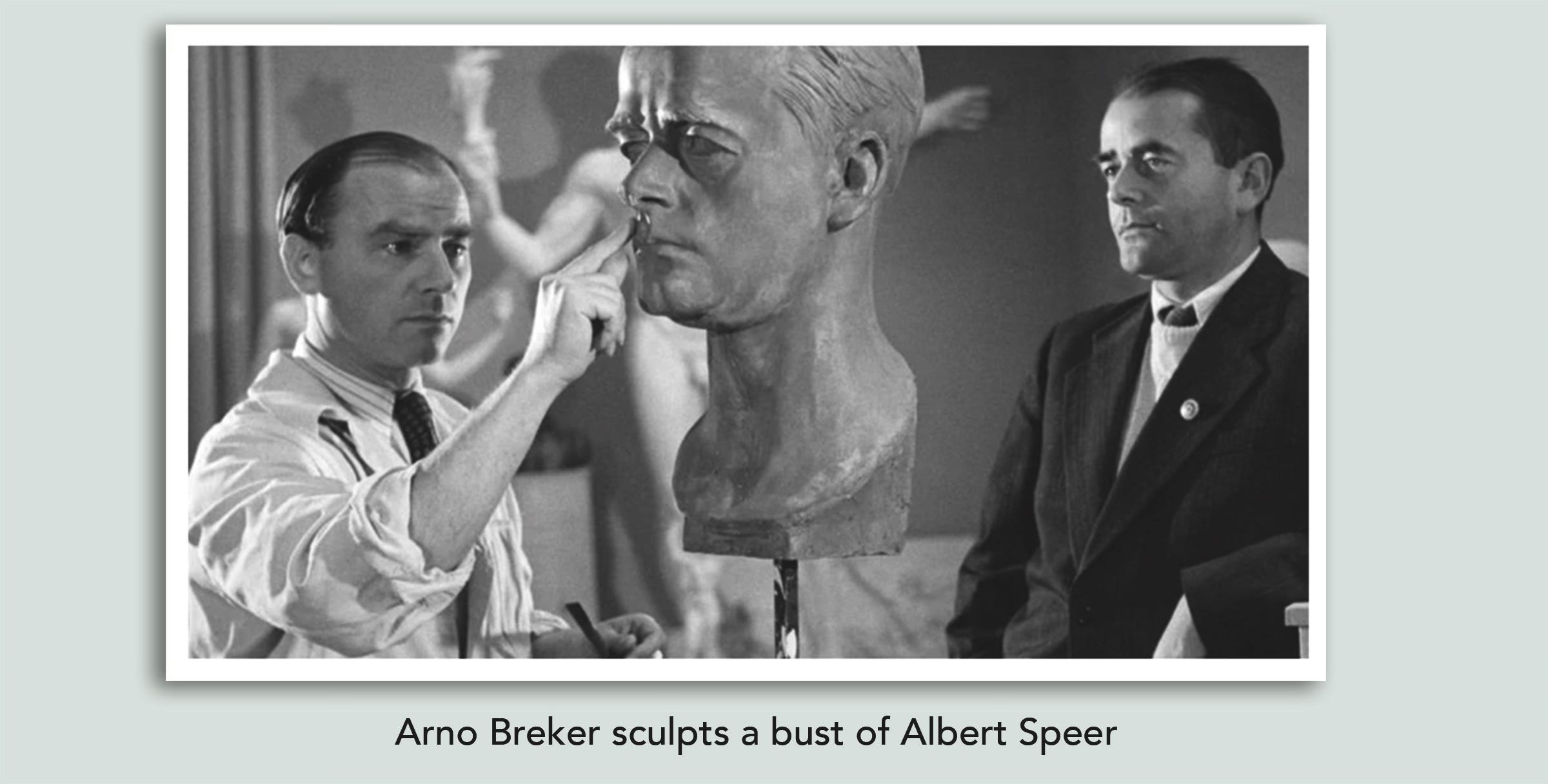
What about the artists who chose to comply in the 1930’s and 40’s? The artists who aligned with Nazi aesthetics and joined the Nazi Culture Chamber must have known how that would strip the soul from their work, yet they obliged. Arno Breker became the regime’s preferred sculptor.
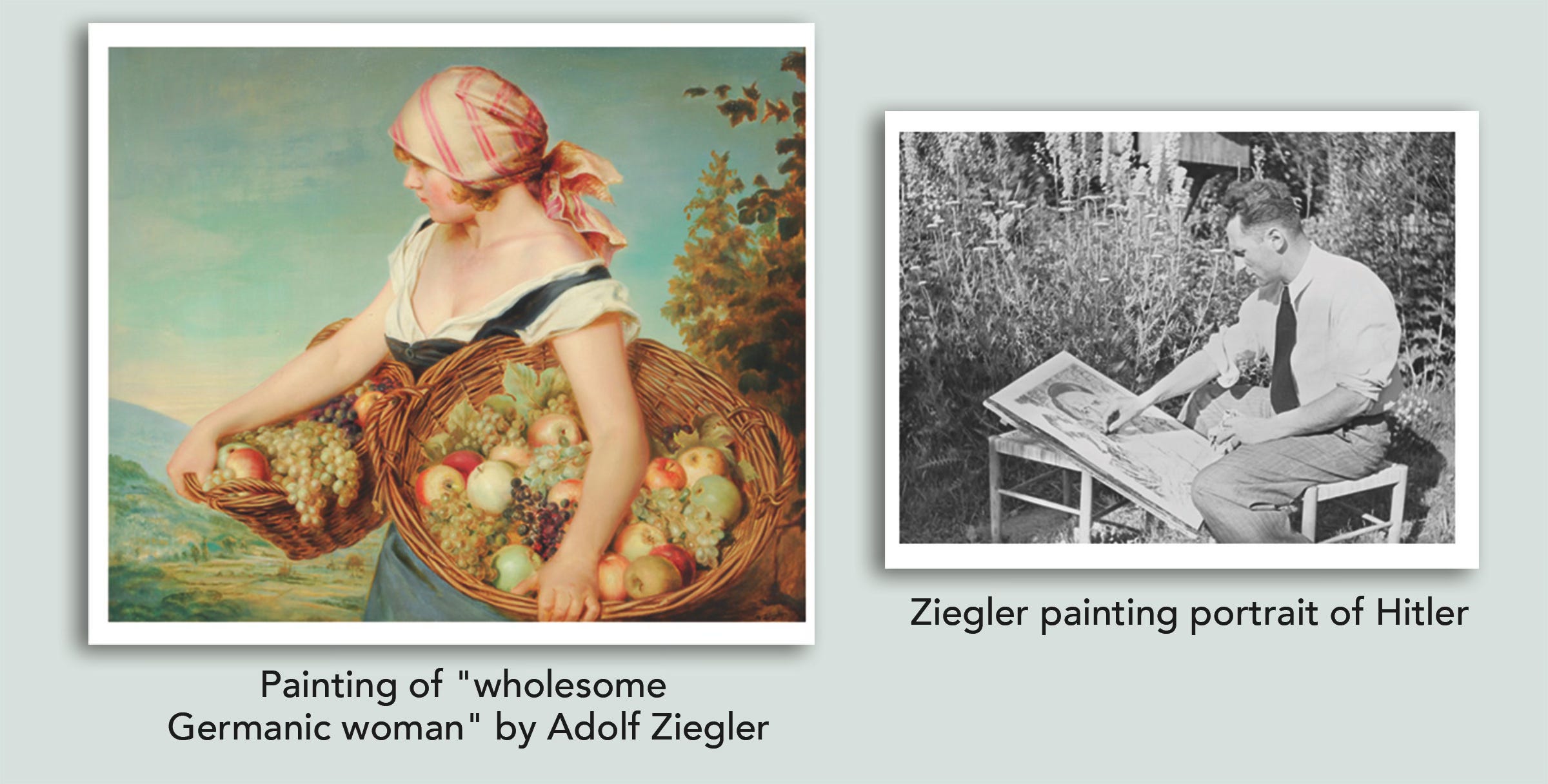
Adolf Ziegler grew into one of its favored painters.
Leni Riefenstahl, who claimed to be apolitical, became its most famous filmmaker.
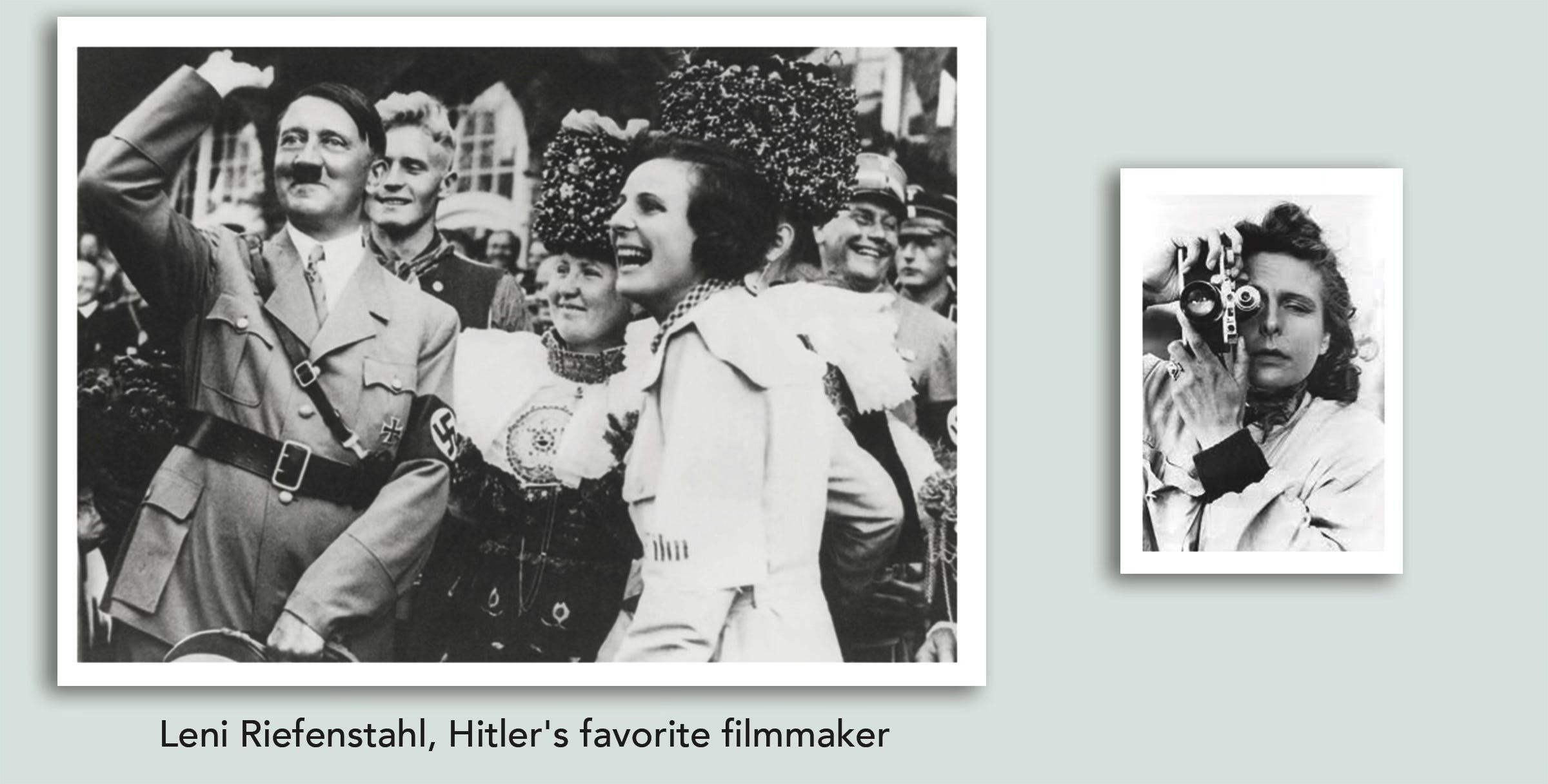
Their art promoted the Nazi ideology of racial superiority and hate. Their work was propaganda in service of that ideology.

Meanwhile, Wassily Kandinsky, Paul Klee and Käthe Kollwitz were dismissed from teaching positions by the Nazis, denounced in the press, and had their art removed from museums and labeled “degenerate.” They refused to submit to Nazi aesthetics during WW2, and did not join the Culture Chamber.
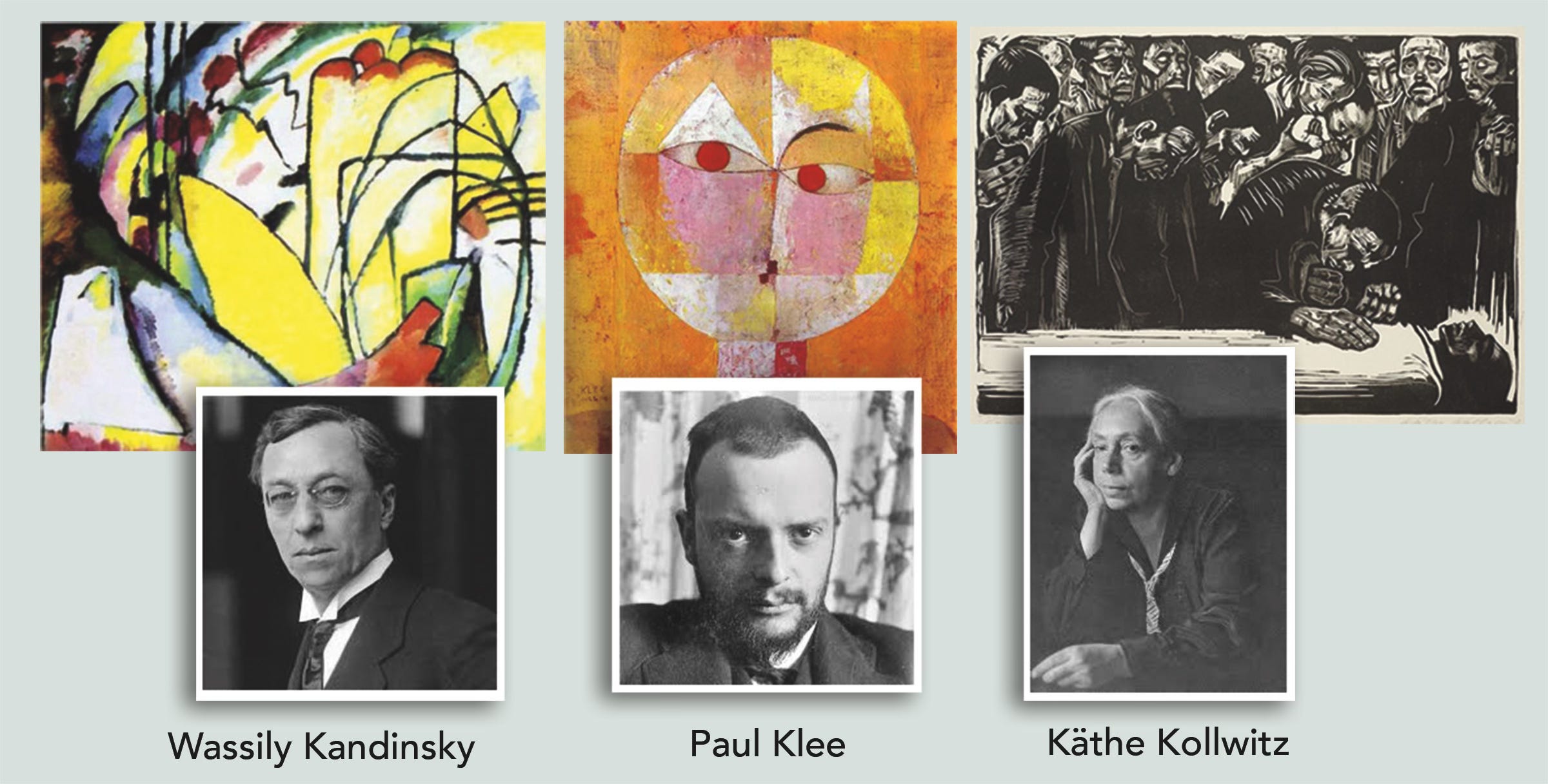
Today, they are now among the most celebrated artists from that era. Their careers suffered in the short term, but heir loyalty to truth and humanity ensured their legacy. They chose love over hate. In Song of a Blackbird, we see teacher Nijholt explain the difference between art and propaganda. He explains, “When words or images spread fear and hate, it’s PROPAGANDA… When they inspire love and compassion by revealing our shared humanity, it’s ART”.
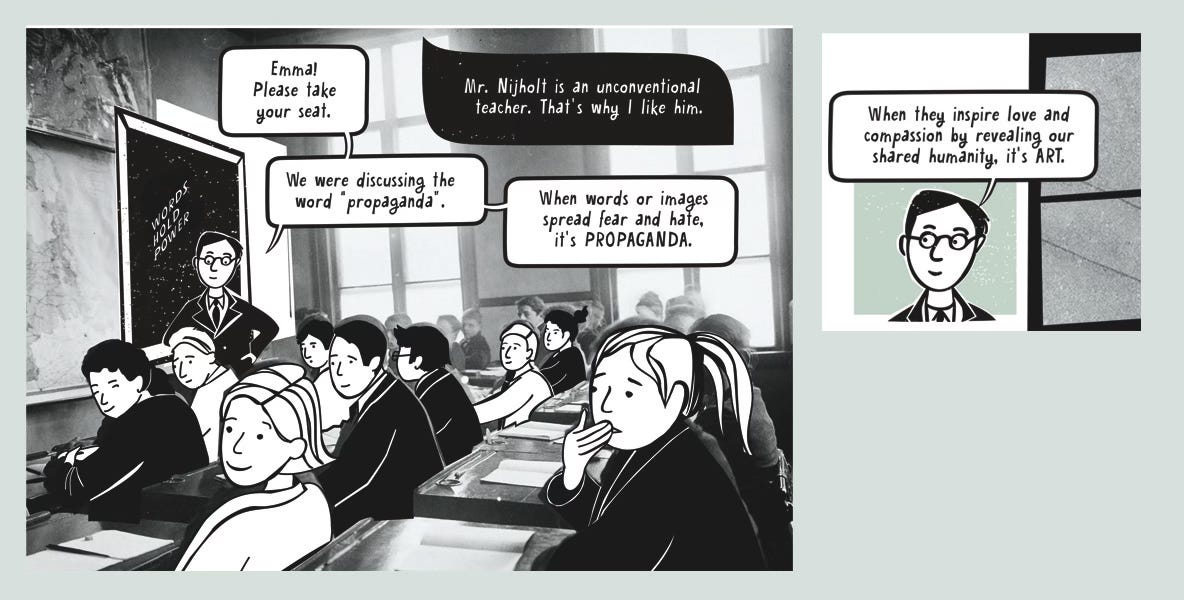
Judging by the reputations of Breker, Ziegler and Riefenstahl as compared to those of Kandinsky, Klee and Kollwitz, the general public agrees with teacher Nijholt.
Sadly, the Nazis murdered many young artists who refused to submit to the their ideology. Sculptors Gerrit Jan van der Veen and Frits van Hall, printer Frans Duwaer and publisher Tine van Klooster were among many artists murdered for resisting the Nazis in Amsterdam.
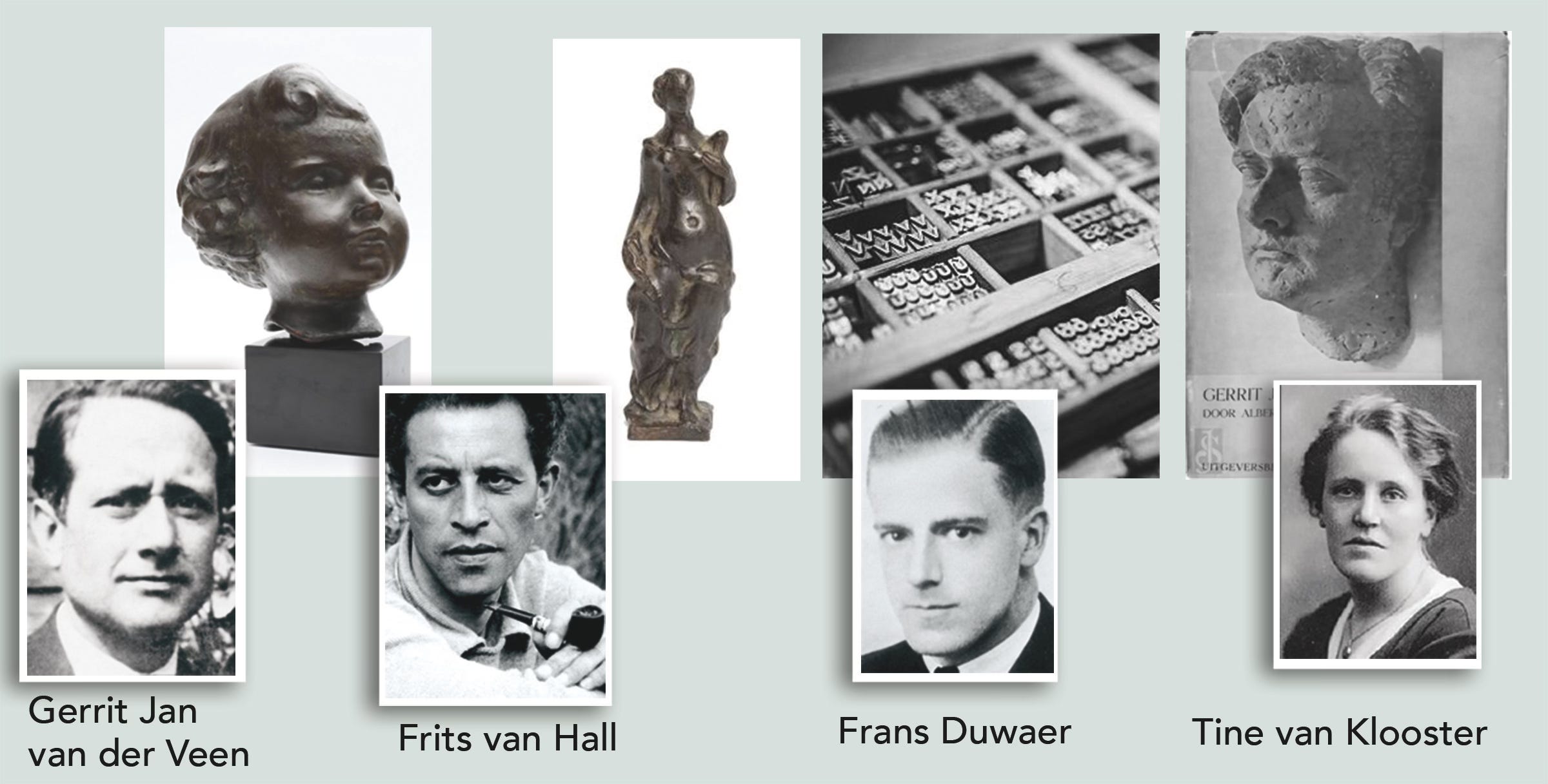
They did not get to live out their lives and build a significant artistic reputation. But let’s never forget how they embodied the spirit of the artist, which is to speak up for truth, humanity and LOVE.
So what is ART?
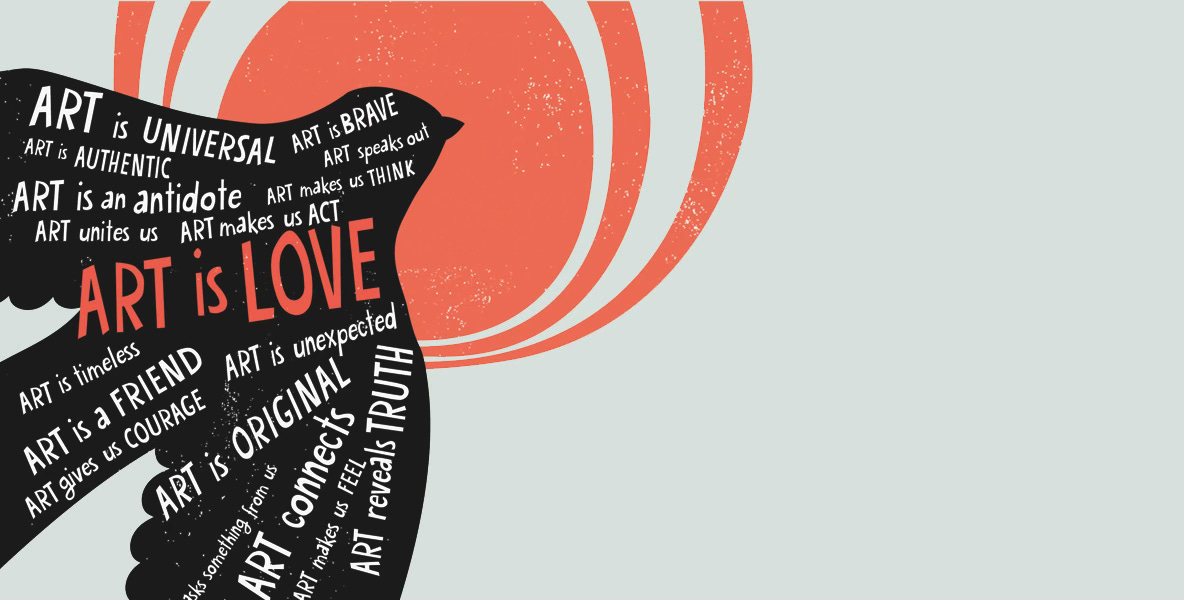
ART is LOVE.
Open mind. Open heart.
Maria van Lieshout
PS: Tell stories. Make ART🐦⬛
Comments
Nothing yet. Say the first thing.
Sign in to join the conversation.