
Many stories center a hero who follows the archetypal “hero’s journey.” This means that the hero wants something badly, runs into obstacles trying to get it, and emerges from the experience a changed woman. Or man, if you must…
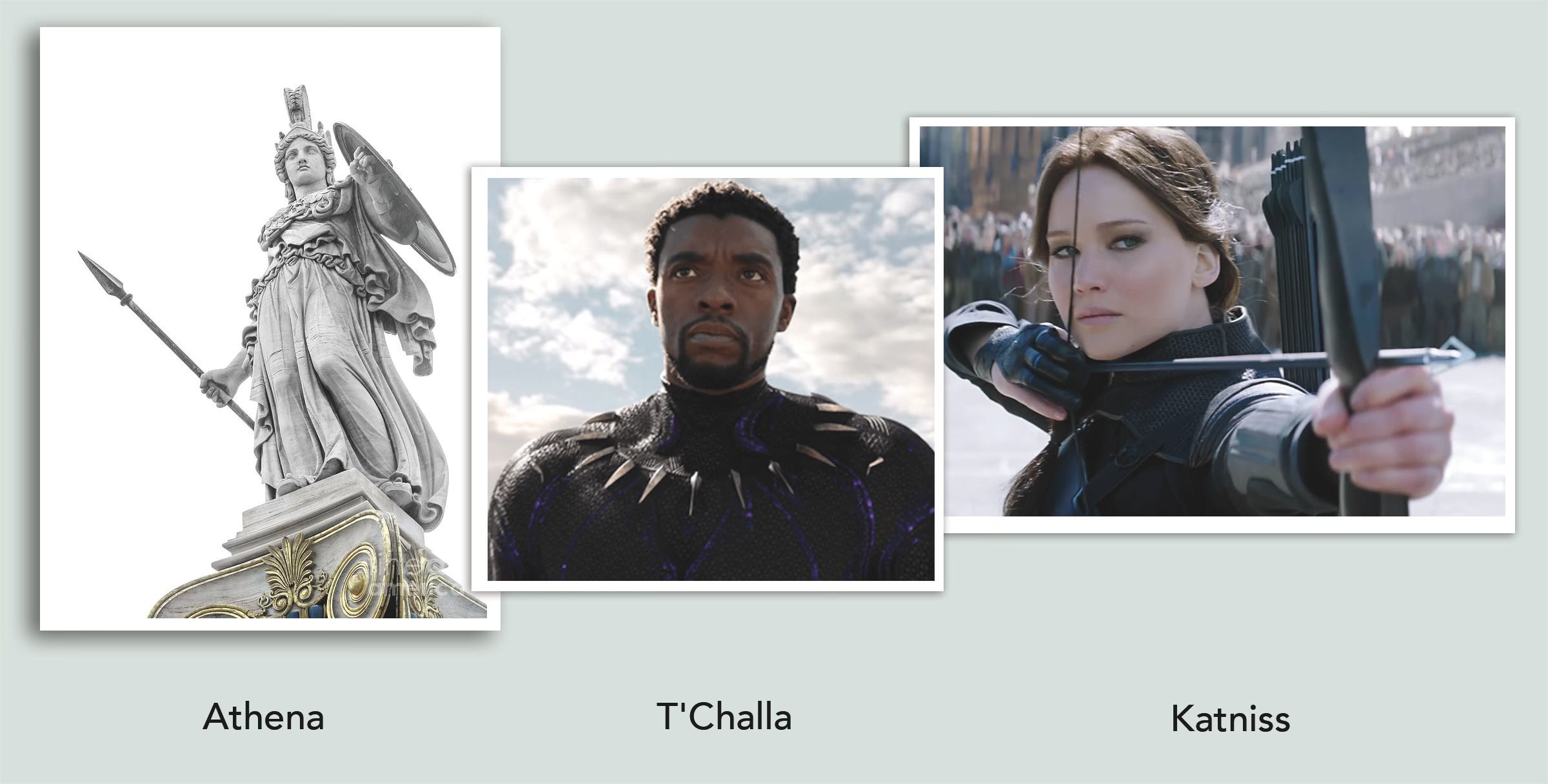
From Athena or Odysseus in ancient Greek mythology to Luke Skywalker in Star Wars, T’Challa in Black Panther and Katniss Everdeen in The Hunger Games, we love rooting for a hero. Bonus points if the hero is an underdog, like Frodo Baggins.
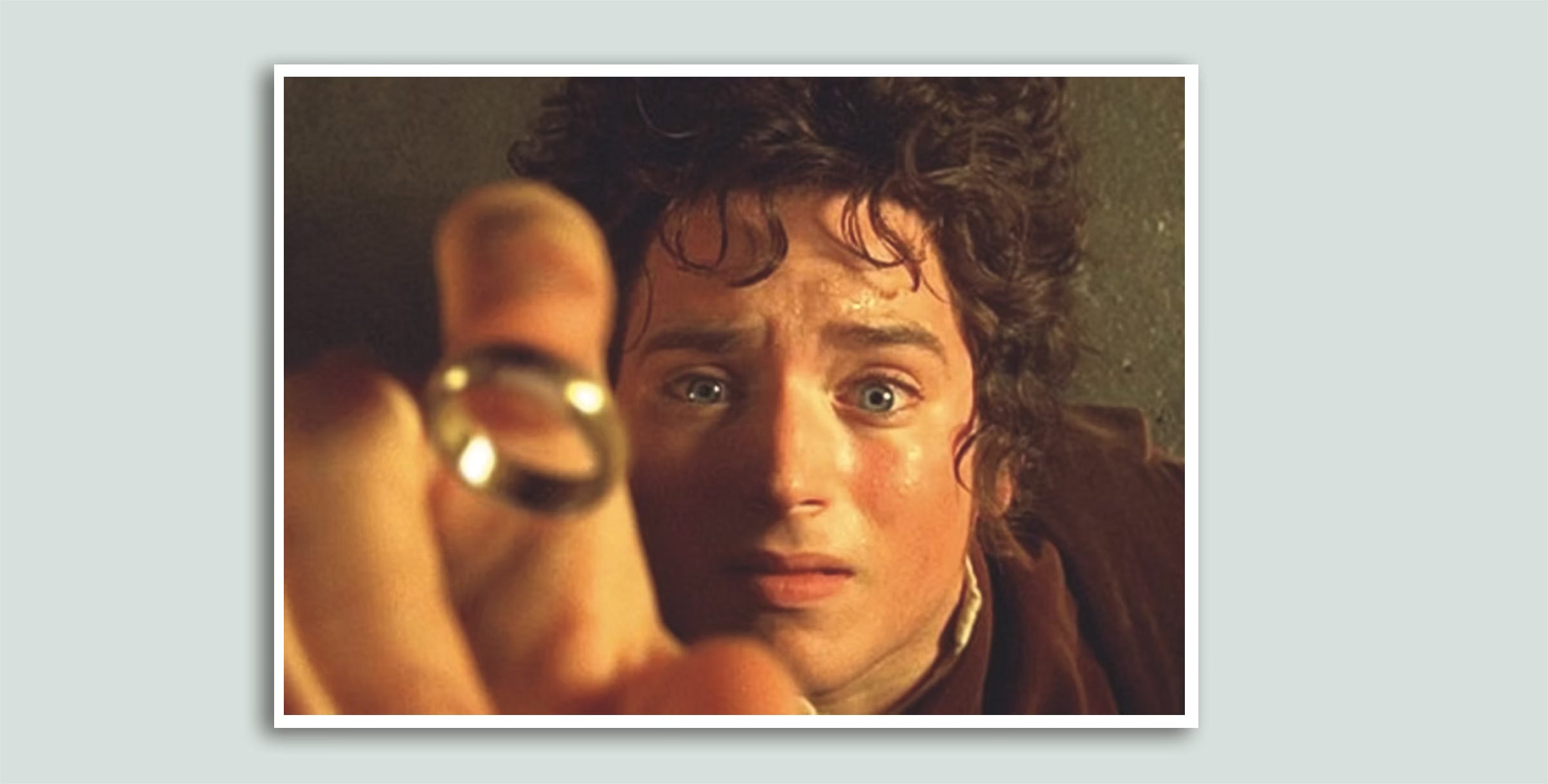
In my graphic novel Song of a Blackbird, that hero is Emma. She wants something so badly (save Soli’s life) that she is willing to risk her own life to achieve it. She loses Erik, the one person who can help her (and who she has a big crush on), but in the end, she pulls off a bank heist that doesn’t just save Soli, but many just like him. By the end of the story, Emma has grown, including in her acceptance of the love between Erik and Margot.
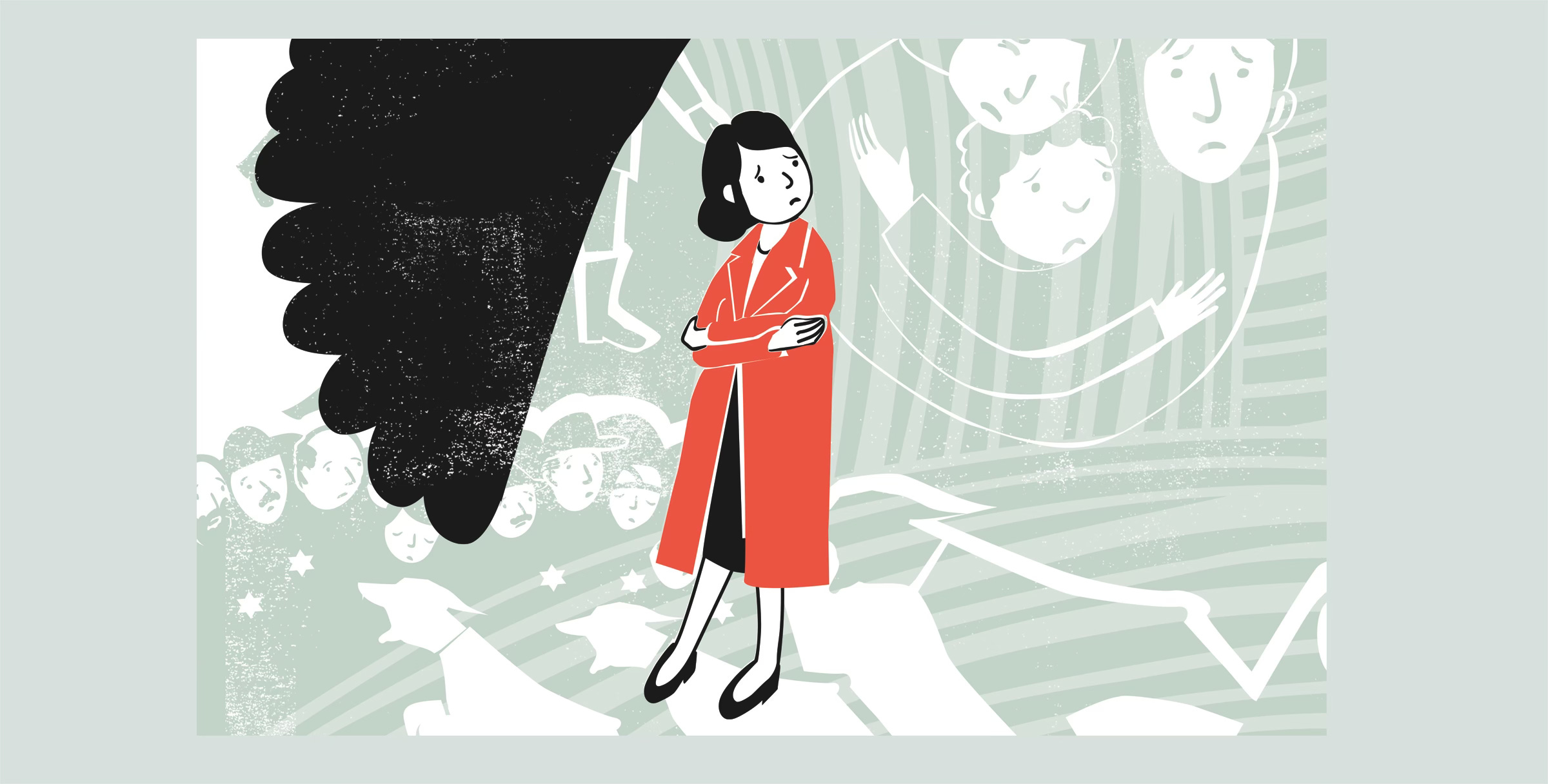
Why did I choose a fictional hero’s journey instead of choosing to create a non-fiction book about the historic events? Weren’t the actual resistance stories heroic enough? They absolutely were, but the events and people that inspired my story are comprised of hundreds of mini-arcs: the rescue of young Jewish children from the Dutch Theater was planned and executed by a group of Jewish childcare workers alongside a long list of non-Jewish students; the forging of identity papers and treasury bills was possible because hundreds of anonymous artists and printers, each with their own expertise, contributed. Hundreds of couriers quietly distributed cash only to disappear when their job was done. Heroic events are rarely pulled off by just a few. They are made possible by many working together - by a movement. A better writer may have pulled off a non-fiction book, but I did not feel equipped to weave these complex events into one story accessible to teens. Instead, I streamlined the story, combined characters and filled in gaps. I created the fictional Emma, whom my reader could root for. Emma was inspired by Hanneke Eikema, a young artist in the Amsterdam Resistance who smuggled children out of the Dutch Theater and worked with the two banker brothers as their courier, but she never forged any treasury bills. That part of the story was inspired by others who did.

In 2022, The Resistance Museum in Amsterdam changed how it talks about WW2 historical figures. Following the war, there had been a rather black-and-white way of discussing how the Dutch had conducted themselves under Nazi occupation: a person was classified as either goed (a resister) or fout (a collaborator), while the reality was much more nuanced. There were resisters who sacrificed their lives to fight the Nazi regime, and there were collaborators who actively helped the Nazis find and kill Jewish people, but most Dutch people fell somewhere on the spectrum in between those two extremes, with the majority simply keeping their heads down and hoping to live another day. It was this reality that led the Resistance Museum to de-emphasize the iconic “resistance heroes” while including the human stories behind those who collaborated with the Nazis.
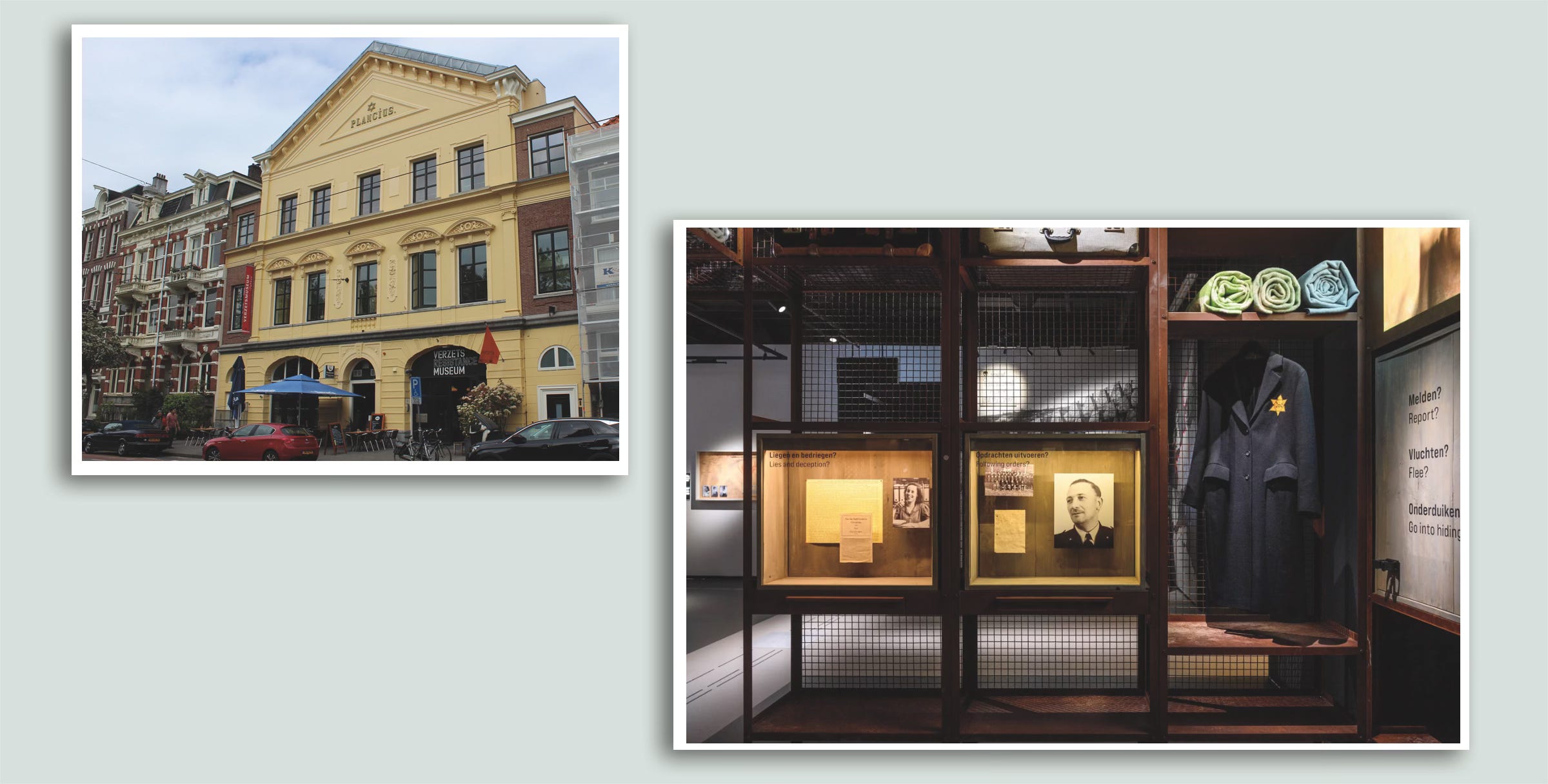
What followed was public outcry. People were furious that the narratives appeared to have been equalized. The niece of a Jewish resister wrote, “The leveling of narratives left the impression that the Jewish and non-Jewish resistance fighters were ordinary people, just like the Jew hunters and murderers.”
I appreciate the museum’s decision to show that many collaborators were ordinary people. It warns us how effortlessly someone can be taken in by extreme ideology. A warning that is more timely now than ever.
But I also feel it is important to elevate those who did make the courageous choice to resist, especially if that choice came at a high cost. We need heroes to inspire us to make a similar choice if needed.
Even if that elevation comes with risk.

Devastating news recently surfaced about Latino civil rights icon César Chávez, one of the founders of the farmworkers movement, which has been pivotal in securing bargaining agreements for workers. The recently revealed abuse at his hands taints the movement’s legacy.
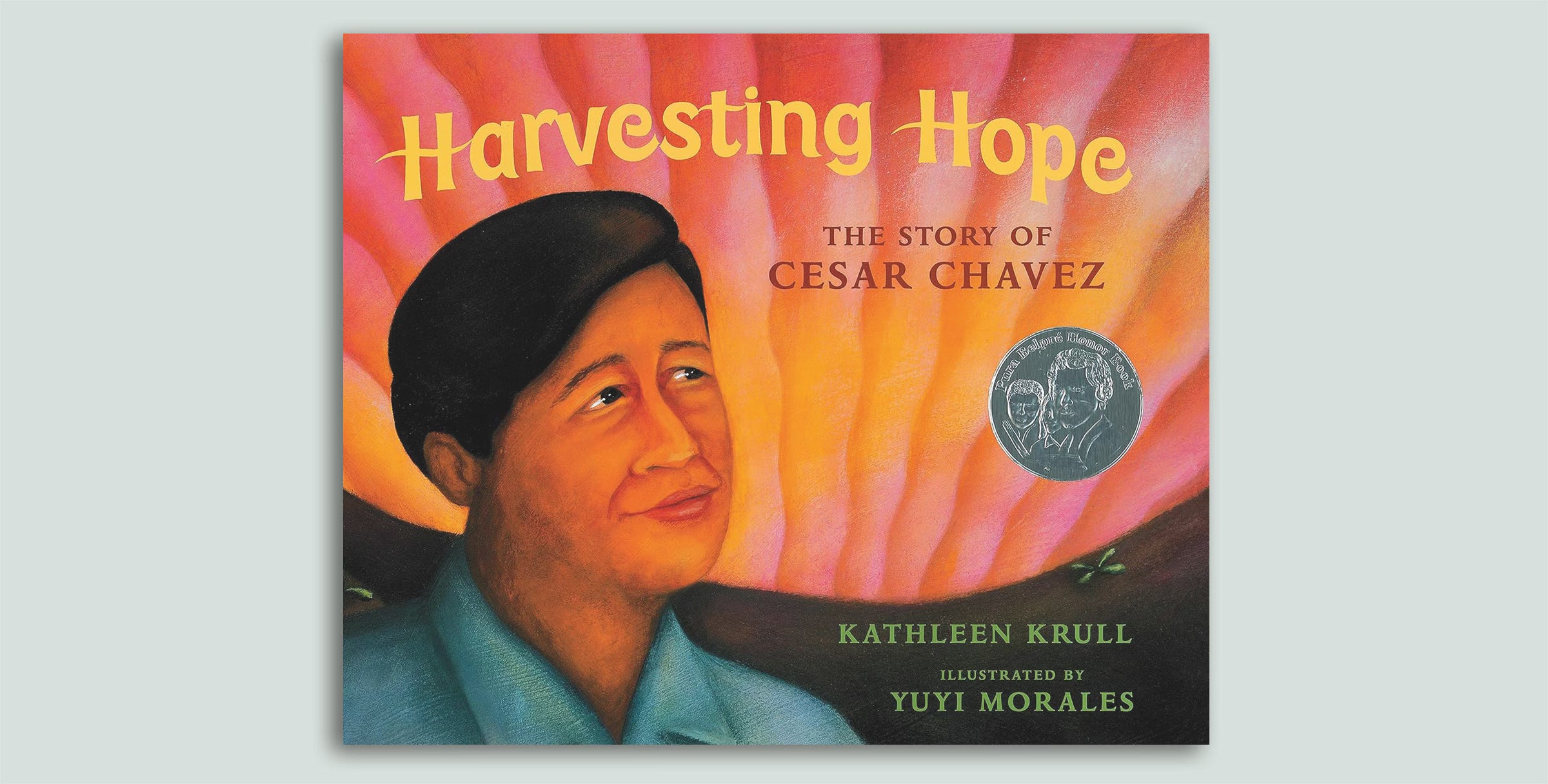
My longtime friend and critique group pal Yuyi Morales illustrated the stunning Pura Belpré Honor-winning picture book about César Chávez. After the news broke, Yuyi expressed her grief in a social media post, questioning whether we should make books focused on individuals as heroes at all. She wonders whether we should write books about the communities behind those heroes instead.

I wholeheartedly agree with Yuyi that a hero cannot overshadow a movement. And I’m open to the idea that writing in an accessible and compelling way about an entire movement may ultimately be more honest (and more inspiring) than centering one hero. I also know that if there is one person who can pull that off in a way that kids can relate to, it is Yuyi.

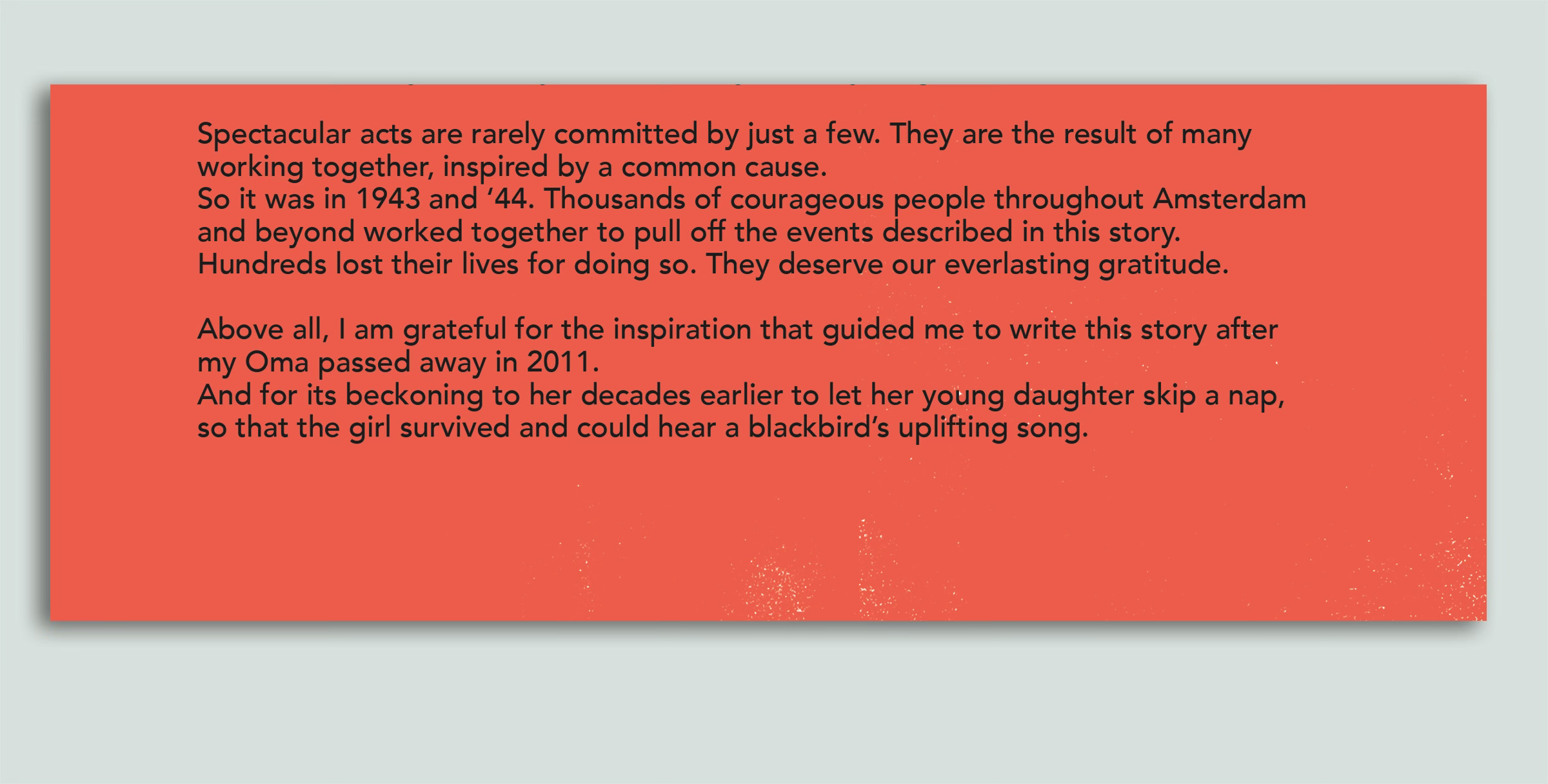
The best way I felt I could shine a spotlight the movement that inspired the heroes in my book was by writing about the resistance movement in the book’s substantial back matter. Worth noting: I wrote the back matter first, before creating and drawing the fictional story. It was my starting point. I knew I had to get that right before embarking on Emma’s journey. And when I am invited to speak at schools, I speak predominantly about the historical figures who led the movement, including about the fact that some were flawed people who saved lives while hurting and deceiving those close to them. For now, my role in this is to be honest about the fact that actual stories about real humans are rarely tidy, even if we wish they were. And perhaps the true inspiration lies here: we can choose to do the right thing, even if we are less than perfect, even if we are just human.
Open mind. Open heart.
Maria van Lieshout
PS: Tell stories. Make ART🐦⬛
Comments
Nothing yet. Say the first thing.
Sign in to join the conversation.