
For years, photographers were taught to avoid lens flare. Keep the sun away from the front of the lens. Use the lens hood. Protect contrast. If a bright coloured shape appeared across the frame, something had gone wrong.
Technically, that advice makes sense. Flare is stray light reflecting between the glass elements inside a lens. It can reduce contrast, wash colour across the photograph and produce circles or polygons that were never present in the scene. Lens manufacturers spend considerable time developing coatings to suppress it.
But photography is not a competition between lens engineers.
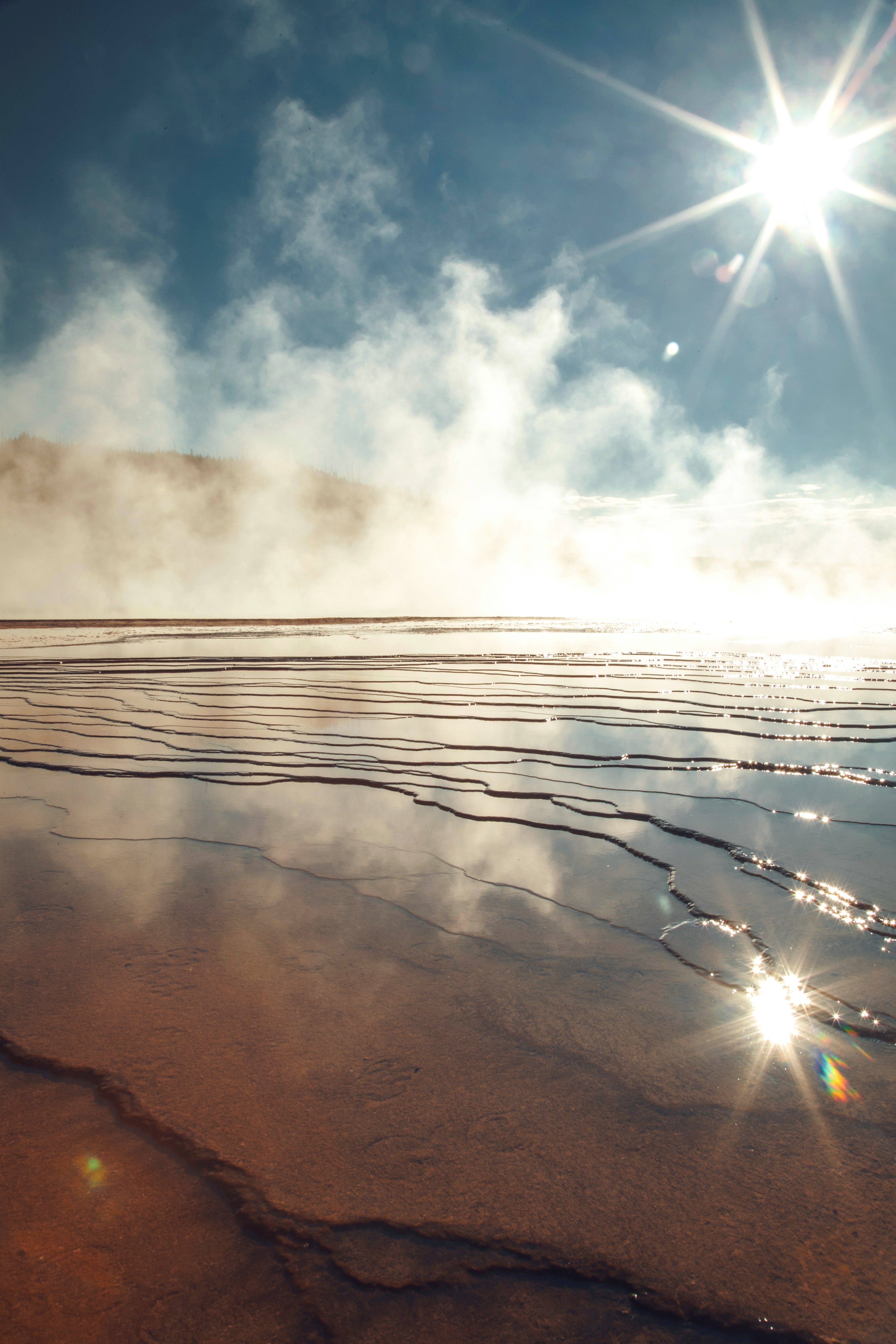
A photograph can be technically imperfect and visually right. Flare can give a hard afternoon a sense of heat, soften a background that is too descriptive, or make an ordinary street feel briefly uncertain. It can suggest glare, memory, dust or the difficulty of looking directly into strong light. None of those things can be measured on a sharpness chart.
The important question is not, “Does this photograph contain flare?” It is, “What is the flare doing?”
There is a difference between deliberate flare and flare that we excuse afterwards. Deliberate does not mean that you know exactly where every coloured circle will land. Light is less obedient than that. It means you noticed what was happening, changed your position, made another frame and decided whether the result helped.
Good flare supports the photograph. It may lead the eye towards a figure, create a veil between foreground and background, or interrupt an area that was otherwise too empty. It can also become part of the emotional temperature of the scene.
Bad flare merely sits on top of the picture. It covers the important gesture, drains contrast from the subject or becomes more interesting than everything else in the frame. If removing the flare reveals that there was no photograph underneath it, the flare was decoration, not intention.
That distinction matters. An effect cannot rescue a weak picture. It can only change the way a good one speaks.
Flare begins with backlight or strong light entering the lens from an angle. Before lifting the camera, look at what that light is already doing. Is it separating a person from the background? Is it illuminating smoke, hair, rain or dust? Are the shadows giving the frame structure, or is everything simply becoming pale?
Then move. A few centimetres can change the flare completely. The sun disappears behind a wall, returns beside a shoulder, or breaks through the leaves of a tree. Contrast rises and falls. A coloured shape travels from the corner towards the centre.
The camera position is doing more work than the camera setting.
The rest of this lesson explains five practical ways to create and control lens flare, how to judge it in the frame, a simple voluntary exercise for learning what your own lenses do in strong light and a downloadable guide.
Paid subscribers also have access to the growing archive of photography lessons, practical assignments, location guides and members-only discussions. The archive is designed to be returned to, not hurried through: a working reference for seeing, light, composition and the decisions we make before pressing the shutter.
Comments
Nothing yet. Say the first thing.
Sign in to join the conversation.