
For the first time in Earth’s history, one species has acquired the capacity to transform the biosphere on a planetary scale. Through deforestation, industrial agriculture, fossil fuel extraction, pollution, and the rapid alteration of natural habitats, human activity has disrupted ecological systems that took millions of years to evolve. Humans have become a “geological force” capable of altering climate patterns, reshaping landscapes, and the cycles that regulate life.
Can a civilization built on extraction and domination develop a new relationship with the living world—one based not on controlling Nature, but on participating in its regenerative processes? And if the biosphere possesses remarkable capacities for renewal, how much damage can it absorb before those capacities are overwhelmed?
One of the greatest challenges, and a frequently underappreciated fact, is that altering a complex system often leads to one-way changes, crossing thresholds and tipping points beyond which there is no return.
For example, suppose that, by some miracle, we completely stop emitting greenhouse gases, such as carbon dioxide and methane. Even such a drastic measure would not make the greenhouse effect of past emissions disappear. Because once these gases are in the atmosphere they will stay there for centuries. They will not disappear when emissions stop, and will remain in the Earth system, continuing to influence global temperatures, ocean chemistry, and climate patterns long after the original emissions occurred. Even if humanity achieves rapid decarbonization, the planet will continue to experience the delayed effects of past emissions, including intolerable heat waves, devastating floods, rising sea levels, long-term ocean warming and acidification, and persistent disruptions to ecosystems. Some components of the Earth system may cross thresholds beyond which change becomes self-reinforcing, even if we stop immediately all ecologically harmful activities. Reducing the cause of a disturbance does not necessarily reverse the effects. The climate system has memory, and some responses unfold over decades, centuries, or even millennia. Rapid decarbonization can greatly reduce future damage, but it cannot erase the physical consequences of past emissions.
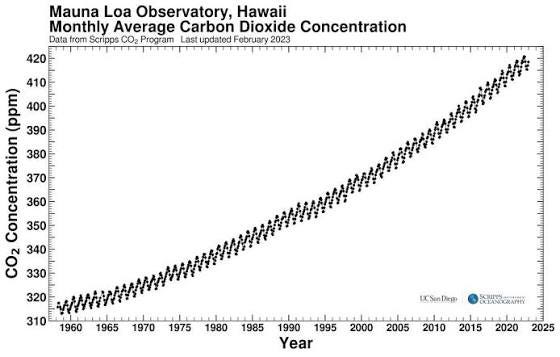
We are now surpassing the 1.5°C warming threshold above pre-industrial levels, entering a period of increasingly severe climatic disruption. Even if we stop emission we will stay at 1.5°C for generations to come. But most likely we will go far beyond this and reach 3°C warming. In a 3°C warming world, extreme heat waves, droughts, floods, and wildfires would become far more frequent and severe, affecting billions of people and straining food, water, and energy systems. And there will be no way back.
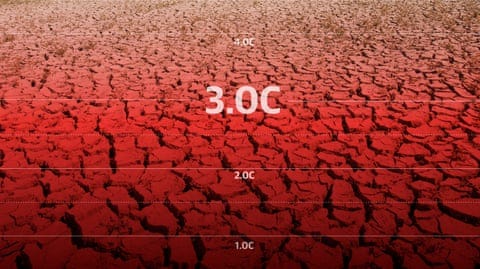
Thus, the real issue is not merely how we can create a world in which clean energy replaces fossil fuels, greenhouse gas emissions are halted, and the barbaric exploitation of Nature comes to an end. This is undoubtedly the most urgent and pressing challenge facing humanity today. Yet, in the longer term, the deeper question is how we can restore the disrupted balance of the Earth system without waiting for the processes of Nature to unfold over geological timescales. How can a civilization that thinks in decades respond adequately to changes unfolding over centuries? Or will humanity have to accept a future in which we merely adapt to an increasingly hostile natural environment?
However, there is hope on the horizon. This doom-and-gloom scenario is based on our current understanding of how complex systems behave. These predictions may prove to be overly pessimistic: Nature might possess a greater capacity for self-regeneration and recovery than we have assumed. Could it be that the regenerative capacities of the biosphere are far greater than we currently imagine?
Again and again, Nature has surprised scientists with its ability to recover from disturbances that once seemed catastrophic and irreversible. Ecosystems devastated by volcanic eruptions, industrial exploitation, species loss, or even nuclear accidents have in some cases rebounded with a speed and creativity that defied expert expectations. There are many cases where ecosystems recovered in ways that scientists either did not predict at all, or predicted would take far longer.
Here are a few notable examples.
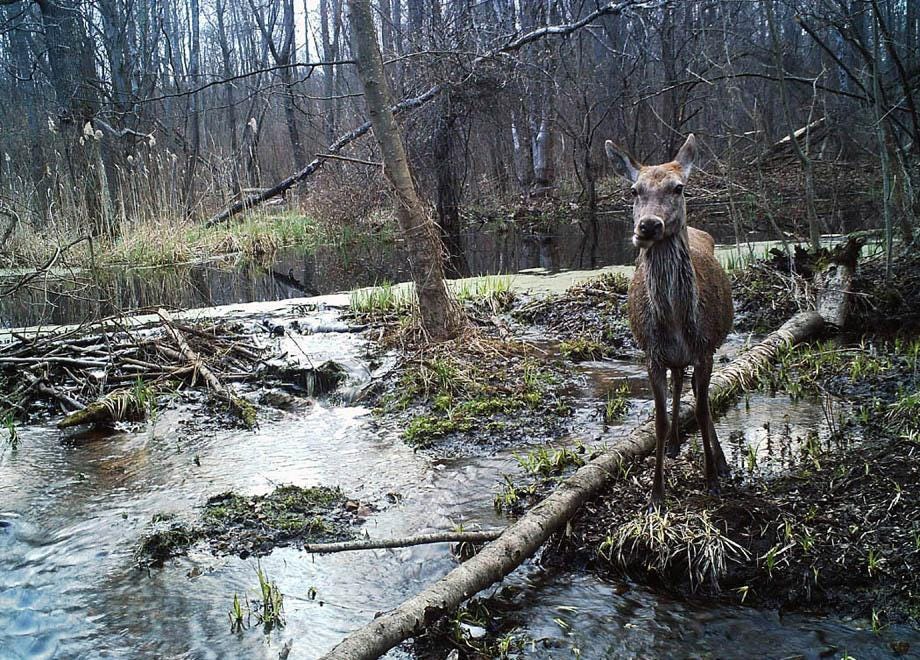
The Return of Life Around Chernobyl: After the 1986 nuclear accident, many expected the region to remain a biological wasteland for centuries. While radiation certainly caused damage, the removal of intensive human activity allowed wildlife populations to rebound dramatically. Wolves, lynx, elk, beavers, and numerous bird species expanded throughout the exclusion zone. The area became an unexpected experiment showing that, for many species, the absence of humans can outweigh the ecological costs of chronic radiation exposure.
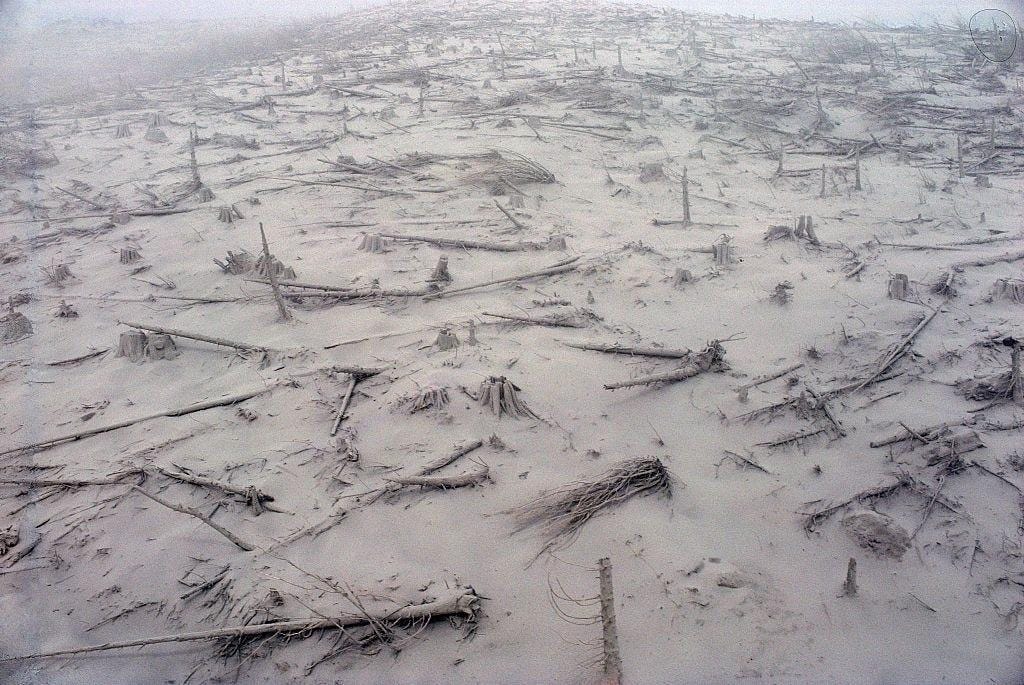
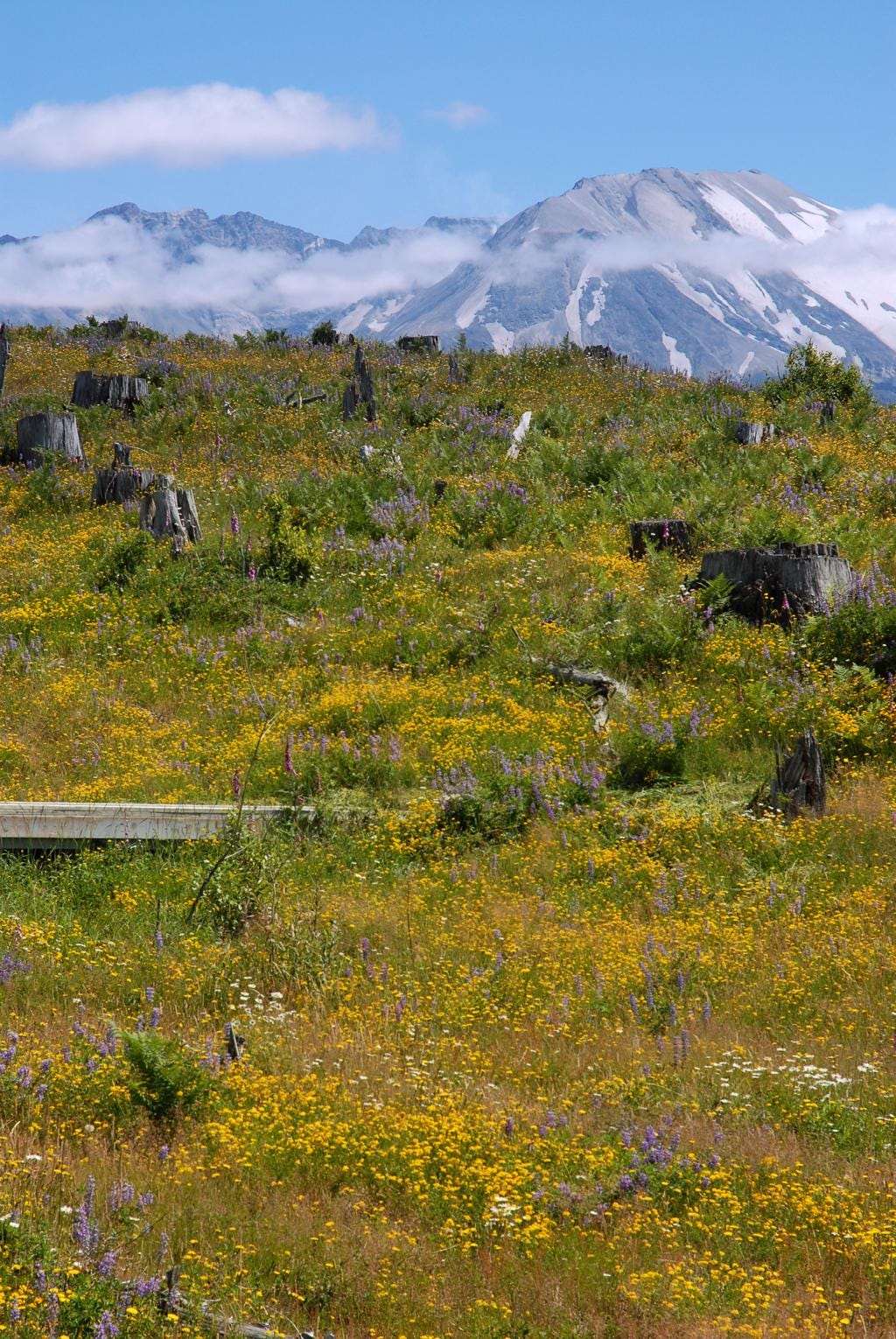
Mount St. Helens Ecosystem Recovery: When the volcano erupted in 1980, many ecologists thought recovery would proceed very slowly because vast areas appeared completely sterilized. Instead, surviving organisms hidden underground, in lakes, and beneath snow patches became nuclei for rapid recolonization. Ecologists discovered that ecosystems often contain “biological legacies” that can dramatically accelerate regeneration.
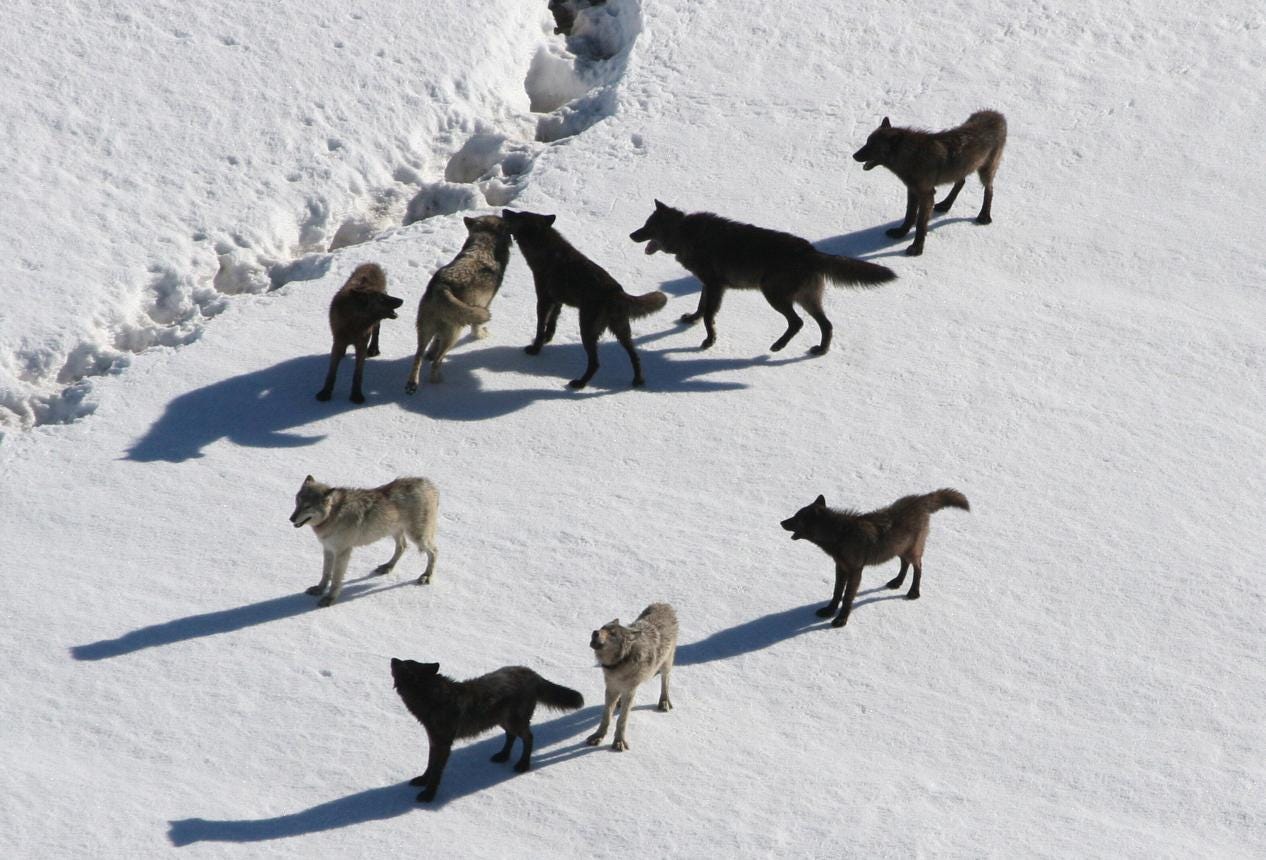
Yellowstone After Wolf Reintroduction: When wolves were reintroduced in 1995, ecologists expected effects on elk populations. What surprised many was the extent of the resulting trophic cascade. Changes in elk behavior allowed willow and aspen stands to recover, which benefited beavers, songbirds, and river ecosystems. The scale of ecosystem-wide consequences exceeded many initial expectations.
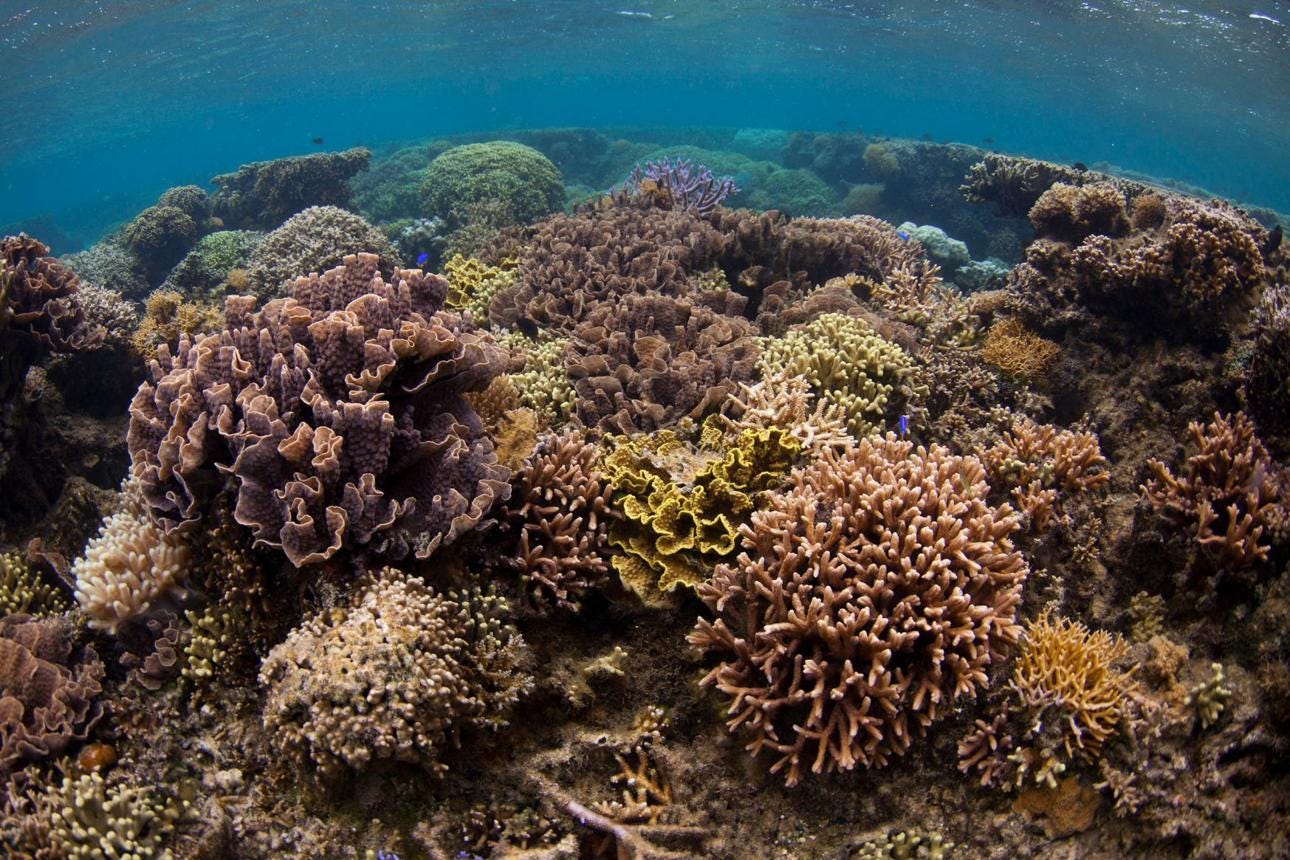
Recovery of Marine Life in No-Take Reserves: Numerous marine reserves around the world have shown fish biomass increasing by several hundred percent within a few decades. In some cases, populations recovered far faster than fisheries scientists had projected, revealing previously underestimated or even unknown capacities.
Forests are among the most remarkable examples of Nature’s resilience and self-restoring capacity. When storms, fires, or human activities do not push an ecosystem beyond its critical thresholds, forests can gradually regenerate through natural processes and reestablish complex ecological networks. Over decades or centuries, a damaged forest may recover much of its structure and biodiversity without direct human intervention. Some leading researchers claim that the best solution for forest restoration is simple: doing nothing and letting Nature take its course.
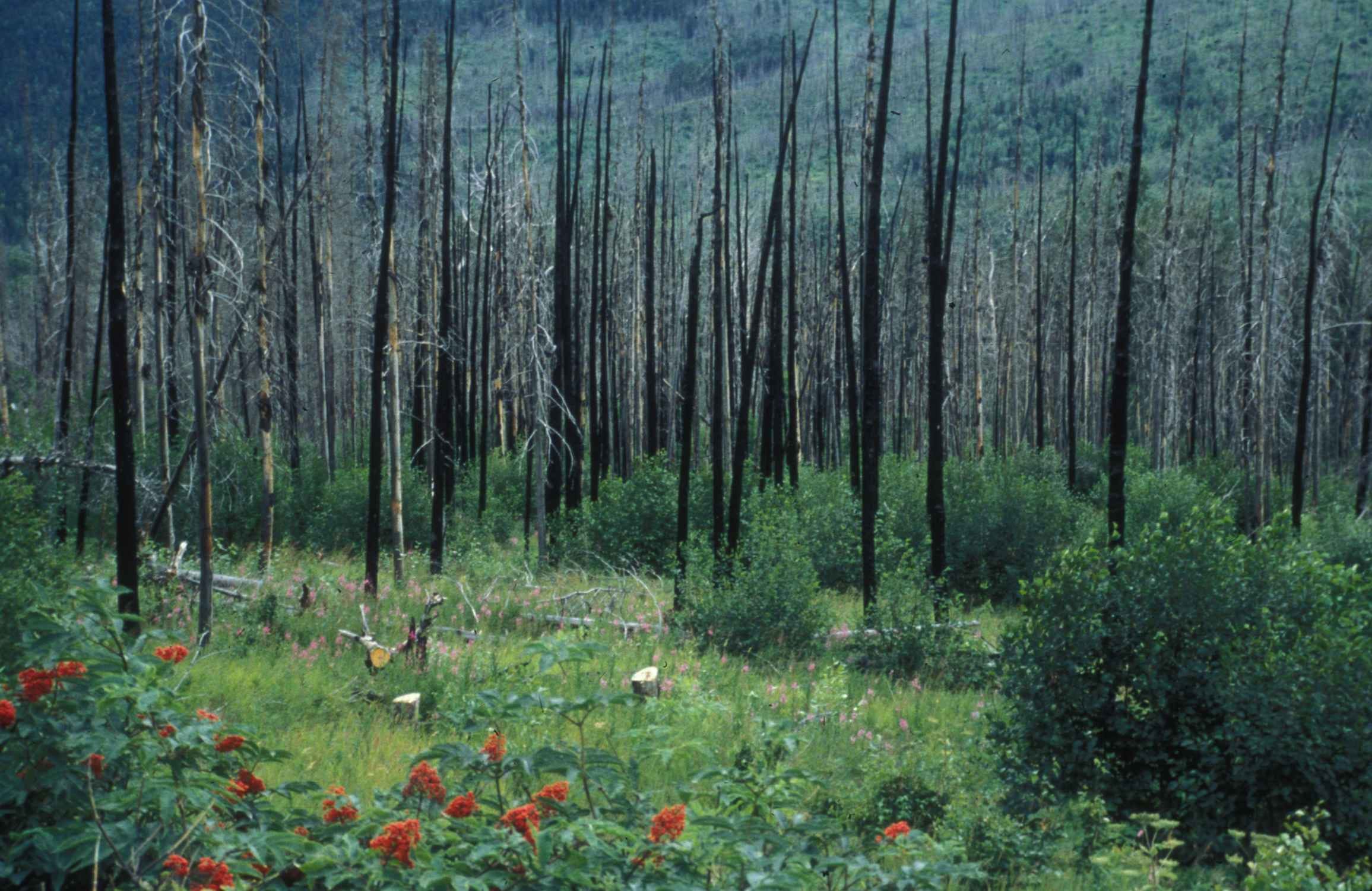
These examples highlight an important lesson in ecology: ecosystems are often more resilient, adaptive, and self-organizing than reductionist models initially suggest. Ecologists today increasingly recognize that nonlinear feedbacks, hidden reservoirs of biodiversity, dormant seeds, and species interactions can produce recoveries that appear almost miraculous when viewed through the lens of earlier predictions.
The question is whether these are merely isolated examples of ecological resilience, or do they point to a deeper principle operating within the living world? Might the biosphere possess forms of self-organization and self-repair that our current models still struggle to capture? And if this is so, what does it imply about the Gaia hypothesis proposed by James Lovelock and Lynn Margulis? If Earth is more than a passive collection of organisms and environments, but rather a complex self-regulating system, should we expect regenerative responses to emerge at planetary scales as well? Could forests, oceans, soils, microbes, and countless other life forms collectively participate in processes that stabilize and renew the conditions for life we destroyed?
The only honest answer is: we don’t know. It may indeed be the case, but I would not blindly bet on the hope that Nature will do the work for us. Resilience has limits; many damaged ecosystems do not recover without intervention, and some cross thresholds beyond which regeneration becomes much more difficult. This overly optimistic view of environmental self-regeneration may well be wishful thinking based on an unwarranted extrapolation from local examples of resilience. The idea that Mother Nature will somehow heal itself is quite common among environmentally and/or spiritually minded people. But this may not reflect genuine wisdom; on the contrary, it may represent an unconscious desire to continue with business as usual. It is a temptation to interpret every instance of ecological recovery as evidence of an almost limitless regenerative capacity because it relieves us of responsibility. And how can we distinguish between a realistic appreciation of the biosphere’s self-organizing powers and a comforting narrative that allows us to postpone difficult economic, political, and cultural changes?
My answer is the old adage that we should hope for the best while also preparing for the worst. I think that some form of geoengineering will be inevitable. But unless we first grow in wisdom, we will not be able to do so without triggering yet another cycle of unintended and potentially disastrous consequences, comparable to the large-scale “geoengineering” of the past couple of centuries. There must be a relationship between humans and Nature grounded in a deeply spiritual and ecological perspective. The role of an advanced civilization that has progressed not only technologically but also spiritually and morally should be neither one of domination nor one of passive subjugation. Rather, it should be a role of service and stewardship. This means serving the Earth, listening to its needs, and acting as caretakers rather than masters. The question shifts from “How can we use Nature?” to “How can we support the flourishing of life?” By participating consciously in the Earth’s own healing process, humans embrace their unique responsibility, because consciousness brings with it an ethical obligation.
From this perspective, the ecological crisis is not merely an environmental challenge but also an opportunity of spiritual growth. Humanity is being called to move beyond an anthropocentric worldview toward an ecocentric and participatory understanding of existence, where we recognize ourselves as an integral expression of the living Earth. We are not there yet, but this shift would represent another step in the evolution and adventure of consciousness.
If you find my work valuable, I would greatly appreciate your support. Explore more of my work and discover my books and courses.
Or you can help me continue by buying me one or more coffees.
Every contribution, big or small, truly means a lot to me—I sincerely mean that. Your support helps me dedicate more time to research, write new articles, and continue creating thoughtful content for this community.
Alternatively, you can…
Thank you for being part of this journey! 🙏
Comments
Nothing yet. Say the first thing.
Sign in to join the conversation.