
Sports stars owning their own media platforms has been on the increase for over a decade. AB de Villiers circumvented all official Cricket South Africa communication channels to announce his retirement. He was pissed of with the way he’d been treated in his final season as a contracted player and it was an easy way to assert his independence.
And to drive ‘traffic’ to his social media platforms. And build the audience for his YouTube channel. Make money, that sort of thing. But it’s a peculiar notion that AB de Villiers would want to make a few more dollars from YouTube adverts. He earns heaps endorsing Indian tech products. Same with Kevin Pietersen who is the proud owner of a million followers on his channel.
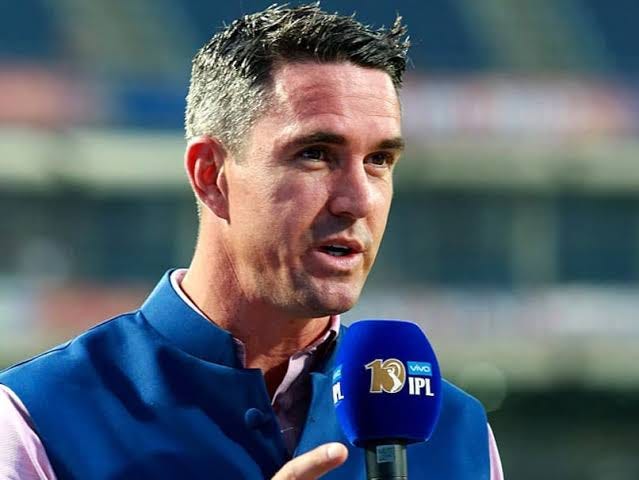
Perhaps, for KP, it’s more about staying relevant and satisfying the urge for the attention on which he thrived on the largest cricket stages. De Villiers was his special guest a few months ago, KP asking a host of soft questions while they were driven around a private game reserve in an expensive, open-top Land Rover. It is evidently popular content.
Less easy to understand is Jos Buttler’s podcast partnership with Stuart Broad. It’s like those biographies that young players launch before their careers are over. Not only is Buttler unlikely to ask any ‘hard’ questions, he’s not ALLOWED to courtesy of his ECB central contract.
Pietersen greatly enjoyed the fact that Ben Stokes had opted to end his post-retirement silence in the company of his former England team-mates, Broady and Jos. He said it signalled the ‘end’ of the traditional press-conference and implied that all conventional media was under threat with the rise of player-owned communication options.
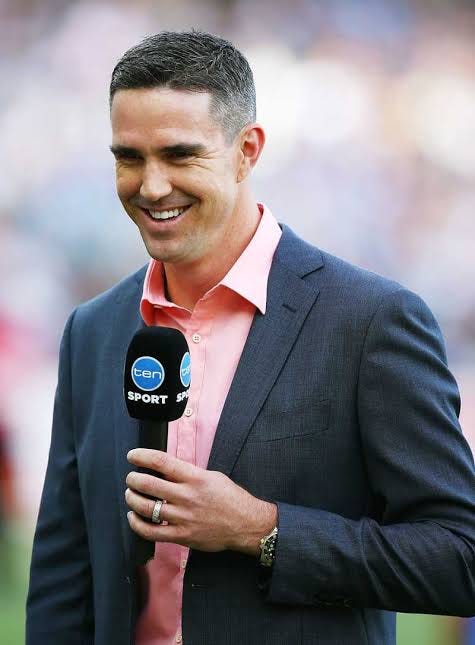
Hopefully he’s right about traditional press conferences. Bloody awful things. They drag on for too long featuring inane questions from people who enjoy the sound of their own voices. Most players hate doing them and, as my friend and podcast co-host Steve Harmison says, “…it’s usually only a matter of time before you say something stupid. You can’t give one-word answers because you look like an arsehole so you end up giving long-winded answers which look stupid in print.”
But it is worth remembering that Pietersen gave an interview to the Sunday Times a couple of weeks ago on condition that his YouTube channel was mentioned. It isn’t clear why he felt the need to promote such an obviously successful, young-audience programme in one of the UK’s oldest-audience traditional newspapers. Perhaps it was the philanthropist in KP shining through, ‘giving back’ to the old media which helped build his reputation.
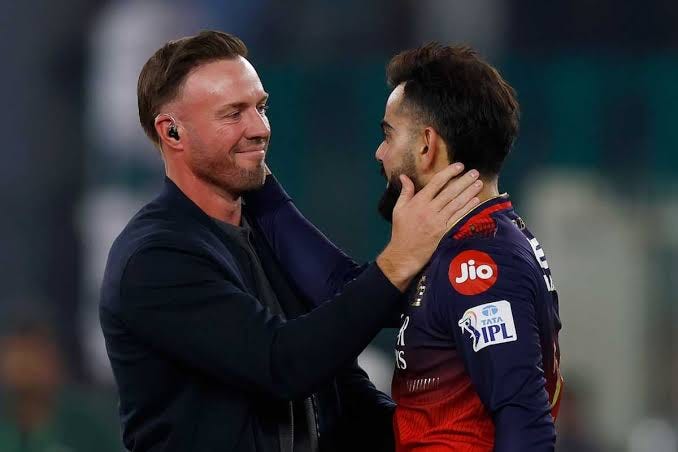
Not only is there no problem with players creating their own media platforms, it’s a good thing. If they attract a young audience on familiar platforms then everybody benefits. If amateur Youtubers, Substackers and podcasters have their noses put out of joint, then so be it. We’ll just have to try harder.
There is a question about players transitioning straight from the field into the commentary box. Not the professionally ethical one because that’s for executive producers to decide, but whether their presence behind the microphone actually attracts new viewers. Does it? How is it measured?
OK, their lack of preparation work and broadcasting knowledge does piss me off. Maybe it’s not their fault. Many are told ‘just turn up, be yourself, and be enthusiastic.’ So former batsmen (mostly) arrive in expensive shirts and shout about things everyone can see for themselves. ‘That’s a fantastic shot!!’ Thank you.
But back to the main topic. If an increasing number of ‘top’ players turn their backs on mainstream, conventional media having reached their profile apex on the back of it, where does it leave future generations of stars? Broadcast organisations which pay millions for rights might still be furnished with interviews on a contractual basis, but they’ll be increasingly wary. Especially if senior players ‘hold back’ in order to save their best answers for their own platform. Or their mates’ channels.
I dread to contemplate writing about the players who missed tours because they sprained an ankle running away from the police or twisted a knee during a drinking game on a Bachelor’s night three days before departure. Or the failed drugs tests which were covered up, or the court cases filed by… never mind.
Taking the piss out of the media doesn’t matter to KP. He’s taken the hits, ridden the crests and falls, worked for them (at inflated rates) and is a wealthy man with his own, increasing revenue stream. It’s hard not to admire that. It’s equally hard not to imagine a world in which conflict replaces respect in the relationship between high-earning sports stars and the considerably less-paid men and women tasked with reporting on their performances and careers.
*The reticence towards ‘paid’ subscribership is completely understandable. I’m also nervous about it. Even though it’s only £4 per month, it’s the idea of ‘committing’ which makes us nervous. But a single ‘coffee’ is only £4 and would be greatly appreciated, if you have the time, inclination and funds. I love doing this column, but it takes time and effort… 😊
No posts
Comments
Nothing yet. Say the first thing.
Sign in to join the conversation.