
“People can say what they like about it, they can love it or hate it, but it’s here to stay and it’s not going anywhere so we have to accept that and make the best of the situation.” The words were spoken by Durham head coach, Ryan Campbell, but they’ve been echoed by many involved in the English domestic game.
Campbell was talking, of course, about The Hundred and the fact that Ben Stokes is not involved in the tournament and has, instead, chosen to return to the ranks of his county and play in the 50-over Metro Bank Cup after his whiz-bang international retirement. England’s most prominent cricketer uninterested in participating in the English game’s flagship competition.
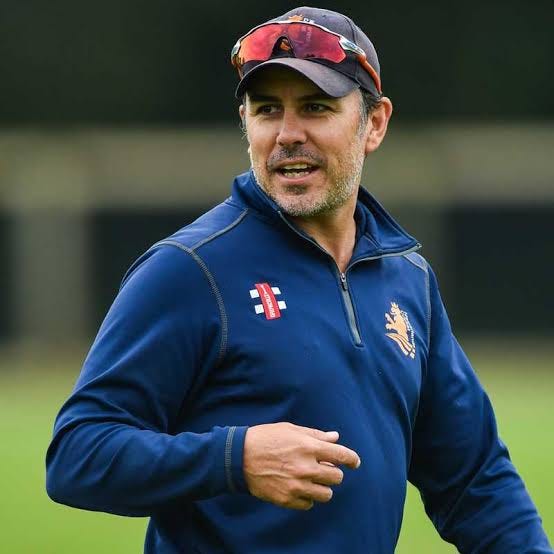
“He chose to give back as much as he could after everything the county has done for him. It’s ‘business as usual’ for the rest of us in the sense that we’re playing the Metro Cup to win it, but yes, Ben is amongst our ranks which makes things a bit different. Club grounds have been sold out for our first two games. 7000 or so tickets. I’m not sure Hundred games have that many spectators…”
Love it or hate it. ‘Hate’ is too strong a word for a cricket tournament although those who use it do so with regard to its consequences rather than the competition itself. The format may be silly but that’s no reason to hate it. The hollowing out of the prime weeks of the English summer, however, does inspire deep resentment.
For me, the disinterest manifested itself in the aftermath of the Hundred Player Auction when Sunrisers Leeds purchased Pakistani spinner, Abrar Ahmed, in defiance of India’s ‘ban’ on the inclusion of Pakistan players in tournaments. Even other country’s tournaments.
“The furore created by the acquisition of a Pakistani player by the Indian owner of a franchise in The Hundred is hardly surprising. Ever since the Mumbai attacks in November 2008, Indian franchise owners have simply ignored Pakistani players for the IPL,” said Sunil Gavaskar in his column for MidDay newspaper.

“Although belated, the realisation that the fees that they pay to a Pakistani player, who then pays income tax to his government which buys arms and weapons, indirectly contributes to the deaths of Indian soldiers and civilians is making Indian entities refrain from even considering having Pakistani artistes and sportspersons,” wrote Gavaskar.
“Whether it is an Indian entity or an overseas subsidiary of the entity that is making the payment, if the owner is Indian then he or she is contributing to the Indian casualties. It’s as simple as that.”
“Daniel Vettori, the coach of the team in The Hundred who hails from New Zealand, may not understand this simple dynamic and so may have wanted some Pakistani players in his team, but surely the owner should have had an understanding of the situation and discouraged the purchase. Is winning a tournament in a format that no other country plays in much more important than Indian lives?”
The words were a shock until I read the next paragraph. Was it a ‘call to arms’? It reads that way:
“It won’t be a surprise that for every game that this team plays, whether at home or away there will be massive demonstrations by Indian fans protesting at this hard-to-believe buying. In fact, it won’t be a surprise that despite having some of the most attractive stroke makers in their team the crowds may stay away and show their disapproval of the decision,” Gavaskar added.
Like the majority of those who do follow The Hundred, I am wholly unqualified to express any valid opinion on the political, military and cultural impasse between the two countries. From a cricketing perspective it is frustrating and saddening, especially that global events need to be shamelessly manipulated to manufacture fixtures between them. The BCCI benefits most (financially) from the schedule jiggery, but every nation is better off (financially) for it.
The ECB issued a statement following Gavaskar’s column and further media speculation that, as Gavaskar said, “it is not too late to correct the wrongs.” It said that they, and The Hundred, advocated ‘inclusivity’ and equal opportunity irrespective of race, culture and gender etc… which was good.
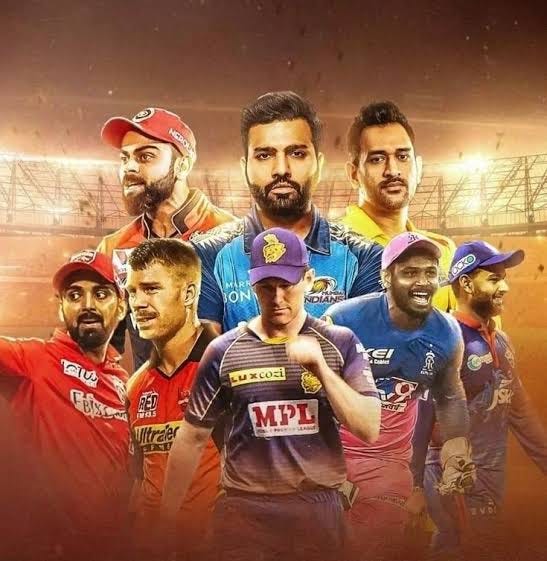
Cricket South Africa had no existing competition to sell before the SA20. Just good venues, weather, players and enthusiasm. They received over 20 credible bids for franchise teams. Those from IPL franchises were over 200% higher than any outside the IPL. They needed the cash and sold to the highest bidders. And the marketing team has done a spectacular job of ‘South Africanising’ the teams. The demands from team owners were high from the start and are increasing not just yearly, but monthly. Undertandably. Several millions of dollars have been paid. Close to ten times less than the fees for Hundred teams. Expect the demands and expectations to increase tenfold.
Cricket Australia and New Zealand Cricket own established products which they believe may be ‘commercially underperforming.’ They’d like to make more money from the Big Bash and the Super Smash. Great angst has been dispensed in debating the pros and cons. There is much to consider beyond money. Many of the other considerations affect money anyway, one way or another.
No posts
Comments
Nothing yet. Say the first thing.
Sign in to join the conversation.