
This article is a summary of a spoken conversation between two human beings. It was condensed into written form using AI, and then edited by a human being.
Watch the Full Interview Here
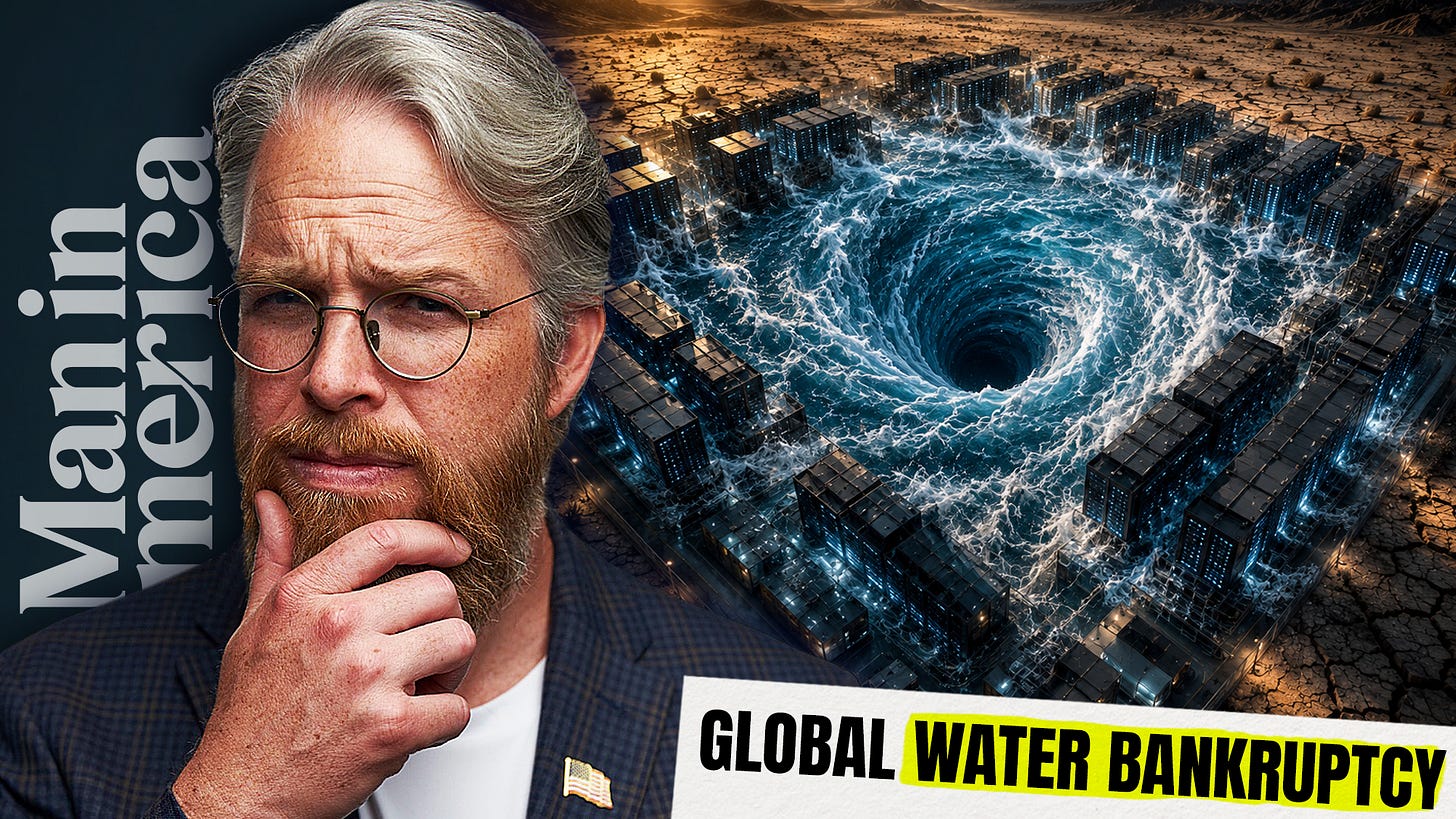
Are your water resources being hijacked by technological giants?
In a world where the buzz of technological advancement often drowns out the cries of nature, a critical issue remains largely unnoticed by the mainstream media: the colossal water consumption by data centers, the very backbone of our digital existence. My guest today, Michael Dillon, an expert in air and water contamination, unveils the harrowing impact of these facilities on our precious water supplies.
“These facilities use so much water for cooling that some are compared to a car that’s constantly on fire needing an endless supply of water that never stops day or night.”
This stark analogy not only paints a vivid picture of the relentless water consumption by data centers but also signals a dire emergency that could lead to stringent water rationing and control in our homes sooner than we might anticipate.
“Chances are that your water comes from the same underground source that’s being drained faster than it can refill.”
This revelation by Dillon is chilling as it highlights a shared vulnerability, irrespective of our geographic or urban boundaries.
As I explore the depths of this issue, it becomes evident that the placement of these data centers is strategically disastrous.
“Now we’re putting these data centers in places that are water drought prone... places like Arizona, where there’s never going to be enough water unless God shifts winds in their favor.”
This strategy not only exacerbates local water scarcity but also indicates a grave oversight or a deliberate disregard for sustainable practices in technological advancements.
The ramifications of such massive water use are manifold, affecting not just the availability of clean drinking water but also the health of our ecosystems and the stability of our communities. The pollution from these centers, as Dillon points out, is not confined to water alone but extends to air quality and soil contamination, creating a ripple effect of environmental degradation.
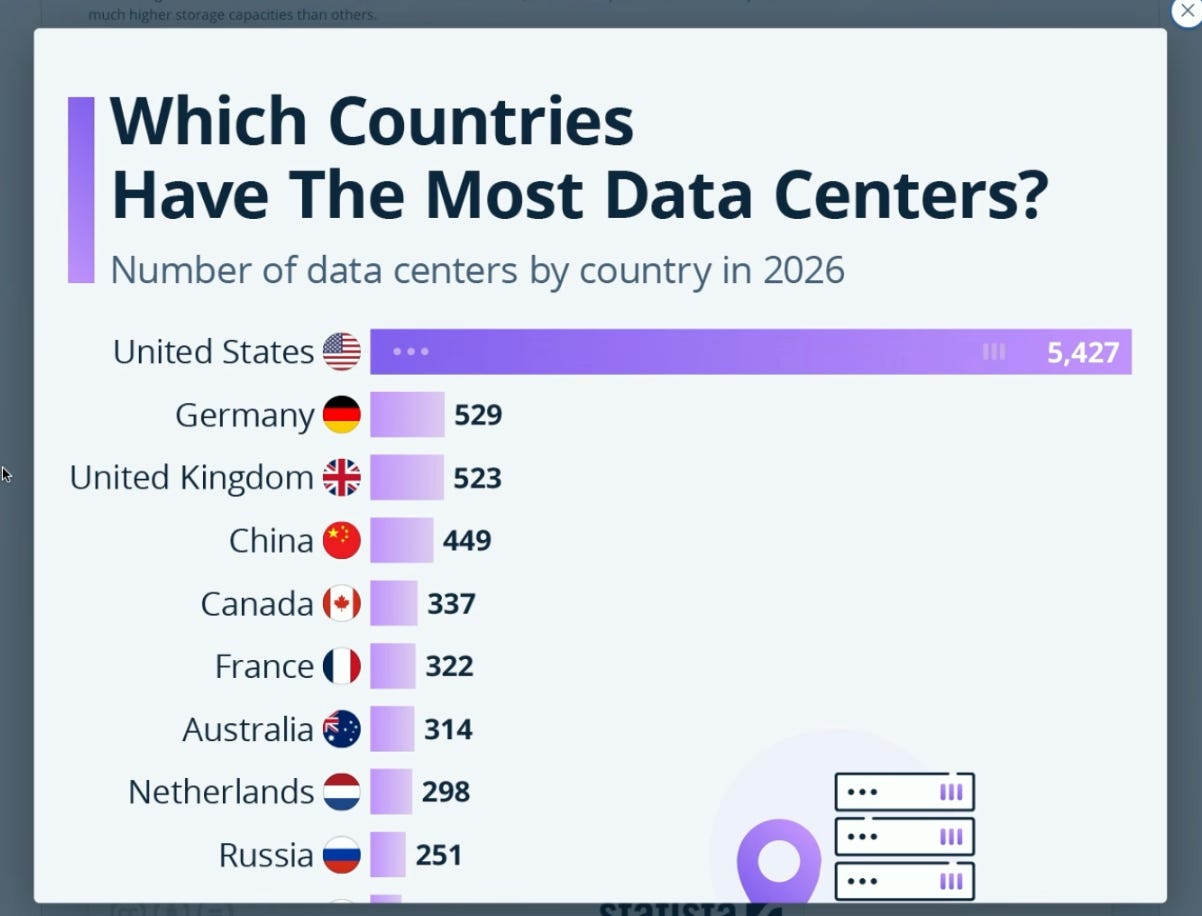
Dillon believes the “AI arms race” story people hear on the news does not match reality. He explains that America already has more data centers than the next several countries combined, and these buildings are not even new technology. They have quietly existed since the 1970s and 80s. What is new, he says, is the scale, and the way these centers are now being framed as simple public safety tools rather than what they really are: a massive surveillance system watching everyday people.
He points to families who have had federal agents show up at their door because a license plate camera flagged their car driving through a neighborhood, or because they vaguely resembled someone caught on a doorbell camera. That kind of tracking, he says, only grows as more of these centers come online.
Dillon and I compare today’s data center boom to the rise and fall of the American shopping mall. Just like malls became mostly empty shells once online shopping took over, these massive buildings could just as easily become obsolete once smaller, more powerful technology takes their place. Dillon notes that plans are already underway for computing power that fits inside a satellite orbiting far above the earth.
That raises a hard question. What happens to the tens of millions of square feet of land, water systems, and diesel generators left behind? Dillon says he has heard from people living near these facilities that the “emergency only” backup generators often run around the clock, adding constant noise and air pollution to nearby neighborhoods.
Dillon worries that water and energy shortages caused by data centers could be used to nudge people toward densely packed “fifteen minute cities,” where nearly everything a person needs is within a short walk or drive. He suggests that if rural families are told their well water will be rationed because it shares an aquifer with a nearby data center, many people may feel forced to move somewhere with guaranteed water and fast internet, even if it means giving up privacy and independence.
I read from an article describing a January 2026 United Nations report that declared the world has entered a state of “global water bankruptcy.” The report states that long term water withdrawals now exceed the rate at which water can naturally refill, calling the damage close to permanent in many areas.
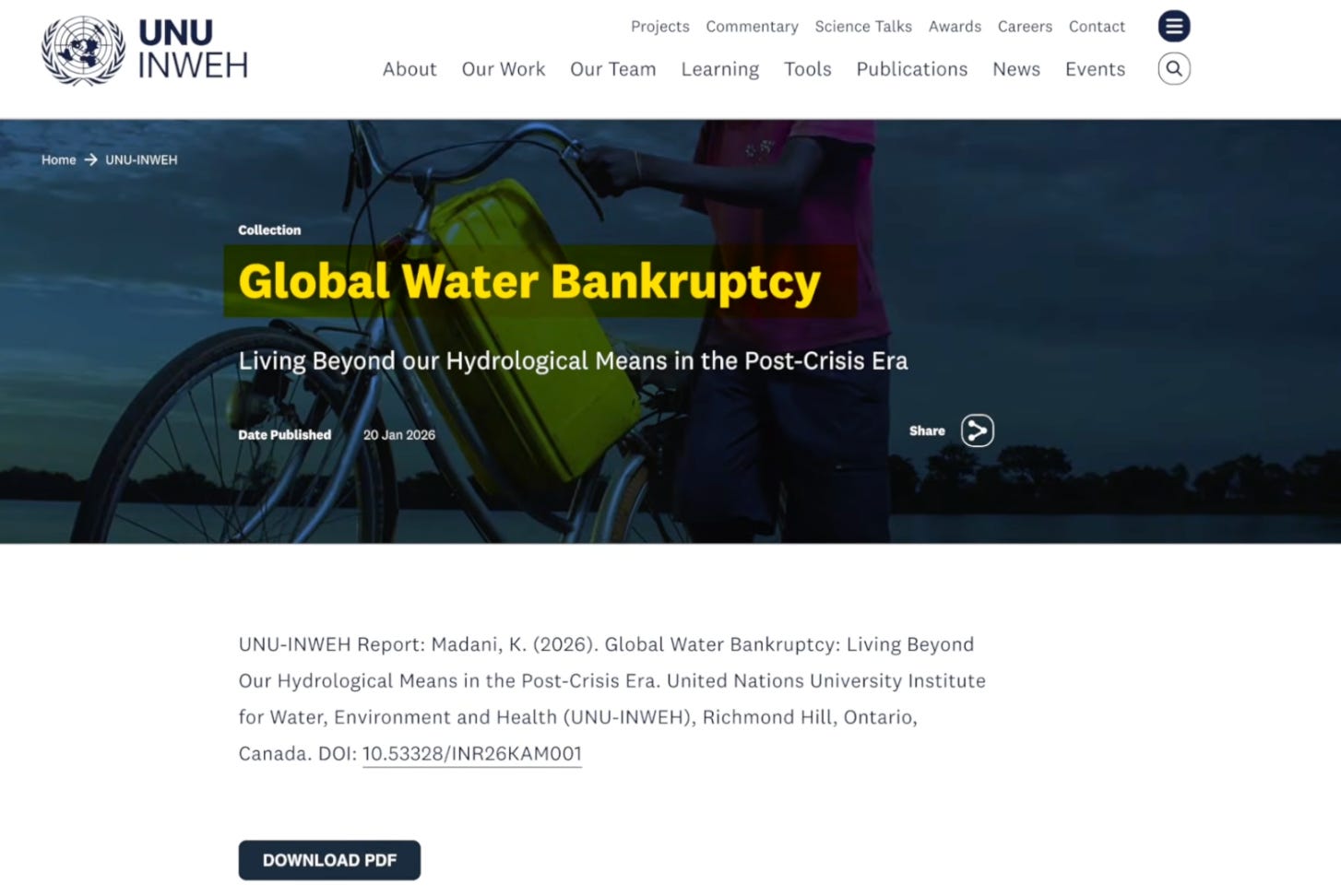
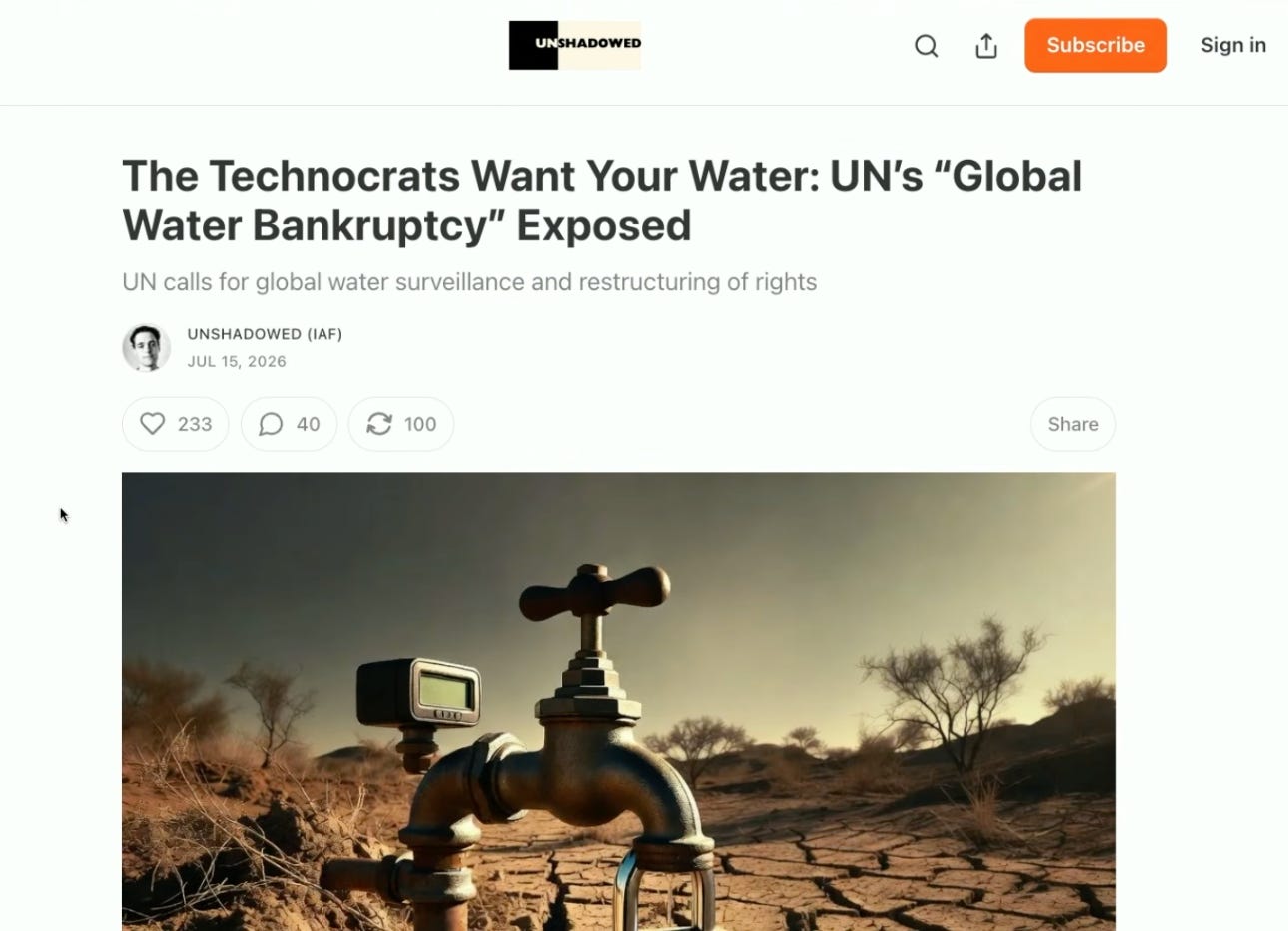
The article I reference argues that the language of “bankruptcy” is intentional. By framing the situation as a financial collapse, the door opens for outside groups to step in and manage the resource going forward, much like a bankruptcy court takes over a company’s assets. The report specifically calls for closer tracking of water use, new limits on how much people and businesses can use, and a “restructuring” of water rights. Dillon and I agree this sounds a lot like the early stages of strict water rationing dressed up in official language.
Dillon and I both point out an uncomfortable double standard. The same wealthy tech leaders pushing this infrastructure are not the ones being asked to cut back. Dillon suggests that if water is truly this scarce, those with the resources to build ocean front property or desalination systems should be doing so, rather than placing water hungry data centers in poor, drought prone communities and then asking everyday families to ration their showers.
Getting into the mechanics, Dillon explains that the computer chips inside a data center run extremely hot, similar to how a home gaming computer heats up a whole room in minutes. Multiply that heat by thousands of powerful chips packed into one building, and plain air cooling isn’t enough. Most facilities use water cooling systems, running water directly around the hot equipment to pull the heat away.
To keep that water from growing algae or bacteria as it circulates, companies add anti freeze style chemicals along with corrosion inhibitors and antimicrobial additives like bromine. A single large data center can use anywhere from one million to five million gallons of water a day, and Dillon questions where that used, chemically treated water actually ends up. Is it sent to a proper treatment facility, or does it simply run off back into the ground and the same aquifer families rely on for drinking water?
Some data centers use firefighting foam containing PFAS, often called “forever chemicals” because they take so long to break down in nature. These chemicals have been linked to cancer, immune system problems, and developmental issues in children. Because many data center contracts are protected by strict non disclosure agreements, nearby communities often have no way of knowing what chemicals are being used or released, even after the facility is built.
Dillon brings up a problem that gets far less attention than water: what happens to the outdated computer equipment once newer, more powerful chips replace it. Each data center holds thousands, sometimes millions, of processors containing lead, copper, nickel, cobalt, and rare earth minerals. As surveillance systems demand newer technology, older equipment gets swapped out at a rapid pace, and Dillon says there is currently no clear answer about where all of that hazardous material ends up, or whether it is leaching into the same soil and groundwater already under strain.
I highlight a free online tool, the AI data center map, created by researcher Sean O’Neir. The map lets anyone look up their own area to see nearby data centers layered on top of regional water stress levels, ranging from low to severe. It also shows a “heat island” effect, meaning temperatures near a cluster of data centers can run several degrees warmer than the surrounding area, which can disrupt local wildlife and weather patterns.
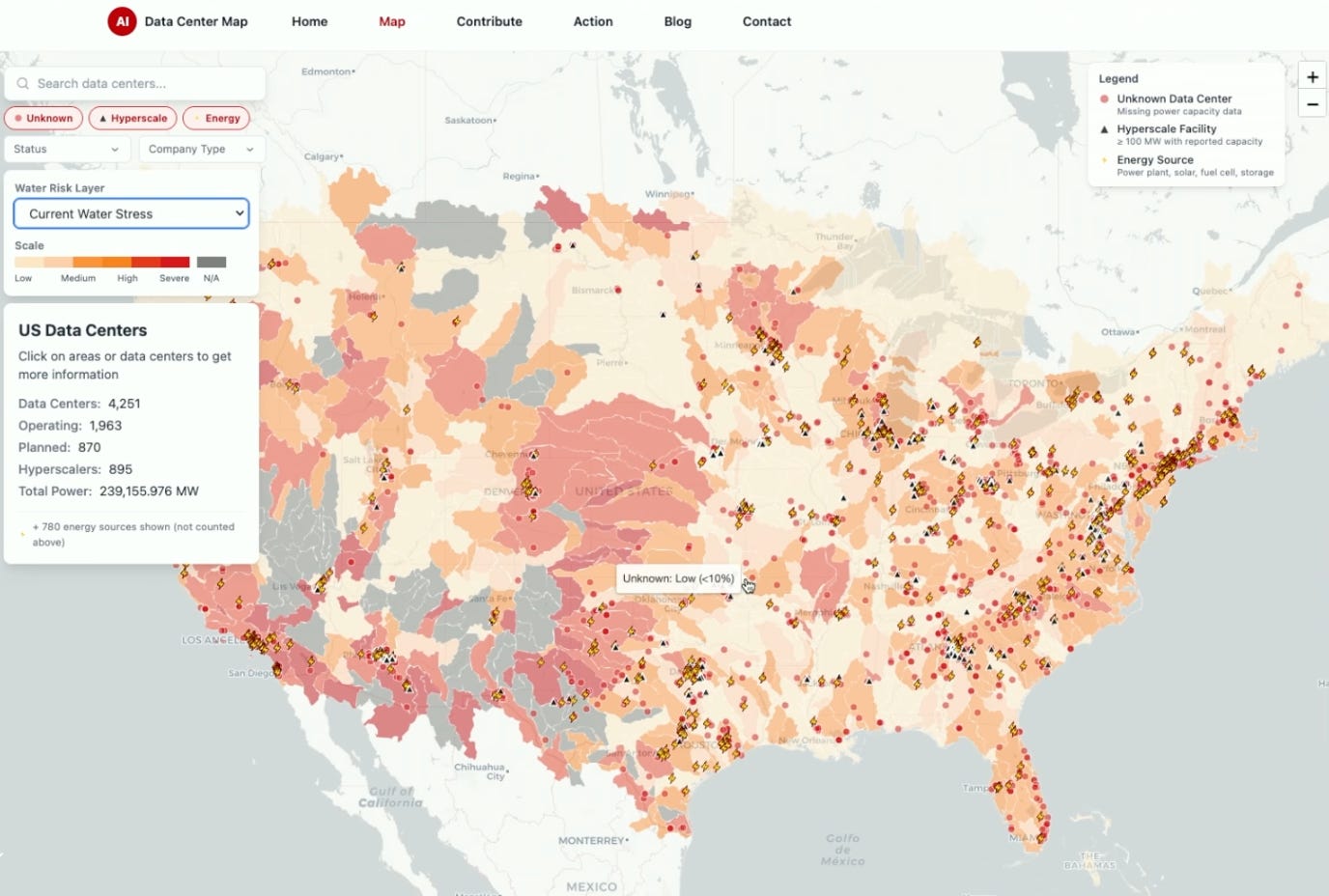
Perhaps most useful, the map lets you click on the major underground aquifers across the country and see exactly how many data centers are drawing from the very same water source that feeds your home, whether you’re on a well or city water.
Given everything data centers are pulling from and putting into the water supply, Dillon walks through practical steps any family can take. He recommends starting simple: install an under the sink reverse osmosis, or RO, system for drinking water. He notes that today’s tankless RO systems are compact, do not require a plumber, and can be installed in about fifteen minutes.
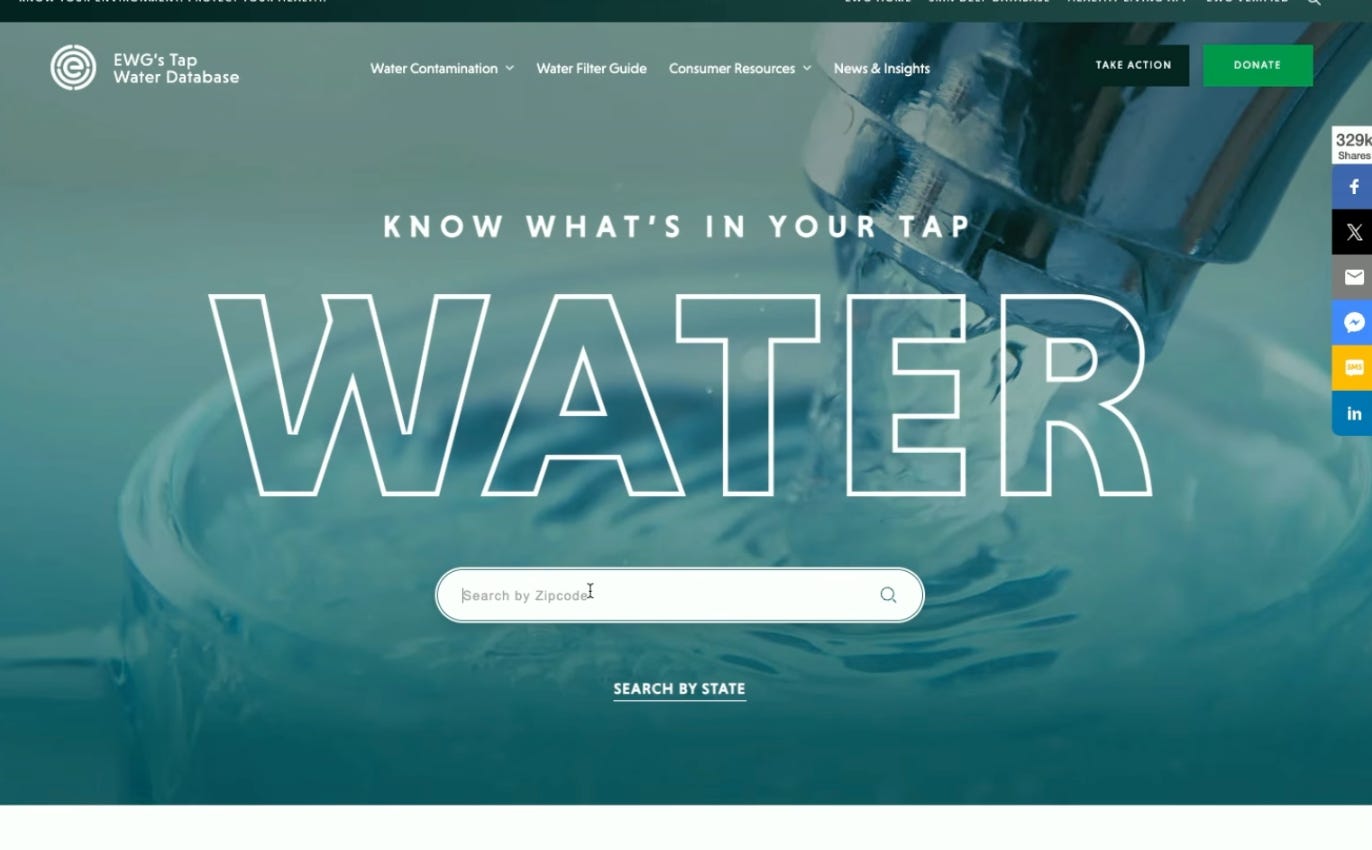
For families wanting to check their own water first, Dillon points to the free tap water database at ewg.org, where you can type in your zip code and see exactly which contaminants show up in your local water supply, along with how those levels compare to health guidelines.
Dillon’s advice for anyone feeling overwhelmed: you don’t need to do everything at once. Start with the water you drink first, since it goes straight into your gut and bloodstream. Then work your way up to a whole home filtration system when you’re ready.
This issue goes far beyond any one political party. It touches something much more basic: who controls the water and power that every family depends on. As Dillon puts it, this is not a fight that will be won unless ordinary people start paying attention, ask harder questions, and take simple steps at home to protect their families while the larger conversation plays out.
If this episode opened your eyes, don’t just scroll past it. Share it with one person in your life who needs to hear this, a neighbor, a family member, someone on a well, or someone who just wants clean water for their grandkids.
Leave a comment below and let me know what steps you’re already taking to protect your own water and air at home.
There is real hope here. Families across the country are already taking small, doable steps, checking their water, filtering their air, and simply paying closer attention, and that matters. You don’t have to fix everything overnight. You just have to start.
If you found value in conversations like this one, consider joining our Ark Community, where you’ll find deeper discussions, direct access to guests, and a group of people who care about the same things you do.
Thanks for reading! This post is public so feel free to share it.
Health & Wellness:
Breathe Purer. Drink Cleaner. Live Healthier: CLICK HERE. Use code SETH to save
Improve cellular function and promote healthy aging: CLICK HERE. Use code MIA to save 25%
Boost your testosterone naturally with clinically backed ingredients: CLICK HERE to save with code SETH.
Protect your family from pesticides, industrial chemicals, and toxic metals hiding in your tap water: CLICK HERE to get $250 off.
Here’s where I buy my Nicotine patches. CLICK HERE. Use promo code SETH to save 20%
Hydrate deeply and give your cells the nutrients they need: CLICK HERE and use code SETH to save
Enhance mental clarity naturally: CLICK HERE and use promo code SETH to save
Healthy gut, healthy brain: CLICK HERE and use code: MANINAMERICA to save 25%
Improve immunity and skin quality: CLICK HERE and use promo code SETH to save.
Heal your body with nature’s original medicine: CLICK HERE and use code MANINAMERICA10 to save 10% on Andrew’s hand-crafted herbal formulas.
Food & Survival:
For high quality storable foods and seeds, CLICK HERE and use promo code SETH to save 15%.
Get everything you need to protect and prepare your family: CLICK HERE
Money & Finance:
Protect your personal and financial freedom: CLICK HERE.
Avoid troubles from IRS: Call (866) 686-1359 or CLICK HERE for your FREE discovery call with Tax Network USA.
Invest in gold & silver: CLICK HERE or call 626-654-1906
Community & Preparedness:
Real community nearby: Join the waitlist for the Ark Community
Test your readiness: CLICK HERE.
Every purchase gives you a quality product or service that Seth personally uses and recommends. And it keeps Man In America going and 100% independent. Thank you for supporting truly independent media!
Comments
Nothing yet. Say the first thing.
Sign in to join the conversation.