
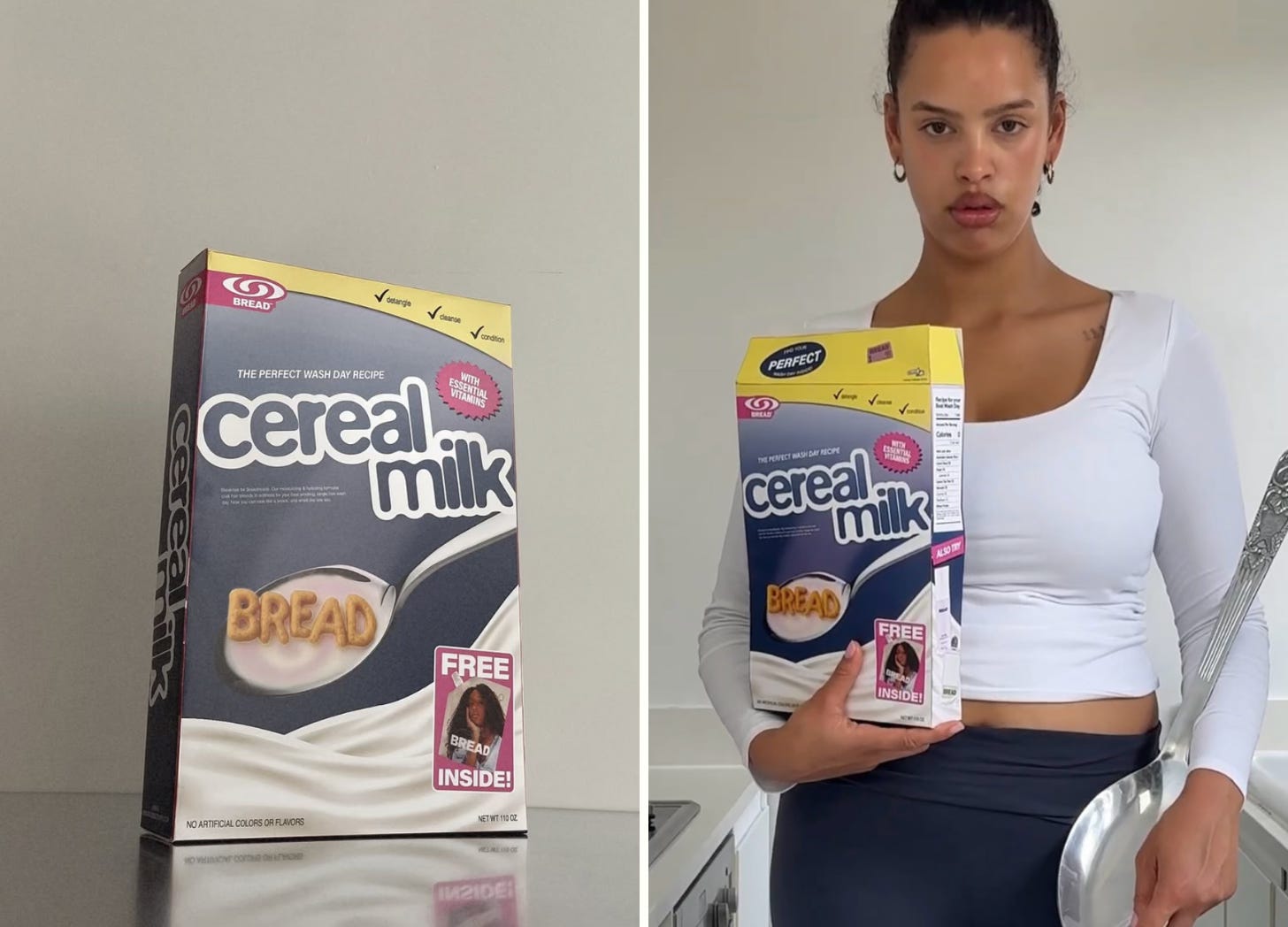
It’s harder to sell on the internet compared to a decade ago. The age of slow content — where simply posting product photos guaranteed sales or conversions — is over. Ever-evolving algorithms and consumer habits, AI, and a post-pandemic world have transformed the zeitgeist. We’re now in a new era that demands thoughtful, creative marketing strategies.
In fact, every generic marketing strategy article these days recommends the Nike brand as the pinnacle of marketing and storytelling, which is not a lie. Nike is known for their compelling ad campaigns: from graphics to visuals, to the narrative arc and even the talent.
But how can a small business barely scraping the six-figure ceiling compete with a multi-billion-dollar franchise?
The pitfall of these articles — like much “essential marketing strategy” content these days — is that they obscure the “how”. Without a playbook, they flatten millions of dollars in ad spend, legacy systems, and corporate messaging down to “good ads” and storytelling.
The reality is that many small businesses lack the systems to compete with legacy organizations that have decades of concrete brand stories and millions of advertising dollars in their marketing arsenal. What follows is inconsistency in storytelling, burnout, and slow execution.
The result is a validation-seeking exercise where small businesses and their marketing teams channel all their resources into sophisticated creatives and channels that may drive attention but hardly contribute to the bottom line.
It also misses the part where not even the ads could prevent the massive drop in sales Nike has contended with in the face of competitors like Adidas and New Balance, who launched powerful hero products. The lesson? Product strategy is not your mate.
But what if you just need to keep it simple?
I once worked with a client and didn’t send them a deck — *gasp*. Because the business didn’t need one more presentation demonstrating my expertise. They also lacked the infrastructure to sustain the type of attention those ads would bring.
Instead, I chose to keep things simple while still leveraging the basic marketing principles behind Nike’s approach.
Treat every campaign like an event, with its own unique story and theme — even if the photoshoot was executed with a phone.
Focus on one message and one perspective so you can build a world around your customer and how they use the product.
Great campaigns are executed through flawless planning. Implement an SOP checklist to ensure things run smoothly.
Create once, repurpose forever.
What most people miss from big brand ads is the basic principle of their message — and how they’re able to repeat it consistently across every channel.
So you don’t need a big budget or a sophisticated ad. You need message clarity and the ability to set the context for your customer in the simplest, most direct terms.
No posts
Comments
Nothing yet. Say the first thing.
Sign in to join the conversation.