
Dr. Edwin Bentley deserves more limelight. Very few in the medical field know of his feats and accolades (and the general public microscopically so). He dedicated his entire life to the service of others, although most remember him solely as a Civil War surgeon. For the last four years, I have not stopped telling Bentley’s story and I have no plans to. This 19th Century figure helped define what it means to be a doctor and public servant. Am I biased? Yes. But am I correct? Absolutely.
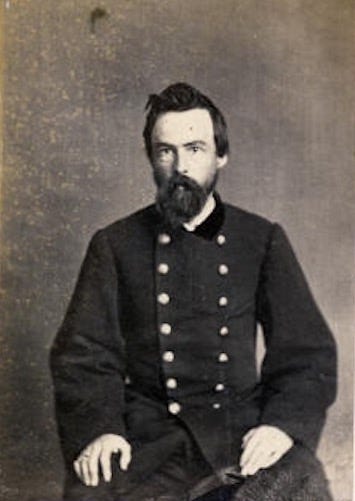
The same, repeated, shortened blurb about his 92 years has circulated for over a century among sites associated with his zig-zagged CV: Encyclopedia of Arkansas,1 University of Arkansas College of Medicine,2 a mention in the Society of Civil War Surgeon’s 2012 edition journal,3 and Cobb’s 1980 article that summarizes only a snippet of what most people know about Edwin.4 While detailed, I’m quite tired of Edwin’s typical paragraphs. So, I’m writing his book.
Born on July 3, 1824 in New London County, Connecticut, Bentley followed a doctor’s career but walked a humanitarian path. Enlisting in the U.S. Army at the outbreak of the Civil War, he rose to the ranks in the Department of Washington to become the Superintendent of U.S. Military Hospitals at Alexandria, overseeing 30+ facilities, prisoner care, and African American medicine. After losing his wife two months before the war ended, he remarried a Washingtonian while teaching anatomy at Howard University. Bentley’s medical prowess brought him to California, where he served as Napa State Hospital’s first (psychiatric) superintendent. Additional resume points include: New Orleans smallpox outbreak specialist, assistant surgeon in the Black Hills’ Indian Wars, Little Rock Arsenal post surgeon, founder and dean of the University of Arkansas’s medical school, and more.
Here is what is often not covered: civil rights advocate, father of three, widower, Son of the American Revolution, and body snatcher.
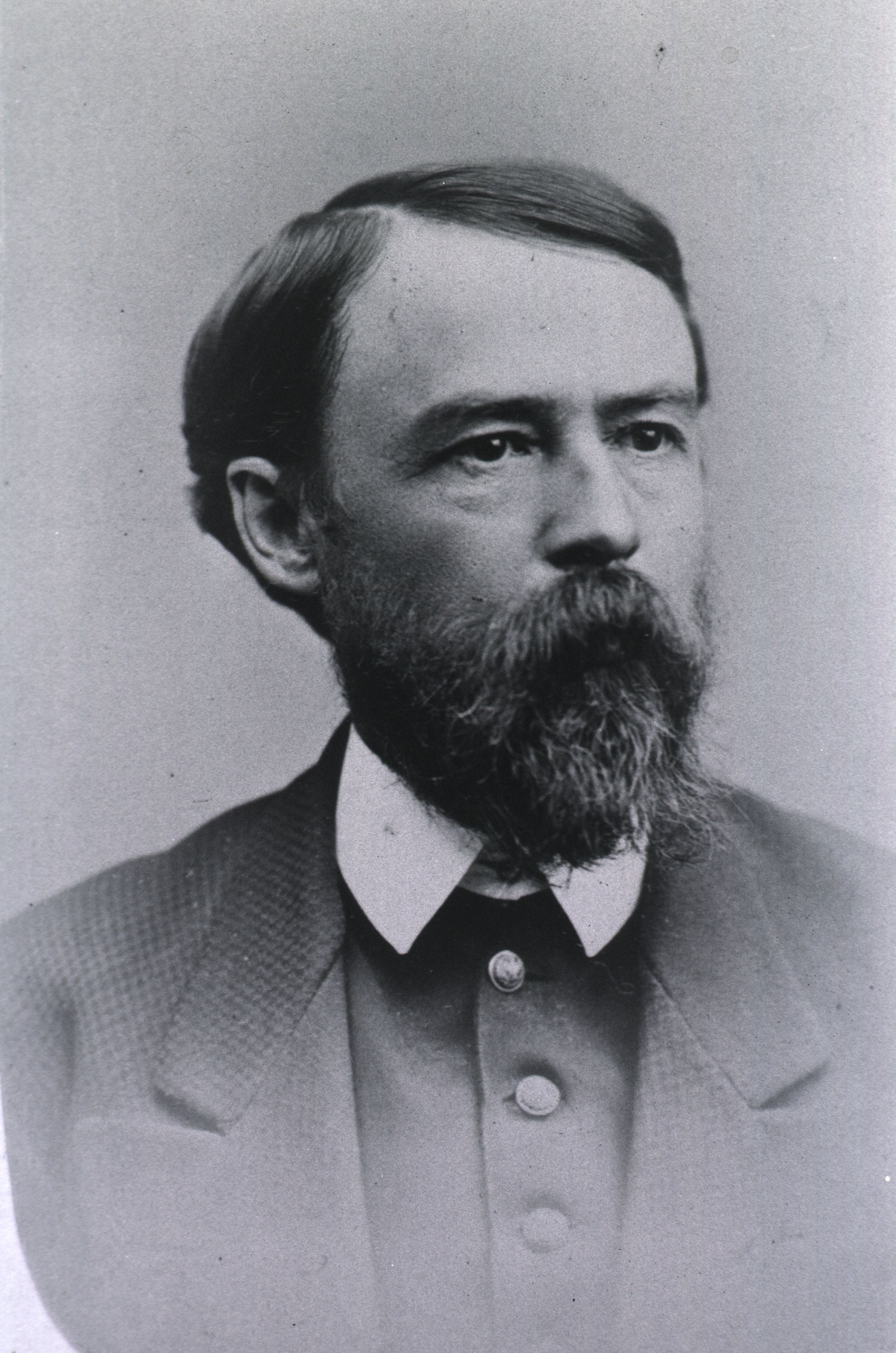
Yes, Edwin unethically “donated” bodies of deceased Civil War soldiers to science. Bentley was fascinated with dissection at a time when it was still taboo to perform autopsies. He even went as far as to ship spare body parts, often from his own operating table in Alexandria, to the private office at his Connecticut residence for later examination. That deserves a whole chapter unto itself.
Much of his untold story sits tethered together in the archives. Bound volumes of his neat handwriting delineating wartime hospital admissions, signatures on order forms, and his medical school examination results. Little Rock houses his undigitized personal papers and “specimens” from the Civil War (a.k.a requisitioned bones and body parts). His own articles are featured prominently across several volumes of the Medical & Surgical History of the War of the Rebellion. Despite four years of dedicated work, I’ve only tapped into 10-15% of his archive.
I was formerly the Lead Historian of a local house museum where Bentley resided during the final years of the Civil War. It was here that he performed the first successful blood transfusion of the conflict — which is what he is most known for today. In July 1864, Bentley admitted Pvt. George Cross to the Grosvenor Branch Hospital for a gunshot wound to the right leg, sustained at the Battle of Petersburg. Without acceptance of germ theory or knowledge of blood types, Edwin safely and accurately supplied Cross with the donated blood supply, later amputating the leg and saving this young boy’s life. My upcoming historical survey on wartime Alexandria, VA features Bentley quite heavily, but we leave him in this capital suburb. I decided to follow him out of the city for the next title.5
Writing a biography is not like writing multiple thematic articles. It is not simply combining prior work on the subject and adding back in previously irrelevant chronological details. We must tell their experiences in the context of the places, times, and circumstances. Not only am I aligning his timeline and gathering Edwin’s thoughts from his own words, I’m also exploring history through his eyes.
Writing the first biography presents unique issues in historical research:
You need to be 150% accurate in your reporting. This could very well be the book that future generations will cite, reference, and build new research from.
There are often few secondary sources that you can reference for context or summary. The research is essentally a newborn baby.
The number of primary sources will make you pull your hair out. You’re the first who gets to organize, transcribe, and detail the archive — not to mention needing to craft a narrative and storyline from the documents.
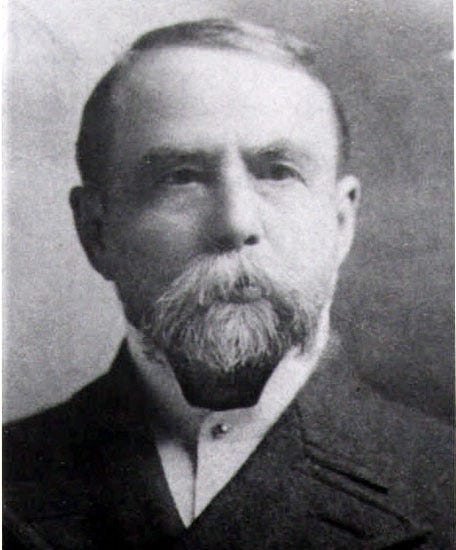
There is, oddly, an emotional toll to telling a historical figure’s complete life. I should not and do not want to leave out any aspect of his journey. Every part of his 92 years helped build Edwin — and who am I to cherry-pick what is important in a life of medical service and family lore?
Writing the manuscript is only half the battle. My current tasks, as of writing this Substack in August 2026, is to get the proposal/query into the right publishing hands. Once the book is completed (aiming for late 2027), Edwin goes on a press tour. As anyone who has written a book understands, be it fiction or nonfiction, promotion and awareness are the biggest grievances. I balance the anxiety and pressure of taking Edwin on the road and getting him onto more strangers’ shelves with the hope that he would appreciate my efforts, even from beyond the grave.
To follow my Edwin biography writing process, subscribe to my YouTube or follow me on Instagram.
Society of Civil War Historians. Journal of Civil War Medicine. Vol. 16, No. 3, 2012. Access here.
Feierstein, Madeline. Occupied Alexandria: How the Civil War Transformed a Southern City. The History Press: Charleston, 2026. (Releases October 27 - now available for pre-order!)
No posts
Comments
Nothing yet. Say the first thing.
Sign in to join the conversation.