
Disclaimer1
America relied on state insane asylums to warehouse its mentally ill population for over 200 years. Ever since Eastern State Hospital opened its doors in 1773 three years before Revolution rang-out, communities shuttered their most vulnerable in almshouses, jails, workhouses, or the emergent state hospital system.2 Open to the general public and reliant on their host states for funding, they acted as depositories for an entire region’s rowdy, unwell, or dependent population.
State hospitals differed from insane asylums in that they provided care for a myriad of physical and mental conditions, as well as a variety of treatment options for patients to eventually re-enter society. State hospitals once dominated the landscape, both architecturally and socially. The campuses sprawled dozens of acres — all the while keeping patients far away from respectable society. The hospitals served as training grounds for the new field of psychiatry and a new class of physician: psychologists.
That reliance soon turned into dependence. Overcrowding forced many state institutions to abandon their original treatment plans in favor of the easiest and least costly avenues. Political platforms and ill-intentioned social causes influenced institutions to undertake controversial care, such as forced sterilization and lobotomies. The buildings themselves, however, could no longer serve its residents. Many were constructed in the “golden age” of asylums (c.1850s-1890s) when Thomas Story Kirkbride revolutionized a blueprint to cure “moral maladies.” Aging and costly to maintain, these Victorian asylums were becoming more trouble than they were worth. The system was primed for collapse.
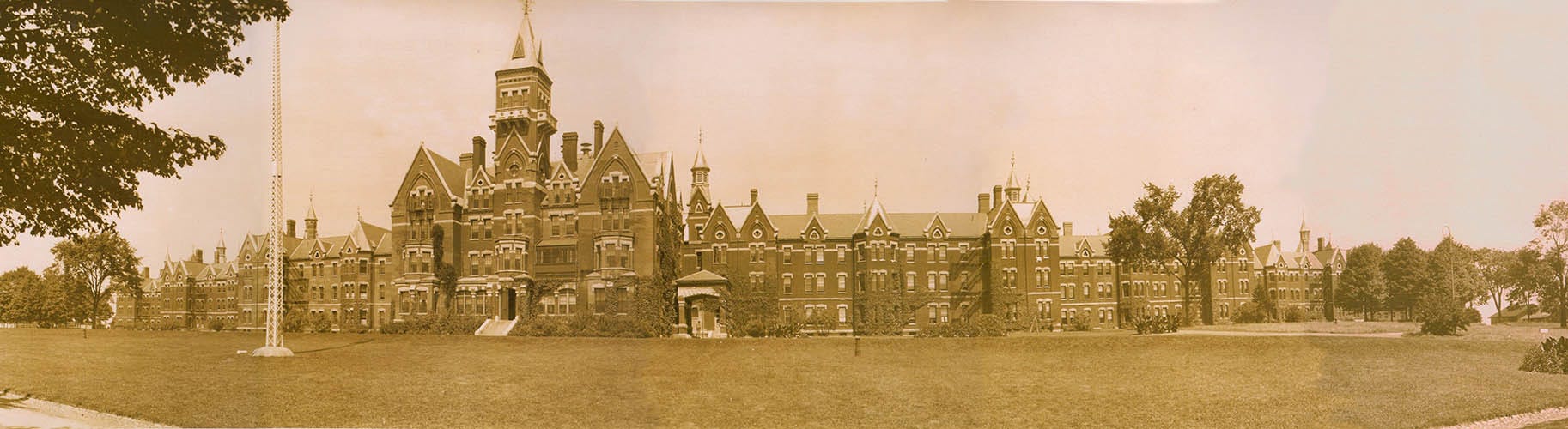
It’s not wonder that these facilities shut down. The country had opened its eyes for the first time in two centuries to the archaic care, jail-like environments, and frequent documentation of abuse. But it’s not as simple as that. These hospitals, while initially established for curative purposes, soon turned into highly expensive holding tanks where the mentally ill were housed with the criminally insane or people who shouldn’t have been there at all. As we modernized, criminalized new categories of offenses, and incarcerated more offenders, insane asylums became outdated and under-serving.
When outgoing president Jimmy Carter signed the Mental Health Systems Act of 1980 into law, the long-term intention was to phase-out the warehousing of mental health patients and provide funding for affordable, outpatient services. Among the Act’s goals, the establishment of “community mental health centers” was central.3 A major aspect of this Act was to begin a process called “deinstitutionalization,” moving away from inpatient treatment as much as possible in favor of community-based services. Inpatient? Outpatient? Community care? What’s the difference?
Inpatient requires commitment or admission to a facility. In the days of insane asylums, this was almost always long-term. In today’s world, overnight stays last usually a few days to a few weeks. Outpatient means you receive treatment or services, but you’re not residing at the facility. This could mean psychotherapy, art therapy, drug treatment, or support groups like Alcoholics or Narcotics Anonymous. Community care is a broad term that covers both short and long-term services typically provided by private organizations, often with grant funding from a government board (i.e., in-home care for the elderly, job training for disabled adults, or daycare for autistic individuals).
Incoming president Ronald Reagan cancelled Carter’s hopes for the future of mental health treatment with the Act’s repeal in the 1981 Omnibus Budget Reconciliation Act.4 The Budget Act trimmed funding across most major industries, including these community-based services. What did this mean for state hospitals, and where exactly did all of these patients go?
Thomas Story Kirkbride was a pioneering physician who designed dozens of creepy, gothic buildings in order to promote healing, harmony, and reformed citizens. The “Kirkbride Plan” focused on constructing insanely large central buildings (pun intended) with bilateral wings to give patients plenty of space and individualized care. Later generations added outbuildings to the campus, creating a new treatment style: the Cottage Plan, which littered small cottages around the grounds to simulate a home environment and move toward community-based care.
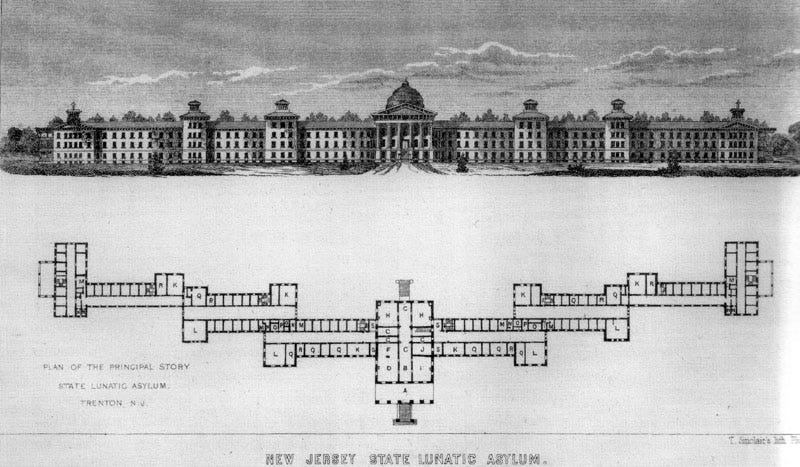
But the clunkiness of the asylums were not enough to close them down. That’s the tricky bit, isn’t it? These hospitals were created to reintegrate afflicted persons back into society, but they instead became prisons of their own, confining patients as inmates for decades or even the rest of their lives. It took longer than you would think to shutter a psychiatric hospital that had documented evidence of isolation and neglect.
State hospitals didn’t start out this way. Antebellum reformers like Dorothea Dix pushed for a separate institution to be constructed exclusively for the care of the mentally ill, rather than confinement in the county’s jails and poorhouses. Those with kind hearts and open minds were few and far between in this era. But we must keep in mind that 18th and 19th Century mentalities were limited by the scope of their knowledge. If a 21st Century physician didn’t have access to modern terminology, neuroscience, or toxicology, they would also think someone who exhibited psychosis was possessed or that severe mood swings were a reflection of the afflicted’s character. More importantly, many physicians in early & industrializing America believed the root of these maladies lied in one’s national origin or genetic predisposition, which according to them blocked selected classes from cures or relief. Thus, most patients were not being treated for their afflictions — only the symptoms — and were often barred from release for their own safety and the “good” of society.
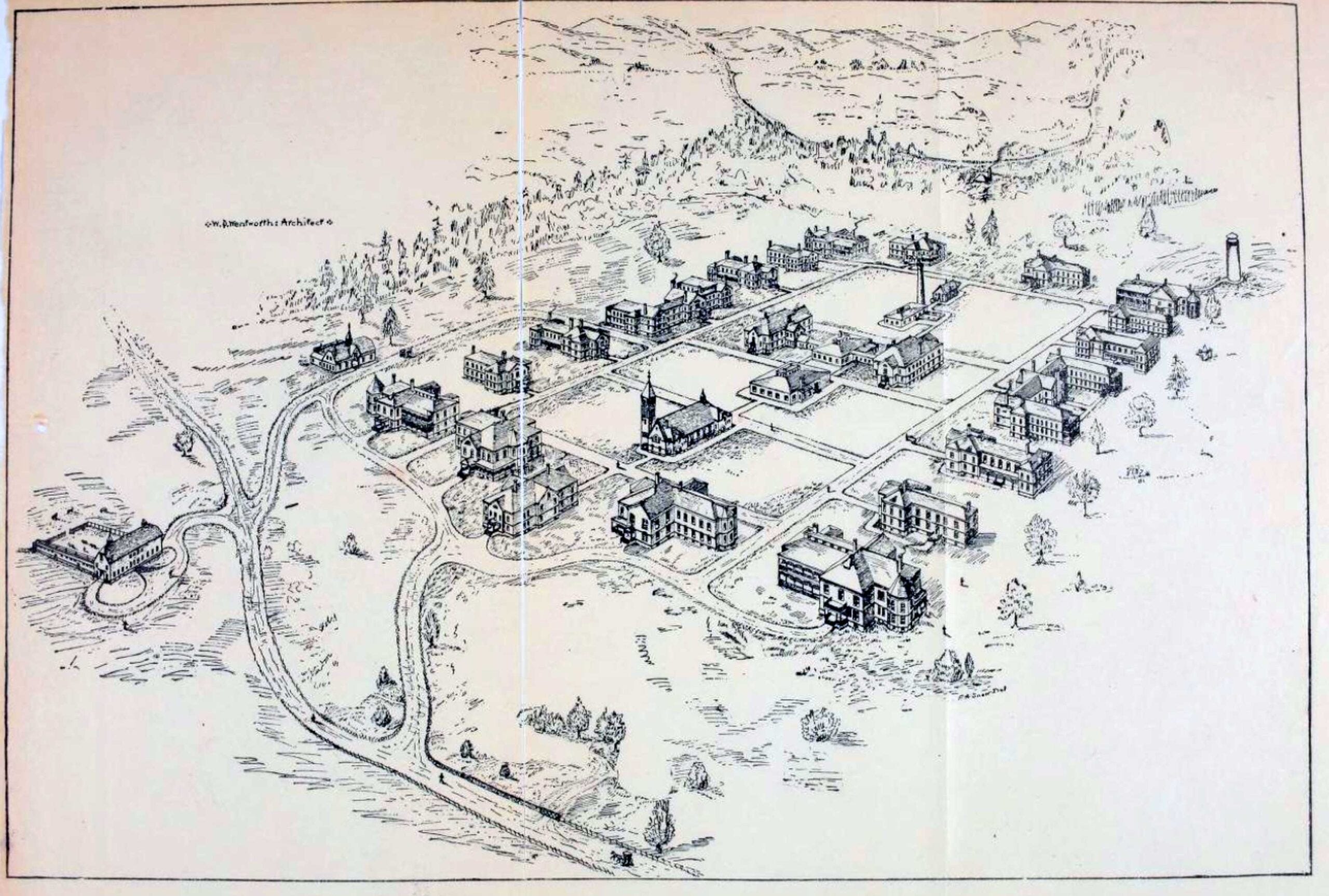
The Cottage Plan tried to mitigate a lot of the problems associated with these massive central buildings. These larger structures were difficult to heat, expensive to maintain, and soon grew ineffective for personalized patient care when populations reached 200-300% overcapacity. Backlash against this subpar patient care tumbled forward into the Progressive Era (c.1890s-1930s), a period marked by great social change and rising citizen activism in government matters. When child labor laws went into effect, when women’s rights protestors took to the streets, and when the first waves of the civil rights movement entered our national dialogue, Americans started to look into the darkest corners of society.
This didn’t mean that the treatment was suddenly flipped into something Progressive, positive, or productive. It simply changed what services were offered in-house.
Hydrotherapy, electroshock, straight jackets, and solitary confinement are hallmarks of the insane asylum experience. The turn of the 20th Century marked a shift in the role of the state hospital: to return patients to general society completely cured or docile enough for re-entry. Hydrotherapy was the first method to go (due to its analogy to torture) in favor of a new, initially chaotic form of treatment: electroshock. Considered a quicker and easier way to sedate patients, it increased the ability of asylums to treat more patients at once, causing an influx of outpatients by mid-century. Much of the short-term inpatient or recurring outpatient plans included a rotation of these hallmark treatments across all conditions — from hallucinations and epilepsy to alcoholism and major depressive disorders. Although popularized in haunted houses and as Halloween decorations, electroshock and straight jackets are still in use in modern psychiatric wards in 2026.
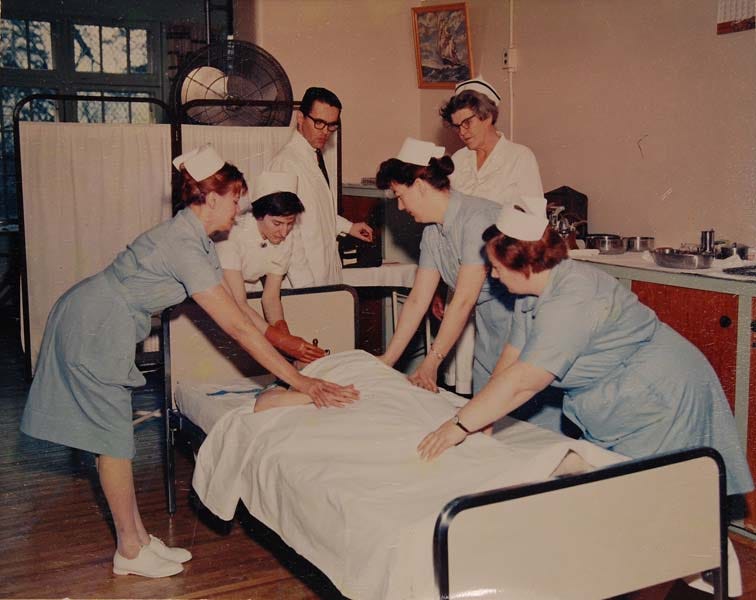
Newer treatments were introduced in the 1950s to more easily alter brain chemistry and send patients back out into society, reducing the number of admissions and long-term residents in state hospitals. No matter if a patient was housed in the main Kirkbride or small cottages, the evolving social scene in America and widespread use of new chemical-based treatment made the large-scale asylums obsolete. Patients would no longer be “sent away” to the asylum or private hospital. They were even receiving the same treatment that celebrities did. McLean Hospital outside of Boston famously admitted high-profile patients at the start of the outpatient care initiatives: Sylvia Plath, John Nash, James Taylor, and more.
The straight jacket soon became obsolete because doctors found a new way to subdue and control aggravated patients: psychiatric drugs. The popular mood stabilizer Lithium hit the market in 1948, followed by Thorazine (the first antipsychotic) in 1952. Lobotomies also became a trend, allowing patients to return to their lives and families, although significantly impacted in personality and function by the alteration to the frontal lobes.
Eugenics, shockingly, was on the decline at this time. Due to its association with Nazism, it lost popularity in the United States in the wake of World War II. Many groups who were once shuttered in asylums as a consequence of eugenics simply for their ethnic characteristics or livable disabilities finally reclaimed their lives outside of institutionalization.
Insane asylums were a ticking time bomb. Carter initiated the beginning stages of the asylum shutdown movement in the 1980 Mental Health Systems Act through funding future outpatient care services to support those leaving institutionalized care. Reagan torpedoed this shutdown support in the 1981 Omnibus. This removal of funding made it more difficult for state hospitals to properly relocate their patient populations in enough time before their doors closed. Additionally, it limited resources for patients who could not pay for their treatment.
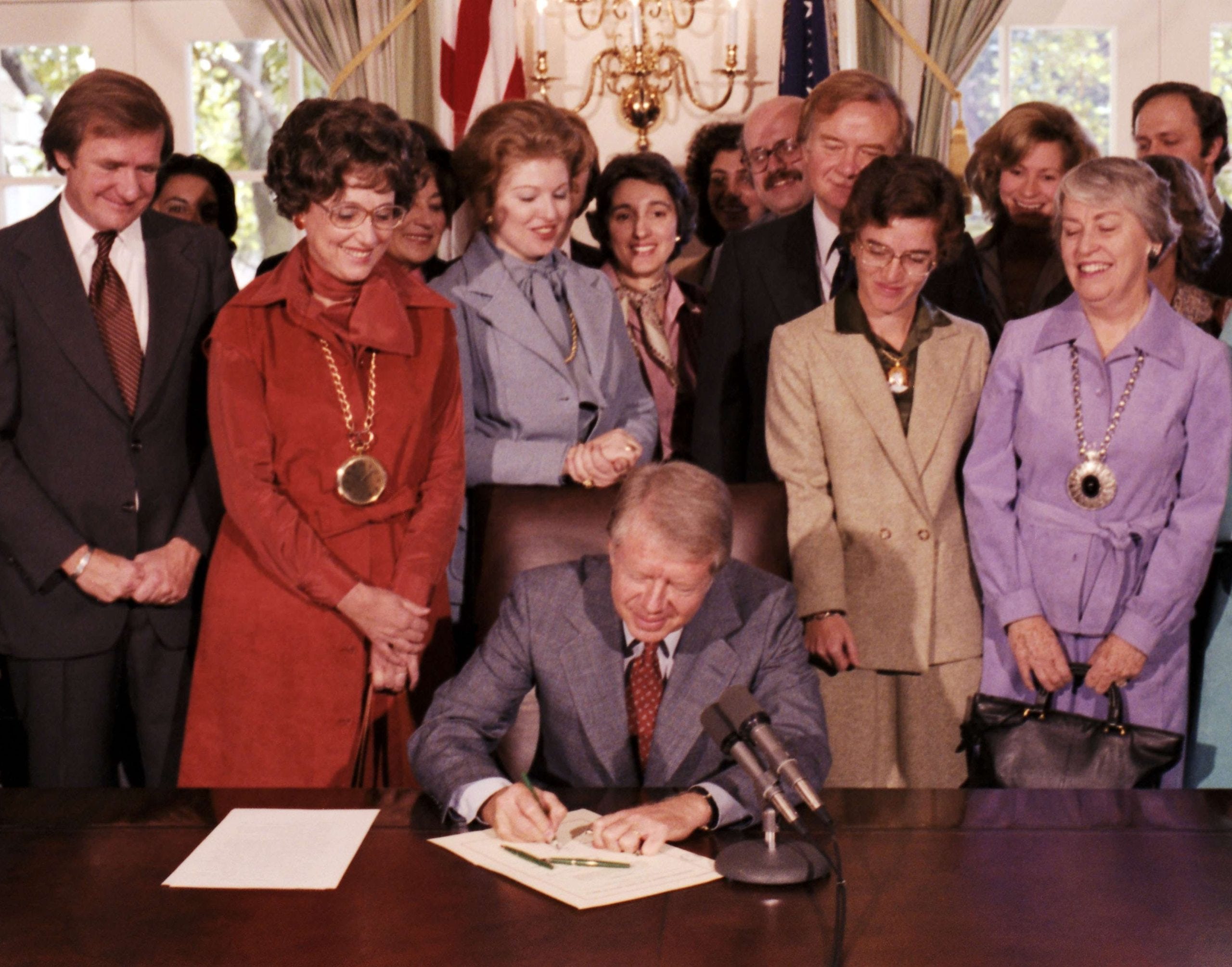
Before, almost all psychiatric care was run by the state or funded in some way by the federal government. Because Reagan removed much of the federal support guaranteed under the 1980 Act, it also blocked federal oversight of the last days of the state hospitals. States that planned on phasing-out institutionalization over the course of several decades now found themselves with reduced funds and an accelerated timeline. They fired staff, ceased offering vital treatment services, and lacked an ability to maintain the facilities adequately.
When the state hospitals finally shut their doors, they tried to transfer as many patients as possible to other facilities. Sadly, not everyone received a spot. The modern homelessness crisis in the United States has roots in 1980s deinstitutionalization, when many mentally ill persons were left on the street with no plan, no support, and no advocates. For many, the asylum was their home and their only means.
Not every facility shut down in the wake of the 1981 Omnibus Act. The threat of closure alone scared hospital staff and patients, causing them to scramble to find ways to continue operations and provide the same level of care. Most, however, could not survive with such limited funding, staff, or resources. In the 1990s and early 2000s, the majority of the asylum-type state hospitals shuttered. Since they closed in haste, almost all were literally abandoned. The empty shells of the asylums attracted crime and drug use, luring teenagers and ghost hunters with their dark histories and tales of abuse. Every state still operates a form of state hospital in conjunction with private institutions and other community-care options. This is often categorized as a “public hospital” and reorganized for the purposes of forensics (i.e., criminal cases) and long-term care on the state level. However, these modern facilities do not resemble the state hospitals closed in the 1980s and 1990s, which echoed the insane asylums of yesteryear.

Asylums fell to the ground financially and physically. Effects of the premature closure of state hospitals spilled into other areas of civilian life, especially incarceration. Without a place for the mentally ill to be treated en masse, jails and prisons became the new “holding tanks” for this vulnerable population. Today, we see more group homes, rehab centers, residential treatment centers, and daytime care for the elderly or people with disabilities. Even though it was Jimmy Carter’s plan to deinstitutionalize America, Ronald Reagan is often blamed for closing the state hospital system prematurely. By repealing the 1980 Mental Health Systems Act so soon after its passage, critics argue that Reagan rushed deinstitutionalization before state hospitals, or their patients, were ready. The Act, in its reduced form, was unable to provide the necessary services to those who critically needed them.5
This article is not intended to analyze political motivations or dissect a massive federal budget bill. It is a survey of the collapse of the insane asylum/state hospital system with a reflection on the rapid closure of asylum-era state hospitals. State hospitals still exist in the United States, but not in their original form or treatment purpose. This article is also meant to cover a wide-ranging topic in a palatable and approachable way, so some considerations were omitted for relevancy and cohesiveness.
No posts
Comments
Nothing yet. Say the first thing.
Sign in to join the conversation.