
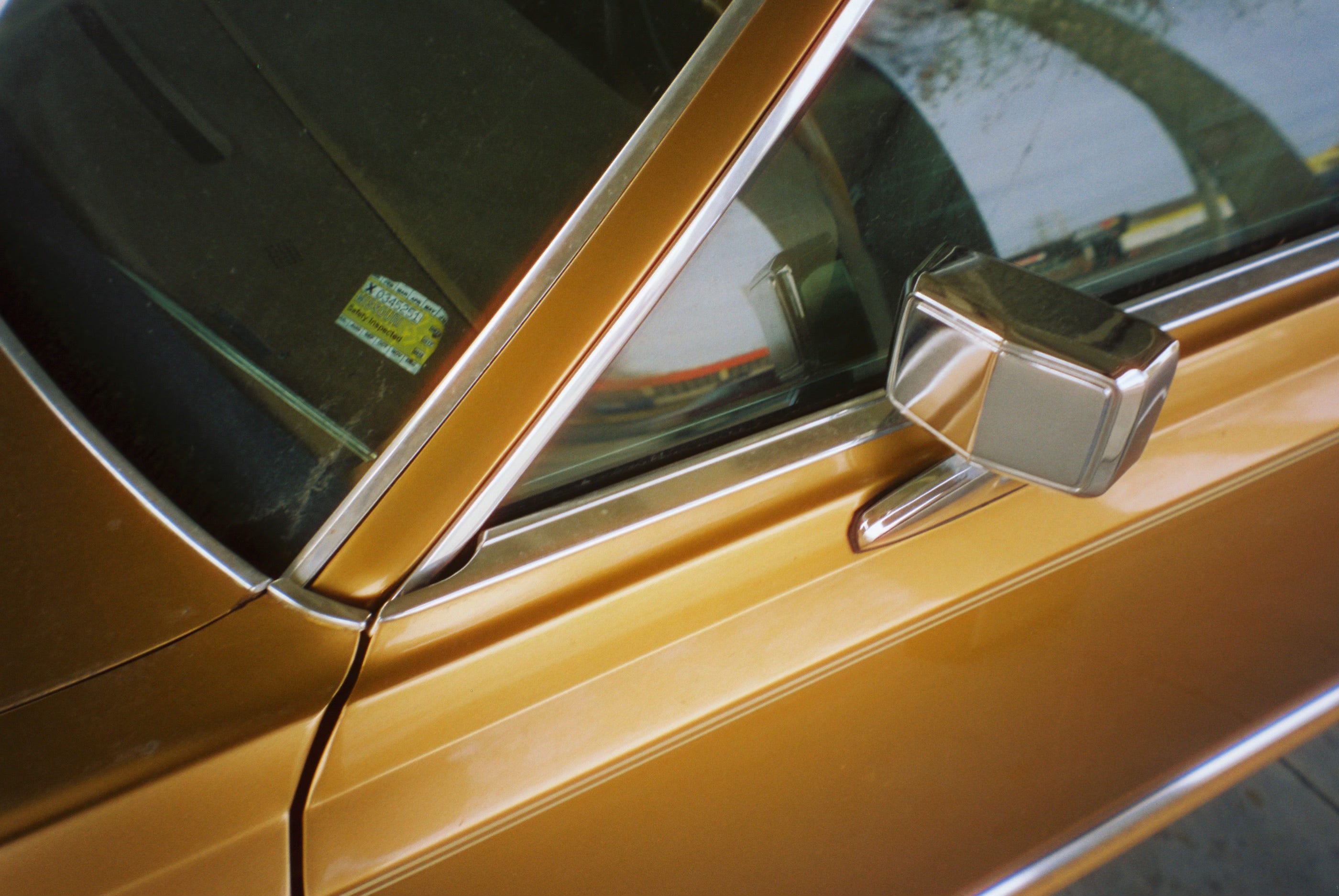
Folks assume I started Lusso to glorify a past that feels just out of reach. They see sunken living rooms and vintage electronics and larger than life cigarette ads from the seventies and assume the goal is nostalgia for its own sake.
The real goal is recognition. Nostalgia is just the door in.
Most people move through life without ever learning how to identify good design. They feel it emotionally but can’t articulate why one room feels transcendent while another feels dead, or why one object becomes timeless while another feels disposable within six months.
Lusso was never meant to be a museum for dead aesthetics. It’s a filter, a way of training your eyes again.
Looking backward matters because somewhere along the way you stopped demanding beauty from the world around you. You accepted convenience instead of atmosphere and optimization instead of identity. You traded tactile experiences for frictionless ones and convinced yourself sterile design was sophistication.
Study the past closely enough and you start noticing something. The best eras of design were never afraid of emotion. The interiors of the seventies felt cinematic and even the excess of the eighties carried an ambition that feels missing now. These spaces and objects tried to elevate everyday life instead of disappearing into the background of it.
Today so much of the world feels designed by spreadsheet. Cities repeat themselves and cafés start looking algorithmically generated. Technology gets thinner every year while somehow feeling less human. We’re told this is progress. Maybe sometimes it is. But progress without texture or personality or risk or imagination eventually becomes emptiness.
That’s why I keep posting on X. Not because the past was flawless. Most of these eras carried their own ugliness and excess too. But buried inside them were ideas worth recovering, atmosphere and individuality and boldness.
Good design should make daily life feel larger. It should create memory and desire and curiosity and presence.
The real aim is carrying forward what mattered about the past and demanding more from the environments you build now.
So what would it take for you to start demanding that from the world around you again?
No posts
Comments
Nothing yet. Say the first thing.
Sign in to join the conversation.